An access review that cannot produce a reliable answer is not a control. It is a manual exercise with a compliance deadline. The top identity governance platforms help enterprises replace that uncertainty with accountable access decisions, lifecycle automation, and evidence that stands up to audit scrutiny.
The right platform, however, is not simply the one with the longest feature list. Identity Governance and Administration (IGA) succeeds when it reflects how the organization actually hires, changes roles, grants privileged access, manages contractors, and retires accounts. For a large enterprise, the decision is as much about integration depth, operating model, data quality, and implementation discipline as it is about software.
What an Identity Governance Platform Must Control
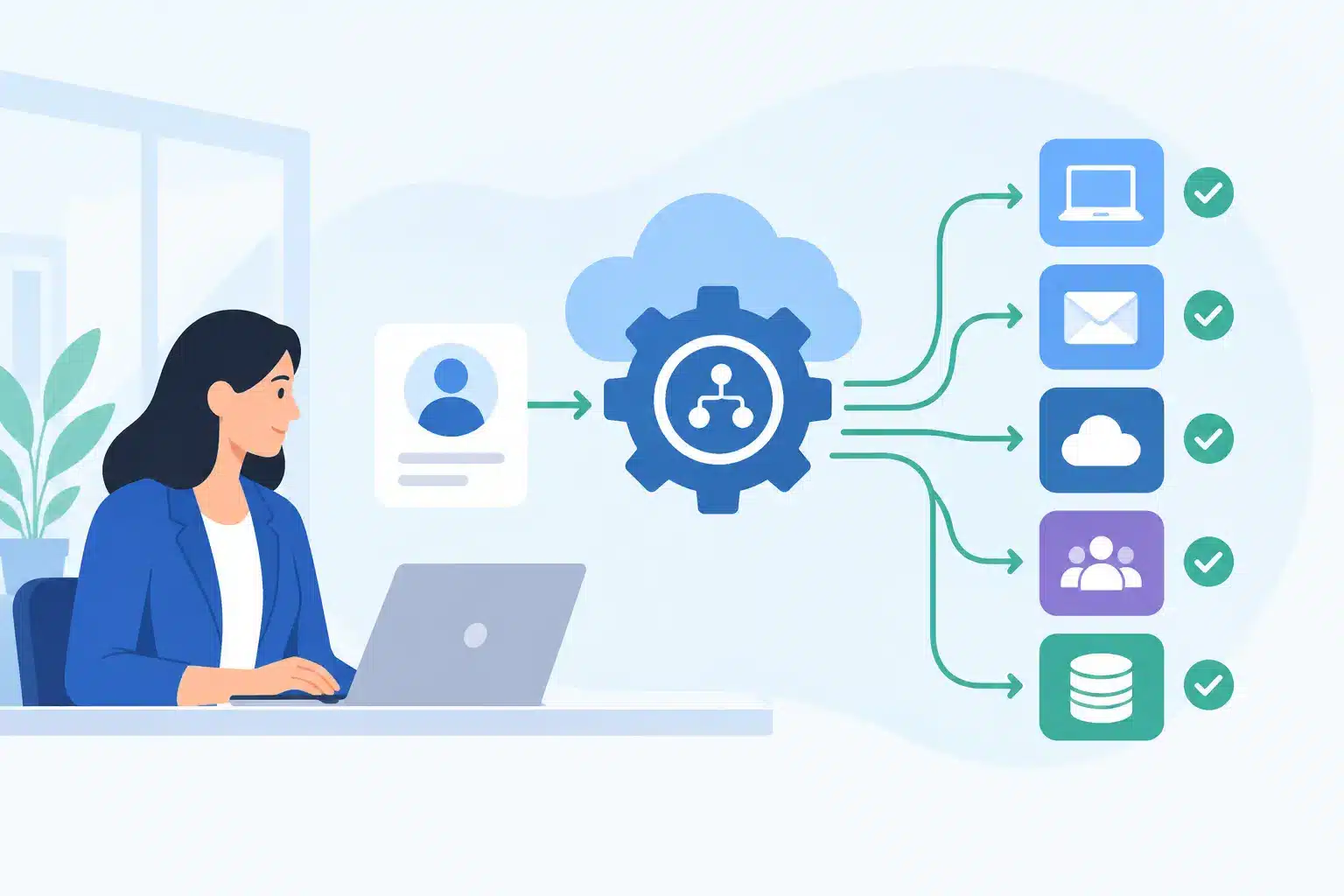
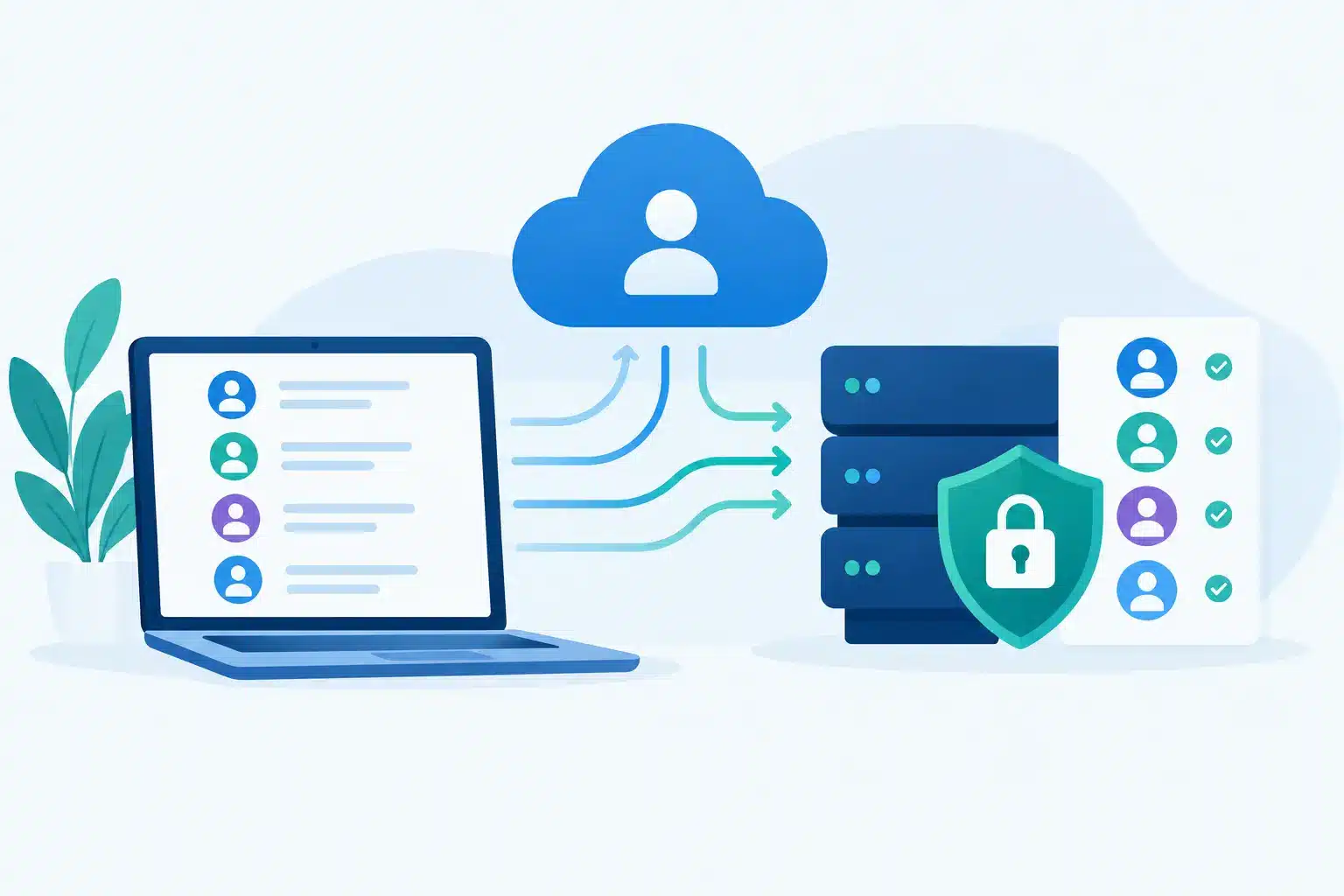
IGA establishes who has access, why they have it, who approved it, and when it must be removed. It connects identity sources, business applications, directories, cloud services, and entitlement models into a governed access framework.
Core capabilities typically include joiner-mover-leaver lifecycle management, access request workflows, role and entitlement modeling, certification campaigns, separation-of-duties controls, policy enforcement, and audit reporting. Mature programs also need to govern nonemployee identities, service accounts, privileged access pathways, and machine identities where relevant.
The operational test is straightforward: can security and business owners identify excessive access, remediate it efficiently, and prove the result? A platform that generates large volumes of unresolved review tasks may technically support governance while failing to create control in practice.
Top Identity Governance Platforms to Evaluate
Saviynt Enterprise Identity Cloud
Saviynt is a strong fit for organizations that want IGA, privileged access governance, and cloud entitlement visibility on a unified cloud platform. Its capabilities are particularly relevant for enterprises with complex application portfolios, cloud infrastructure, and a need to govern privileged access through the same policy and workflow foundation used for workforce identities.
Its flexibility is valuable, but it requires careful architecture. A program should define authoritative sources, lifecycle triggers, entitlement ownership, and approval policy before configuring workflows at scale. Saviynt can support sophisticated governance use cases, but complexity moves from the platform into the design choices an organization makes.
SailPoint Identity Security Cloud
SailPoint is one of the most established names in enterprise IGA and is widely used in large, heterogeneous environments. It offers strong lifecycle governance, access certifications, role modeling, and a broad integration ecosystem. For organizations with many legacy applications and formal audit requirements, that connector maturity can materially reduce delivery risk.
SailPoint is often a sound choice when governance must extend across a large application estate without forcing wholesale infrastructure change. The trade-off is that organizations should plan for ongoing program ownership. Building certifications, access profiles, roles, and remediation processes is not a one-time deployment activity. The platform needs a team that can keep policy aligned with organizational change.
Omada Identity Cloud
Omada is well suited to organizations that prioritize structured governance, access certification, and compliance-driven workflows. It has a strong presence in regulated sectors where auditability, segregation of duties, and clearly documented approvals are central requirements.
This can be a practical option for enterprises that need to bring discipline to established but fragmented access processes. Its value depends on the quality of the underlying access data. If entitlement descriptions, ownership, and application inventories are incomplete, certification campaigns will expose that problem rather than solve it. That is still useful, but it must be addressed as part of the program plan.
One Identity Manager
One Identity Manager is commonly considered by enterprises seeking deep customization and broad identity lifecycle functionality across hybrid environments. It can be effective where business processes are highly specific, on-premises systems remain significant, or the organization needs detailed workflow control.
The same flexibility that makes it attractive can increase implementation and maintenance demands. Teams should be realistic about internal development capacity, upgrade practices, and ownership of custom logic. For a stable operating model with unusual requirements, that investment may be justified. For a team looking to standardize quickly with minimal customization, it may not be the best fit.
Microsoft Entra ID Governance
Microsoft Entra ID Governance is a natural evaluation candidate for organizations heavily invested in Microsoft 365, Azure, and Entra ID. It provides lifecycle workflows, access packages, entitlement management, access reviews, and privileged identity controls within the Microsoft identity ecosystem.
Its advantage is proximity to the tools many enterprises already operate. It can provide meaningful governance coverage quickly for Microsoft-centric access. Its limitation is scope: organizations with substantial non-Microsoft SaaS, legacy, ERP, and line-of-business applications should validate connector coverage, entitlement visibility, and workflow requirements before treating it as a complete enterprise IGA replacement.
Oracle Identity Governance
Oracle Identity Governance remains relevant for organizations with significant Oracle application estates, especially where Oracle ERP, databases, and enterprise platforms are central to core operations. It supports lifecycle management, access requests, certifications, and compliance-oriented controls.
It is often most compelling when it aligns with existing Oracle architecture and internal support expertise. Enterprises with mixed technology stacks should assess how well it serves non-Oracle targets and whether the broader administration model fits their cloud strategy. A platform can be highly capable within its native ecosystem and still require additional effort outside it.
Select the Platform Around Your Hardest Control Problem
A platform evaluation should begin with the access risk that causes the greatest operational exposure. For some organizations, it is delayed deprovisioning after workforce changes. For others, it is privileged access accumulation, toxic combinations in financial systems, or quarterly reviews that overwhelm business managers.
Define the control objective before issuing a feature comparison. For example, “reduce orphaned accounts within 24 hours of termination” is measurable. So is “certify high-risk entitlements with accountable business ownership each quarter.” “Implement IGA” is not a control objective.
Then assess each platform against the systems that matter most, not an idealized future architecture. Include HR systems, directories, ERP platforms, cloud services, IT service management tools, privileged access management systems, and critical custom applications. Connector availability matters, but so do connector behavior, supported entitlement types, reconciliation reliability, and operational supportability.
Implementation Determines Whether Governance Becomes Control
The most common IGA failure is not a software defect. It is attempting to automate access before defining ownership, policy, and reliable identity data. An enterprise cannot certify access effectively if no one owns the entitlement model or understands what the access grants.
Start with a governed foundation: authoritative identity sources, termination processes, priority applications, high-risk entitlements, and named access owners. Establish a remediation path before launching certifications. If managers cannot remove, modify, or escalate access decisions within a defined service model, campaigns become administrative theater.
Role design also deserves restraint. Excessively granular roles can become another layer of complexity. Broad birthright roles can create overprovisioning. The right model usually combines a limited set of stable business roles with managed access profiles and direct entitlement governance for exceptions. It depends on application maturity and how frequently job responsibilities change.
IGA should also work alongside PAM, IAM, and certificate or machine identity controls. Governance can approve and review privileged access, but it does not replace session control or credential vaulting. Likewise, an employee lifecycle workflow does not govern nonhuman identities by itself. These control domains need a shared architecture and clear ownership boundaries.
Measure the Operating Model, Not Just Deployment Progress
A completed rollout is not evidence of reduced risk. Track metrics that show whether the control is functioning: deprovisioning time, access request fulfillment time, certification completion and revocation rates, orphan-account volume, policy violations, and the percentage of critical applications under automated lifecycle control.
Also measure exceptions. High exception rates can reveal an entitlement model that does not match business operations, insufficient role coverage, or approval policies that are too rigid. The answer is not always more automation. Sometimes the correct response is to simplify the policy or improve application ownership.
IDENT1TY approaches IGA as an operating capability, combining platform expertise with the architecture, implementation, and managed support needed to keep governance effective after go-live.
The best platform is the one your organization can operate with discipline six quarters from now – when the application portfolio has changed, a business unit has been acquired, and auditors ask for proof that critical access is still under control.