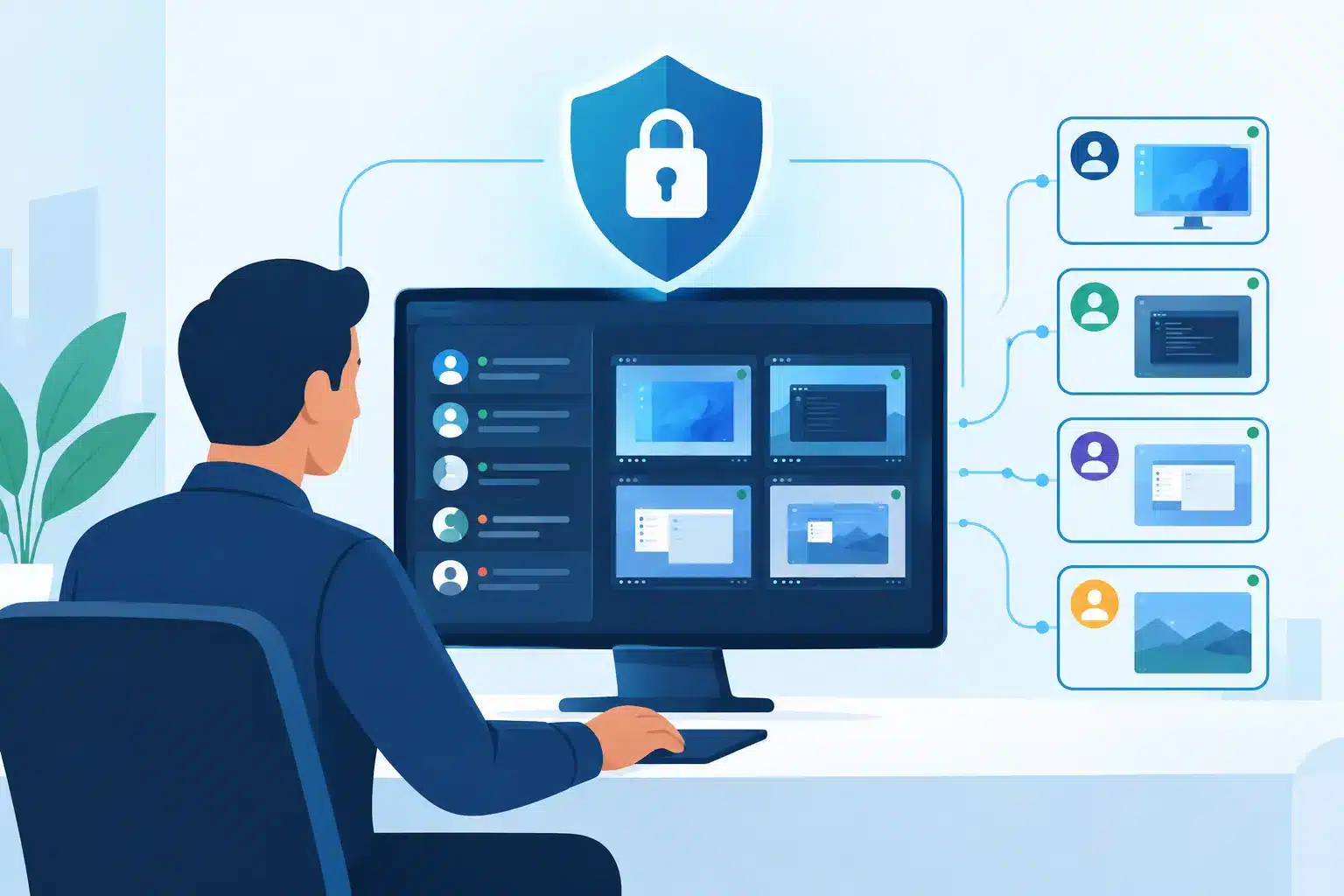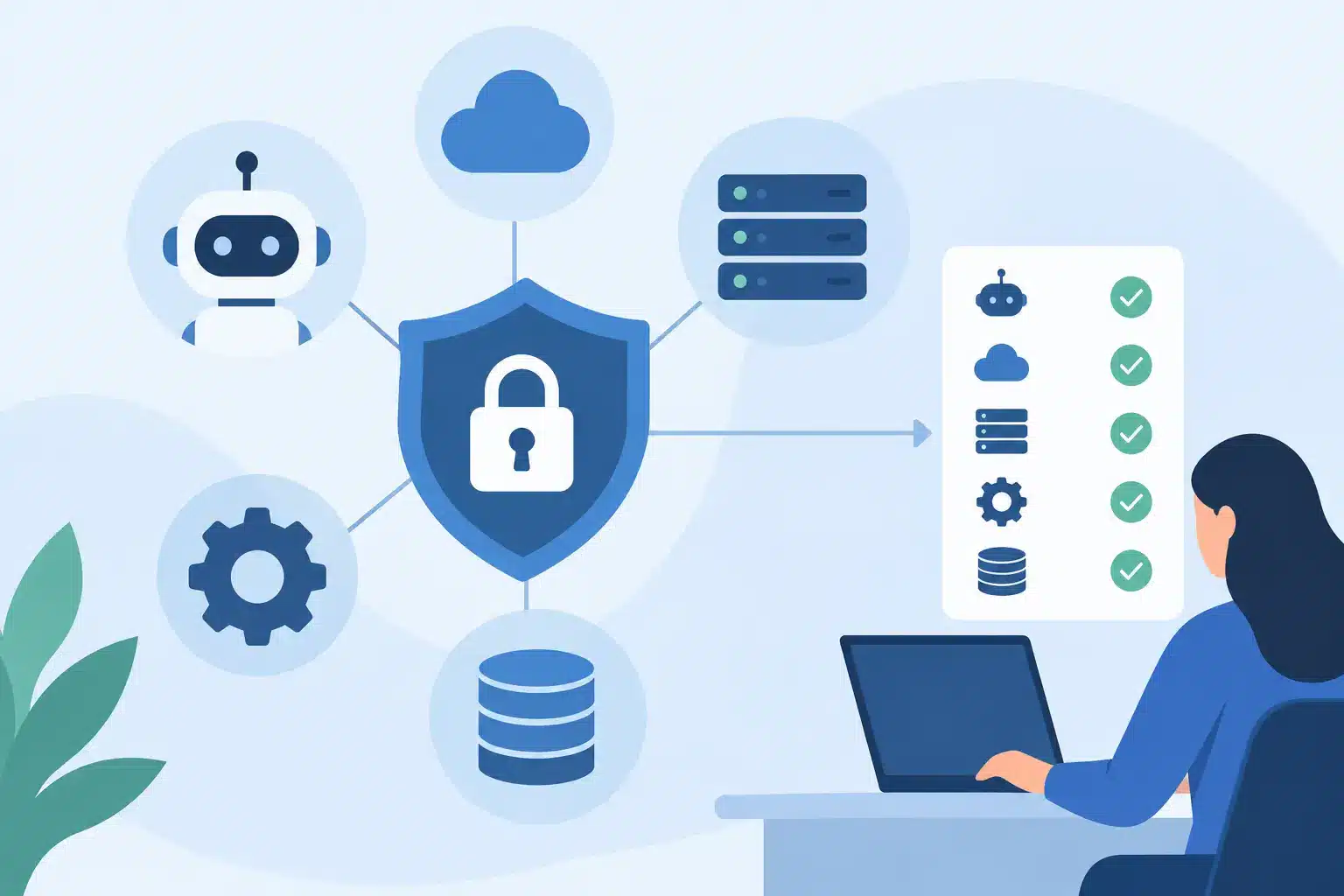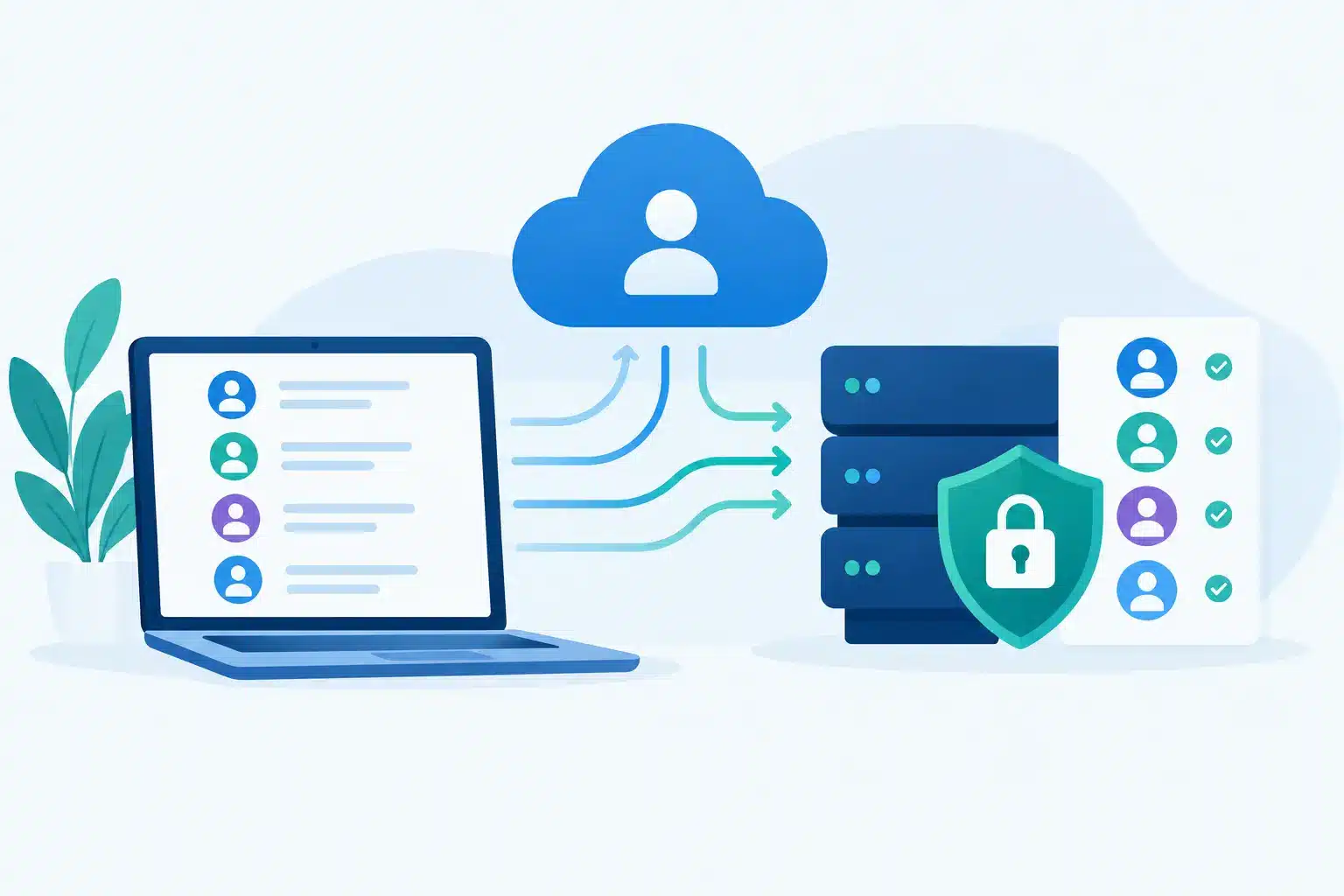
A certificate expiration rarely looks like an identity security failure until a critical application, API, VPN, payment service, or production workload stops trusting the connection it depends on. By then, the remediation is urgent, ownership is unclear, and the business impact is already visible. Certificate management turns that reactive scramble into a controlled operating process for the machine identities that keep enterprise systems communicating.
For security and infrastructure leaders, the issue is no longer limited to public-facing TLS certificates. Enterprises depend on certificates across cloud workloads, internal applications, service meshes, DevOps pipelines, code-signing processes, device fleets, partner integrations, and privileged infrastructure. Each certificate represents a trust decision. If that decision is not visible, governed, and renewed on time, it becomes an operational and security exposure.
Certificate Management Is an Identity Control Problem
Certificates authenticate machines, services, applications, and users without requiring a person to log in. They establish encryption, verify endpoints, and allow systems to trust one another. In practice, that makes a certificate a machine identity credential with a defined lifecycle: issuance, deployment, renewal, revocation, replacement, and retirement.
The challenge is that certificate ownership is often distributed across teams that do not share a common operating model. Network teams may manage load balancers. Platform engineers may provision Kubernetes secrets. Application teams may embed certificates in code or configuration files. Security teams may own policy but lack visibility into deployments. A central inventory, if one exists, is frequently outdated before it is complete.
This fragmentation creates two risks at once. The first is availability risk: an expired certificate interrupts a service or breaks a trusted connection. The second is security risk: weak keys, outdated cryptographic standards, unmanaged certificate authorities, and certificates that remain valid after a system is retired can create paths an attacker can exploit.
Certificate lifecycle management is therefore not a tracking exercise. It is a control framework for establishing who owns machine identities, which trust authorities are permitted, how credentials are issued, and how exceptions are identified before they become incidents.
Why Certificate Failures Continue to Reach Production
Most organizations do not lack renewal reminders. They lack reliable context. A notification that a certificate will expire in 30 days has limited value if no one can determine the affected service, business owner, installation location, issuing authority, or renewal procedure.
Shorter certificate validity periods increase this pressure. The industry trend toward shorter-lived public certificates improves cryptographic agility and reduces exposure from compromised credentials. It also compresses the operational window for renewal. Manual processes that seemed manageable when renewals were annual can become a source of recurring risk when certificates require more frequent replacement.
Cloud adoption adds another layer. Dynamic infrastructure creates certificates faster than traditional asset inventories can record them. Containers, ephemeral workloads, API gateways, and service-to-service authentication introduce machine identities that may exist for hours, days, or weeks rather than years. A spreadsheet cannot provide reliable control in that environment.
Mergers, acquisitions, and decentralized procurement also create hidden certificate authorities and duplicate tooling. Different teams may use different public CAs, private PKI platforms, or self-signed certificates based on immediate project needs. The result is inconsistent policy and a growing trust surface that security teams cannot measure with confidence.
Build Certificate Management Around Ownership and Automation
Effective certificate management begins with discovery, but discovery alone is not the goal. The goal is a living inventory connected to accountable owners and repeatable lifecycle actions.
Establish a trusted inventory
A useful inventory identifies more than a certificate’s common name and expiration date. It should record the issuing CA, serial number, key algorithm, key length, environment, installation point, related application or service, business criticality, technical owner, business owner, and renewal method. It should also distinguish public certificates from private PKI certificates, code-signing certificates, client certificates, and other specialized credentials.
This data should be collected through active network discovery, integrations with certificate authorities, cloud platforms, load balancers, secrets managers, and configuration management systems. No single discovery method finds everything. External scanning can identify internet-facing certificates, but it cannot expose certificates deployed inside private networks or stored in internal platforms. CA integrations reveal issued certificates, but may not show where they are installed or whether they are actively used.
The inventory becomes valuable when ownership is mandatory. Every production certificate should have a named accountable team, a documented service relationship, and an escalation path. Shared operations teams can administer the platform, but accountability for service continuity must remain clear.
Automate the lifecycle where the environment supports it
Automation should handle routine issuance, renewal, deployment, and revocation for defined certificate classes. API-based enrollment, automated discovery, approved certificate templates, and deployment integrations reduce the number of manual handoffs that cause outages.
However, automation is not a reason to remove governance. An automated renewal that deploys an incorrectly configured certificate can still disrupt a service. High-value systems need validation steps that confirm the renewed certificate is trusted, correctly installed, using approved algorithms, and operational before the prior credential is retired.
The right level of automation depends on the environment. Internet-facing applications with established load balancer integrations may be strong candidates for full automation. Legacy applications, industrial systems, and specialized third-party platforms may require managed workflows, change windows, and additional testing. The operating model should support both without accepting unmanaged exceptions.
Standardize policy before enforcing it
Certificate policy should define approved certificate authorities, cryptographic requirements, maximum validity periods, naming conventions, storage requirements, renewal thresholds, and revocation procedures. It should also identify where private keys may reside and which teams can request certificates.
Policy enforcement is especially important for private PKI. Internal certificates often receive less attention than public TLS certificates because they are not visible to external scanning. Yet they can authenticate domain services, administrator access, internal APIs, devices, and workload identities. A compromised or improperly issued internal certificate can have consequences well beyond a single application outage.
Prioritize the Certificates That Carry the Greatest Consequence
A broad inventory can quickly reveal thousands of certificates. Treating every finding as equally urgent creates noise and slows remediation. Prioritization should combine expiration risk with business impact and trust exposure.
Certificates protecting customer-facing services, payment workflows, remote access, identity infrastructure, privileged administration, and critical integrations should receive the highest level of monitoring and ownership. Certificates issued by unapproved authorities, using deprecated algorithms, lacking an owner, or installed on retired assets also require early action.
This is where certificate management connects directly with IAM, PAM, and identity governance. A certificate may grant a workload access to an API, allow a device to join a trusted network, or establish trust for a privileged session. It should be governed with the same discipline applied to human and privileged identities: least privilege, accountable ownership, lifecycle control, policy enforcement, and auditability.
Make Certificate Lifecycle Management Measurable
Leadership needs more than a statement that certificates are monitored. They need evidence that the control is operating. Useful measures include inventory coverage, the percentage of certificates with assigned owners, certificates renewed before defined thresholds, use of approved CAs, policy violations by severity, and time required to revoke or replace a compromised credential.
Operational reporting should separate known risk from unknown risk. A dashboard showing zero expired certificates is not meaningful if a large portion of the environment has never been discovered. Coverage metrics expose where visibility is incomplete, while lifecycle metrics show whether teams can act on what they know.
Audit readiness also improves when certificate data can be tied to change records, approval workflows, issuing policies, and service ownership. For regulated organizations, this evidence supports more than compliance reporting. It demonstrates that critical trust relationships are managed as controlled assets rather than informal infrastructure dependencies.
A Practical Deployment Path
Organizations should avoid starting with a tool selection exercise. Begin by defining the operational outcomes required: prevent service disruption, reduce unauthorized trust, improve cryptographic agility, or consolidate fragmented certificate authorities. The answer affects the architecture, integrations, and service model.
The first phase should establish discovery across the highest-risk environments and create a normalized inventory. The next phase assigns ownership, classifies certificates by criticality, and documents renewal and revocation procedures. Automation can then be introduced for repeatable, well-understood use cases, followed by policy enforcement and continuous monitoring.
A managed operating model is often appropriate when internal teams lack dedicated PKI expertise or cannot sustain lifecycle monitoring across global environments. IDENT1TY helps organizations connect certificate lifecycle management to the broader identity security program, combining architecture, integration, governance, and ongoing operational support. The objective is not simply to deploy another platform. It is to make certificate control dependable in production.
As AI agents, APIs, and autonomous workloads expand the machine identity population, certificate volumes and trust relationships will continue to grow. The organizations that maintain control will be the ones that treat every certificate as a governed identity credential with a known purpose, a named owner, and a verified lifecycle.