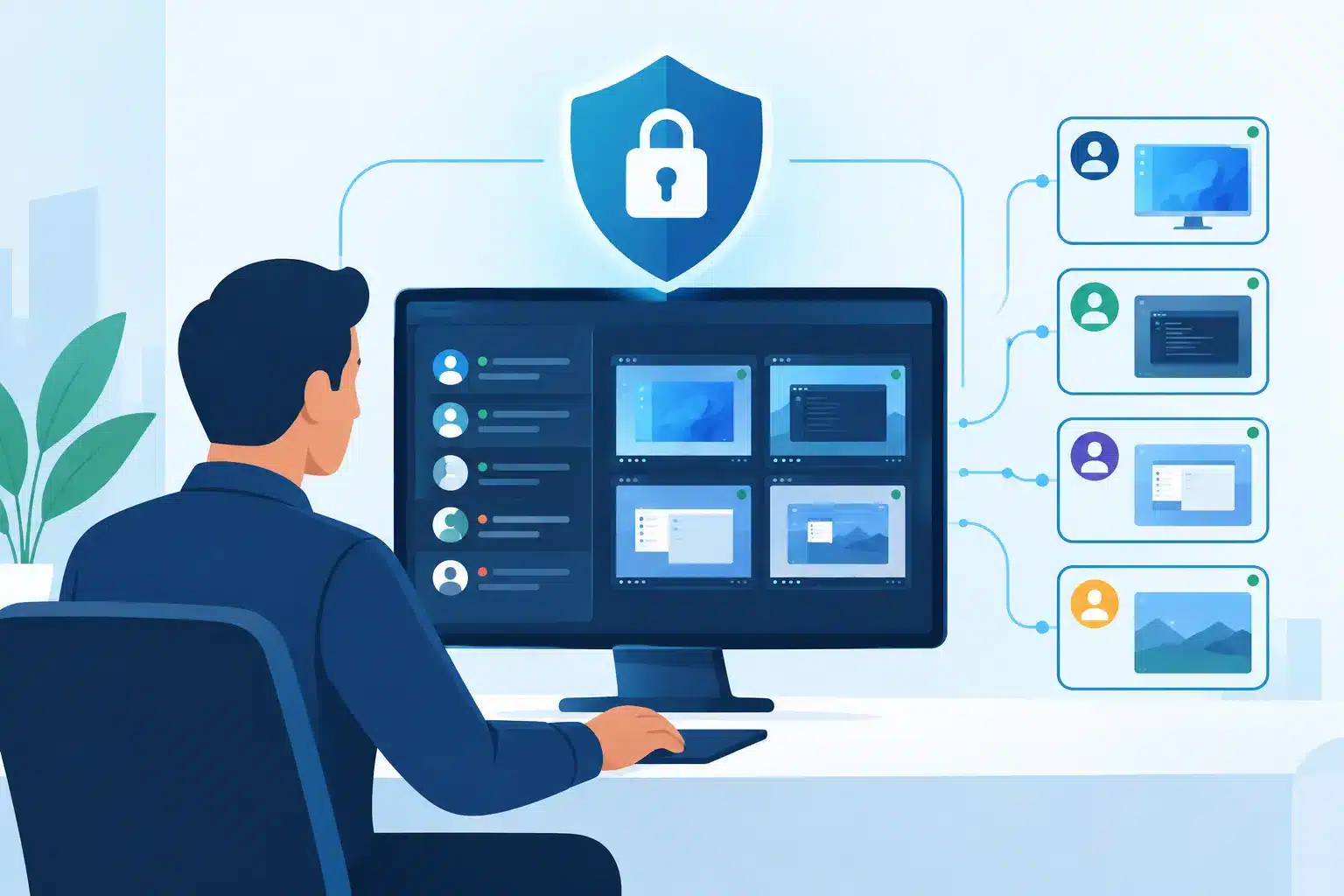
A finance operations team deploys an AI agent to investigate payment exceptions. The agent reads transaction records, compares supporting documents, opens cases, and prepares resolution recommendations. Within weeks, it is handling work that previously required several applications, multiple approval steps, and access to sensitive customer data. This AI agent access case study examines the control problem behind that deployment: the agent was productive, but no one could clearly answer what identity it used, what it could do, or who remained accountable for its actions.
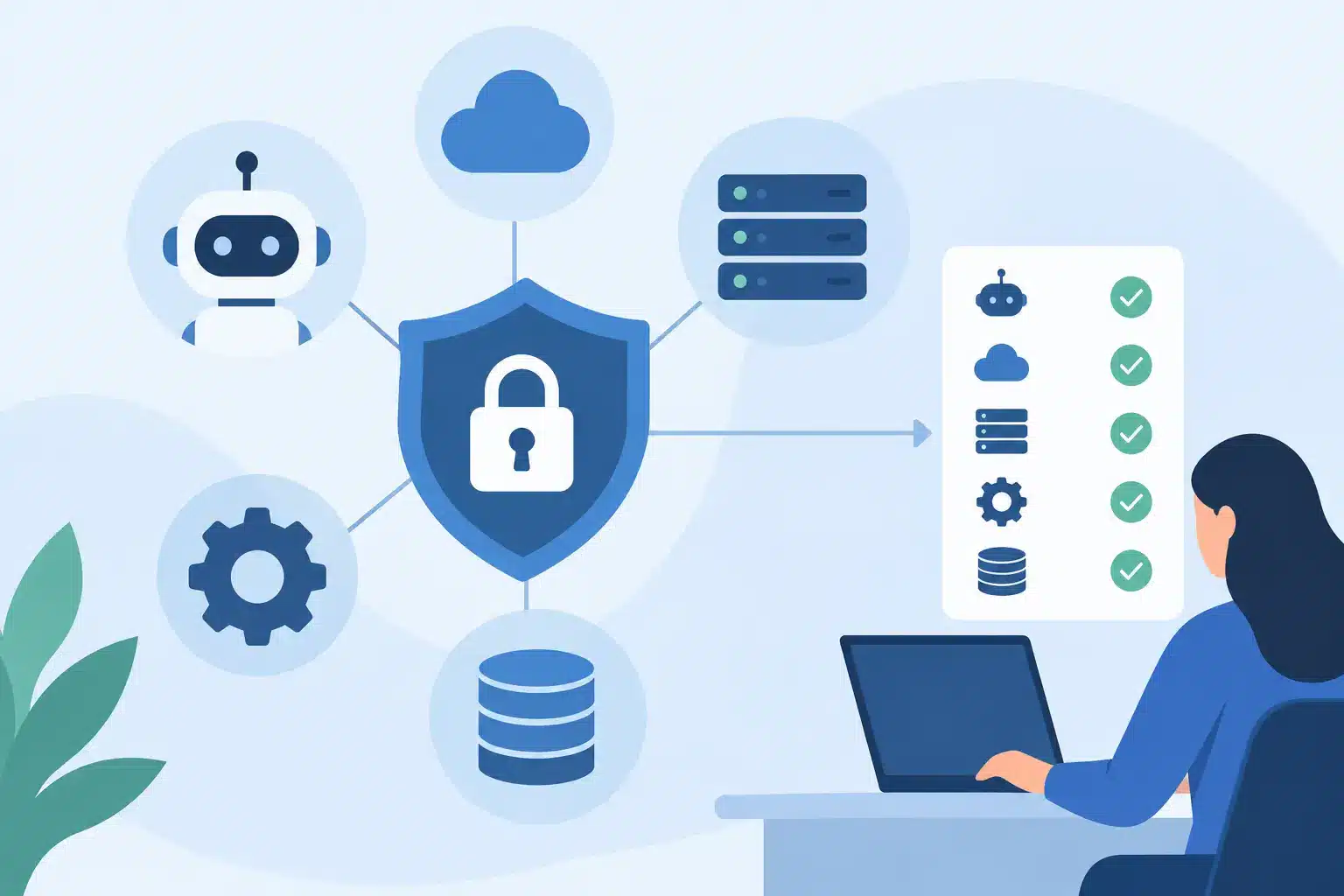
That gap is not a minor implementation detail. An AI agent that can call APIs, use enterprise applications, retrieve documents, and trigger workflows is an active identity in the environment. It requires the same discipline applied to privileged users, service accounts, and machine identities, with additional controls for dynamic behavior and delegated human authority.
The operating scenario
This representative case reflects a common enterprise deployment rather than a single client engagement. A regulated organization introduced an AI agent to reduce manual effort in payment exception management. The agent received a case identifier from a workflow platform, collected relevant records from a core business system, searched an approved document repository, and drafted a recommendation for an analyst.
The original design treated the agent as an application feature. Its integration account had broad read access to payment data, a shared API credential was stored in an automation platform, and the agent could create or update case records without a separate approval check. Activity was logged across several systems, but the logs could not reliably connect an action to the agent, the specific workflow run, and the human or process that initiated it.
The immediate risk was excessive access. The larger issue was loss of control. If the agent accessed the wrong customer record, made an unauthorized update, or followed manipulated instructions embedded in a document, the organization would struggle to investigate the event and contain it quickly.
The access questions that changed the design
The security architecture team stopped asking, “What permissions does the AI tool need?” They instead defined the agent as a governed identity with a purpose, owner, lifecycle, and permissions model. That changed the discussion from software configuration to access control.
Four questions drove the redesign:
- What is the agent authorized to do, and in which business context?
- Which actions are informational, and which actions can change a system of record?
- Who sponsors the agent and approves material changes to its access?
- Can security teams reconstruct every action from initiation through outcome?
These questions exposed a critical distinction. The agent did not need standing access to all payment records or unrestricted ability to update cases. It needed constrained, task-specific access only after a valid case was assigned to it. The effective permission had to reflect both the agent’s role and the context of the individual task.
Establishing an identity for the agent
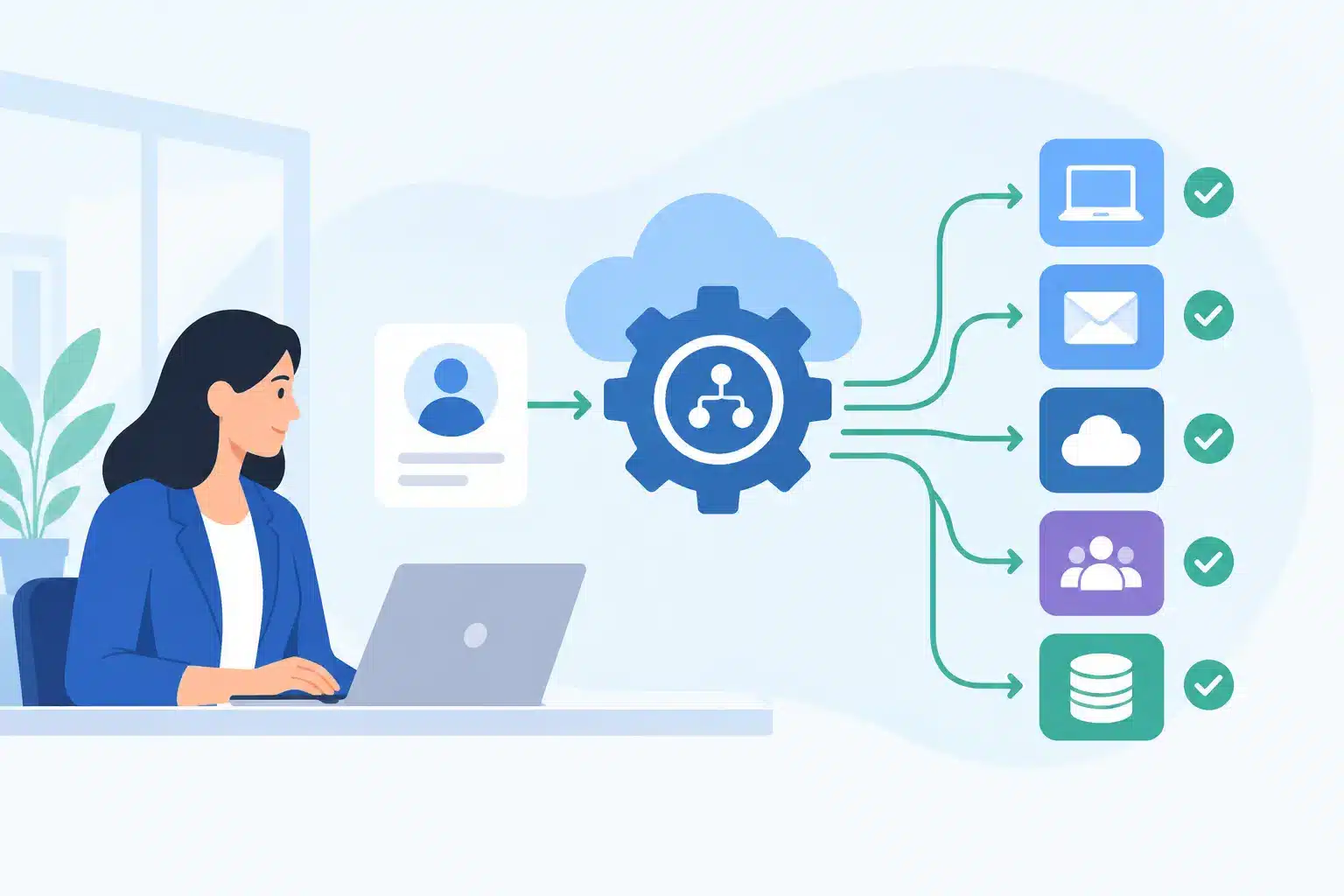
The organization created a dedicated non-human identity for the agent, separate from its developers, operators, and the automation platform that hosted it. The identity record included a named business owner, a technical owner, a documented purpose, approved environments, data classification, and a review date.
The agent received short-lived credentials through a centrally managed secrets and workload identity process. Static credentials in scripts and shared integration accounts were removed. Where the environment supported federation, the agent authenticated using workload identity rather than a reusable secret. This reduced the risk of credential reuse and gave the security team a defined path to revoke access without disabling unrelated services.
The team also separated the agent identity from human delegation. An analyst could initiate a task, but the agent did not impersonate the analyst across every connected system. Instead, the workflow recorded the initiating user and passed narrowly scoped authorization claims to the agent. That preserved accountability while preventing the agent from inheriting the full access profile of a person.
This design has a trade-off. Delegated access can improve traceability for a specific transaction, but it becomes dangerous when it grants the agent the user’s broad, persistent privileges. For high-risk workflows, the safer model is a dedicated agent identity combined with explicit task context and approval gates.
Applying least privilege to dynamic work
Least privilege for an AI agent cannot be a generic role named “automation-admin” or “AI-service.” The organization broke the workflow into discrete actions: retrieve case details, read related payment records, search approved documents, create a recommendation, and submit a case update.
Read access was limited by case assignment, business unit, and record type. The agent could retrieve data only for the case supplied by the orchestrated workflow and only from approved sources. It could not issue open-ended searches across customer records, query entire databases, or access personal data outside the exception investigation.
Write access received more restrictive treatment. The agent could create a draft recommendation and attach evidence to a case, but it could not approve a payment change, close an exception, alter customer banking information, or release funds. Those actions remained behind a human approval control. The boundary was intentional: the agent could accelerate analysis, but it could not independently execute an irreversible financial decision.
The team used separate permissions for development, testing, and production. This sounds basic, but AI projects often compress the path from prototype to production. Test connectors, broad sandbox permissions, and developer-managed keys are frequently carried into live environments. Production access requires its own identity, approvals, credential controls, and monitoring.
Putting policy checks in the execution path
The agent’s access was not granted once and left untouched. Policy checks were placed in the execution path for each sensitive action. Before calling a protected system, the orchestration layer validated the agent identity, the requested scope, the assigned case, and the environment. The request was denied if the agent attempted an operation outside the defined workflow.
For higher-risk actions, the workflow required a human decision before the agent could continue. The agent could prepare evidence and recommend a disposition, while an authorized analyst confirmed the result. Where speed mattered, the organization used risk-based thresholds. Low-value, low-risk exceptions could follow a lighter review path; large transactions, sanctions-related indicators, or conflicting evidence triggered enhanced review.
This approach creates some operational friction. A fully autonomous workflow may close cases faster, but speed without a control boundary transfers risk into production. The right level of autonomy depends on the business impact of the action, the quality of available data, regulatory obligations, and the ability to reverse an error.
Making AI agent activity auditable
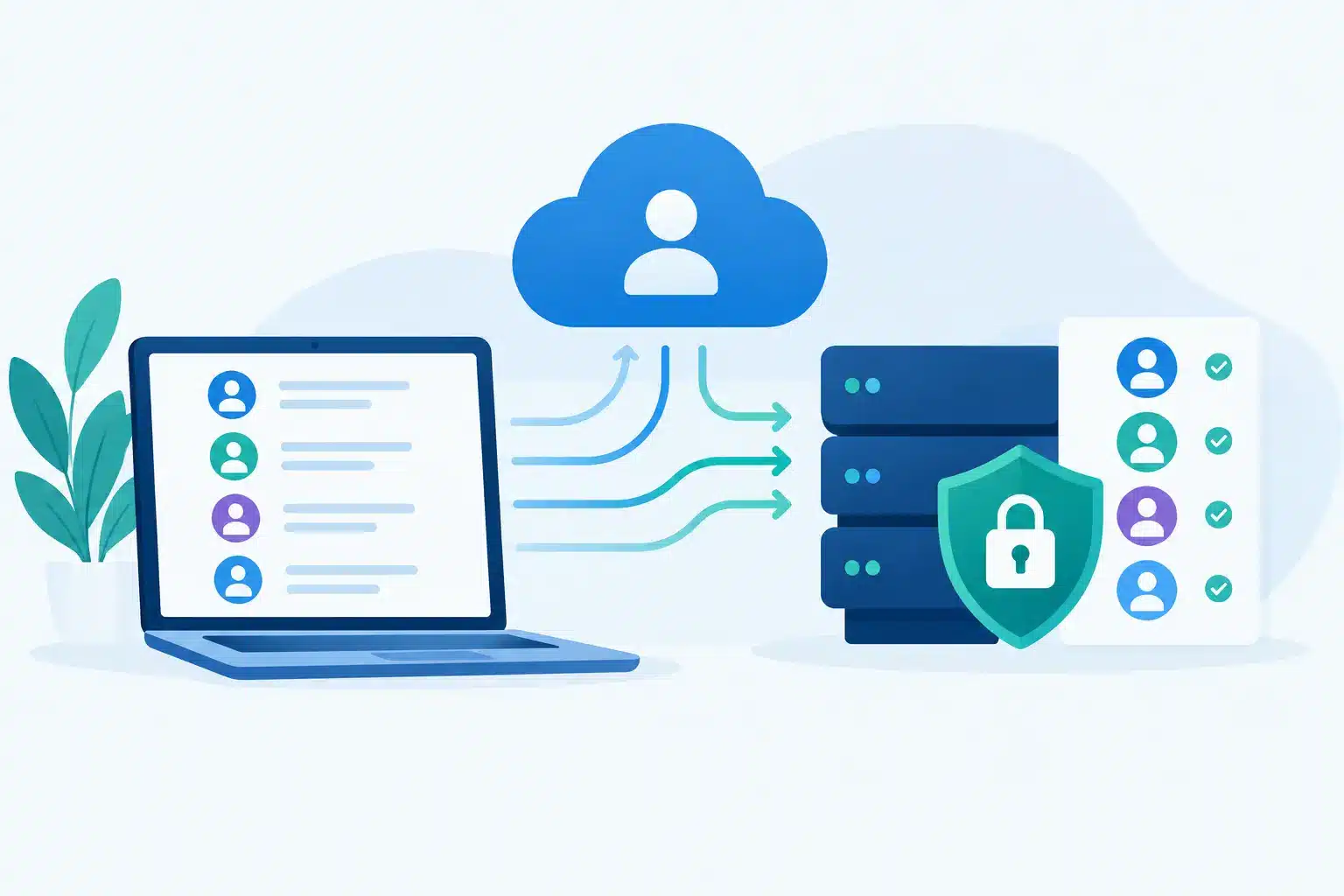
Traditional application logs were insufficient because they showed individual API calls without enough business context. The redesigned control model required a single traceable event chain: initiating user or system, agent identity, workflow run, requested action, target system, data object, decision or approval, result, and timestamp.
The organization centralized these events for monitoring and investigation. Security teams could identify failed authorization attempts, unexpected data access patterns, unusual request volumes, and attempts to reach unapproved tools or endpoints. Operations teams could also distinguish a model-quality problem from an access-control problem. That distinction matters. A poor recommendation may require tuning or process redesign; an unauthorized action requires security response.
The agent’s behavior was monitored alongside its credentials and permissions. Prompt injection, malicious document content, and tool misuse are not only model risks. They can become access risks when an agent is allowed to act on untrusted input. The control response included restricting tool access, validating workflow inputs, isolating document processing, and requiring approval before sensitive changes.
Governing the agent through its lifecycle
Access governance continued after deployment. The business owner attested that the agent remained necessary, the technical owner reviewed integrations and scopes, and security reviewed privileged or high-risk permissions. Changes to the agent’s model, tools, connectors, or operating purpose triggered a reassessment because each could alter the effective access risk.
The offboarding requirement was equally clear. If the use case ended, the organization had to disable the agent identity, revoke federated trust and credentials, remove access assignments, retain audit evidence, and confirm that no automation path could reactivate the agent without approval. Orphaned non-human identities are already a persistent enterprise problem. AI agents can multiply that problem quickly when experimentation is not governed.
What the case demonstrates
The most valuable outcome was not simply a more secure payment workflow. The organization established a repeatable operating pattern for AI agents: assign a unique identity, define a business purpose, constrain access by task and context, keep consequential actions behind appropriate approvals, and maintain evidence that supports investigation and audit.
This pattern applies beyond finance operations. HR service agents, healthcare scheduling agents, IT remediation agents, procurement assistants, and engineering automation all create the same central question: can the enterprise prove that the agent had the right access, used it for the right purpose, and stopped when its authority ended?
AI agents will increasingly act across systems that were designed for human and traditional machine access. Treat each agent as a governed identity before it reaches production, and the organization keeps automation aligned with the controls that protect critical access.