A certificate expires in production, an API stops authenticating, and a critical service goes dark. That is usually when teams start asking how to manage machine identities. By then, the issue is no longer theoretical. It is an operational failure with security implications, business impact, and a clear sign that identity controls have not kept pace with automation.
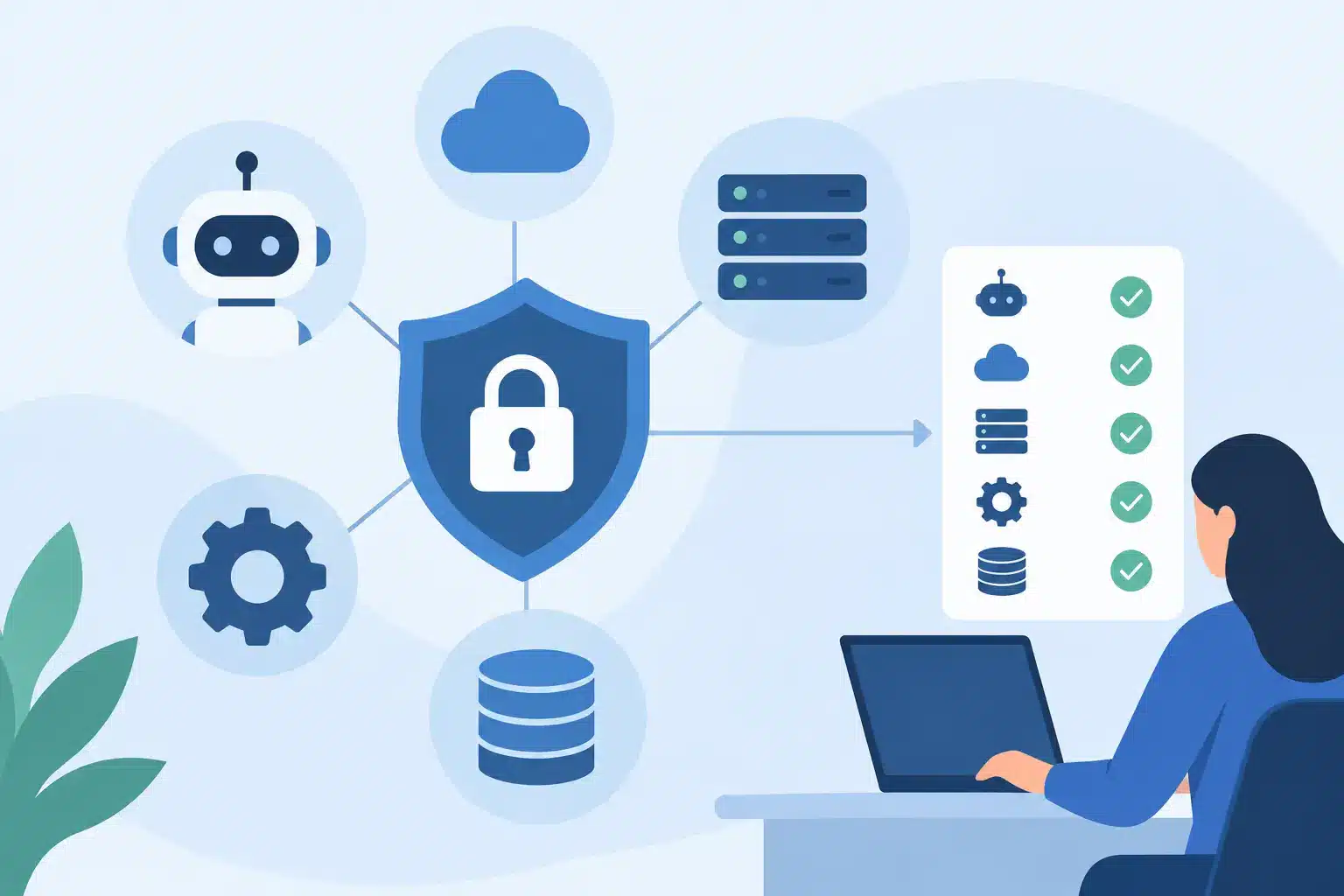
Machine identities now outnumber human identities by a wide margin across most enterprise environments. Workloads, containers, virtual machines, service accounts, applications, APIs, bots, and devices all need a way to prove who they are. That proof often takes the form of certificates, keys, tokens, or secrets. If those identities are not governed with the same discipline applied to workforce access, they become a blind spot attackers can exploit and operations teams struggle to maintain.
Managing them well is not about adding another isolated tool. It is about building control over issuance, usage, rotation, revocation, ownership, and monitoring across a fast-changing environment.
Why machine identity management is now a security priority
Most enterprises did not design their machine identity estate. They accumulated it. Cloud migration, DevOps pipelines, SaaS integration, Kubernetes adoption, and API-first application design all increased the number of non-human identities. Each new platform introduced its own methods for generating and storing credentials.
The result is usually fragmentation. Certificates are issued from multiple authorities. Secrets are hardcoded in scripts or hidden in CI/CD variables. Service accounts run for years with excessive access. Teams cannot answer basic governance questions such as who owns an identity, what it can access, when it expires, or whether it is still needed.
That creates two problems at once. The first is security exposure. Attackers increasingly target service principals, unmanaged keys, and poorly controlled certificates because they are less visible than human accounts and often more privileged. The second is operational instability. Expired or misconfigured machine identities can interrupt applications, break trust chains, and trigger avoidable outages.
How to manage machine identities as an operating model
If you want a durable answer to how to manage machine identities, start by treating them as an identity governance and security discipline, not a certificate cleanup exercise. The core objective is straightforward: every machine identity should be discoverable, attributable, policy-controlled, and monitored throughout its lifecycle.
That sounds simple, but execution depends on environment maturity. A heavily regulated enterprise with multiple certificate authorities, cloud providers, and legacy systems will need more structure than a cloud-native company starting from a smaller footprint. The principle is the same in both cases. Centralize control where you can, standardize where you must, and reduce exceptions over time.
Start with discovery and inventory
You cannot govern what you cannot see. Most machine identity programs fail early because the organization jumps straight to enforcement without establishing a reliable inventory.
Discovery should cover certificates, private keys, service accounts, API credentials, workload identities, secrets, and machine-to-machine trust relationships across on-premises and cloud environments. The goal is not just counting identities. It is understanding where they live, who owns them, what systems depend on them, what privileges they carry, and how they are renewed or rotated.
In practice, this is where many teams uncover the largest risks. You may find production certificates with no documented owner, long-lived service credentials embedded in code repositories, or duplicate issuance paths that bypass approved controls. Those issues are common, and they are exactly why inventory must come first.
Classify identities by risk and function
Not every machine identity needs the same level of control. A certificate securing a public-facing customer application should not be treated the same way as a short-lived internal workload identity used in a low-risk dev environment.
Classification helps teams apply the right controls without slowing down every use case. Useful classification factors include business criticality, privilege level, exposure to the internet, data sensitivity, environment, and lifespan. Once identities are grouped by risk, you can define where strong approval workflows, hardware-backed key protection, shorter validity periods, or tighter monitoring are required.
This is also where governance becomes practical. Security teams often lose support when policies are too broad to be usable. Risk-based classification keeps control aligned to real business impact.
Establish lifecycle control
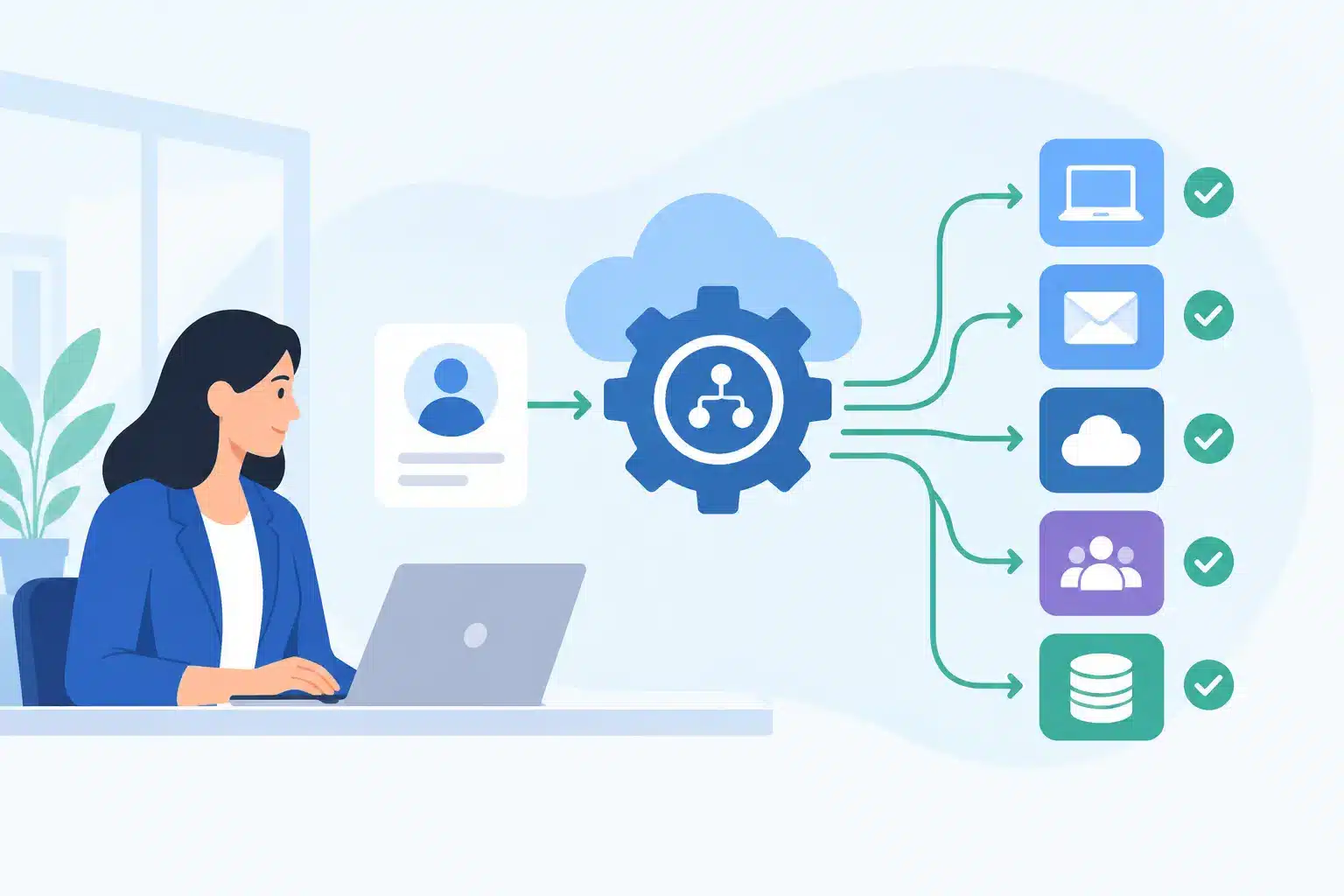
Machine identities should have the same lifecycle rigor as human identities, and in some cases more. That means standardized issuance, approved cryptographic policies, documented ownership, automated renewal, rapid revocation, and timely decommissioning.
Manual lifecycle management does not scale. It also creates inconsistency, which is where risk accumulates. One team rotates certificates every 90 days, another forgets to renew them for two years, and a third still uses shared secrets from a prior application release. Without common lifecycle controls, visibility alone will not reduce exposure.
Standardize issuance and renewal
Issuance should happen through approved workflows tied to policy. That includes defining accepted certificate authorities, key lengths, algorithms, naming standards, validity periods, and ownership metadata. When developers or infrastructure teams can generate credentials outside those controls, the organization loses trust in the environment.
Renewal should be automated wherever possible. Short-lived credentials are generally safer because they reduce the useful life of a compromised identity, but they only work if renewal is reliable. There is a trade-off here. Short validity periods improve security, yet they increase operational dependency on automation. If your renewal processes are immature, forcing aggressive rotation too early can create outage risk. Build the automation first, then tighten the intervals.
Revoke and retire aggressively
Unused machine identities are not harmless leftovers. They are standing access paths. If a workload is decommissioned, its associated certificates, keys, secrets, and service accounts should be removed promptly.
Revocation also needs to be realistic. Many organizations document revocation procedures but cannot execute them quickly when an incident occurs. If a key is exposed or a service account is abused, delays matter. Mature programs test revocation and replacement the same way they test backup and recovery.
Reduce privilege and strengthen trust boundaries
A machine identity should have only the access required for its function. That principle is easy to state and harder to maintain, especially when service accounts are created quickly to keep projects moving.
Overprivileged non-human accounts are a common attack path because they often escape the controls applied to workforce identities. They may not use MFA, they may not appear in periodic access reviews, and they are frequently shared across systems or teams.
Apply least privilege to service accounts, workload identities, and application-to-application access. Segment permissions by environment and role. Avoid static shared credentials when federated or short-lived identity methods are available. Where privileged access is necessary, treat it with the same scrutiny you would apply to administrator access for people.
Monitor for misuse, not just expiration
Many machine identity programs stop at expiration alerts. That is necessary, but it is not enough. Effective control also requires monitoring for unusual issuance patterns, unauthorized changes, failed authentication spikes, abnormal use of service accounts, and secrets accessed from unexpected locations or workloads.
This is where machine identity management intersects with broader IAM, PAM, and security operations. A certificate issued outside policy, a service account authenticating from a new geography, or an application key suddenly used at a much higher rate can signal compromise or control failure. Those signals need to feed operational response, not sit in a dashboard no one owns.
Align ownership across security, infrastructure, and engineering
Machine identities sit across organizational boundaries. Security may define policy, infrastructure may run core platforms, and engineering teams may generate and consume credentials in applications and pipelines. If ownership is vague, controls break down.
The strongest model is shared execution with clear accountability. Security sets policy and assurance requirements. Platform and infrastructure teams implement approved services and automation. Application owners remain accountable for the identities their systems depend on. Governance should define those roles explicitly, along with escalation paths for exceptions and incidents.
This is often the deciding factor between a program that works and one that becomes shelfware. Technology helps, but operating discipline is what keeps machine identities under control at scale.
Where organizations usually get stuck
The biggest challenge is not understanding the problem. It is untangling years of decentralized growth without disrupting production. Legacy applications may rely on static credentials. Business units may run separate PKI environments. DevOps teams may resist controls that slow releases.
That is why the right approach is usually phased. Start with visibility and high-risk use cases. Then standardize lifecycle processes for critical environments, reduce exceptions, and extend governance into cloud-native and automated delivery pipelines. A big-bang cleanup rarely survives contact with enterprise reality.
For organizations with complex environments, external expertise can accelerate this work, especially when the goal is to integrate certificate lifecycle management, IAM, PAM, and governance into one operating model. IDENT1TY approaches this as a control problem first and a tooling problem second, which is the right order for long-term resilience.
Machine identities will continue to grow faster than most teams expect. The organizations that stay ahead are not the ones with the most tools. They are the ones that establish visibility, ownership, policy, and lifecycle discipline before failure forces the issue.