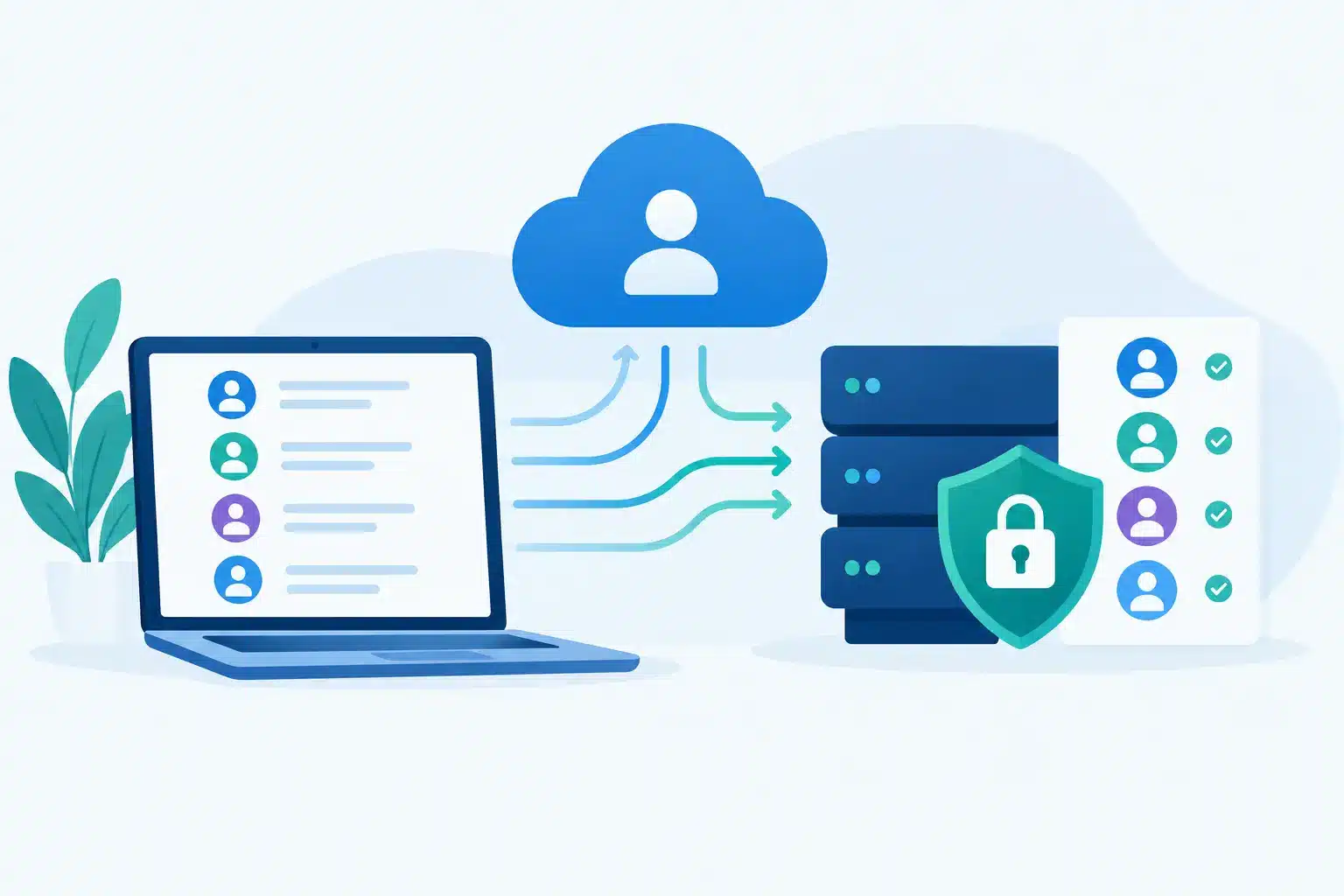
A failed identity migration does not simply create bad records. It can lock out clinicians from care systems, leave former employees with active access, break production automation, or remove the evidence needed for an audit. This identity data migration guide focuses on the controls that keep access secure while identity data moves between directories, IAM platforms, IGA tools, PAM vaults, and certificate management systems.
Identity migrations are often treated as technical conversion projects. That is a mistake. They are security and operational continuity projects with a data component. The objective is not to move every field from one platform to another. The objective is to establish accurate identities, appropriate access, accountable ownership, and reliable lifecycle controls in the target environment.
Treat Migration as an Access Control Change
A migration changes how the organization determines who can access what, under which conditions, and with what evidence. That makes it a material change to the access control environment. Security, infrastructure, HR, application owners, compliance, and service desk teams all have a stake in the outcome.
Start by defining the business event behind the migration. A cloud consolidation, merger, IAM modernization, PAM deployment, directory replacement, or governance rollout will each create different priorities. A PAM migration may center on privileged credential continuity and session accountability. An IGA migration may center on authoritative sources, birthright access, certifications, and segregation-of-duties rules. A certificate lifecycle migration requires a complete view of machine identities, issuance processes, ownership, and renewal dependencies.
Do not let the legacy platform define the target-state design. Legacy data frequently contains years of exceptions, duplicate accounts, inactive identities, direct entitlements, and undocumented service dependencies. Moving those conditions intact transfers the risk along with the data.
Identity Data Migration Guide: Establish Scope and Ownership
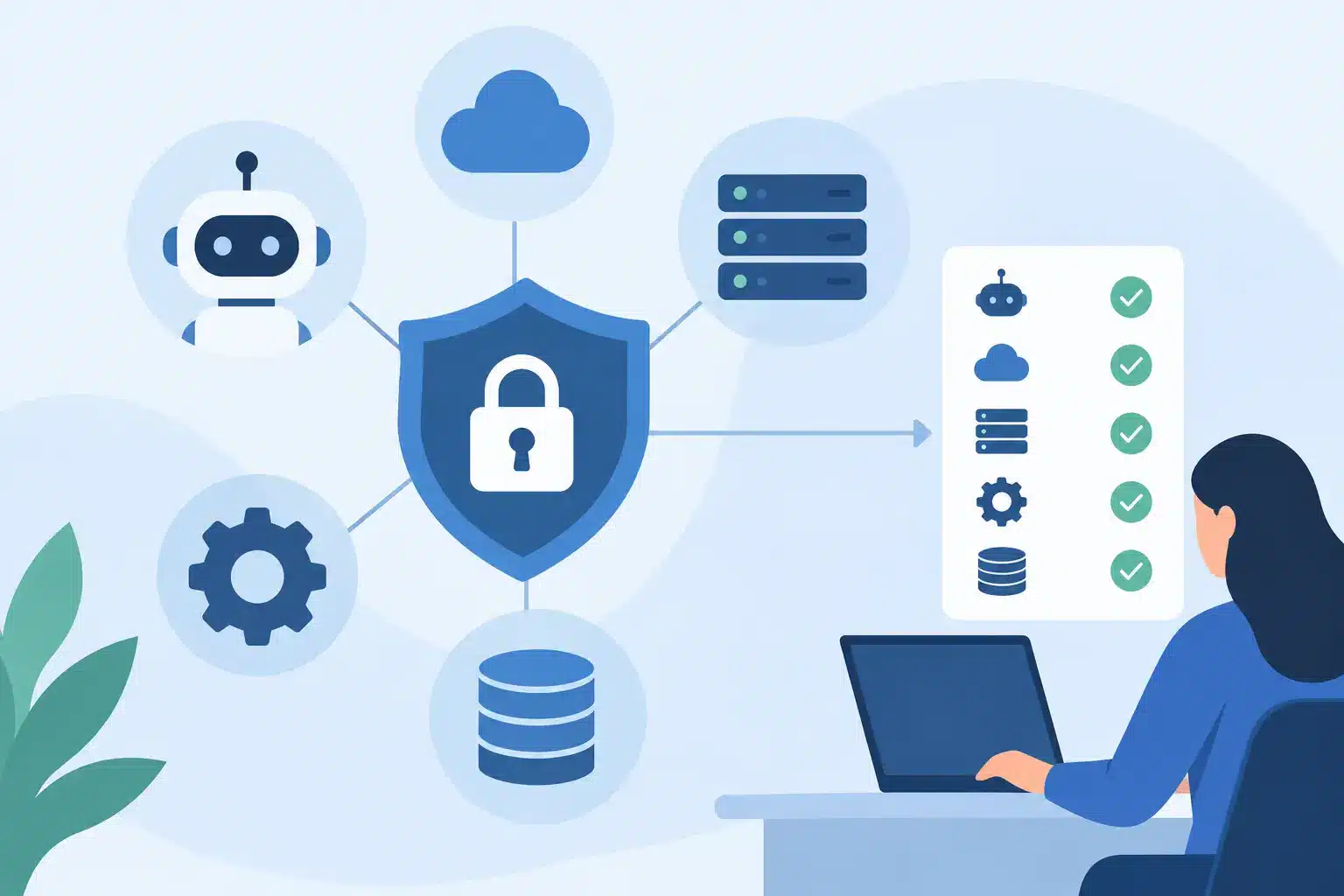
Before mapping a single attribute, build an identity inventory that distinguishes human users, contractors, partners, administrators, service accounts, APIs, certificates, workload identities, and AI agents where applicable. Each identity class has different lifecycle events, owners, authentication methods, and acceptable migration paths.
The inventory should identify every authoritative source and consuming system. For example, HR may be authoritative for employees, a vendor management platform for contractors, and an application database for certain external users. The migration team must understand which source creates the identity, which systems enrich it, and where access decisions are made.
Ownership is the control that prevents ambiguity during cutover. Assign a named owner for source data quality, target data design, application validation, privileged access, exceptions, and rollback approval. A broad statement that “IT owns migration” is not sufficient when an access defect affects a regulated application or production environment.
Establish clear rules for records that do not meet target requirements. Examples include accounts without managers, identities with duplicate email addresses, privileged accounts with no accountable owner, and certificates whose business purpose is unknown. These should enter a controlled remediation queue, not be silently imported.
Design the Target Model Before Building Mappings
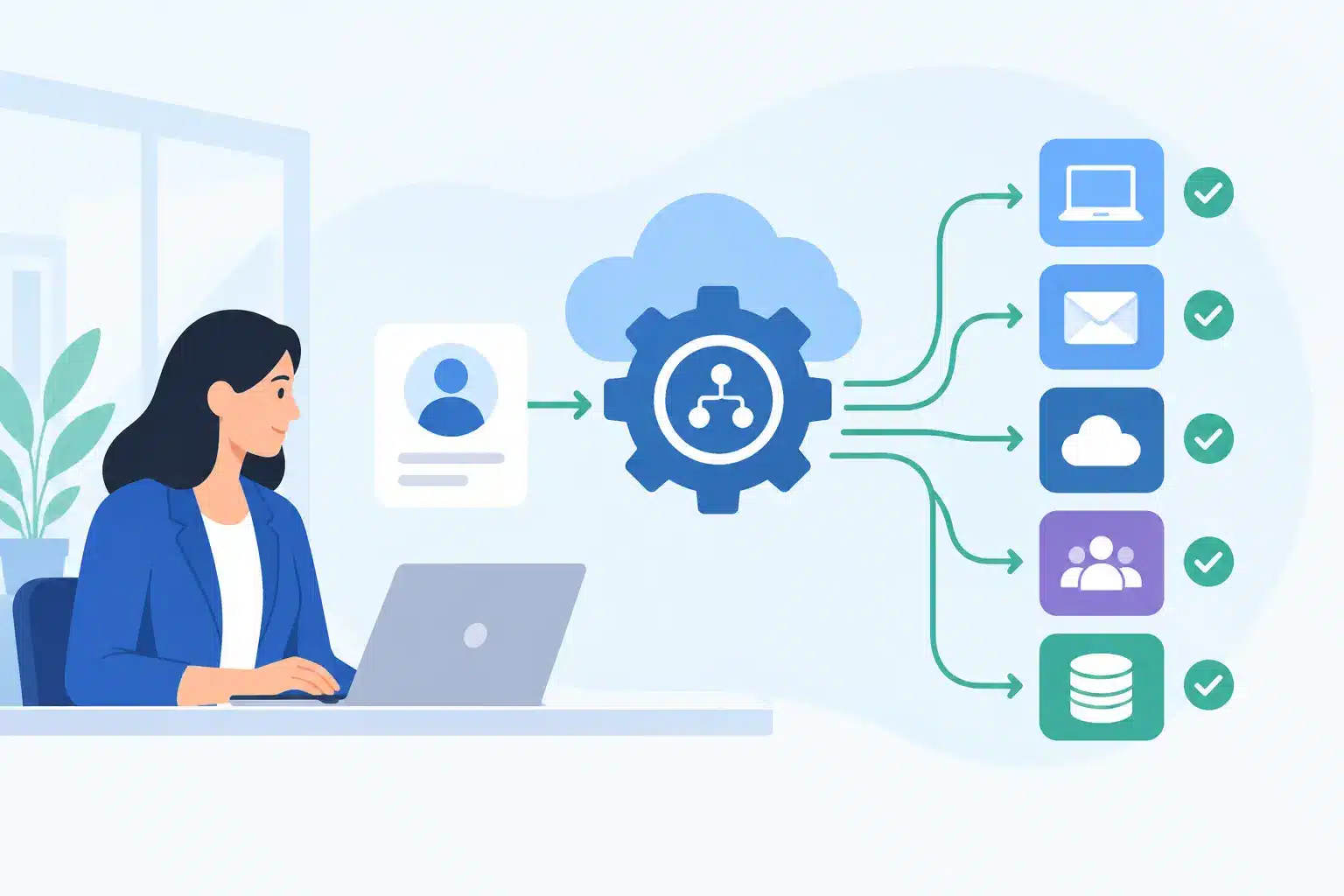
Data mapping is more than matching one attribute name to another. It determines whether the target platform can reliably enforce policy. Define the target identity model first: unique identifier, legal name, preferred name, email, employment type, department, manager, location, status, start and end dates, and other attributes required for access decisions.
For each attribute, document its source, transformation logic, permitted values, data classification, refresh frequency, and owner. If department drives access, for example, an inconsistent department value becomes an access control issue rather than a cosmetic data defect.
Entitlements need the same discipline. Directly assigned permissions from the legacy environment should not automatically become directly assigned permissions in the new platform. Determine whether each entitlement belongs in a role, an access package, a privileged access workflow, or a documented exception. This work takes time, but it reduces the operational burden that follows a rushed migration.
Authentication data requires special handling. Password hashes, MFA enrollment, recovery factors, and device trust signals may not be portable across platforms. When they cannot be migrated, plan a controlled registration or reset process with clear user communications and service desk readiness. Convenience matters, but weakening authentication requirements during transition creates an avoidable exposure window.
Clean and Reconcile Data Before Cutover
Data cleansing should begin early, not during the final migration weekend. Normalize identifiers, resolve duplicate identities, remove dormant accounts according to policy, and validate manager relationships. Reconcile active worker populations against HR records and active privileged accounts against approved administrative inventories.
Use measurable acceptance criteria. The target tenant should not be considered ready because the import completed successfully. It should meet thresholds for identity matching, required attribute completion, entitlement reconciliation, and exception closure. The thresholds vary by environment, but they must be agreed upon before testing begins.
A useful control is a reconciliation report that compares source and target populations at each migration stage. It should identify identities created, updated, disabled, excluded, unmatched, and failed. For privileged, service, and machine identities, the report should also capture owner, purpose, scope, and last-use information. This creates a traceable record for security review and audit evidence.
Migrate in Controlled Waves
Large-bang cutovers create unnecessary risk unless the environment is unusually simple. In most enterprise programs, controlled waves provide better visibility and a more credible rollback option. Begin with a low-risk population or noncritical application group, then use the results to refine mappings, communications, support procedures, and monitoring.
Run source and target controls in parallel only where the design supports it. Parallel operation can reduce disruption, but it can also produce conflicting lifecycle events and duplicate provisioning. Define which system is authoritative during each stage. If HR terminates a worker during the transition, the organization must know exactly which platform disables access and how that action is verified across downstream applications.
Cutover sequencing matters most for privileged and nonhuman identities. A service account migration that changes a credential, vault reference, certificate, or group membership can interrupt production workloads. Build dependency maps, schedule changes in approved maintenance windows, and validate the application transaction rather than merely confirming that the account exists in the target platform.
Test Access Paths, Not Just Data Records
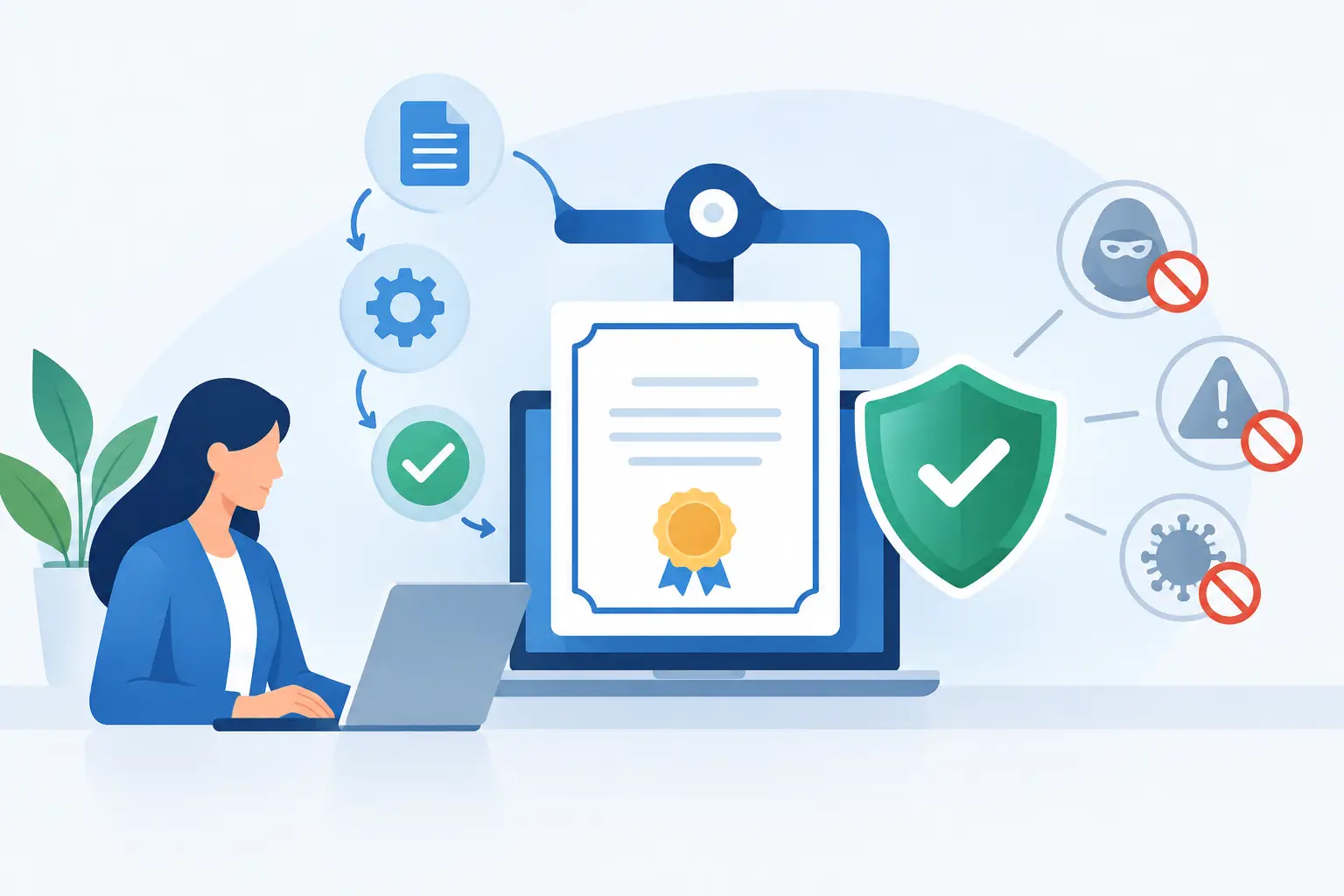
A migration test that confirms 10,000 records loaded is incomplete. Test the access path from lifecycle event to authentication, authorization, logging, review, and removal. The question is not whether the identity appears in the new platform. The question is whether the right person or workload can perform the right action and whether the organization can prove it.
Test scenarios should include at least these distinct conditions:
- A new employee receives required baseline access and no unapproved elevated access.
- A transferred employee loses previous department access while receiving approved new access.
- A terminated user is disabled across identity providers, critical applications, and privileged systems within the required time.
- A privileged administrator can request, use, and have elevated access recorded according to policy.
- A service or machine identity continues to authenticate after its credential or certificate is moved, rotated, or reissued.
Include negative testing. Attempt access with an inactive account, an expired contractor identity, a user missing required MFA, and an administrator outside an approved privileged access window. Negative results often reveal gaps that record-level migration tests will miss.
Build a Cutover Plan That Assumes Exceptions
Every cutover needs a documented go/no-go decision, a rollback threshold, and an exception process. Define the decision makers, the evidence they require, and the conditions that stop the migration. A failed authentication rate, unresolved privileged account issue, missing audit logs, or unacceptable application impact may each justify a pause.
The rollback plan must be executable, not aspirational. Confirm whether source accounts remain active, how changes made during the migration are captured, how new identities are handled, and how access changes are reconciled if the target system is rolled back. Test the rollback procedure during a rehearsal whenever the environment is business-critical.
Prepare the service desk with identity-specific runbooks. They need to recognize whether a user issue is caused by source data, target provisioning, MFA enrollment, application authorization, or a stale session. A generic incident queue will slow recovery and obscure migration trends.
Sustain Governance After Go-Live
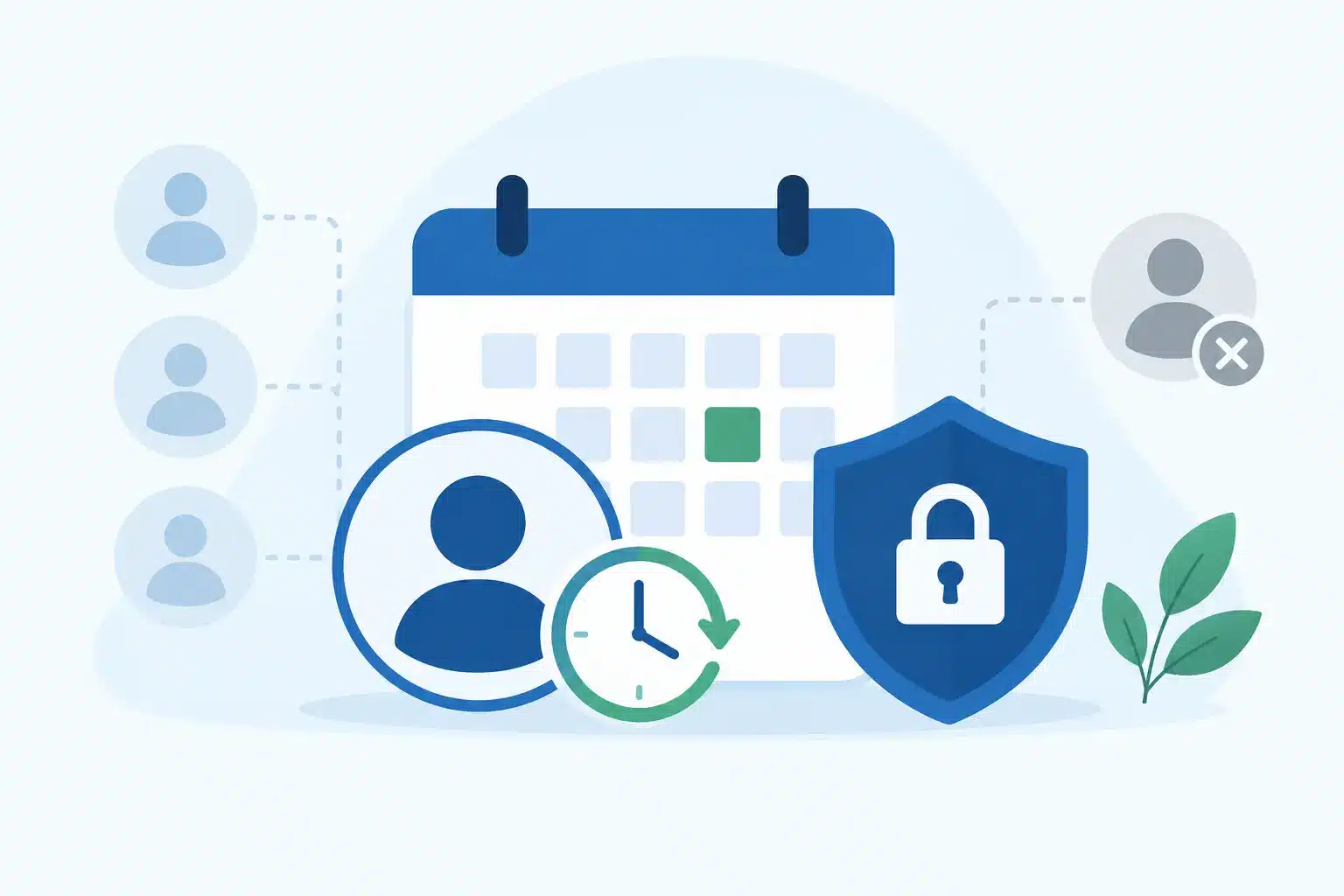
Migration completion is the start of the operating model. Establish monitoring for provisioning failures, orphaned accounts, privileged access anomalies, certificate expiration risk, inactive service identities, and policy exceptions. Review metrics with the same discipline applied to other critical security controls.
Access reviews should validate that migrated entitlements remain appropriate as organizational structures change. Identity governance is particularly valuable after a migration because it exposes access that was technically transferred but never justified in the target design.
For complex programs, an experienced identity partner can challenge assumptions that internal teams may accept as normal legacy behavior. IDENT1TY approaches migration as a controlled identity security program: assess the current state, design the target controls, execute staged deployment, and support the operating model after launch.
The strongest migration outcome is not a clean import report. It is a security team that can answer, with confidence, who has access, why they have it, who approved it, and how quickly that access can be changed when risk or business conditions shift.