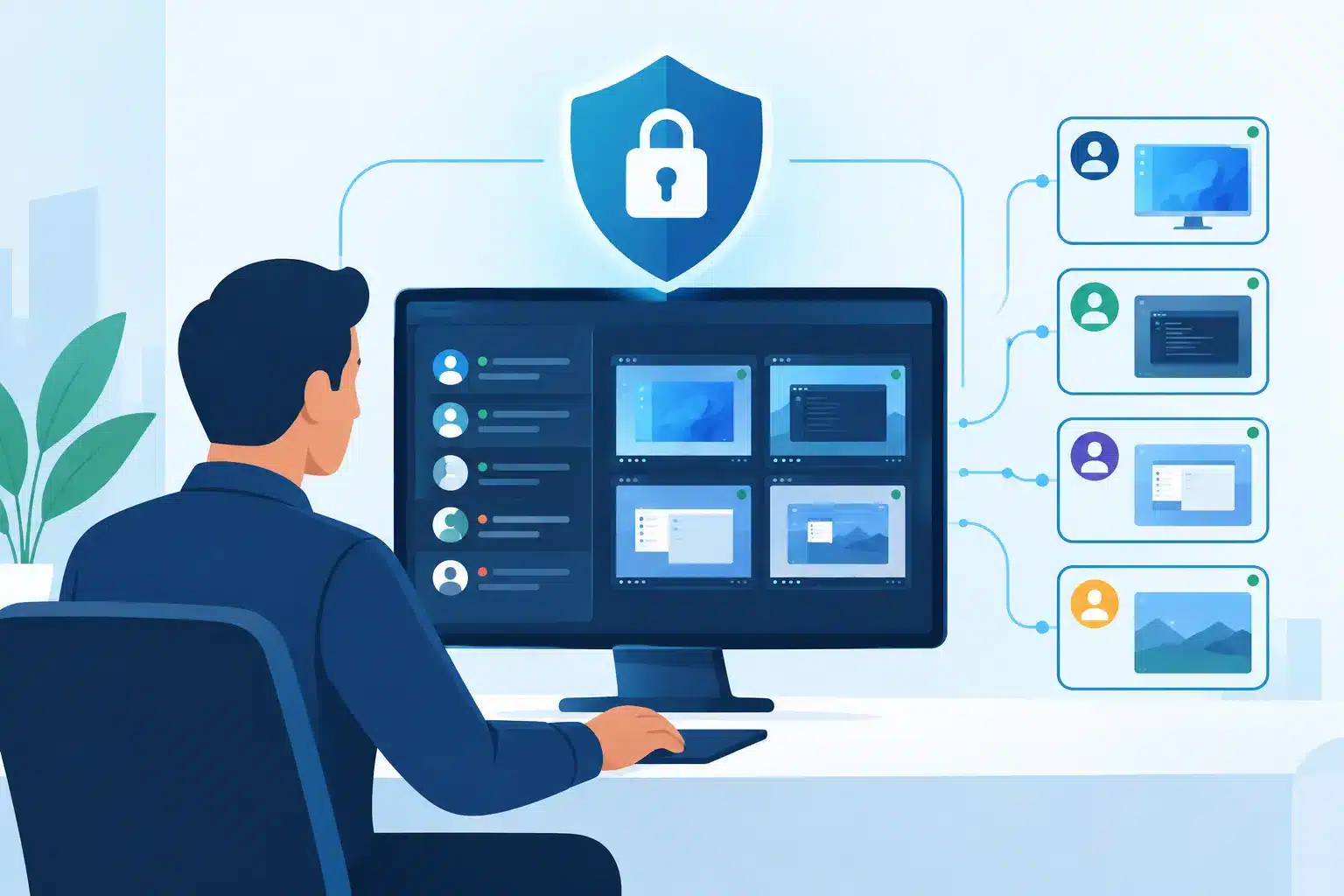
A certificate expires at 2:00 a.m. on a payment gateway, clinical application, VPN concentrator, or production API. The outage is visible immediately. The cause is not. That is why a certificate lifecycle management guide must address more than renewal reminders. It must establish control over the machine identities, trust relationships, and operating processes that keep critical services available.
For enterprise security teams, certificates are no longer a narrow PKI responsibility. They secure workloads, devices, service-to-service connections, cloud resources, code signing, and customer-facing applications. As certificate volumes grow and validity periods tighten, manual tracking becomes an operational risk. A disciplined Certificate Lifecycle Management program turns that risk into a governed capability.
What Certificate Lifecycle Management Must Control
Certificate Lifecycle Management, or CLM, governs a digital certificate from discovery and request through issuance, deployment, monitoring, renewal, revocation, and retirement. The objective is clear: every certificate should be known, attributable, compliant with policy, and renewed or revoked before it creates a security or availability event.
The lifecycle is broader than the certificate authority. A CA can issue certificates, but it does not necessarily know where every certificate is installed, which application owner depends on it, whether its key is protected correctly, or whether a replacement certificate was deployed successfully. Those gaps are where outages and unmanaged trust accumulate.
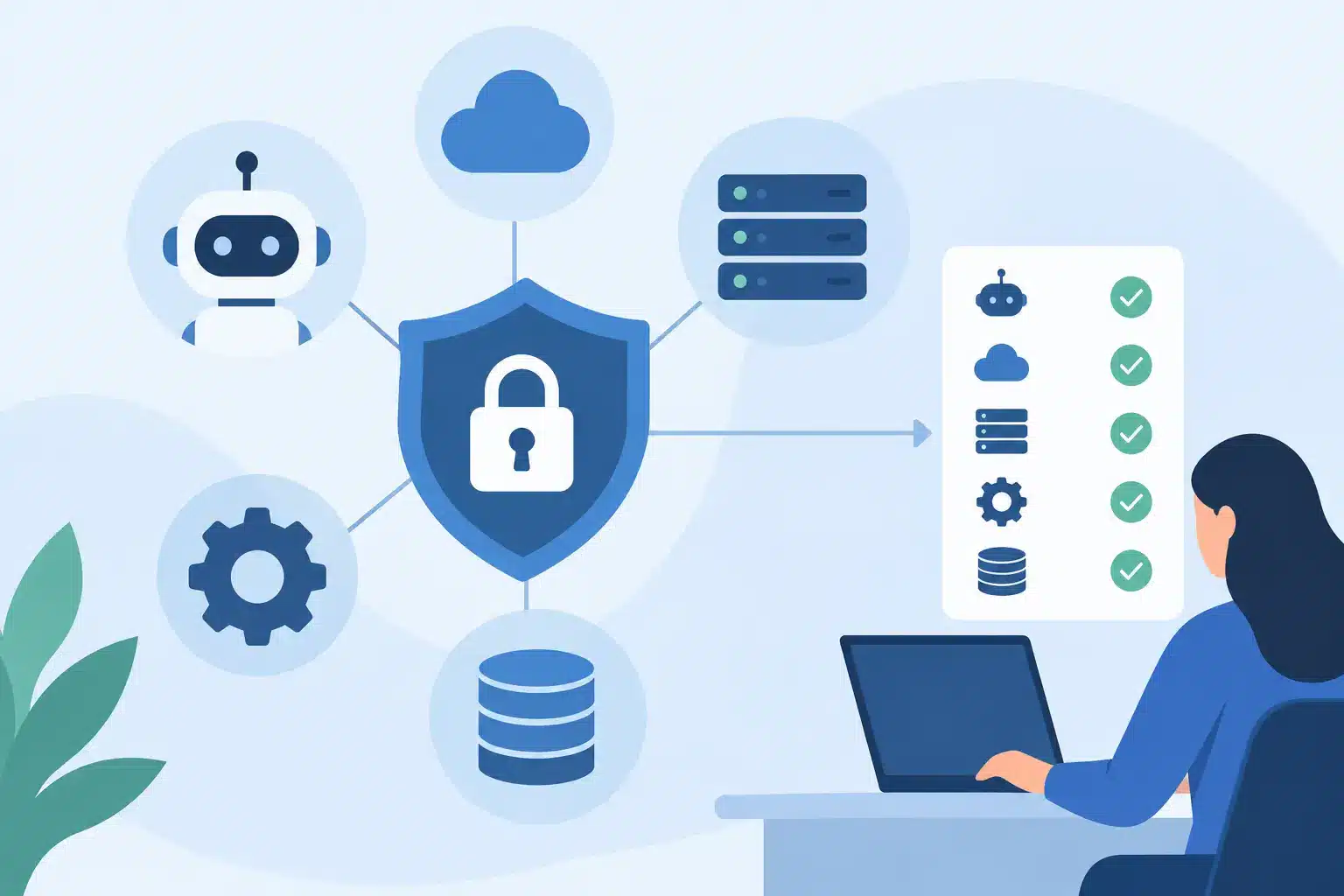
An effective program connects PKI operations with infrastructure, cloud, application, DevOps, security operations, and governance teams. It defines who owns a certificate, which issuance path is approved, how private keys are handled, and what happens when a certificate approaches expiration or becomes compromised.
Start With Discovery, Not Automation
Automation is valuable only after the organization understands what it is automating. Many enterprises begin with a renewal tool and then discover that the certificate inventory is incomplete, duplicate records exist across teams, and business owners are missing. That approach moves work faster without creating control.
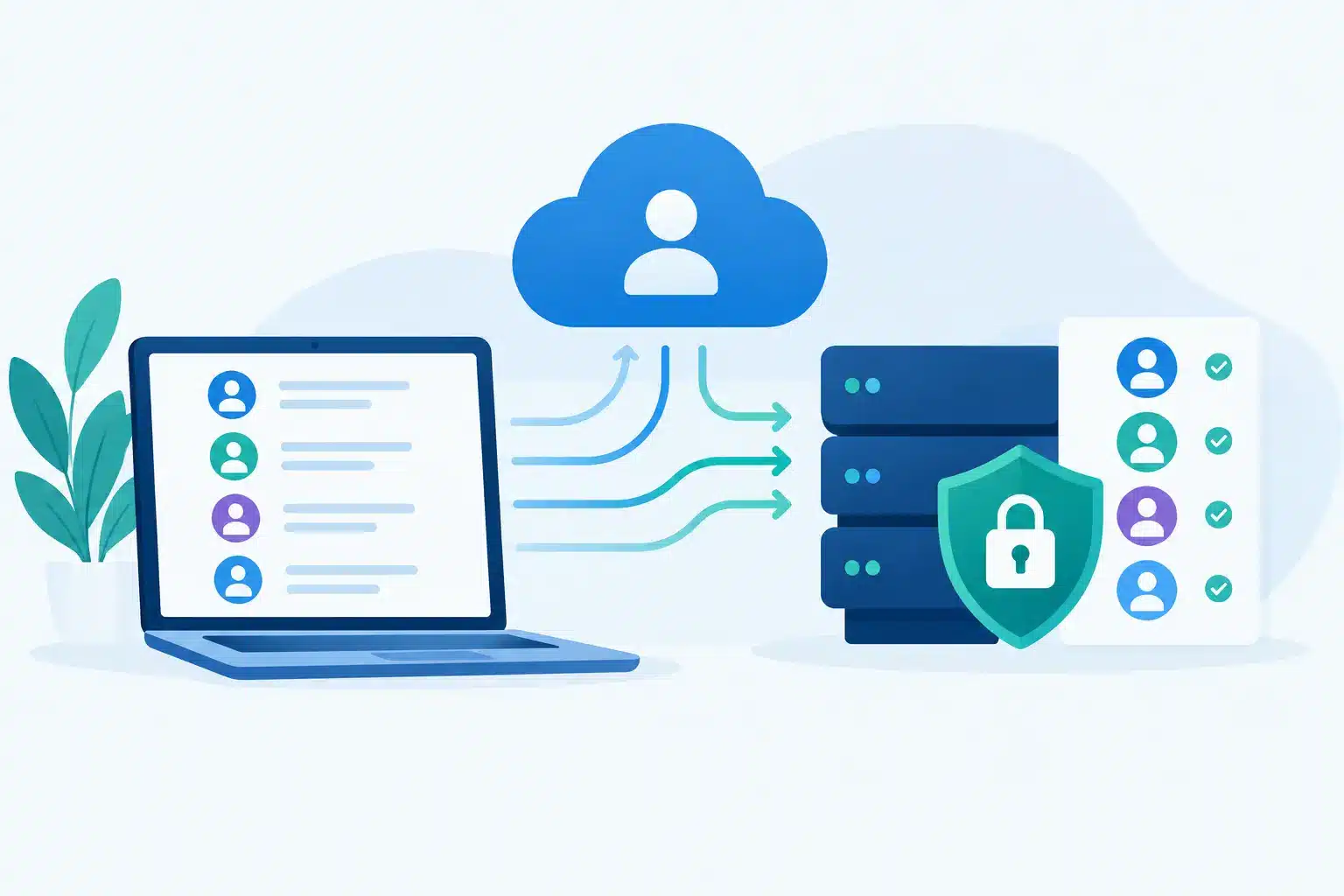
Discovery should identify certificates across public-facing domains, internal web servers, load balancers, Kubernetes clusters, cloud platforms, VPNs, network appliances, databases, endpoints, code-signing systems, and CI/CD pipelines. The inventory should include not only the certificate but also its certificate authority, serial number, issuing chain, expiration date, cryptographic algorithm, key location, installation point, owner, environment, and business criticality.
This work requires more than a one-time scan. Dynamic cloud environments create and remove workloads continuously. Development teams may issue certificates through separate tooling. Acquisitions can introduce unknown PKI instances and legacy appliances. Continuous discovery is the control that keeps the inventory aligned with the production environment.
A practical first milestone is identifying certificates that create the highest operational exposure: externally trusted certificates, certificates supporting critical applications, certificates expiring within 90 days, and certificates with no accountable owner. These findings provide an immediate remediation queue while the broader program is being built.
Assign Ownership That Can Act
A certificate record without an owner is an unresolved incident waiting for a deadline. Ownership needs to be specific enough that the responsible team can approve, deploy, test, and replace the certificate when required.
Most organizations need three distinct roles. The service owner understands business impact and approves the trust requirement. The technical owner manages the application, host, or platform where the certificate is deployed. The PKI or security owner defines policy, approved authorities, cryptographic standards, and exception handling. In smaller environments, one team may hold multiple roles. The accountability still needs to be documented.
Ownership should not rely solely on an individual mailbox or a spreadsheet maintained by one administrator. Tie ownership to an application or service record, a support group, and an escalation path. When personnel change or a service moves to a new platform, the lifecycle record must move with it.
Build a Certificate Lifecycle Management Policy
A certificate lifecycle management policy gives administrators a repeatable decision framework. It should define which certificate authorities and templates are approved, who can request certificates, permitted key types and sizes, maximum validity periods, renewal windows, private-key storage requirements, and revocation procedures.
Policy must account for different trust models. Public TLS certificates, internal enterprise certificates, device certificates, and code-signing certificates have different exposure levels and operating requirements. A single, overly rigid workflow can slow teams down and encourage workarounds. Too many exceptions, however, create fragmented trust and weak auditability.
For example, a short-lived certificate may reduce long-term key exposure and simplify rotation, but it demands dependable automation. A longer-lived certificate may be necessary for a legacy device that cannot support frequent renewal, but it should receive tighter monitoring and a documented migration plan. The right standard depends on the system’s technical constraints and business criticality.
The policy should also address private keys explicitly. Certificate governance without key governance is incomplete. Define when keys must be generated locally, when hardware security modules or cloud key-management services are required, how export is restricted, and how compromised keys trigger revocation and replacement.
Automate Issuance and Renewal Where Failure Is Costly
Automation should focus first on systems where manual deployment creates the greatest risk: high-volume environments, customer-facing services, short-validity certificates, and platforms that can integrate with approved enrollment protocols or APIs.
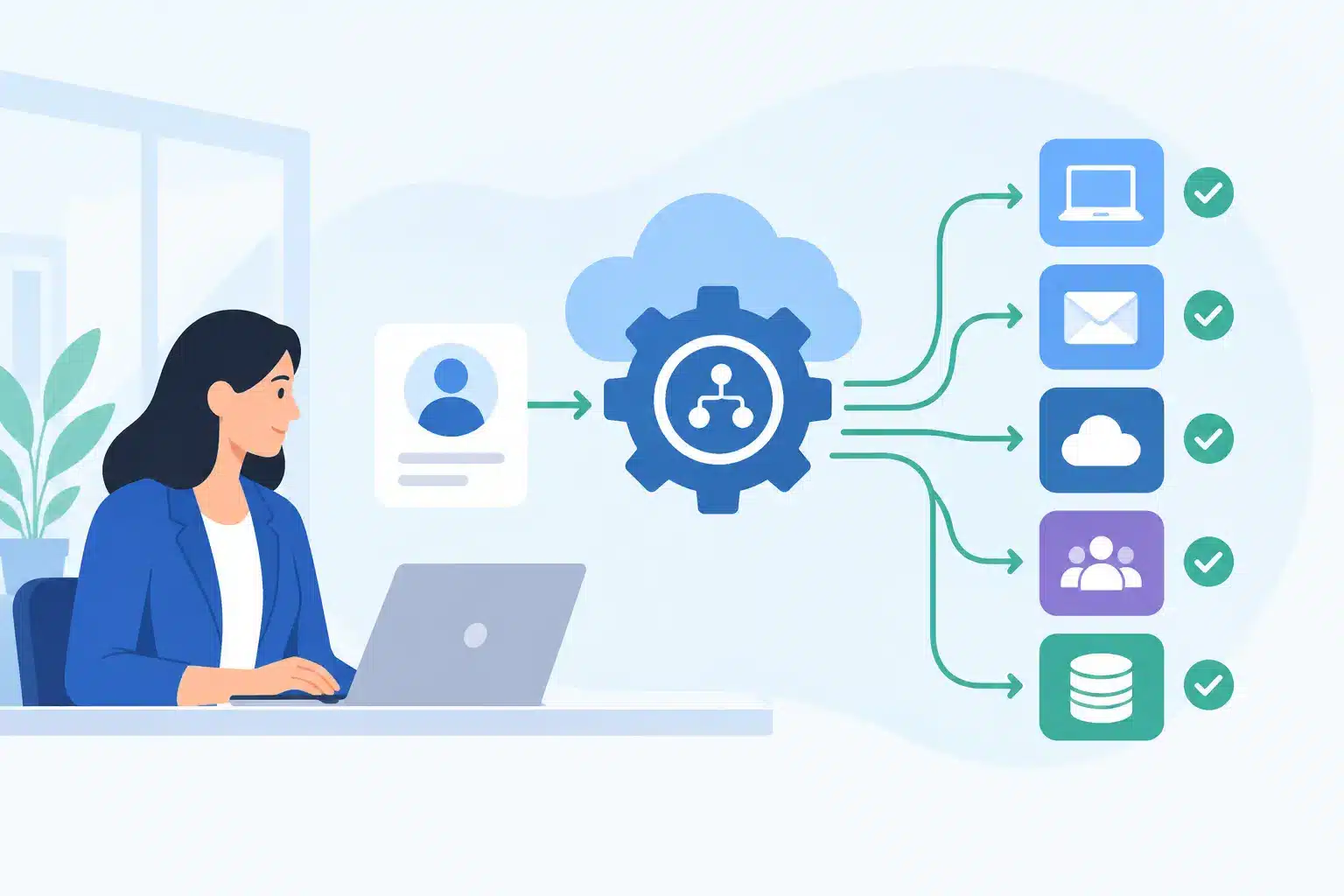
A mature workflow validates the request, applies the correct certificate profile, issues the certificate, deploys it to the target environment, verifies installation, and records the result in the inventory. Renewal should begin early enough to allow for failed deployments, change windows, and application testing. A certificate that has been renewed at the CA but not installed on the service is not a successful renewal.
DevOps teams should be able to consume certificates through controlled self-service patterns. This does not mean unrestricted issuance. It means developers receive approved templates, policy-driven access, automated deployment options, and visibility into certificate status without opening manual tickets for every routine request.
Not every environment can be automated immediately. Legacy applications, specialized industrial devices, and some third-party managed services may require manual steps. Treat these as managed exceptions. Document the procedure, assign a named owner, establish earlier renewal thresholds, and review whether the exception remains justified.
Monitor the Lifecycle, Not Just Expiration Dates
Expiration alerts are necessary, but they are only one signal. Monitoring should show whether certificates are deployed correctly, whether their chains are trusted, whether they use approved algorithms, whether keys are nearing policy limits, and whether unauthorized certificates have appeared.
Operational dashboards should distinguish between inventory health and service health. Inventory health answers whether all certificates have owners, classifications, and valid lifecycle states. Service health answers whether critical endpoints are presenting the correct certificate and chain to the systems that depend on them.
Measure outcomes that security and operations leaders can act on. Useful measures include the percentage of certificates with assigned ownership, certificates renewed before the defined threshold, unauthorized or unapproved CA usage, certificates discovered outside the system of record, failed automated deployments, and mean time to revoke and replace a compromised certificate.
These metrics expose whether CLM is reducing risk or simply producing notifications. They also make it easier to demonstrate control to auditors in regulated environments where evidence of ownership, approval, key protection, and timely renewal matters.
Plan for Revocation and Cryptographic Change
Renewal is predictable. Revocation is not. A compromised private key, misissued certificate, departing third party, or vulnerable algorithm can force immediate action. The organization needs a tested process to identify affected services, revoke the certificate, issue replacements, deploy them safely, validate trust, and communicate business impact.
This process should be rehearsed for critical certificate classes. A revocation runbook that has never been tested can fail under pressure, especially when dependencies are unclear. Include change authority, emergency contacts, rollback steps, and verification criteria.
Cryptographic change requires the same discipline. Algorithm deprecation, shorter certificate validity periods, new CA requirements, and post-quantum planning will affect certificate estates unevenly. A complete inventory and consistent issuance policy make these transitions manageable. Without them, teams are forced into emergency remediation across unknown systems.
Make CLM an Operating Capability
Certificate Lifecycle Management works best when it is operated as part of identity security, not treated as a side project owned by a single infrastructure team. Machine identities increasingly outnumber human identities, and each certificate is a statement of trust that must be governed throughout its useful life.
The practical path is to establish visibility, assign accountable ownership, define policy, automate the highest-risk workflows, and measure the gaps that remain. IDENT1TY helps organizations turn fragmented certificate operations into a controlled lifecycle that supports both security resilience and service continuity.
The next certificate expiration should be a routine operational event, not the first warning that critical trust was unmanaged.