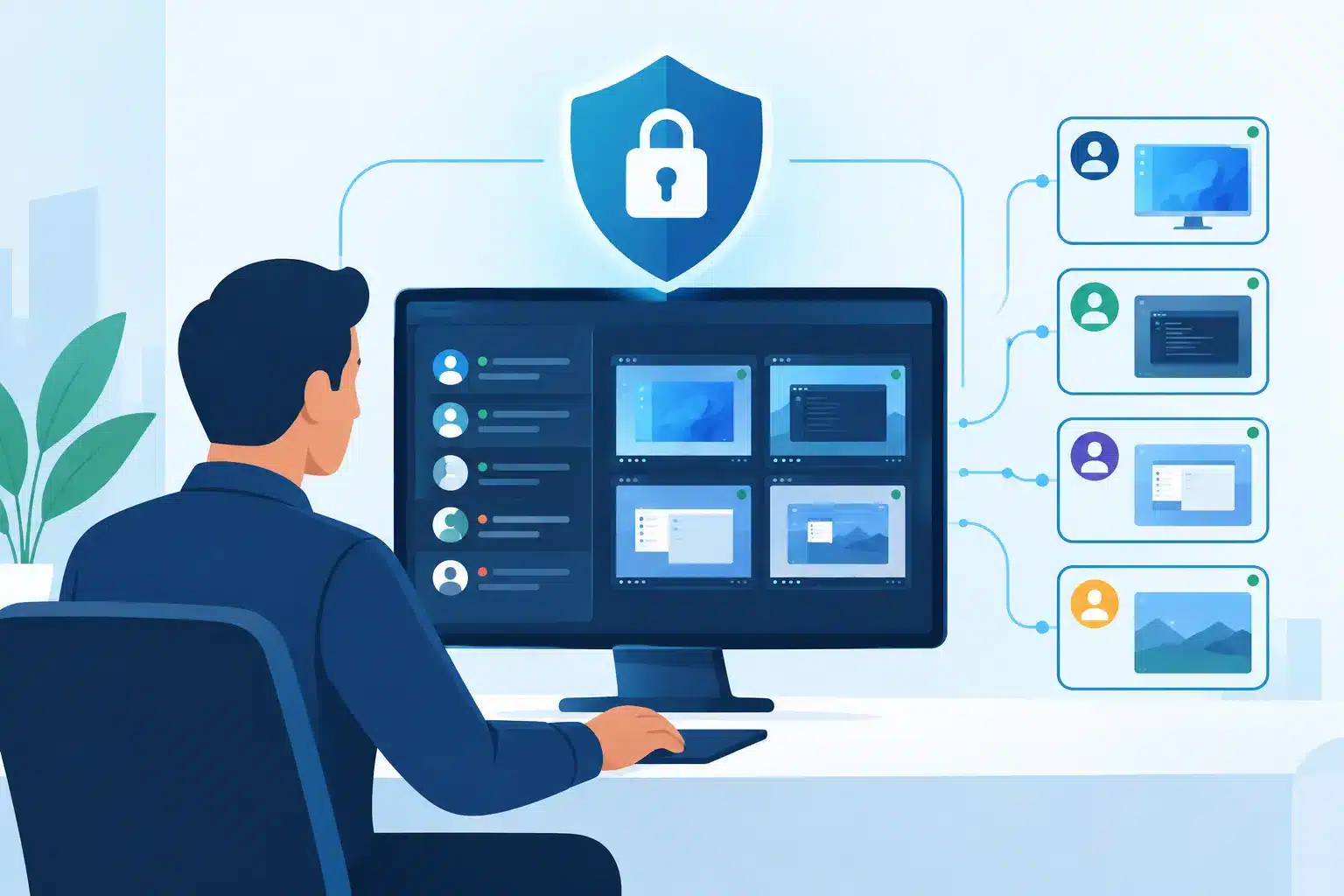
A privileged session can change a firewall rule, disable endpoint protection, alter a production database, or create a new administrator account in minutes. The challenge is not simply to monitor privileged user sessions. It is to establish enough control and evidence to detect misuse, investigate incidents, and satisfy auditors without forcing administrators into slow, unworkable processes.
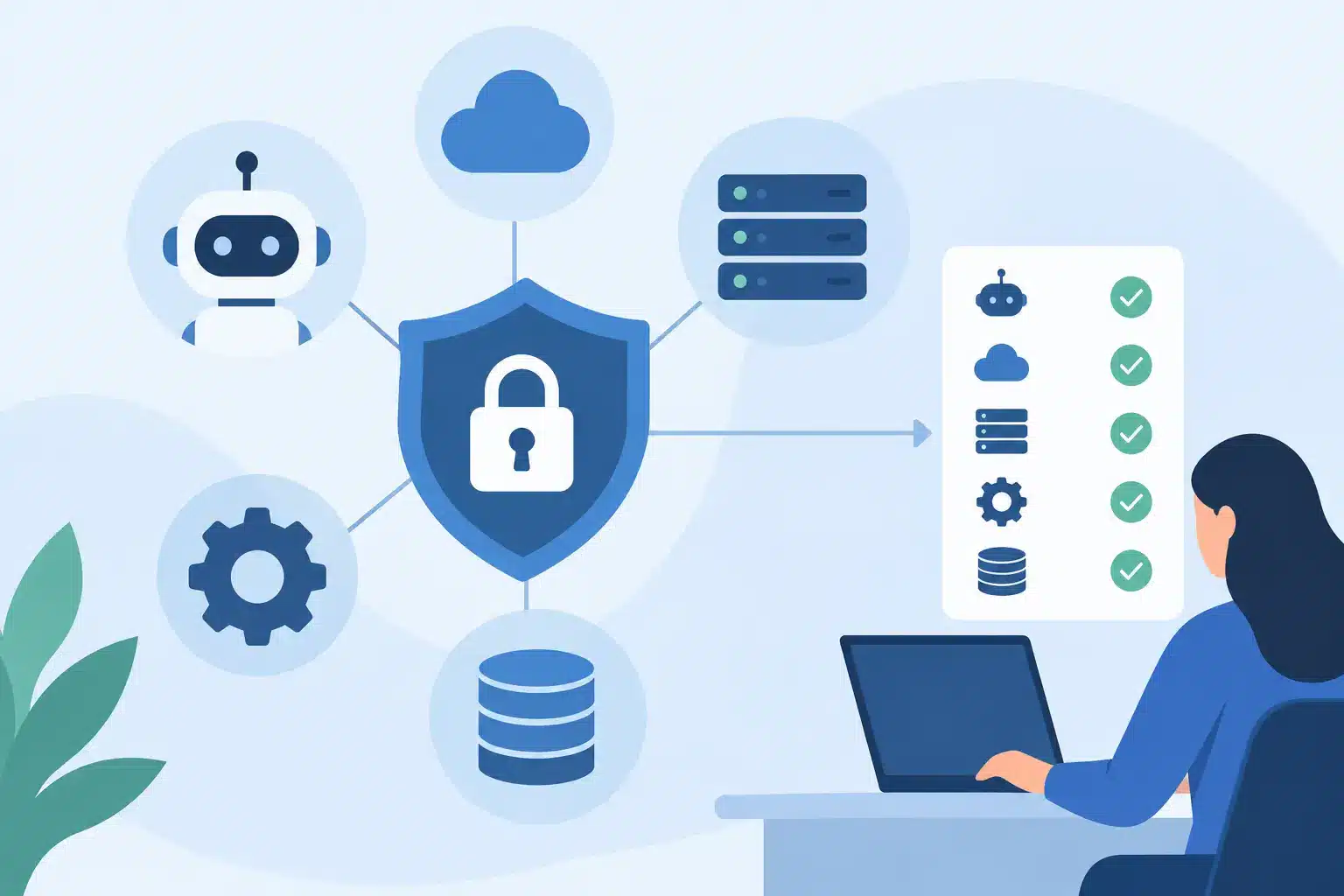
For enterprises with hybrid infrastructure, multiple cloud platforms, third-party support teams, and legacy systems, privileged session monitoring must operate as part of a broader Privileged Access Management program. Recording activity without controlling access creates an archive of risk. Controlling access without meaningful visibility leaves security teams unable to prove what happened when a critical system changes.
Why privileged session monitoring is an operational control
Privileged access carries a different level of risk than standard user access. A compromised employee account may expose a limited set of files or applications. A compromised domain administrator, cloud tenant administrator, database owner, or service account can affect entire business services.
Session monitoring creates an accountable record of how elevated access is used. Depending on the system and session type, that record may include video playback, keystrokes, commands, file transfers, connection metadata, and session duration. It gives security operations, IAM teams, and internal audit a common source of evidence instead of relying on individual administrator explanations or fragmented log files.
The value is not surveillance for its own sake. The value is the ability to answer operational questions quickly: Who accessed the system? Why was access requested? Which account was used? What commands were executed? Was a change authorized? Did activity deviate from the approved task?
That evidence matters during an incident, but it also improves routine governance. Teams can identify standing access that is rarely justified, recurring emergency access patterns, risky administrative workarounds, and systems that remain outside policy because they are difficult to integrate.
Decide which sessions require the highest level of control
Not every privileged session needs identical monitoring. Recording every technical action at maximum detail can create storage costs, privacy concerns, and an evidence volume that no team can effectively review. A risk-based policy is more defensible and more sustainable.
Start with accounts and systems where unauthorized actions would create material business impact. This usually includes domain controllers, identity platforms, cloud control planes, production databases, payment systems, electronic health record platforms, industrial control environments, security tools, and backup infrastructure. Third-party remote access deserves equal attention because vendor accounts can have broad privileges with less day-to-day visibility.
Classify sessions by criticality and define the appropriate controls for each class. A production database administrator making an approved schema change may require credential vaulting, a ticket reference, full command capture, and video recording. A lower-risk administrative task in a nonproduction environment may only require connection logging and command auditing.
The policy should also address emergency access. Break-glass accounts are necessary in many environments, but they should not become a convenient path around normal controls. Require a documented reason, time-bound access, automatic credential rotation, and immediate review of the resulting session.
Build the control path before recording activity
Effective monitoring begins before the administrator connects to a target system. The preferred model is to route privileged access through a controlled access path, such as a PAM proxy, session manager, or hardened jump environment. This allows the organization to authenticate the user, enforce policy, broker access to the target, and create a reliable session record.
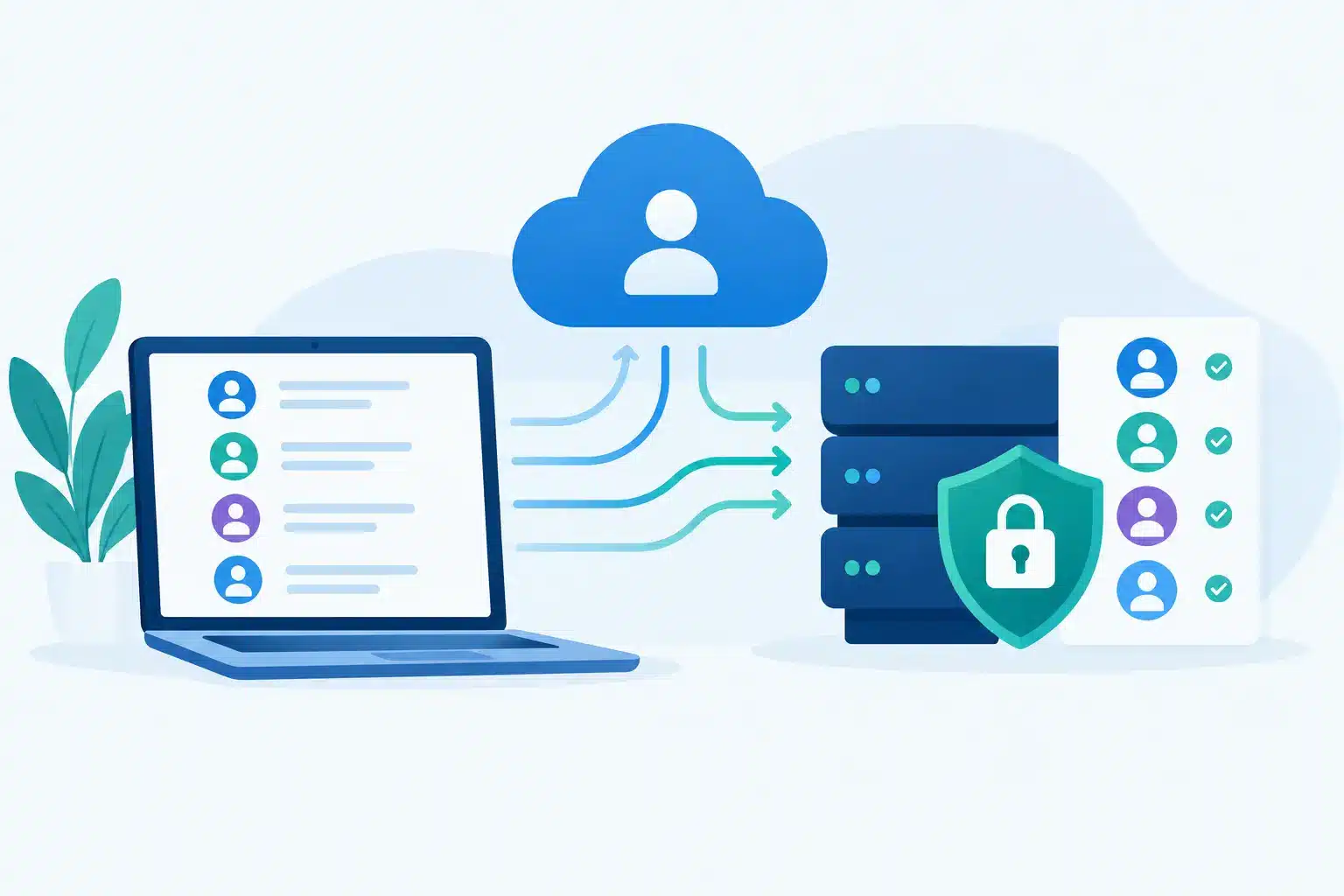
When privileged credentials remain known to users, session monitoring has a major blind spot. An administrator may connect directly to a server, database, or cloud console outside the approved pathway. Vaulting credentials and injecting them into the session reduces this exposure. It also supports automatic rotation after use, reducing the value of stolen or shared credentials.
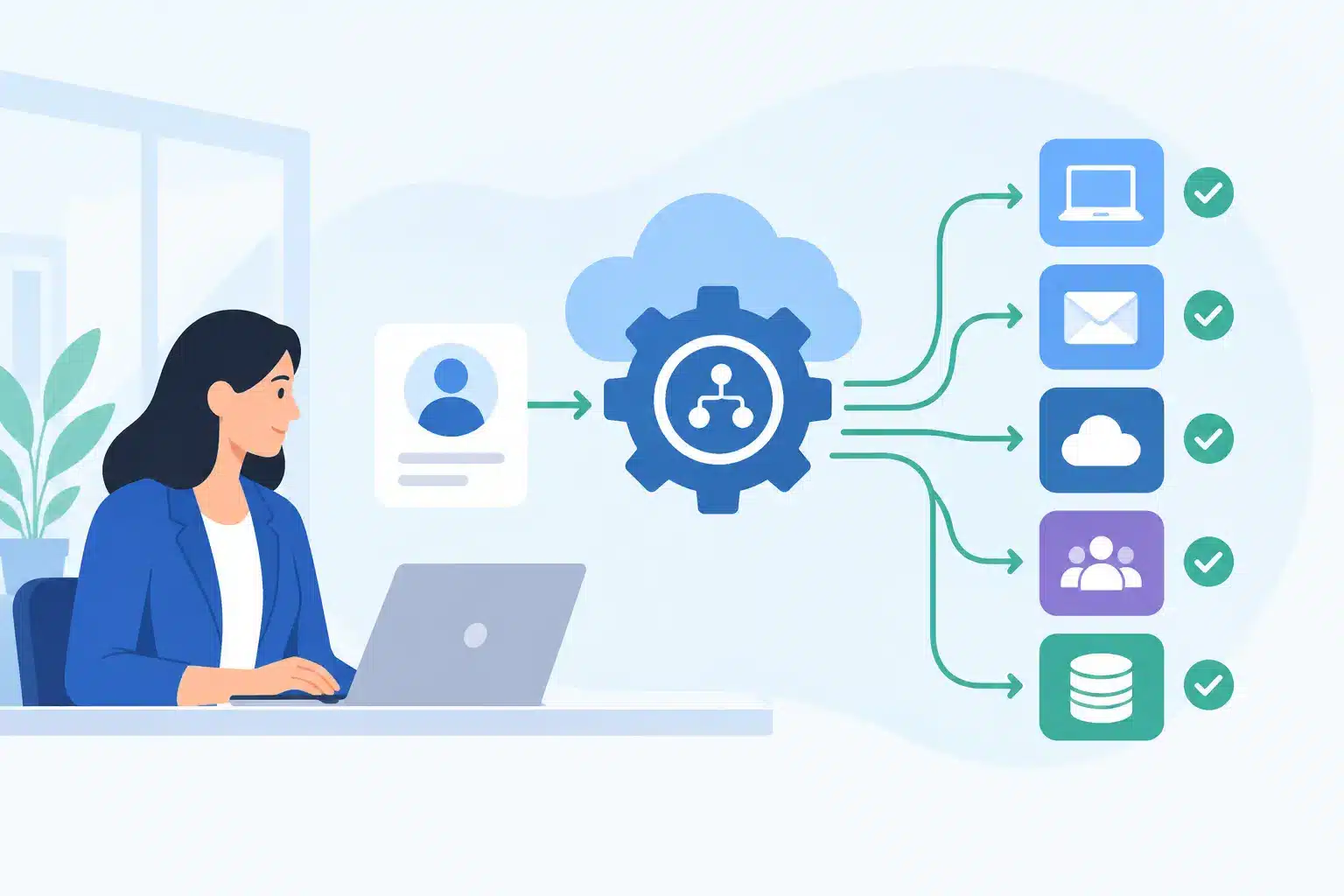
Access requests should carry business context. Integrating privileged access with service management workflows can associate a session with an approved change, incident, or maintenance task. This does not prove that every action was appropriate, but it gives reviewers a starting point and exposes sessions that have no legitimate operational basis.
For high-risk actions, add just-in-time elevation and approval controls. A user should receive the minimum privilege needed for a limited period, not a permanent administrative role because an occasional task requires it. This reduces the number of sessions that require intensive review while tightening control over the ones that do.
Monitor privileged user sessions with useful evidence
A session recording is only valuable if it can be found, reviewed, and understood under pressure. Store session metadata in a consistent format that supports search by user, account, target system, date, ticket number, application, and risk classification. Define retention periods based on regulatory obligations, investigation requirements, and storage capacity.
Different session types require different evidence. For command-line administration, command capture can make investigations far faster than reviewing a long video recording. For graphical consoles, screen recording may be the only practical way to establish what occurred. For cloud environments, session monitoring should be correlated with native audit activity, such as administrative API events and configuration changes. For database access, query auditing may provide more useful evidence than a generic screen capture.
Do not treat all recorded activity as equally trustworthy. Session evidence should be protected from alteration through strict administrative separation, encryption, controlled access, and retention policies. The people who perform privileged work should not be able to modify or delete records of that work. Security teams also need to protect recordings because they can contain sensitive data, system details, and occasionally credentials exposed during troubleshooting.
Alerting should focus on high-confidence behavior rather than generating noise for every session. Useful triggers include access to sensitive assets outside approved maintenance windows, use of emergency accounts, disabled security controls, creation of new privileged identities, unusual file transfer activity, and commands associated with destructive changes. Behavioral analytics can add value, but it should complement clear policy controls, not replace them.
Make review a defined process, not an audit event
Most organizations cannot manually watch every privileged session. They do not need to. A disciplined review model uses risk signals to prioritize evidence. Reviewers can sample routine sessions, investigate triggered alerts, and require mandatory review for emergency access, highly sensitive assets, and third-party work.
Define ownership before the first recording is captured. Security operations may own alert triage. Infrastructure owners may validate whether technical actions were expected. IAM or PAM teams may manage policy and platform health. Internal audit may review evidence quality and control performance. Without defined ownership, recordings accumulate while accountability disappears.
Review workflows should have clear outcomes. A session may be confirmed as authorized, identified as a policy exception, escalated for investigation, or used to improve the access model. If administrators repeatedly need emergency access for standard maintenance, the issue may be a broken role design or a poorly documented operating procedure rather than individual misconduct.
This is where session monitoring becomes a source of program improvement. The data can reveal where privileged roles are too broad, where vendor access is poorly scoped, and where critical systems lack a controlled connection path. It can also show whether access approvals are meaningful or merely rubber stamps.
Address privacy, performance, and administrator adoption
Privileged session monitoring affects people as well as systems. Administrators need to understand which sessions are monitored, what is collected, who can review it, and why the control exists. Clear communication reduces resistance and helps distinguish legitimate accountability from indiscriminate employee surveillance.
There are trade-offs. Full video recording can consume significant storage and may capture sensitive information. Command logging is efficient but may miss context available in a graphical interface. Proxy-based access provides strong control but can introduce compatibility challenges for specialized tools, older protocols, or industrial environments. The right design depends on asset criticality, regulatory requirements, existing architecture, and the operational tolerance for access friction.
Test workflows with the teams who will use them. Validate session launch times, tool compatibility, emergency access procedures, recording quality, and recovery processes. A control that fails during a production outage will quickly be bypassed, even if the policy behind it is sound.
Measure whether the control is working
Leadership needs more than a count of recorded sessions. Track coverage of privileged accounts and critical systems, percentage of privileged access routed through approved controls, emergency access frequency, sessions without valid business context, high-risk alerts investigated within target timeframes, and recurring policy exceptions.
These measures show whether the organization is reducing unmanaged access or merely collecting more data. They also support informed investment decisions, especially where legacy platforms, cloud expansion, and third-party access introduce new privileged pathways.
IDENT1TY approaches privileged session monitoring as part of a controlled identity operating model: access is governed, credentials are protected, activity is observable, and exceptions are measurable. The technology platform matters, but sustained outcomes depend on policy design, integration quality, operational ownership, and ongoing tuning.
A recorded session should never be the first time an organization learns how privileged access works in its environment. Build the access path, define the evidence, assign the review process, and use what the data reveals to reduce exposure before the next critical change becomes an investigation.