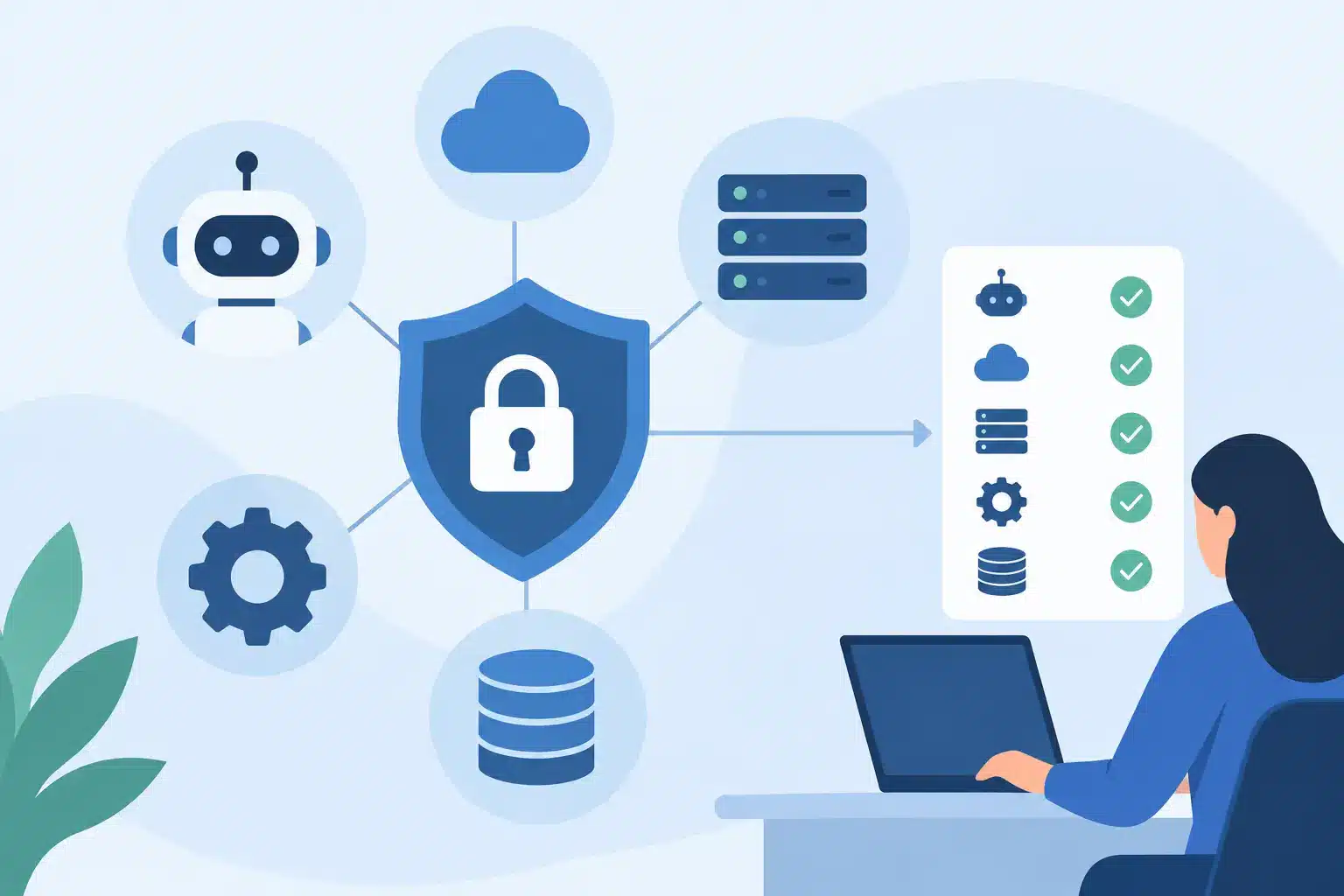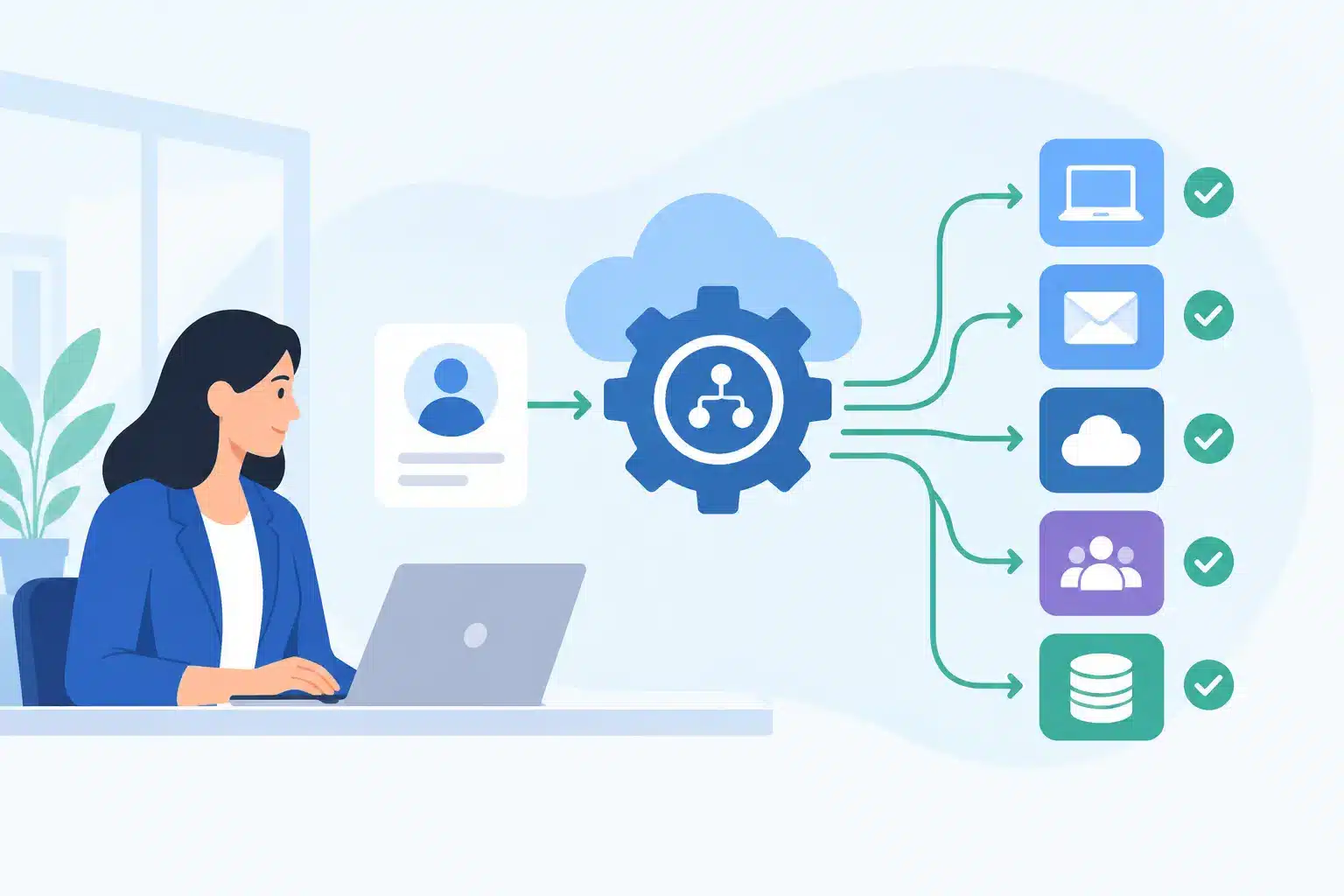
A privileged account is rarely just an admin login anymore. In most enterprises, it includes human administrators, third-party vendors, service accounts, cloud consoles, DevOps pipelines, and increasingly non-human identities with elevated permissions. That is why evaluating the best pam tools for enterprises is not a procurement exercise alone. It is a control decision that affects breach containment, operational continuity, and audit posture.
The market is crowded, but the short list for enterprise use is smaller than it first appears. Many tools can vault passwords or broker sessions. Far fewer can handle hybrid infrastructure, privileged session controls, just-in-time access, endpoint privilege management, and governance requirements at enterprise scale without creating a new layer of operational drag.
What the best PAM tools for enterprises need to do
A credible PAM platform has to reduce standing privilege, enforce accountability, and give security teams usable visibility. In practice, that means more than checking off password vaulting and session recording.
For enterprise buyers, the real test starts with coverage. Can the platform secure privileged access across on-prem systems, cloud workloads, SaaS admin roles, network devices, and remote vendor access? Can it discover unmanaged privileged accounts and service credentials that accumulated over years of infrastructure growth? If not, the tool may improve one corner of the environment while leaving the highest-risk paths untouched.
Architecture matters just as much. Some organizations need a highly mature, policy-rich platform that can support complex segregation of duties and strict operational controls. Others need faster time to value because the current risk is uncontrolled remote access, shared admin passwords, or local admin sprawl on endpoints. The best choice depends on the problem you need to solve first and the operating model you can support over time.
Another point that gets underestimated is integration depth. PAM works best when it is connected to IAM, IGA, SIEM, ITSM, and endpoint management. A disconnected PAM deployment becomes an island of controls. A well-integrated one becomes part of a broader identity security operating model.
9 best PAM tools for enterprises
CyberArk
CyberArk remains a leading choice for large enterprises with complex privileged access requirements. It is particularly strong in core vaulting, session isolation, credential rotation, just-in-time access patterns, and broad platform coverage. Organizations in regulated sectors often favor it because its policy framework and control model are built for environments where auditability and administrative discipline are non-negotiable.
The trade-off is complexity. CyberArk is powerful, but it is rarely a light deployment. It rewards organizations that are prepared to invest in architecture, phased onboarding, operational ownership, and long-term tuning. For enterprises with mature security teams, that investment often makes sense.
BeyondTrust
BeyondTrust is a strong enterprise option for organizations that want broad PAM capability with practical coverage across infrastructure, remote support, and endpoint privilege management. It is often shortlisted when buyers want to address server privilege, vendor access, and workstation admin rights in a more unified way.
Its strength is operational range. Security teams can use it to address several privilege problems without assembling multiple disconnected products. The decision point usually comes down to depth versus specialization. In some highly customized environments, buyers will compare its flexibility against platforms with deeper heritage in specific PAM categories.
Delinea
Delinea is often a good fit for enterprises that need core PAM controls without the overhead associated with the heaviest enterprise platforms. It is widely considered for password vaulting, session control, and privilege elevation, especially in organizations balancing security improvement with deployment speed.
This can make Delinea attractive for mid-market enterprises and distributed organizations that want meaningful control gains without a prolonged implementation cycle. The key question is future-state complexity. If your roadmap includes highly segmented administration, broad cloud entitlements, and advanced identity governance integration, you need to validate how the platform will scale with those demands.
One Identity Safeguard
One Identity Safeguard is a serious option for enterprises that want privileged password management and session controls backed by strong identity expertise. It is often evaluated in environments already invested in One Identity capabilities or where teams want PAM aligned more closely with a broader identity administration strategy.
Its value tends to increase when organizations are thinking beyond isolated privileged account protection and toward role clarity, governance, and lifecycle alignment. That said, platform fit depends heavily on the surrounding identity stack and the operational model of the IAM team.
ARCON
ARCON has built a presence in enterprise PAM discussions, particularly in compliance-sensitive environments and regions where buyers want strong privileged access controls with competitive commercial positioning. Its capabilities typically cover vaulting, session monitoring, analytics, and privileged account governance.
For some enterprises, ARCON is attractive because it addresses core risk without forcing a premium-tier pricing model. As with any PAM platform, due diligence matters. Buyers should validate integration maturity, support depth, and how well the product fits cloud-first or highly heterogeneous environments.
ManageEngine PAM360
ManageEngine PAM360 is commonly considered by organizations that need a broad set of privileged access features with accessible administration and cost efficiency. It can be a practical fit for enterprises that want centralized credential control, session management, and audit support without taking on the complexity of a more heavyweight platform.
Its strongest use case is often in operationally constrained teams. The caution is that large enterprises with demanding customization, advanced just-in-time controls, or deep enterprise integrations may find the platform better suited to straightforward PAM programs than to highly mature identity security models.
Broadcom Symantec PAM
Symantec PAM, now under Broadcom, remains part of the enterprise market, particularly in organizations with existing Broadcom relationships or legacy deployment history. It offers core privileged access controls and can support established administrative environments.
The deciding factor here is usually roadmap confidence. Enterprises should look closely at platform direction, support expectations, and how well the solution aligns with current hybrid and cloud privilege use cases. A familiar vendor relationship is useful, but it should not replace a current-state technical evaluation.
Wallix
Wallix is often evaluated for privileged session management, access governance, and third-party access control. It can be a strong fit where organizations need clear monitoring of administrative activity and tighter oversight of external users connecting into sensitive systems.
For enterprises with concentrated needs around access brokering and session accountability, Wallix may compare well. If your environment requires broad platform extensibility and deep integration into a large identity ecosystem, that needs closer validation during selection.
Netwrix SbPAM
Netwrix SbPAM is relevant for organizations focused on reducing standing privilege through just-in-time access and modern privileged workflows. It can appeal to teams that want to move away from static admin rights and toward more dynamic, approved access models.
That design direction is valuable, especially as enterprises try to limit persistent privilege across infrastructure and cloud operations. The practical question is whether the product covers your full privileged access estate or solves a narrower part of it. Many enterprise PAM programs fail because they optimize for one access pattern while ignoring the rest.
How to choose the best PAM tools for enterprises
The right evaluation starts with scope, not brand recognition. If your biggest exposure is uncontrolled domain admin use, session isolation and credential rotation may be the first priority. If the problem is developers with excessive cloud permissions, your selection criteria need to emphasize just-in-time access, federation, and cloud entitlement control. If vendors are connecting directly to production systems, remote privileged access should move much higher in the decision process.
It also helps to separate immediate controls from strategic architecture. A tool may solve password vaulting quickly but struggle to support long-term identity governance, service account management, or machine identity growth. Another may be architecturally stronger but require a heavier implementation path. Neither is automatically wrong. The risk is choosing a platform that fits only the first six months of the program.
Operational ownership should be part of the buying decision. Enterprise PAM is not self-sustaining. Policies need tuning. New platforms and accounts need onboarding. Break-glass procedures need testing. Audit evidence needs to be reliable. If your team does not have the capacity to run a complex platform, the strongest product on paper may become shelfware or, worse, a partially deployed control that creates false confidence.
This is where specialist guidance matters. Enterprises often benefit from an implementation partner that can assess identity architecture, map privileged access use cases, integrate PAM with the surrounding stack, and support steady-state operations after deployment. IDENT1TY approaches PAM this way because long-term control depends on execution, not just product selection.
Common mistakes during PAM selection
One common mistake is treating PAM as a vault only. Password storage is necessary, but it does not answer who should get privileged access, how long they should keep it, what they can do in session, or how privilege should be removed when the task is done.
Another mistake is ignoring non-human privilege. Service accounts, certificates, API credentials, workload identities, and automation tools often carry high-value access with little oversight. If the PAM strategy focuses only on named human administrators, the enterprise may still be exposed through quieter paths.
The last major mistake is underestimating change management. PAM changes administrator behavior. It adds checkpoints, approvals, and monitoring where informal access once existed. If the rollout does not account for operational friction, teams work around the control. Good PAM programs are strict, but they are also designed to support real production work.
The best enterprise PAM decision is the one that gives you enforceable control today and a workable path to broader identity security tomorrow. Start with the privileged access risks you can measure, choose the platform that fits your environment rather than the market narrative, and build it as an operating discipline, not a one-time deployment.