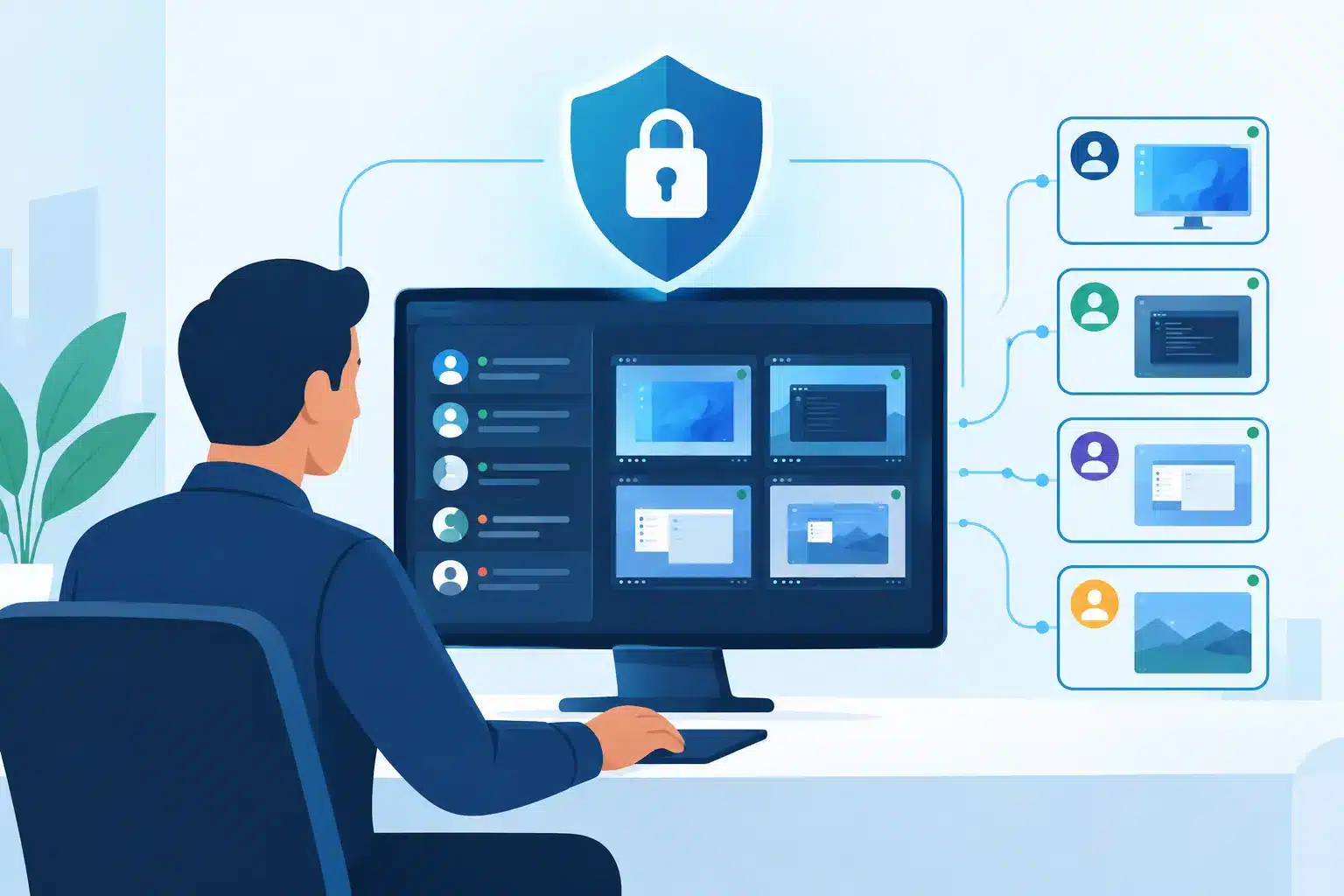
A production outage caused by an expired certificate is no longer a routine infrastructure issue. It can stop payment processing, disrupt clinical systems, break software delivery pipelines, or isolate a critical service from its dependencies. The future of machine identities will be defined by how well organizations treat these non-human credentials as controlled access, not background technical artifacts.
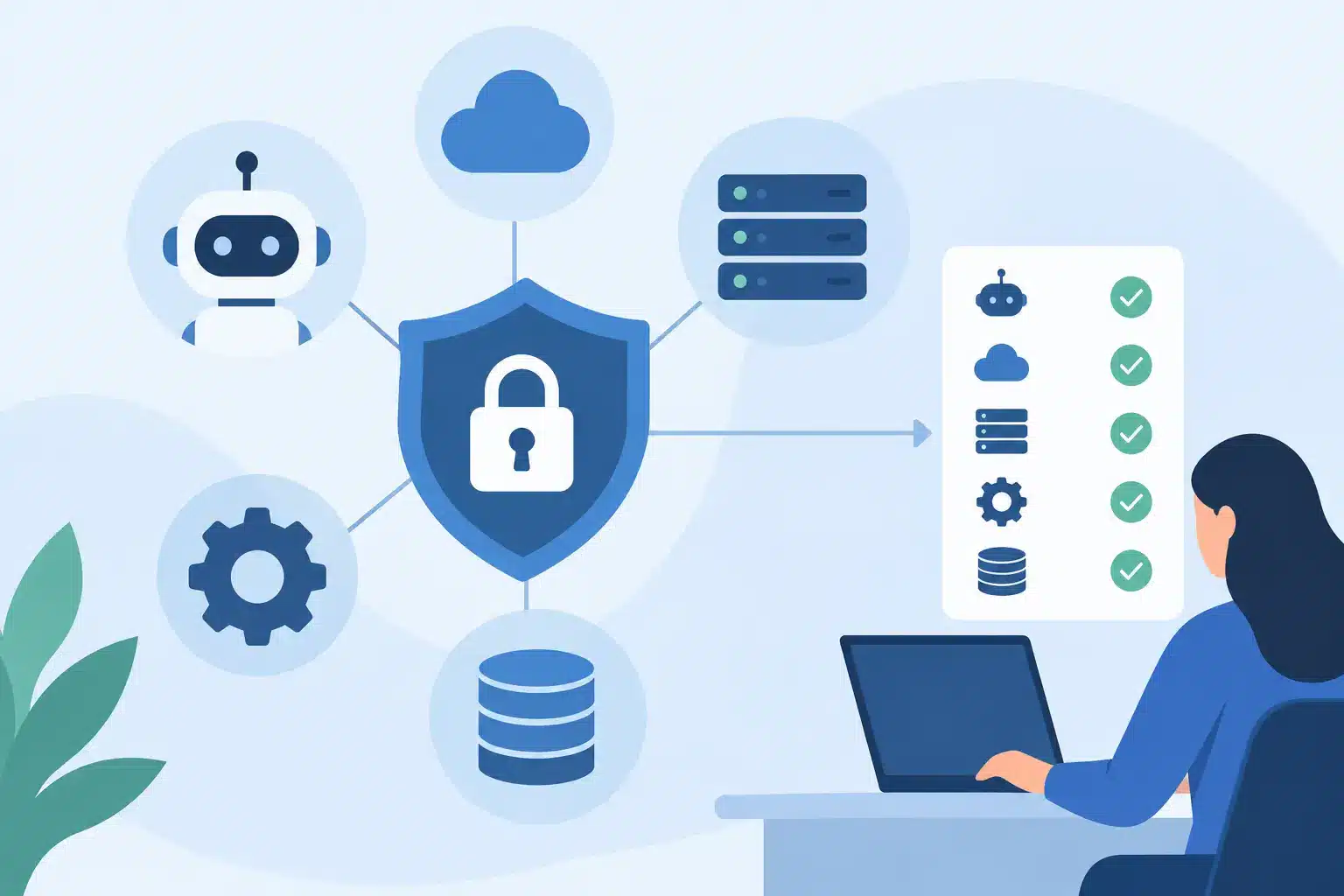
Machine identities now outnumber human identities by a wide margin in most enterprise environments. They include service accounts, workload identities, API keys, SSH keys, certificates, secrets, tokens, and the identities used by containers, cloud workloads, devices, and AI agents. Each one can authenticate, establish trust, access data, or execute a transaction. That makes each one part of the attack surface.
The security problem is not simply volume. It is that machine identity programs have often grown without common ownership, lifecycle discipline, or visibility across cloud, on-premises, SaaS, DevOps, and operational technology environments. The result is a trust layer that is essential to the business but difficult to govern.
The future of machine identities starts with accountability
Many enterprises can identify their workforce identity platform and the team responsible for it. Far fewer can state who owns every production certificate, service account, or workload credential. That gap creates avoidable exposure.
A machine identity without a named business and technical owner has no reliable path for renewal, rotation, decommissioning, or access review. When its application changes, when its hosting environment is retired, or when its permissions become excessive, nobody is clearly accountable for the decision.
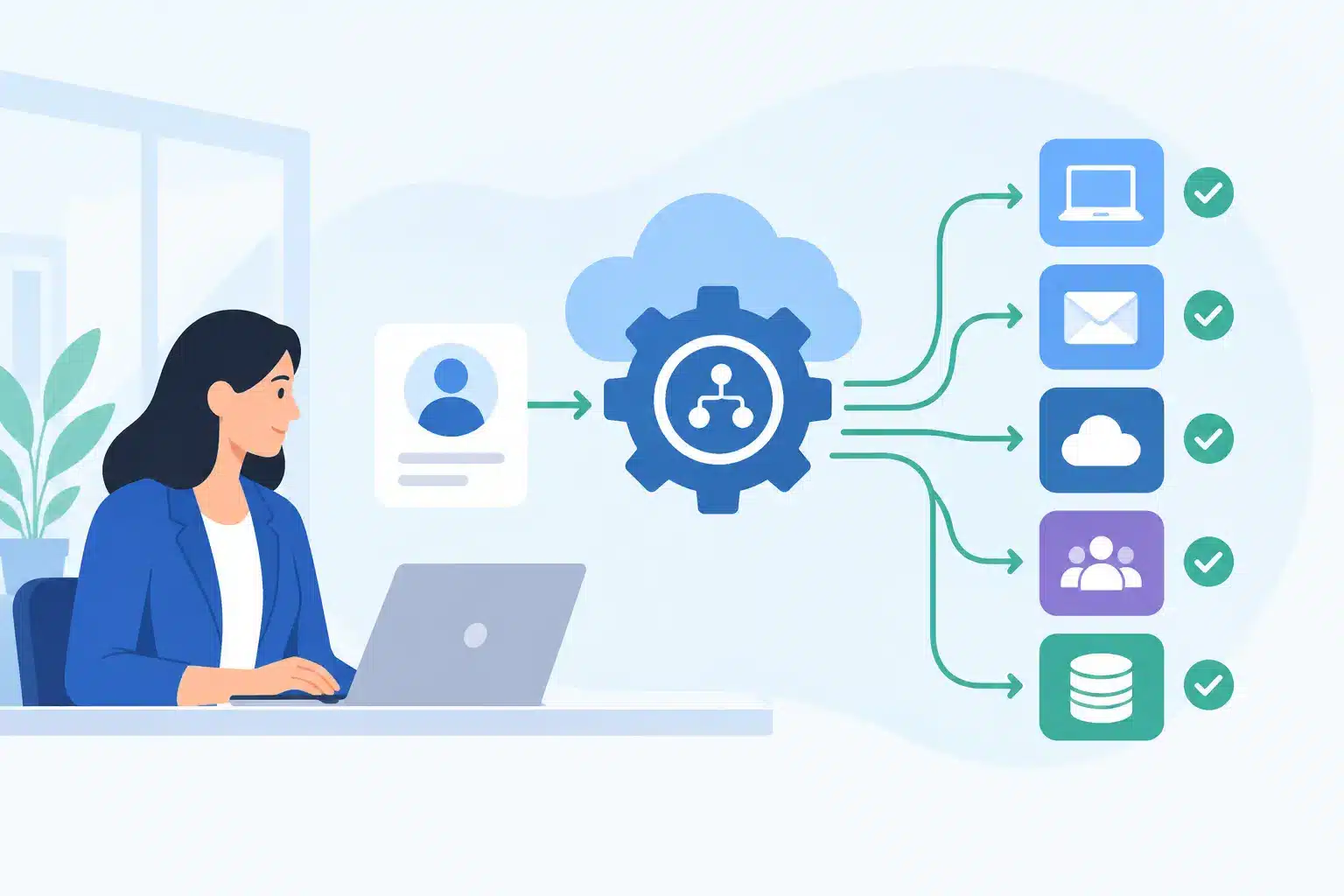
Future-state programs will make ownership mandatory from creation through retirement. This does not mean assigning every certificate manually in a spreadsheet. It means connecting identity records to authoritative application, asset, configuration, and service-management data. A credential should be traceable to the workload it supports, the system it can access, its owner, its risk classification, and its expected expiration or rotation policy.
That foundation matters because automation without accountability only accelerates unmanaged change. Automated certificate issuance is valuable, but only when policy determines who can request it, which certificate authority is approved, how long it is valid, and where it may be deployed.
Certificates are becoming a board-level resilience concern
Certificate lifecycle management has historically been treated as a specialized technical function. That view is changing. Certificates secure encrypted communications, code signing, device authentication, workload trust, and partner integrations. When they expire or are improperly issued, the business impact is immediate.
The coming pressure point is cryptographic agility. Organizations must prepare for shorter certificate lifetimes, changing browser and certificate authority requirements, and the long-term transition toward post-quantum cryptography. These shifts will expose environments that depend on manual discovery and renewal processes.
A credible program begins by answering practical questions: Where are certificates deployed? Which ones are publicly trusted? Which applications will fail if a certificate is replaced? Which teams can issue certificates, and through which approved authorities? How quickly can the organization revoke and replace a compromised credential?
There is a trade-off. Centralizing every certificate operation can slow application teams if the service is poorly designed. Leaving issuance entirely decentralized creates inconsistent policy and weak auditability. The effective model provides centrally governed policy with delivery methods that fit the environment, including API-driven issuance, DevOps pipeline integration, and managed renewal for systems that cannot automate.
Cloud and DevOps are moving identity closer to the workload
Static secrets stored in configuration files or shared across environments are increasingly difficult to justify. They create long-lived access that can be copied, forgotten, and reused well beyond its original purpose. In cloud-native environments, the preferred direction is toward short-lived, workload-bound credentials issued at runtime.
This approach can reduce the blast radius of a compromised secret. A workload proves its identity through platform attestation, federation, or another trusted mechanism, then receives narrowly scoped access for a limited period. The credential expires automatically rather than remaining active until someone remembers to rotate it.
But short-lived credentials are not a complete answer. They introduce dependency on identity infrastructure, token services, policy engines, and reliable time synchronization. If those components are unavailable or misconfigured, applications can fail at scale. Security architects need to design for availability, break-glass access, observability, and recovery, not just least privilege.
The control objective remains consistent across technologies: workloads should receive the minimum access required, for the minimum time required, with enough telemetry to reconstruct what happened. That requires identity architecture to be part of application engineering, not a late-stage security review.
AI agents will create a new class of machine identity risk
AI agents add a more complex identity challenge. A traditional workload usually performs a predictable function with a defined set of permissions. An agent may interpret instructions, call multiple tools, access enterprise data, initiate workflows, and act across systems based on contextual decisions.
The risk is not that an AI agent has an identity. The risk is granting it broad, persistent access without clear boundaries, traceability, or approval controls. An agent that can read customer data, create accounts, submit payments, or modify infrastructure needs an identity model suited to its authority and behavior.
Organizations should avoid treating agent access as a variation of a shared service account. Each agent needs a distinct identity, a defined owner, scoped entitlements, and a record of the tools and data it is permitted to use. Where actions carry material business impact, the agent should operate with transaction-level controls, such as approval thresholds, policy checks, and step-up authorization.
Delegation must also be explicit. If an agent acts on behalf of a user, the system should preserve both the agent identity and the human identity that authorized the action. Otherwise, investigations will show only a technical account and fail to answer the question that matters: who initiated or approved this outcome?
Governance must operate at machine speed
Annual access reviews are insufficient for credentials that can be created and deployed many times per day. Machine identity governance must become event-driven. A new workload, repository, cloud account, application release, or infrastructure change should trigger the relevant identity controls automatically.
A mature operating model typically requires five connected capabilities:
- Continuous discovery across cloud accounts, certificate stores, source-code repositories, privileged platforms, and legacy infrastructure.
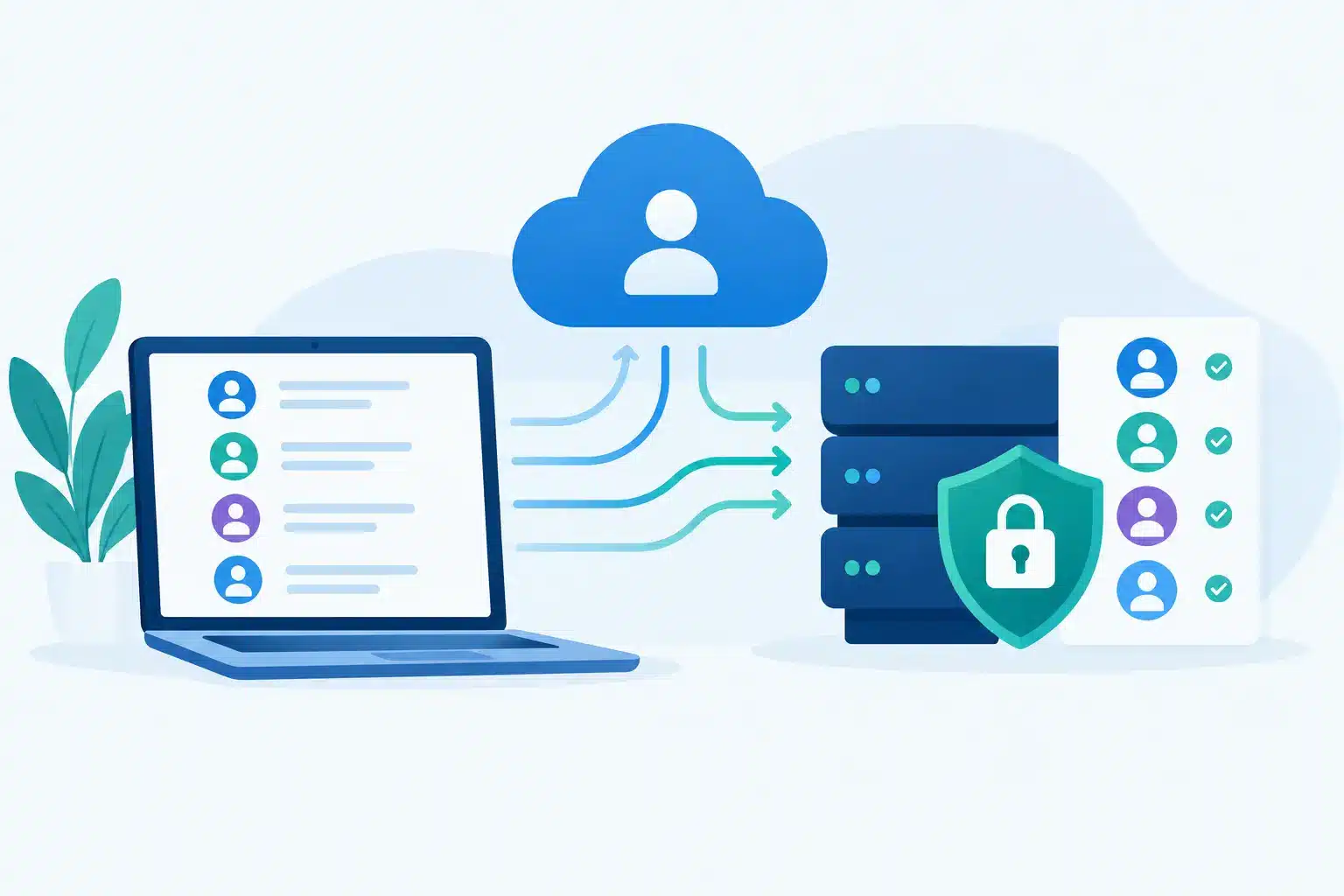
- A normalized inventory that identifies credential type, owner, location, purpose, expiration, privilege level, and trust relationship.
- Policy-based issuance and rotation that prevents unmanaged credentials from becoming the default path.
- Detection of anomalies such as dormant service accounts, excessive permissions, unauthorized certificate authorities, or secrets exposed in code.
- Defined remediation workflows that assign ownership, prioritize risk, and prove closure.
Technology matters, but the operating model determines whether those capabilities produce control. Security teams need clear escalation paths when an owner cannot be identified, when an application cannot support rotation, or when a legacy dependency requires an exception. Exceptions should be time-bound, documented, and visible to the risk owner. Permanent exceptions are usually ungoverned technical debt with a formal label.
Measure control, not just inventory growth
Discovery metrics can create false confidence. Finding more machine identities is progress, but it does not prove that risk is decreasing. Leadership needs measures that connect visibility to operational control.
Useful indicators include the percentage of machine identities with verified owners, the percentage covered by automated rotation, the number of expired or soon-to-expire certificates, privileged service accounts without recent use, mean time to revoke compromised credentials, and the share of workloads using approved federation rather than static secrets. These measures reveal where manual dependency and unmanaged trust remain.
Prioritization should follow business impact. A forgotten development token is not equivalent to a certificate supporting a public customer portal or a service account with access to regulated data. Classify machine identities according to the criticality of the system, the privilege granted, the sensitivity of the data, and the potential impact of interruption.
Build the program before the next outage forces it
The future of machine identities is not a single platform decision. It is an operational security discipline that connects IAM, PAM, IGA, certificate lifecycle management, cloud security, DevOps, and AI governance.
Start with the identities that can cause the greatest business interruption or provide the fastest path to sensitive systems. Establish ownership, remove unnecessary privilege, automate renewal and rotation where the environment supports it, and create an exception process for the systems that do not. Then expand coverage with measurable standards rather than one-off cleanup projects.
For organizations operating across fragmented identity environments, the practical goal is clear: make every machine identity visible, attributable, governed, and recoverable. That is how access control keeps pace with the systems now running the business.