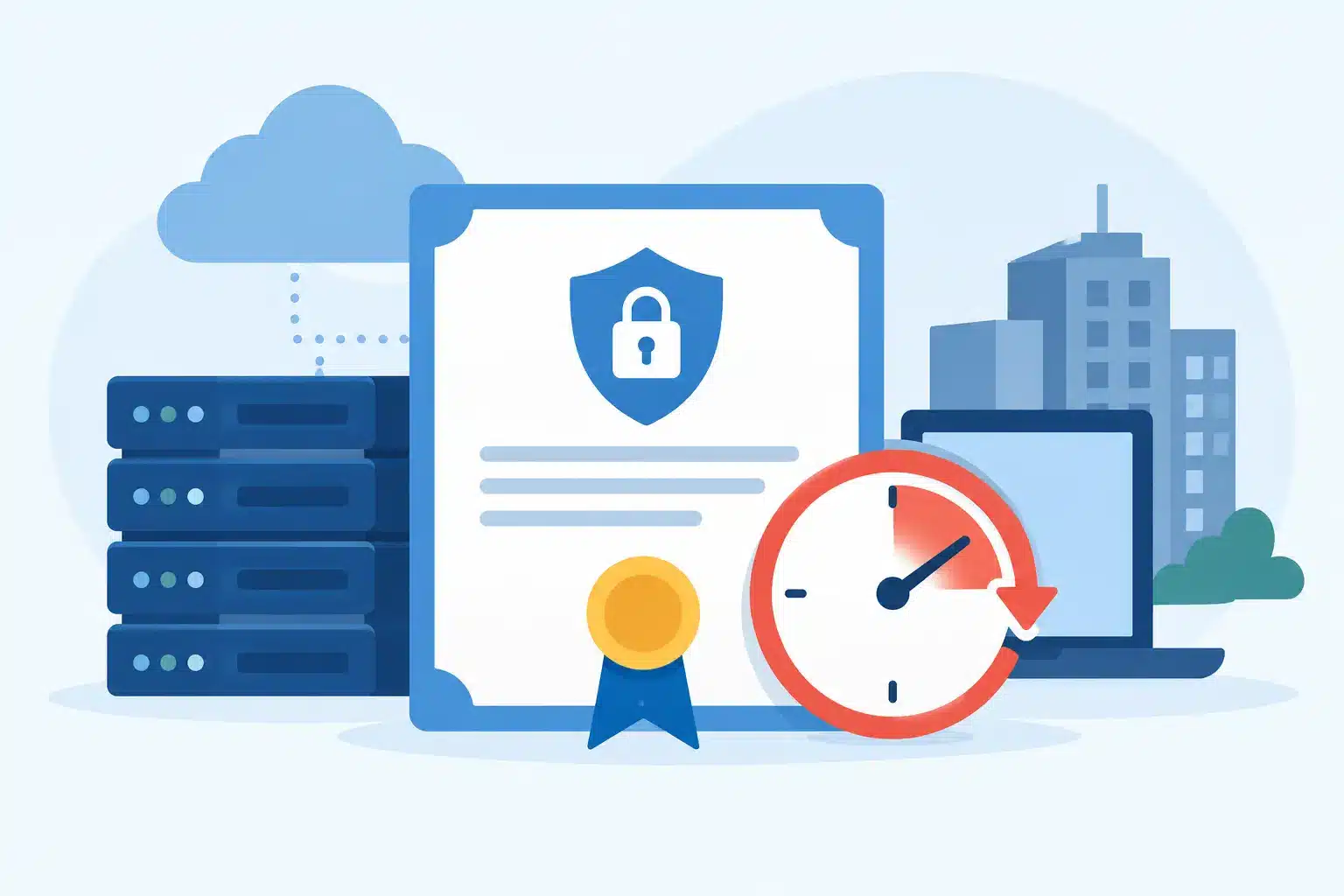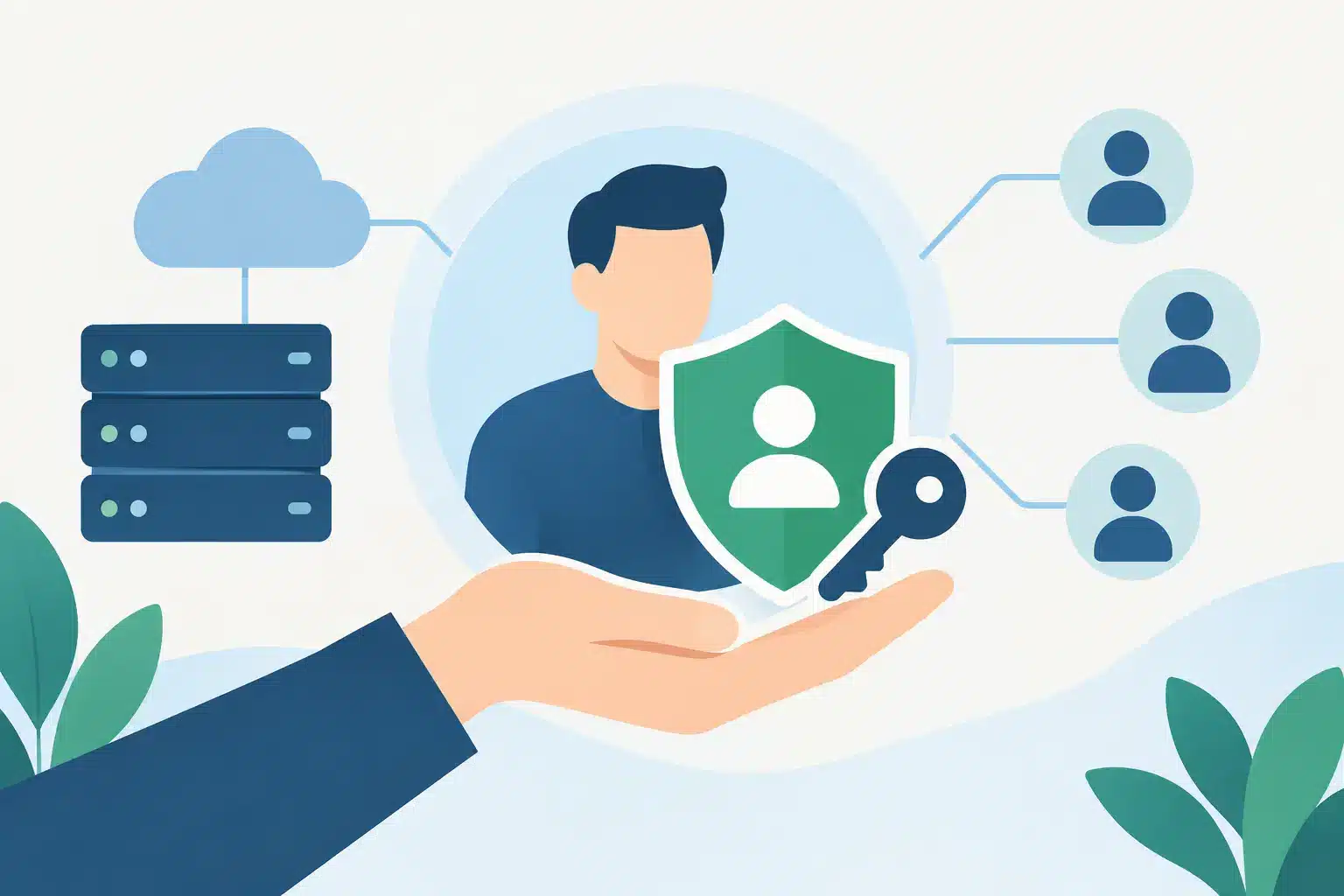
A service account that no one owns is not a minor administrative gap. It is an active security and continuity risk. Service account ownership establishes who is accountable for a nonhuman identity’s purpose, access, credentials, lifecycle, and recovery when something fails.
In enterprise environments, service accounts run applications, scheduled jobs, integrations, databases, infrastructure automation, and cloud workloads. They often hold elevated permissions because the service cannot operate without them. When ownership is unclear, those permissions persist long after the original project, administrator, or vendor relationship has changed.
The result is familiar: credentials that cannot be rotated because no one understands the dependency, privileged accounts shared across systems, audit findings with no accountable responder, and outages triggered by necessary but poorly coordinated cleanup. The control objective is not simply to attach a name to every account. It is to establish an operating model that keeps machine access justified, visible, and recoverable.
Why Service Account Ownership Fails
Most organizations do not create unmanaged service accounts deliberately. The problem develops over time. An application team creates an account to connect to a database. An infrastructure administrator creates another for a scheduled task. A vendor configures an integration using a local account. The account works, the project closes, and responsibility becomes assumed rather than recorded.
Ownership also fails when the assigned owner is too generic. A distribution list, a former employee’s manager, or an IT operations queue may provide a contact point, but none necessarily understands the account’s business function or technical dependencies. Accountability requires a person or accountable role that can answer direct questions: What does this identity do? What systems does it access? What happens if it is disabled? Who approves changes to its privileges?
The pressure to preserve uptime compounds the issue. Teams may know an account is risky but avoid changing it because a failure could interrupt a revenue-producing application, clinical workflow, production line, or payment process. That caution is reasonable. Leaving the account unmanaged is not.
Define Ownership as an Operational Control
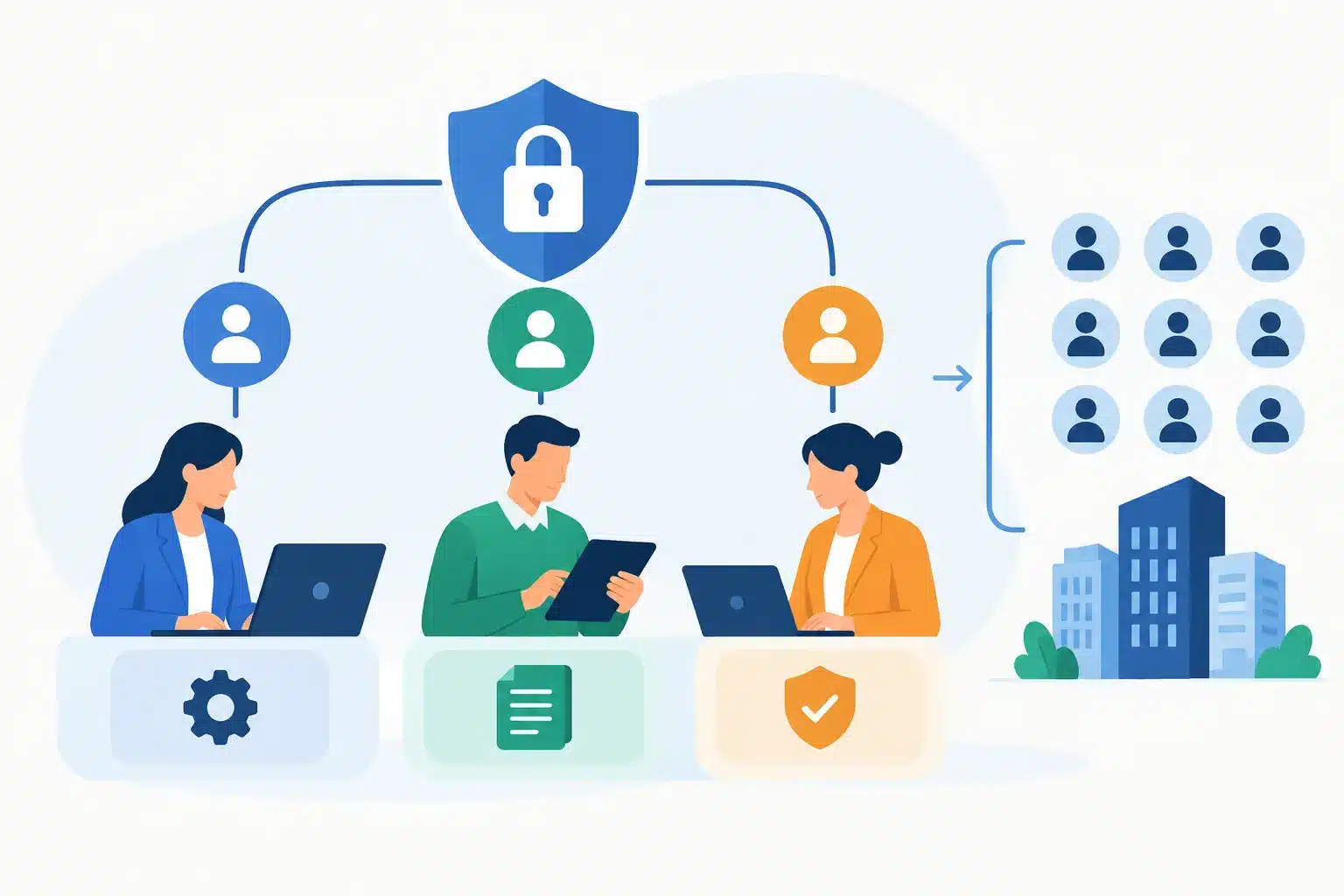
Effective service account governance separates business accountability from technical administration. One individual or role should own the business purpose and continued need for the account. Another may operate the application, manage the platform, or execute credential rotation. In smaller environments, those responsibilities may sit with the same team. In larger enterprises, separating them improves oversight and reduces single-person dependency.
Every service account record should answer a minimum set of operational questions. It should identify the accountable owner, technical custodian, application or service name, environment, entitlement scope, authentication method, credential location, creation date, review date, and dependencies. It should also state whether the identity is privileged, interactive, cloud-based, local, or managed by a third party.
This information must live in a governed system of record, not in a spreadsheet maintained by one administrator. A configuration management database, IGA platform, PAM platform, or service catalog may be the right control point depending on the architecture. The technology choice matters less than the discipline: data must be current, reviewable, and tied to change processes.
Name the accountable owner, not just a team
A team name can support continuity, but it should not replace named accountability. When a review request arrives or an incident occurs, the organization needs a responsible decision-maker. That owner should validate the account’s purpose and access at a defined interval, approve material changes, and trigger reassignment when their role changes.
For critical systems, assign a secondary owner or escalation path. This protects operations when the primary owner is unavailable and prevents urgent recovery work from becoming an exception process with weak approvals.
Treat technical custody as a separate responsibility
Technical custodians maintain the identity’s configuration, integrations, secrets, and operational documentation. They need enough access to support the service but should not automatically be able to approve their own privilege requests. This distinction is especially valuable for high-risk accounts that access production systems, sensitive data, or identity infrastructure.
Build a Lifecycle That Survives Change
Service account ownership must begin before the account exists. A request should document why a nonhuman identity is needed, whether a managed identity or workload identity can replace a static account, what permissions are required, and who accepts accountability. Static credentials should not be the default simply because they are familiar.
The provisioning workflow should apply a consistent naming standard, required metadata, least-privilege access, and a defined review schedule. For accounts that require secrets, the process should establish where those secrets are stored, how they are rotated, and how dependent applications will consume updated credentials. Manual password changes without dependency testing are a common source of avoidable outages.
During operation, monitor account use against its declared purpose. An account created for a batch process should not begin signing in interactively from administrator workstations. A service identity intended for one application should not accumulate access across unrelated environments. Usage anomalies may indicate compromise, but they can also expose undocumented operational drift that needs correction.
Offboarding is where governance is tested. When an application is retired, a vendor engagement ends, or an owner leaves the company, related service accounts must enter a review process. Do not disable identities automatically without assessing dependencies. First identify active authentication, connected systems, scheduled tasks, certificates, API calls, and business owners. Then revoke or decommission access through a controlled plan.
Use Privilege and Credential Controls Together
Ownership by itself does not secure a service account. It creates the accountability needed to apply the right controls consistently. The next requirement is to reduce what the account can do and limit the exposure of its authentication material.
For privileged service accounts, password vaulting, controlled checkout where appropriate, automated rotation, session monitoring, and just-in-time elevation can reduce standing exposure. The right design depends on whether the account supports an unattended process, an interactive maintenance task, or a cloud workload. An unattended service should not be forced into a human approval flow that breaks automation. At the same time, it should not retain unrestricted domain or tenant privileges because rotation is inconvenient.
Where platforms support managed identities, federated workload identities, short-lived tokens, or certificate-based authentication, these models can reduce reliance on static passwords. They introduce their own governance needs. Certificates expire, federation trust can be misconfigured, and token permissions can become excessive. Ownership remains necessary regardless of authentication method.
Measure What Is Not Under Control
Organizations often begin with an incomplete inventory. That is normal, particularly after acquisitions, cloud expansion, or years of decentralized application delivery. The initial goal is not perfect data on day one. It is a defensible baseline and a repeatable way to improve it.
Track coverage and control quality with metrics that expose risk. Useful measures include the percentage of service accounts with a named owner, accounts with no recent authentication, privileged accounts without vaulted or rotated credentials, identities with interactive logon enabled, overdue ownership certifications, and accounts associated with retired applications or departed employees.
Risk-based prioritization matters. Start with accounts that hold administrative privileges, access regulated data, authenticate to core infrastructure, or support systems where failure has material business impact. A low-risk reporting account and a domain-level automation account should not receive the same review cadence or remediation urgency.
Establish a Review Process That Produces Decisions
Quarterly or semiannual certification can work for many accounts, but cadence should reflect risk and operational change. Highly privileged identities may require more frequent review. Dynamic cloud environments may need continuous discovery and event-driven checks whenever permissions, ownership, or application deployment changes.
A useful review asks more than whether the account still exists. It asks whether the stated owner remains accountable, whether the business purpose is current, whether access is still least privilege, whether the account’s authentication method is appropriate, and whether credential rotation has succeeded without exceptions. Each review should lead to a clear decision: retain, modify, reassign, suspend, or retire.
Avoid certifications that become a checkbox exercise. If reviewers lack application context, they will approve by default. Give them concise evidence: the account’s purpose, systems accessed, recent activity, privilege level, credential status, and owner history. Good governance reduces reviewer effort while raising the quality of the decision.
Make Ownership Part of Identity Operations
Service accounts sit at the intersection of IAM, PAM, IGA, cloud security, and application operations. Fragmented ownership between these functions creates blind spots. A coordinated model connects discovery, governance, privileged credential management, access reviews, and incident response around the same identity record.
This is where specialized identity operations matter. IDENT1TY helps organizations turn service account governance from a cleanup project into a controlled capability, aligning ownership data, access policy, credential controls, and ongoing support across complex environments.
The practical next step is to select a high-risk service domain, identify every associated nonhuman identity, and require a documented owner and technical custodian before the next access review. That single discipline creates the accountability needed to reduce exposure without putting critical services at risk.