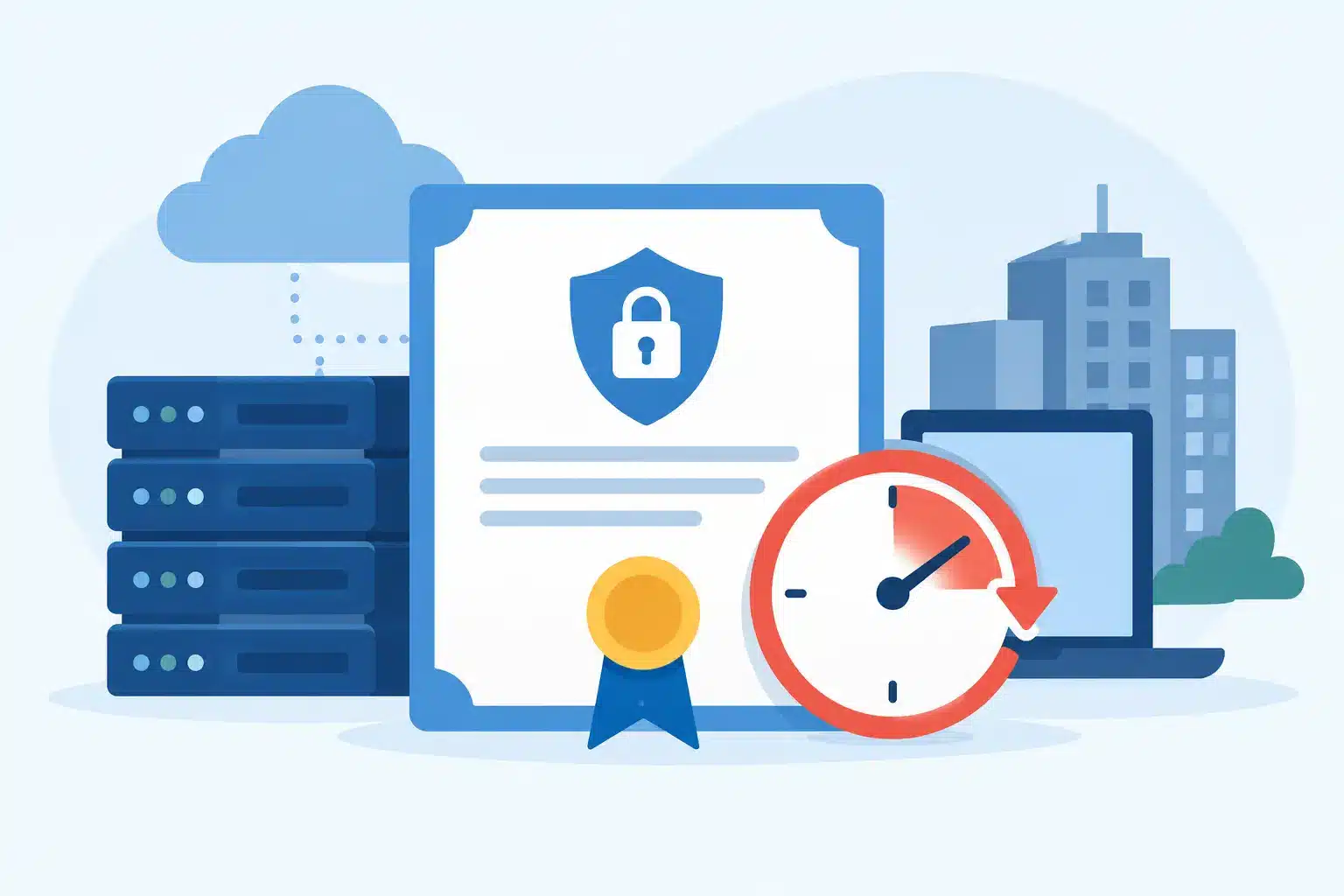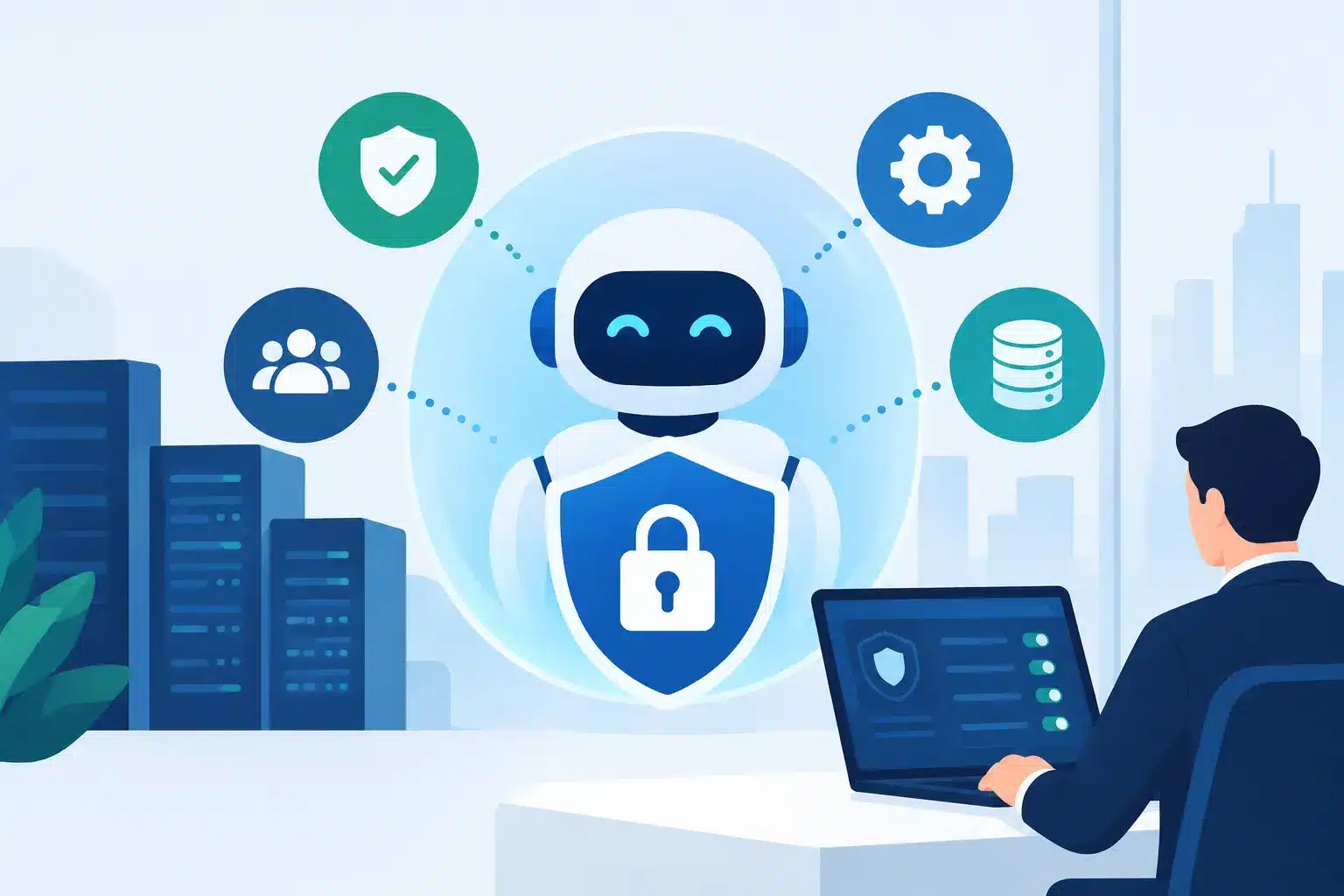
An AI agent that can read a support queue, query customer records, approve a refund, or modify cloud settings is not simply a software feature. It is an operating identity with the potential to take action at machine speed. AI agent security starts by treating that identity as a controlled enterprise access subject, not as an extension of the user who launched it.
The risk is rarely the model alone. The risk emerges at the point where an agent receives credentials, connects to business systems, interprets a request, and acts with permissions that are too broad, too persistent, or poorly monitored. In regulated and high-stakes environments, that gap can create unauthorized data exposure, privilege misuse, control failures, and an audit trail that cannot explain why an action occurred.
Why AI agents create an identity control problem
Traditional applications follow relatively fixed workflows. Their service accounts, permissions, and integration paths can be documented and reviewed over time. AI agents operate differently. They may select tools dynamically, use multiple APIs in sequence, consume untrusted content, and adapt their actions based on context.
That flexibility is commercially useful, but it changes the security model. An agent may be authorized to access a system for one legitimate purpose, then be manipulated through a prompt, compromised data source, or flawed workflow into using that access in an unintended way. The agent does not need to be malicious for the outcome to be harmful.
Consider an agent assigned to help procurement teams analyze vendor contracts. If it can retrieve contracts, access payment history, create vendor records, and send email, a single prompt injection in an uploaded document could influence a chain of actions well beyond contract analysis. The issue is not whether the agent can complete the task. The issue is whether its identity, authority, and execution boundaries remain controlled when the task changes unexpectedly.
This is why organizations cannot rely on user-level authentication alone. A human may authenticate through single sign-on and multifactor authentication, but the agent needs its own identity, its own authorization decisions, and its own accountable operating model.
AI agent security begins with distinct identities
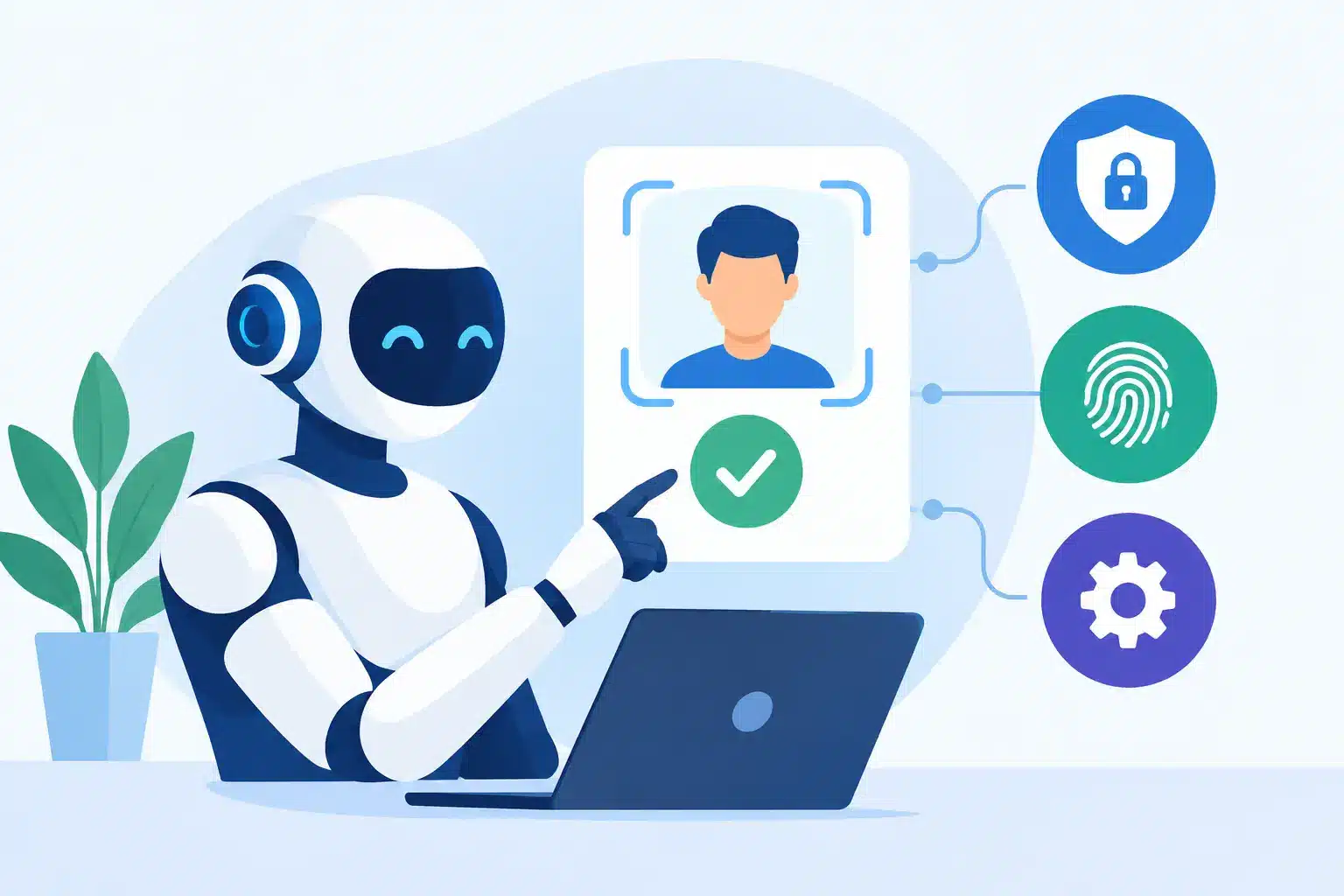
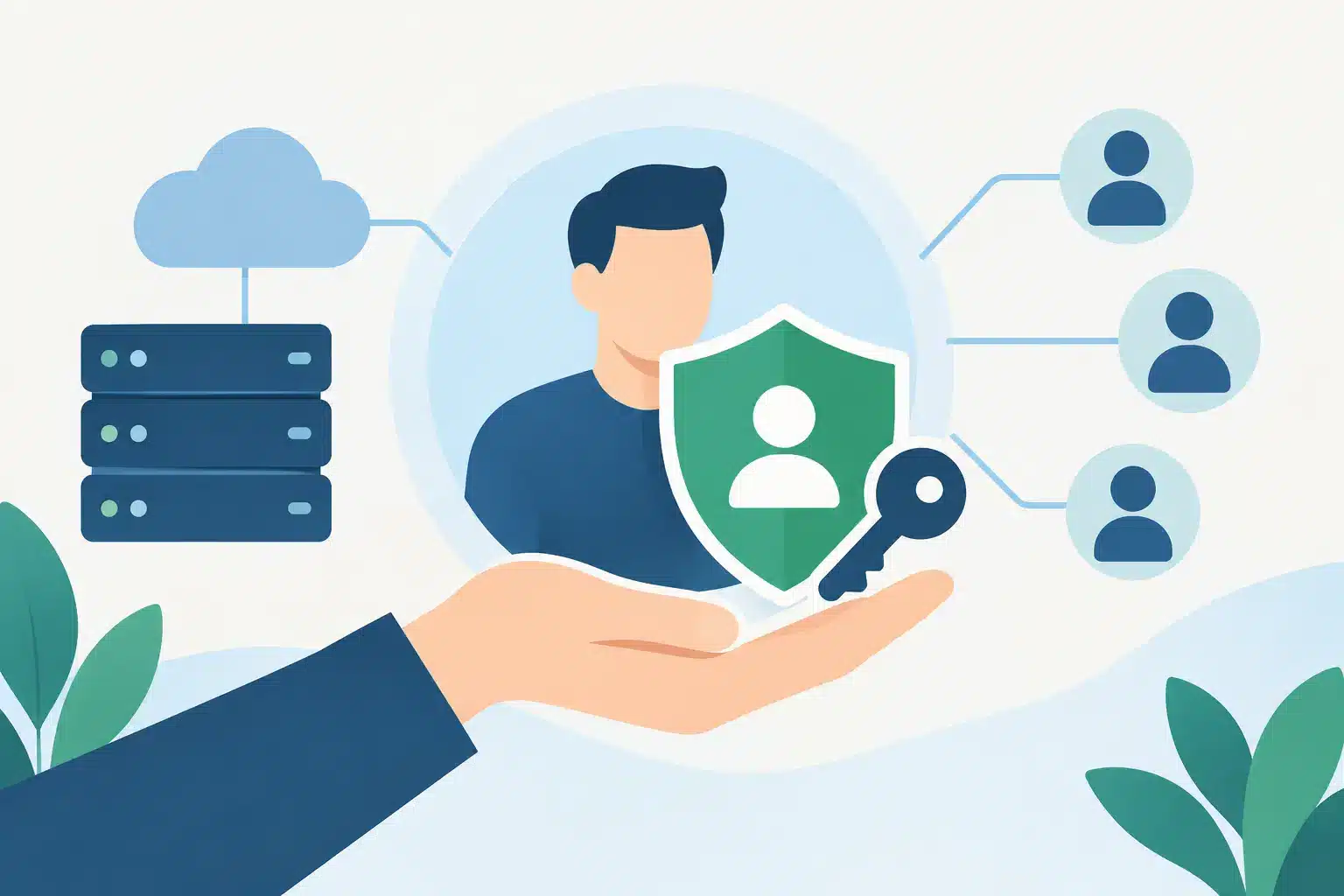
Every production agent should have a unique, non-human identity. Shared service accounts and embedded API keys remove the ability to determine which agent acted, on whose behalf, through which tool, and under what policy. They also make rapid containment difficult when an agent behaves unexpectedly.
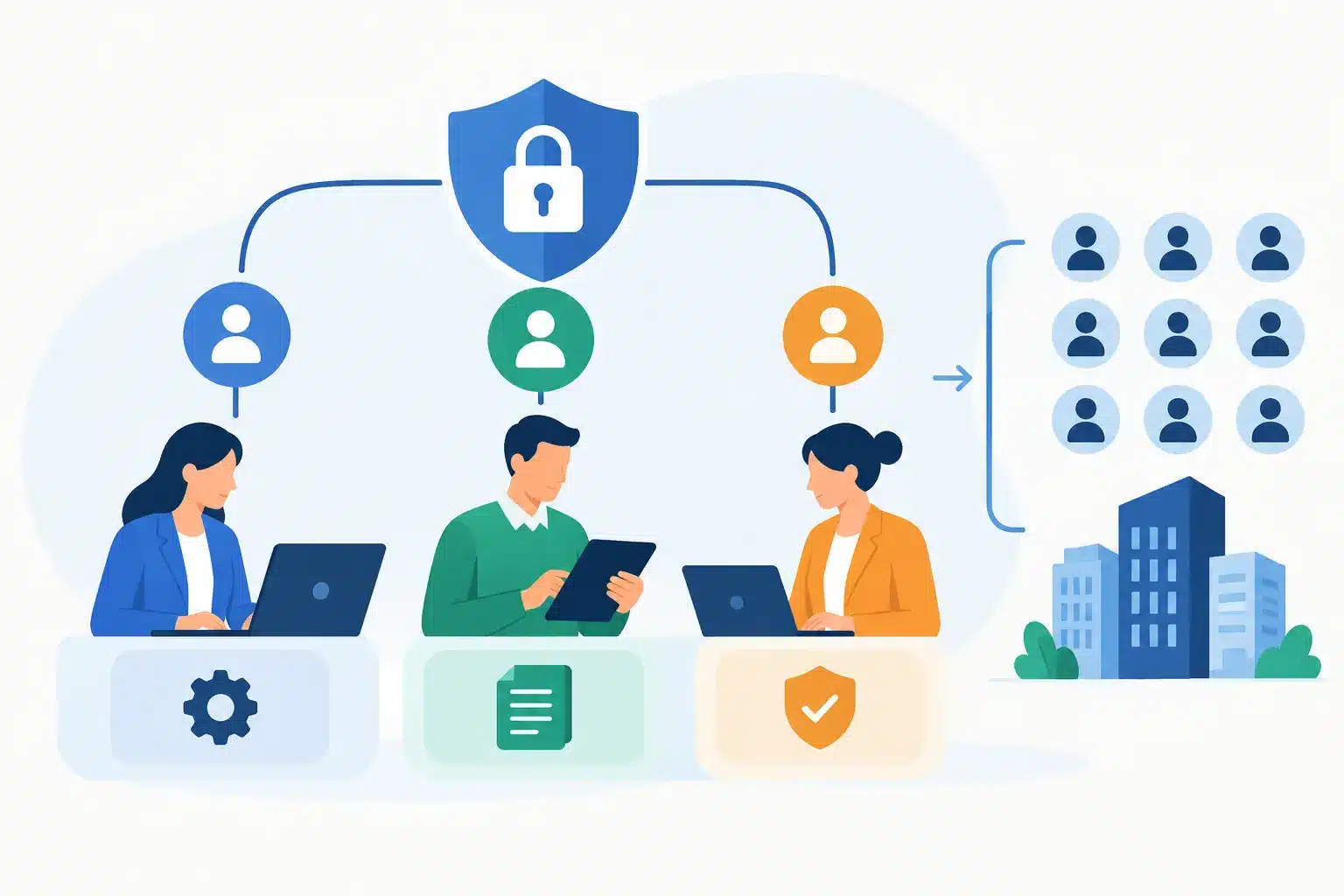
A governed agent identity should be tied to a defined business purpose, accountable owner, environment, application, model configuration, and lifecycle status. Development, test, and production agents should not share credentials or trust relationships. When a pilot is retired, its access should be removed through a managed offboarding process, not left active because no one is certain which integration depends on it.
Ownership matters as much as technical assignment. Business teams may own the use case, application teams may manage the workflow, and security teams may operate the control framework. Those responsibilities need to be explicit. Without an accountable owner, access reviews become administrative exercises and exceptions become permanent.
Give agents the minimum authority required
Least privilege is harder with agents because their work can be variable. That does not justify broad standing access. It requires more deliberate authorization design.
Start by separating what an agent can read from what it can change. An agent that summarizes claims data may need temporary read access to a limited data set, but it should not have authority to alter claim status. An agent that drafts infrastructure changes should not automatically execute them. For high-impact actions, require approval from a human operator or a separate policy-controlled workflow.
Scope access by system, data classification, action type, time window, and transaction value where appropriate. A finance agent might be permitted to prepare a payment batch but blocked from releasing it. A cloud operations agent might be allowed to collect configuration data but require a privileged access workflow to alter production resources.
Just-in-time access is particularly valuable for agent operations that need elevated permissions only for a defined task. The access grant should expire automatically and be traceable to a specific request or workflow execution. Standing privilege is convenient, but it creates a larger blast radius when an agent, token, or connected tool is compromised.
Control the tools, credentials, and trust paths
An agent is only as constrained as the tools it can invoke. Each connector, API, plugin, and automation platform extends its effective reach. Security teams need a current inventory of those trust paths, including the credentials used and the permissions behind them.
Secrets should not be stored in prompts, configuration files, source code, or unmanaged developer environments. Use centralized secrets management, short-lived tokens where possible, credential rotation, and workload identity controls. The objective is to prevent a single exposed token from providing long-term access to critical systems.
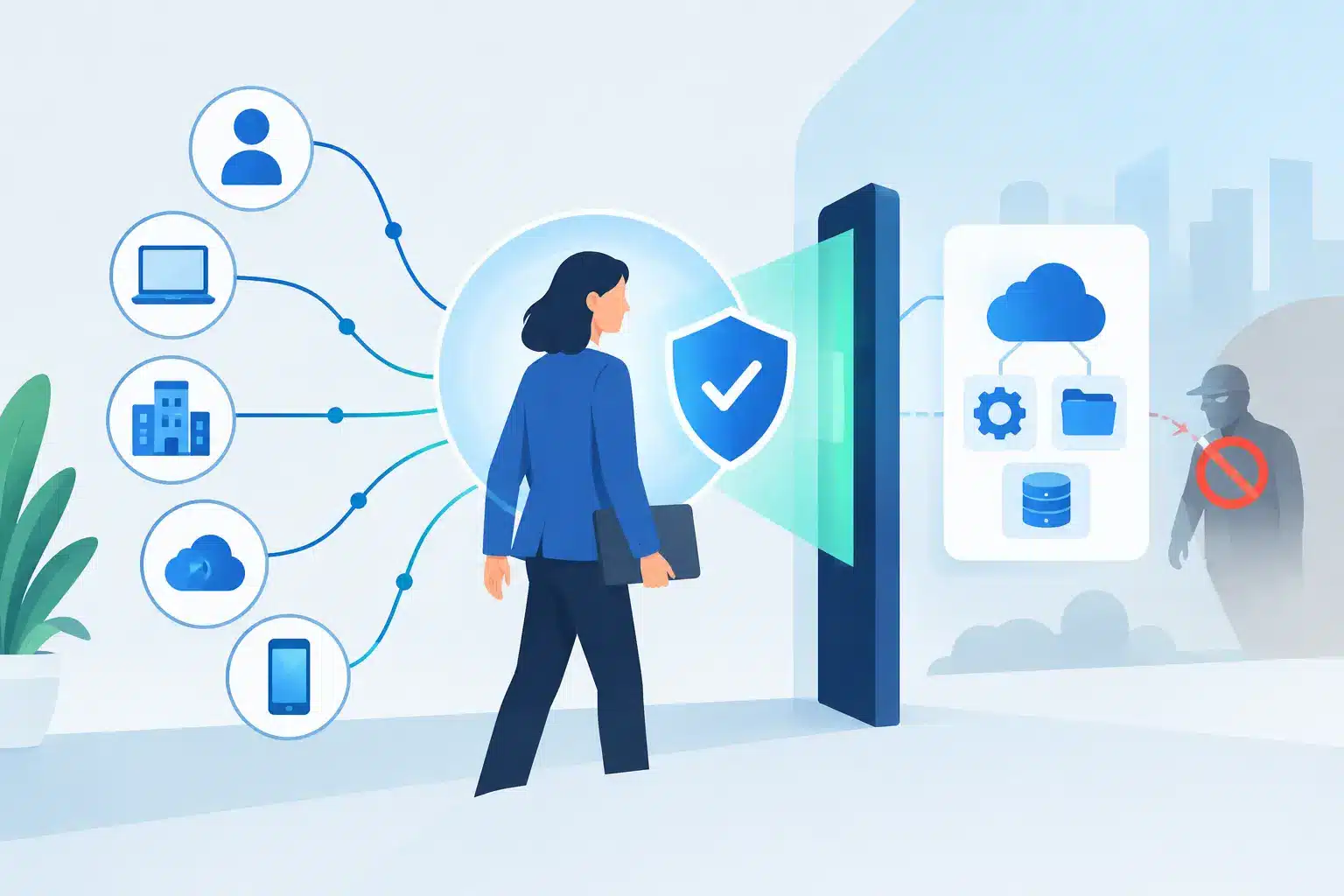
Tool access also needs policy enforcement at execution time. It is not enough to validate that an agent was authorized when it started. The environment should evaluate whether the requested action is allowed now, for this resource, in this context, and at this level of sensitivity.
For some use cases, a gateway or brokered access layer can restrict available tools, validate parameters, redact sensitive data, and block prohibited operations before they reach downstream systems. This adds operational complexity, so it should be prioritized for agents with privileged access, regulated data exposure, or the ability to initiate external actions.
Make agent actions observable and explainable
Security operations cannot defend what they cannot see. AI agents need logs that connect a business request to the agent identity, model or workflow version, tools invoked, authorization decisions, data sources accessed, actions performed, and final outcome.
This evidence is essential during an incident, but it is also necessary for governance. If an agent creates a user, changes an entitlement, exports records, or triggers a payment workflow, investigators must be able to establish why it acted and whether the action was consistent with policy.
Monitoring should look for patterns that indicate misuse or drift: unusual tool invocation volume, access to unfamiliar systems, repeated authorization failures, unexpected privilege elevation, high-value transactions, or data movement outside approved boundaries. Alerts need clear escalation paths. A detection without a defined containment action is only a record of delayed response.
Explainability has limits. Large language model reasoning is not always deterministic or fully reproducible. Organizations should not promise perfect interpretability. They can, however, maintain strong records of inputs, policy checks, tool calls, approvals, and outputs. That operational evidence is far more useful than an unstructured transcript after the fact.
Build a lifecycle, not a one-time control set
Agent security changes as models, integrations, and business requirements evolve. A secure pilot can become an unmanaged production dependency when its scope expands faster than its governance.
Establish an intake process before an agent receives access to enterprise systems. The review should define the business purpose, data classification, required tools, identity type, privilege level, approval requirements, monitoring expectations, and recovery procedure. The same discipline should apply when a new connector, model version, or autonomous action is introduced.
Periodic access reviews remain necessary, but they should be meaningful. Review whether the agent still serves its stated function, whether permissions remain justified, whether its owner is active, and whether its connected systems have changed. Remove access that is no longer required.
This work crosses IAM, PAM, identity governance, secrets management, application security, and security operations. Fragmented ownership often leaves gaps between the agent platform and the systems it can reach. A coordinated identity architecture gives teams a common control plane for authentication, authorization, privileged activity, evidence, and lifecycle management.
The operational question leaders should ask
The central question is not, “Do we trust the AI?” It is, “What can this agent do, under which identity, with whose approval, and how quickly can we stop it?”
Organizations that can answer those questions clearly can use AI agents with greater confidence. Those that cannot should limit autonomy until they establish the identity controls, privilege boundaries, and operational visibility required for production use. IDENT1TY helps organizations turn that requirement into a structured security capability, so innovation does not outpace control.