An AI agent that can query a customer record, reset an account, approve a payment, or run infrastructure changes is not just a feature. It is an access-bearing entity. So, can AI agents authenticate? Yes. But authentication alone does not make an agent trustworthy, authorized, or safe to operate in a production environment.
For enterprise security teams, the real question is whether an organization can establish, govern, and continuously verify an agent identity with the same discipline applied to workforce users, service accounts, and privileged administrators. If the answer is no, the agent may become a new path around controls that took years to build.
Can AI Agents Authenticate to Enterprise Systems?
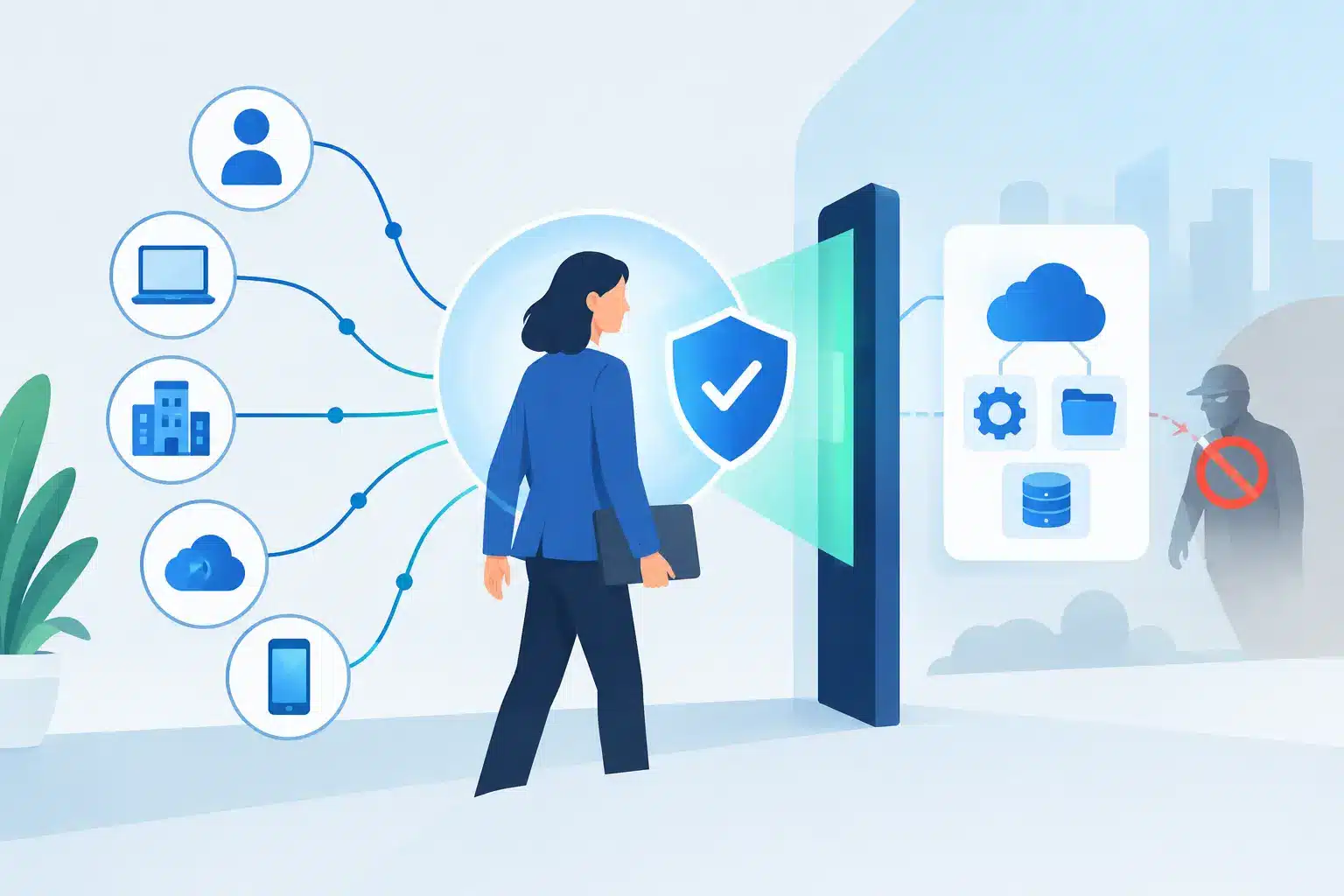
AI agents can authenticate through established machine identity patterns. An agent may present a client certificate, OAuth client credentials, a signed workload identity token, a cryptographic key, or a federated identity assertion. The technology is not fundamentally new. The risk comes from how agents use authenticated access: dynamically, at speed, across multiple systems, and sometimes with delegated authority from a human user.
Authentication answers a narrow question: is this the agent identity it claims to be? It should be based on verifiable cryptographic proof, not a shared password embedded in code, a static API key copied between environments, or a generic service account used by every agent.
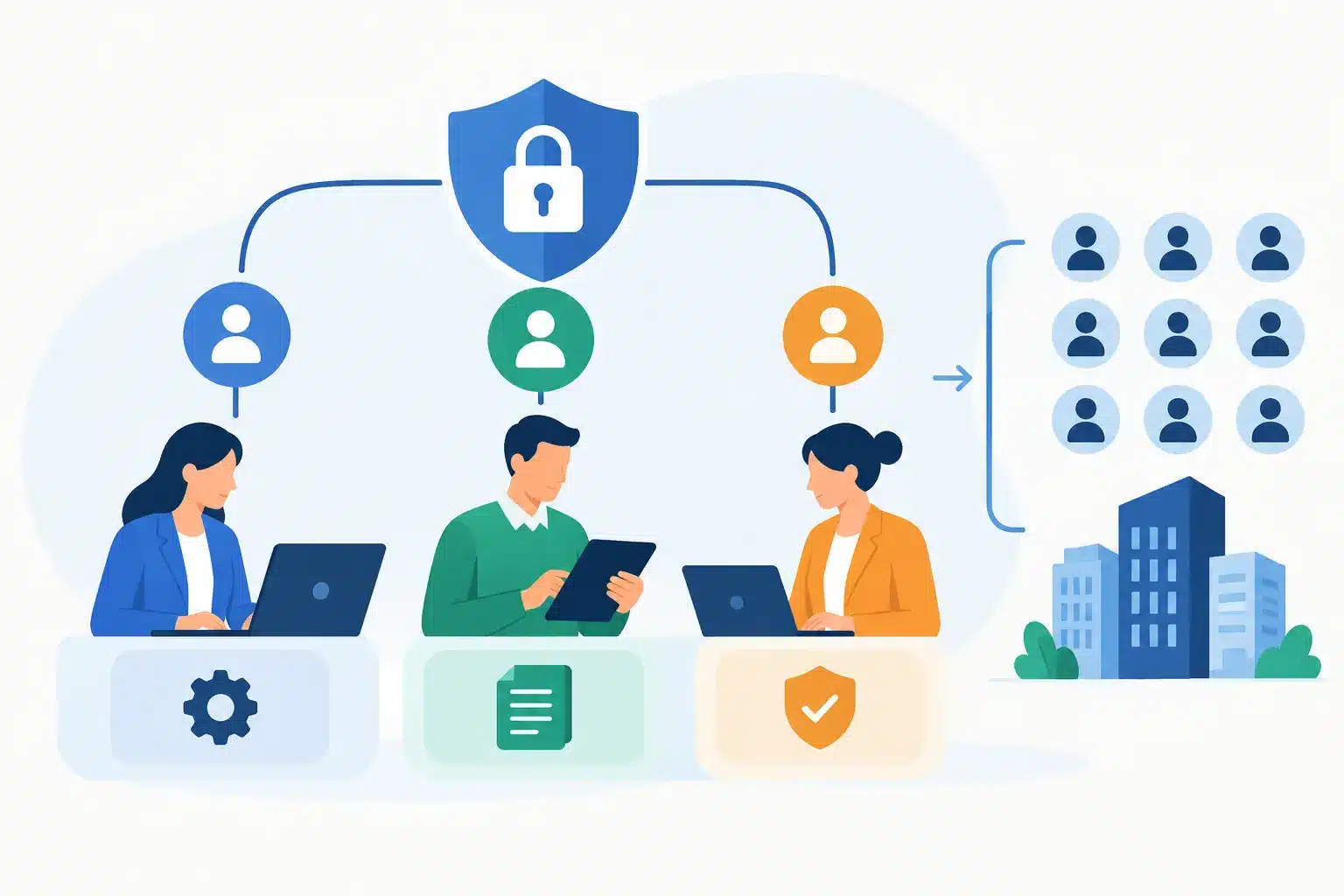
A well-designed AI agent should receive its own unique identity. That identity should be tied to a specific workload, purpose, environment, owner, and approved set of integrations. An agent handling HR knowledge retrieval should not authenticate as the same identity used by an agent that can initiate financial transactions or administer cloud resources.
This separation creates a clear control boundary. It also gives security teams something they can inventory, monitor, certify, suspend, and retire.
Authentication Is Only the First Decision
Treating authentication as the whole security problem is a costly mistake. Once an AI agent proves its identity, the next decisions matter more: what can it access, under what conditions, on whose behalf, for how long, and with what evidence?
An agent that authenticates successfully to an identity provider may still be denied access to a target application. That is appropriate. Authorization must enforce least privilege and account for the sensitivity of the requested action.
Consider a support agent that authenticates to a CRM platform. Reading a customer case summary may be acceptable. Exporting an entire customer database, changing account ownership, or issuing a refund should require separate permissions and, in many cases, a human approval step. The agent’s ability to reason about a request does not justify broad standing access.
This distinction becomes more critical when an agent acts on behalf of a user. A delegated session should preserve the original user’s identity, the agent identity, the delegated scope, and the approval context. Without that chain, audit logs may show an action occurred but fail to establish who initiated it, which agent executed it, or whether the action exceeded its intended mandate.
Build an AI Agent Identity, Not a Generic Service Account
Many early AI deployments rely on existing service accounts because they are fast to configure. That shortcut creates a familiar but serious governance problem. Shared service accounts obscure accountability, often accumulate excessive permissions, and are difficult to decommission when an experiment becomes a business process.
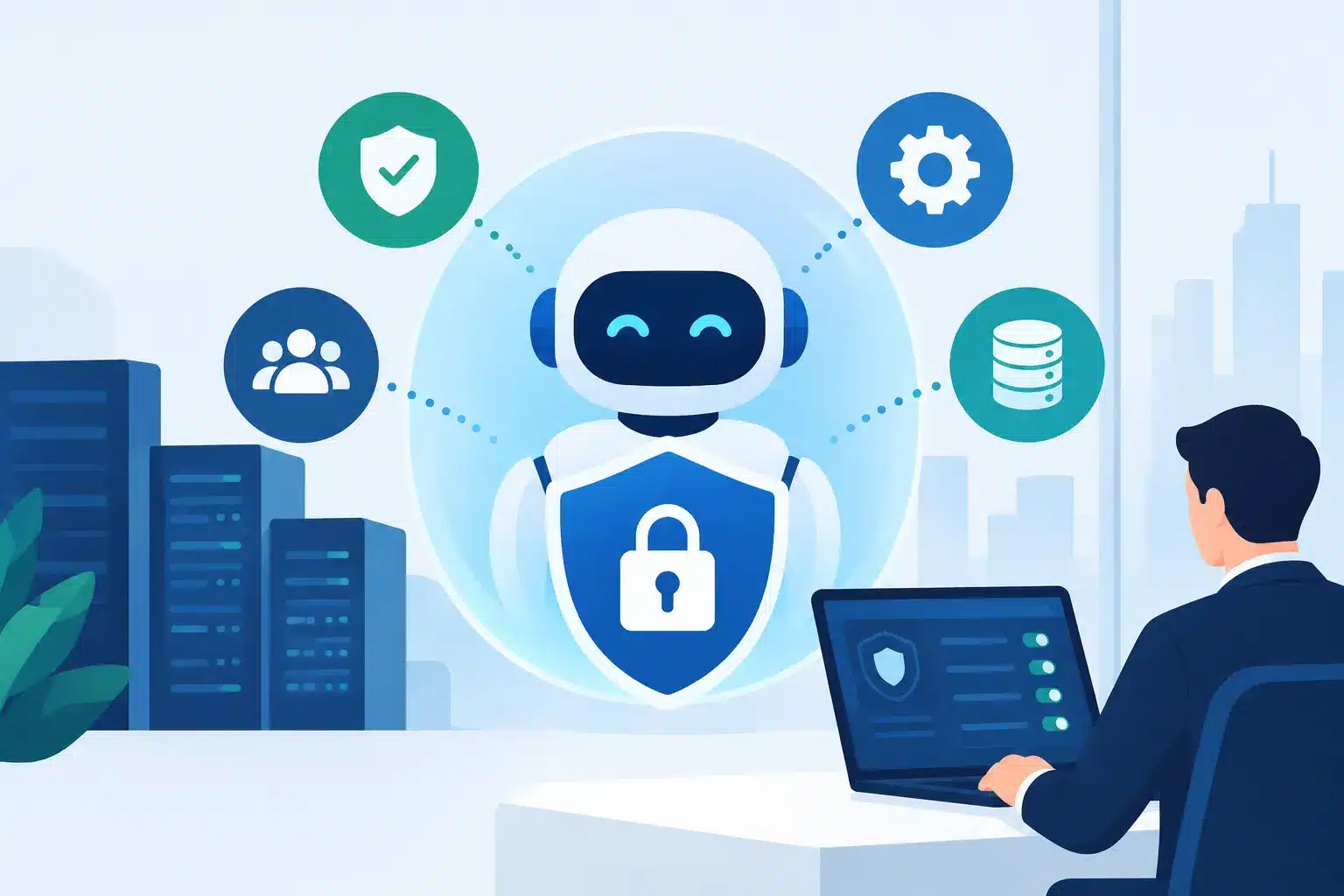
An agent identity should instead be managed as a first-class non-human identity. At minimum, its record should establish the business owner, technical owner, system purpose, data classification, deployment environment, permitted resources, credential type, and review date.
The credential should be short-lived where possible. Workload identity federation and dynamically issued tokens reduce the exposure created by persistent secrets. Mutual TLS certificates can provide strong machine-to-machine authentication when lifecycle controls are in place. Signed tokens can carry scoped claims and expiration data. The right method depends on the architecture, but the principle is consistent: minimize reusable credentials and make identity proof verifiable.
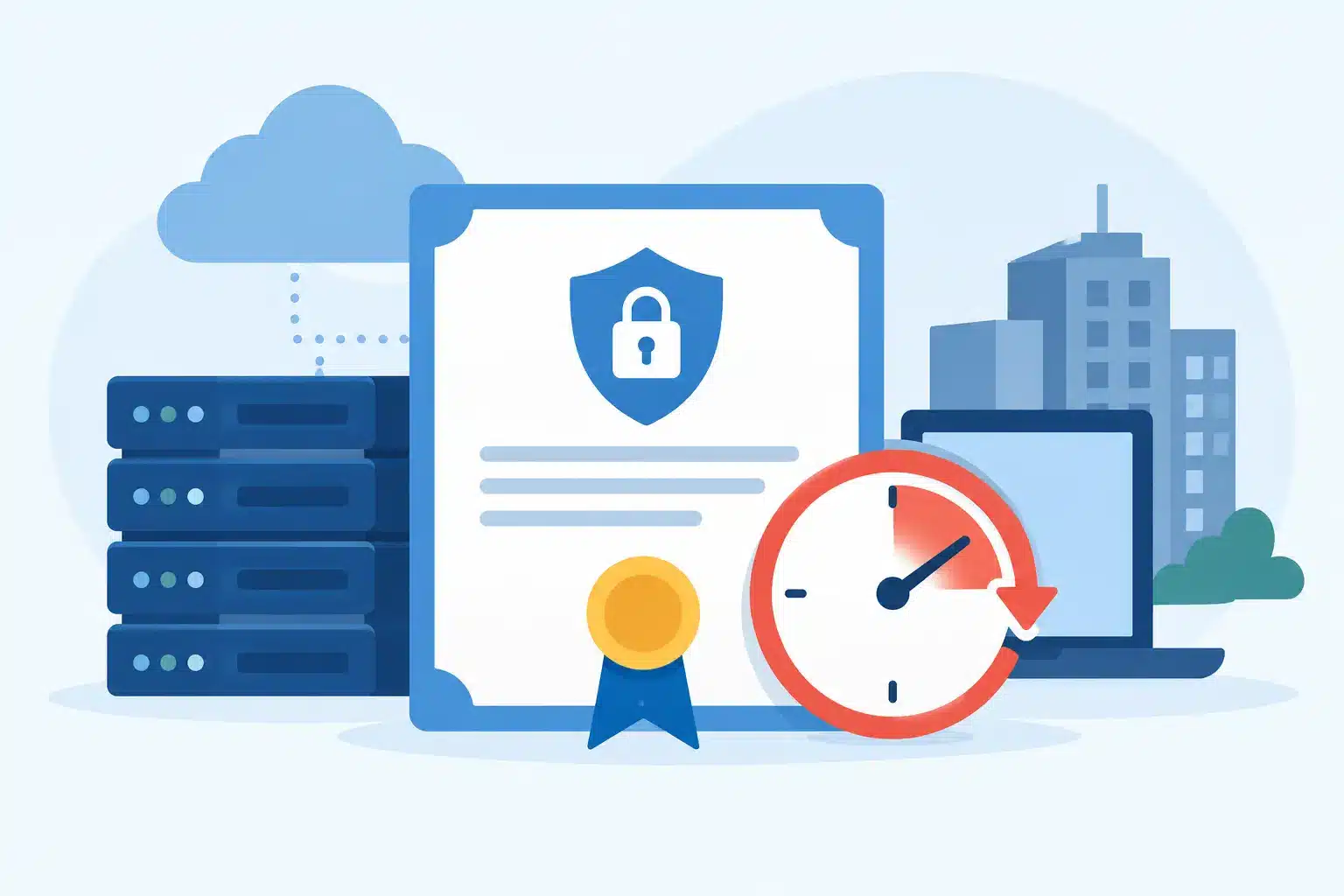
Certificate lifecycle management deserves particular attention. AI agents may run across cloud services, containers, automation platforms, and internal systems. If certificates are manually issued or poorly tracked, expiration can interrupt critical workflows while unmanaged certificates expand the attack surface. Agent authentication must include issuance, renewal, revocation, monitoring, and ownership from the start.
Control Delegation and Tool Access
The greatest exposure often sits behind the agent, not in the model itself. Agents become operationally useful when connected to tools: ticketing systems, databases, cloud consoles, payment platforms, code repositories, collaboration services, and privileged administration interfaces.
Each tool connection needs an explicit authorization design. Avoid giving an agent broad API access simply because a narrow use case requires one function. Scope permissions to the exact operations required, separate read actions from write actions, and limit access by tenant, application, data domain, or environment where supported.
For high-impact actions, use step-up controls. An agent can prepare a change, generate a recommendation, or assemble evidence, while a human approver authorizes execution. In other cases, a policy engine can permit action only when defined conditions are met, such as a low-risk transaction value, an approved maintenance window, or a valid change ticket.
Privileged access requires additional restraint. An AI agent should not receive unrestricted administrative rights to resolve routine tasks. Use just-in-time elevation, session controls, command restrictions, and time-bound access. If an agent must perform privileged activity, record the request, policy decision, commands or API calls, target systems, and outcome in a form security teams can investigate.
Five Controls That Make Agent Authentication Defensible
A production deployment needs more than a token exchange. These controls establish the minimum operating discipline:
- Unique agent identities: Assign one identity per agent, function, and environment. Do not reuse shared service accounts across agents or teams.
- Short-lived, managed credentials: Prefer federated workload identities, expiring tokens, and managed certificates over static secrets stored in prompts, scripts, or configuration files.
- Least-privilege authorization: Limit each agent to defined APIs, actions, datasets, and target environments. Review permissions as use cases evolve.
- Delegation and approval controls: Preserve the user-to-agent-to-system chain of authority. Require approval or policy validation for consequential actions.
- Continuous visibility: Log authentication events, token issuance, tool calls, privilege elevation, policy denials, and administrative changes. Monitor for abnormal access patterns.
These controls should connect to existing IAM, PAM, IGA, security operations, and certificate management processes. Creating a separate, unmanaged agent security process only adds another silo to an already fragmented identity environment.
Governance Must Match the Agent Lifecycle
AI agents change quickly. Prompts are updated, models are replaced, tools are added, and workflows expand beyond their original use case. Identity governance must keep pace with those changes.
Before deployment, establish an access design and identify the accountable business owner. During operation, certify access at defined intervals and trigger reviews when an agent gains a new tool, changes environments, or begins handling a higher data classification. When an agent is retired, disable identities, revoke tokens and certificates, remove delegated grants, and preserve the audit record according to policy.
This is where governance programs often expose a gap. Traditional identity processes may recognize employees, contractors, and service accounts but lack a category for autonomous or semi-autonomous agents. That gap should be closed deliberately. An agent needs a lifecycle, an owner, an entitlement model, and a termination process.
The Practical Standard: Verifiable, Limited, Accountable
The question is not whether an AI agent can obtain an access token. Most can. The practical standard is whether every authenticated agent is verifiable, limited to an approved purpose, and accountable for every sensitive action it performs.
Organizations that build these controls early can use AI agents without turning them into invisible privileged users. The right operating model treats agent identities as part of the enterprise identity fabric: governed from design through retirement, monitored in production, and constrained when the risk changes. That is how AI capability becomes controlled access rather than uncontrolled exposure.