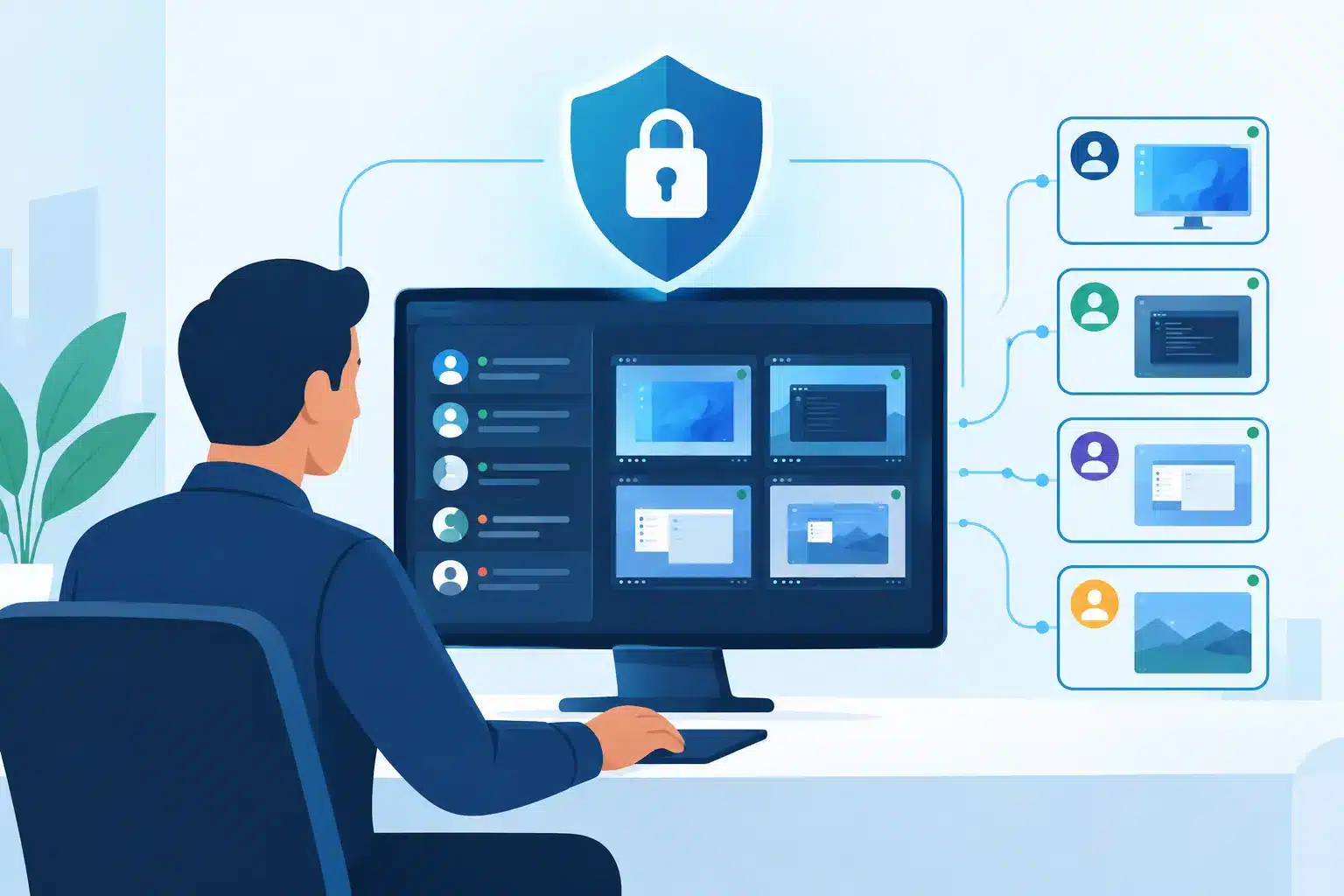
A terminated administrator account still active in a legacy VPN. A production service account with a password nobody owns. An AI agent connected to sensitive data with permissions inherited from a developer’s test environment. These are not isolated technical oversights. They are the predictable result of access controls spread across disconnected systems.
Knowing how to centralize access controls means more than placing single sign-on in front of a few business applications. It means establishing a controlled operating model for every identity that can access systems, data, infrastructure, and services. The objective is clear: make access visible, policy-driven, reviewable, and removable at the speed of the business.
Centralization is an operating model, not a product
Many organizations begin with an identity platform, a privileged access tool, or an identity governance program and assume centralization will follow. Those technologies are foundational, but they do not create control by themselves. Centralization requires consistent decisions about who receives access, how that access is approved, where it is enforced, and how exceptions are handled.
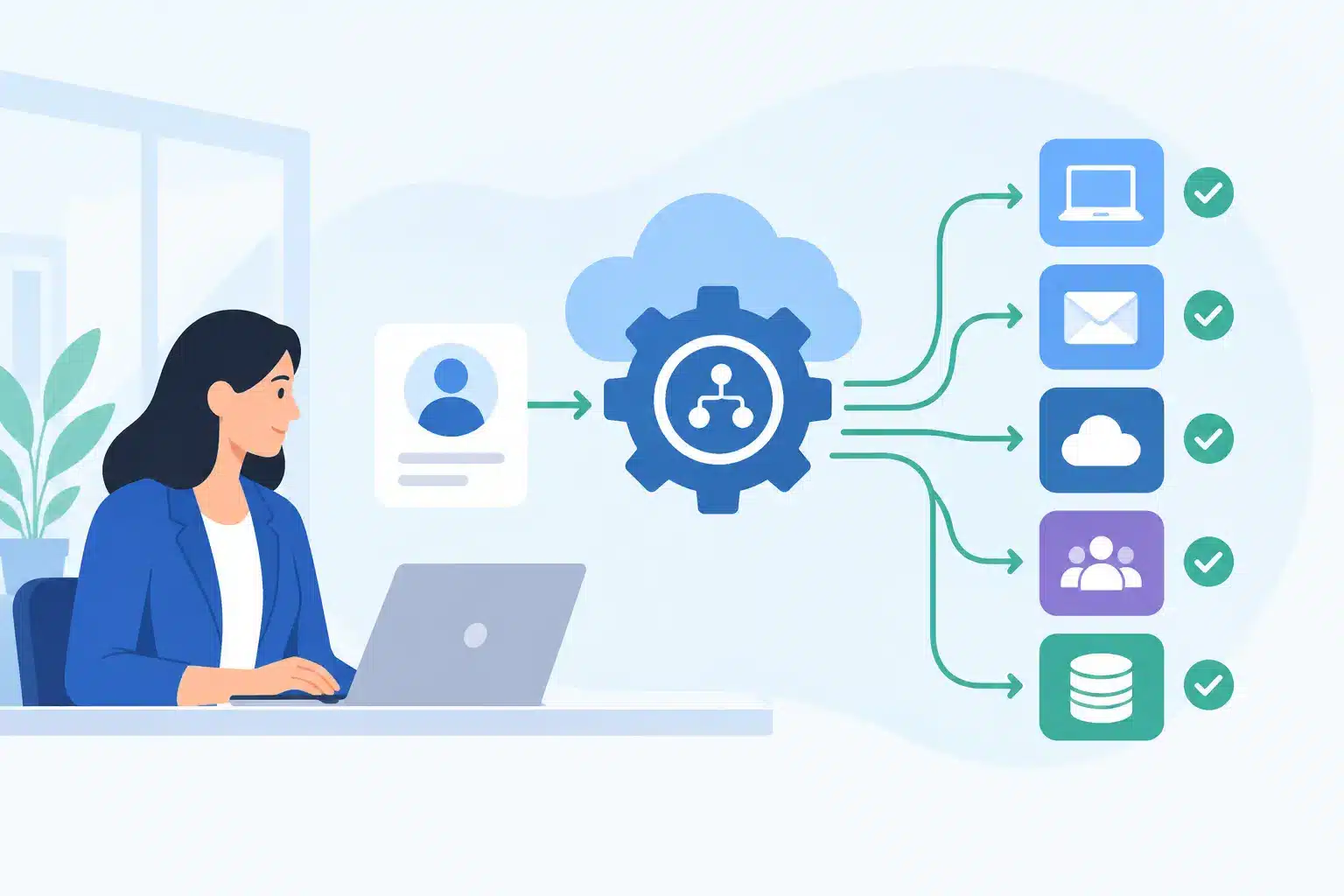
A centralized model connects identity lifecycle management, authentication, authorization, privileged access, machine identity management, and governance. Each discipline has a different purpose. Together, they create an authoritative control plane rather than a patchwork of local administrator decisions.
This does not mean every application must be replaced or every permission managed from one console on day one. Mature enterprises have legacy platforms, operational technology, acquired environments, and regulatory constraints. The practical goal is centralized policy and accountability, with integration prioritized according to risk and business value.
Start with an access control inventory
You cannot centralize what you have not identified. The first task is to establish a defensible inventory of access paths and the identities behind them. This requires more than exporting users from a directory.
Map the systems that grant or enforce access, including workforce applications, cloud platforms, infrastructure, VPNs, databases, developer tools, SaaS tenants, and partner portals. Then identify the identity types operating in each environment: employees, contractors, customers, administrators, service accounts, API credentials, certificates, workload identities, and AI agents.
For every high-value system, establish four facts: the authoritative source for an identity, the mechanism used to authenticate it, the permissions it can receive, and the process used to remove or recertify that access. Missing answers expose the control gaps that matter most. A system with local accounts may still be necessary, but it should not remain ownerless or invisible.
Inventory work often reveals duplicate identities, unmanaged shared accounts, excessive standing privileges, and credentials embedded in scripts. Treat these findings as design inputs, not cleanup tasks to defer. They determine the sequence and scope of the centralization program.
Define authoritative sources and identity ownership
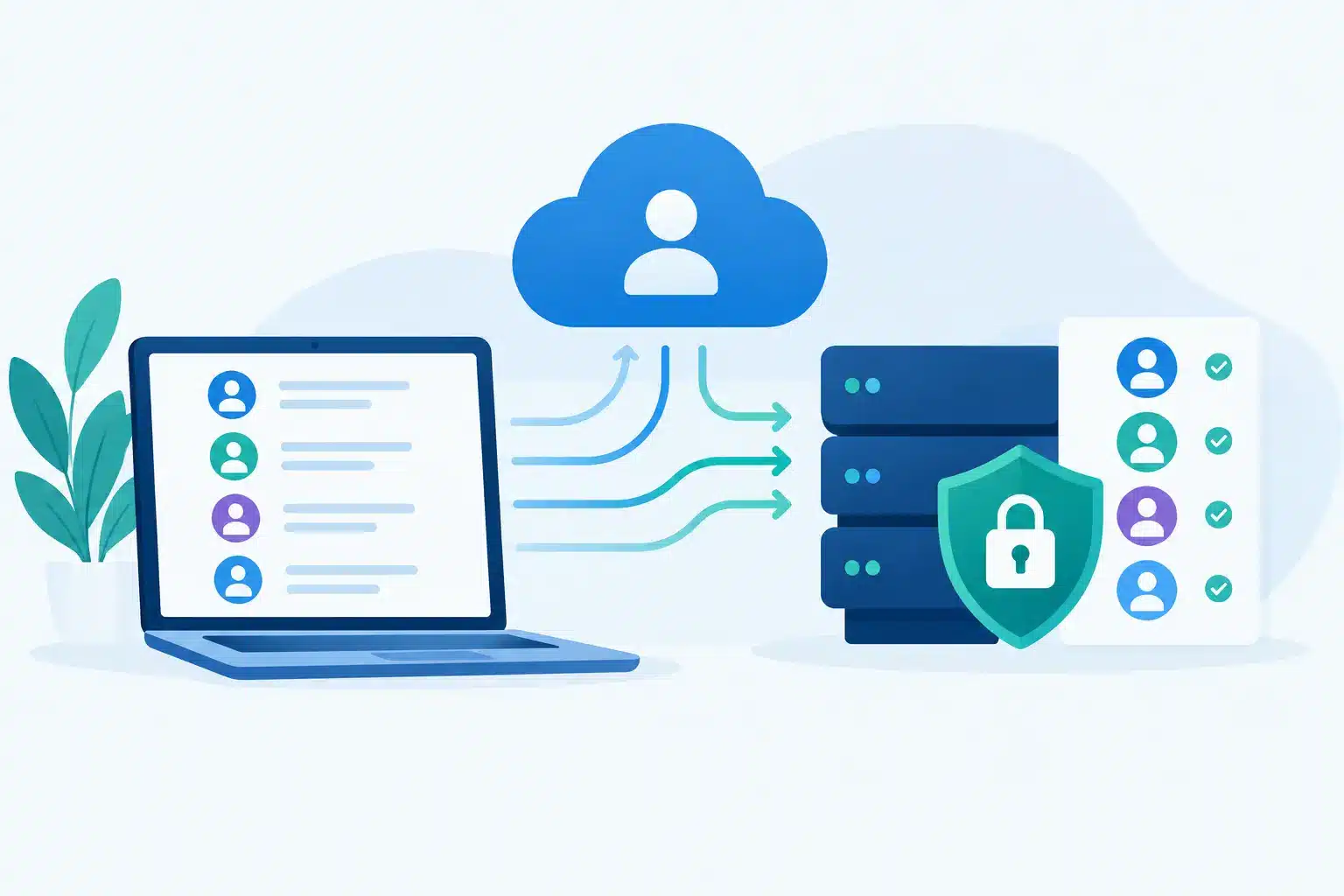
Central access control depends on reliable identity data. Human identities should normally originate from an authoritative HR system or approved contractor process. Non-human identities require an equally deliberate ownership model, even though they do not fit conventional joiner-mover-leaver workflows.
Every identity needs a named business owner and, where appropriate, a technical custodian. Ownership answers a critical question during a review or incident: who can confirm that this access is still required? For privileged and machine identities, the answer cannot be “the platform team” or “unknown.”
Define identity attributes that will drive policy. Department, role, employment status, location, cost center, application ownership, risk tier, and device posture may all be relevant. The right attributes depend on the organization, but they must be governed. Poor source data produces poor provisioning decisions at scale.
For non-human identities, capture purpose, owner, system dependency, credential type, privilege level, rotation requirement, and expiration or review date. AI agents deserve the same discipline. An agent should have a distinct identity, constrained scope, logged activity, and an accountable owner. It should never operate indefinitely through a user’s standing credentials.
Centralize authentication before chasing every entitlement
Authentication is usually the fastest path to measurable control. Federating applications through a central identity provider gives security teams consistent sign-on policies, stronger authentication methods, session controls, and audit visibility. It also reduces the number of passwords users and administrators manage across the estate.
Apply phishing-resistant multi-factor authentication first to privileged users, remote access, high-value applications, and administrative consoles. Then extend conditional access based on factors such as device health, network context, user risk, and application sensitivity. A centralized authentication layer can reduce exposure quickly, but it is not sufficient when users retain broad permissions after they sign in.
Legacy applications may not support modern federation. In those cases, use compensating controls such as privileged session management, network segmentation, credential vaulting, or access gateways. The trade-off is operational complexity. Document it, assign an owner, and set a target state rather than allowing an exception to become permanent architecture.
Standardize authorization with roles, policies, and approvals
The next step in how to centralize access controls is to move authorization decisions away from unmanaged, application-by-application requests. Start with the access patterns that are repeated, high-risk, or difficult to audit.
Role-based access control works well for stable business functions such as accounts payable analyst, claims processor, or plant supervisor. Attribute-based or policy-based controls are more effective where access depends on context, such as geography, case assignment, device trust, or data classification. Most enterprises need both. Trying to force every decision into a single role model creates role sprawl and makes the program harder to govern.
Define birthright access narrowly. New employees need the tools required to begin work, not broad access granted because it is convenient. Additional access should follow an approval workflow that validates business need, data sensitivity, segregation-of-duties requirements, and expiration where applicable.
For privileged access, eliminate standing administrative rights wherever feasible. Use just-in-time elevation, approved access requests, credential vaulting, and session recording for sensitive systems. Break-glass accounts remain necessary for operational continuity, but they must be tightly controlled, monitored, and tested. Emergency access that is never tested is simply unmanaged privilege waiting for an incident.
Bring machine identities and certificates into scope
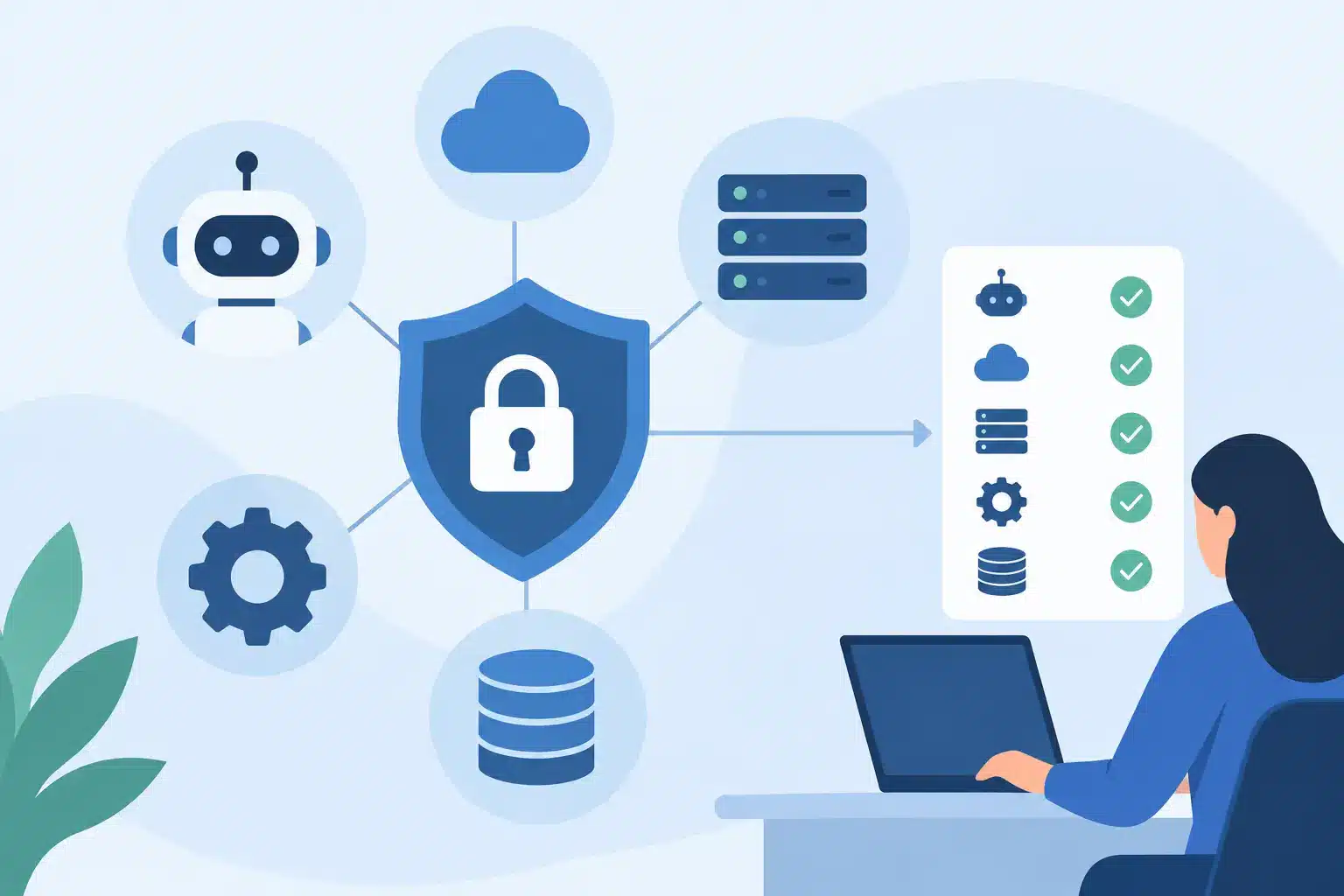
Access centralization fails when it stops with people. Modern enterprises often operate more machine identities than human users, and their credentials can provide direct paths to critical systems.
Service accounts, application secrets, API keys, cloud roles, certificates, and workload identities need centralized discovery, ownership, lifecycle controls, and monitoring. Hard-coded credentials and long-lived secrets create risk because they are difficult to rotate and nearly impossible to govern reliably. Prefer short-lived credentials and federated workload identity where the technology supports it.
Certificate lifecycle management belongs in the same control strategy. Expired certificates can interrupt customer services and internal operations. Unmanaged certificates can also enable impersonation or leave unknown trust relationships in place. Central inventory, automated renewal where appropriate, clear ownership, and expiration alerting turn certificates from an operational surprise into a managed security control.
Connect governance to daily operations
A centralized access model must prove that controls are working. That requires governance processes that fit operational reality, not annual review exercises that produce thousands of rubber-stamped attestations.
Use access reviews based on risk. Review privileged access, sensitive data access, external users, dormant accounts, and toxic combinations more frequently than low-risk baseline access. Provide reviewers with meaningful context: what the identity does, why it has access, when it last used that access, and what risk the entitlement creates. A manager cannot make a sound decision from an application code and an unreadable group name.
Connect identity events to security operations. Terminations, unusual privilege elevation, failed authentication patterns, dormant privileged accounts, and failed certificate renewals should create actionable signals. Centralization improves detection because access activity is no longer fragmented across isolated logs and local processes.
Measure the program with operational metrics: time to deprovision, percentage of applications under centralized authentication, privileged accounts under management, orphaned identity count, access review completion quality, and credential rotation coverage. These measures show whether risk is actually declining.
Sequence the work by risk and dependency
A big-bang identity transformation rarely succeeds. The better approach is to establish the target architecture, then execute in waves. Begin with the systems that combine high privilege, sensitive data, weak visibility, and a realistic integration path.
A typical early sequence is workforce identity sources, centralized authentication, privileged access controls, and governance for critical applications. Machine identities, certificates, and advanced authorization policies can then be brought under the same operating model. The exact order depends on the environment. A healthcare provider with unmanaged clinical access may prioritize differently than a manufacturer with exposed operational technology accounts.
Integration quality matters more than raw application count. A poorly designed connector can automate bad access decisions faster. Test lifecycle events, approval routes, error handling, deprovisioning, and audit evidence before expanding deployment. IDENT1TY approaches this work as an operational discipline, combining architecture, integration, governance, and ongoing support rather than treating deployment as the finish line.
Build control that survives change
Access control is tested when the organization changes: an acquisition closes, a cloud migration accelerates, a critical vendor gains remote access, or an AI initiative moves from pilot to production. Centralization gives teams a way to apply the same security decisions under those conditions without rebuilding controls from scratch.
The practical standard is not perfect uniformity. It is knowing every meaningful access path, assigning ownership, enforcing policy consistently, and having the evidence to remove access when risk or business need changes. That is how identity security becomes a controlled capability instead of a collection of tools.