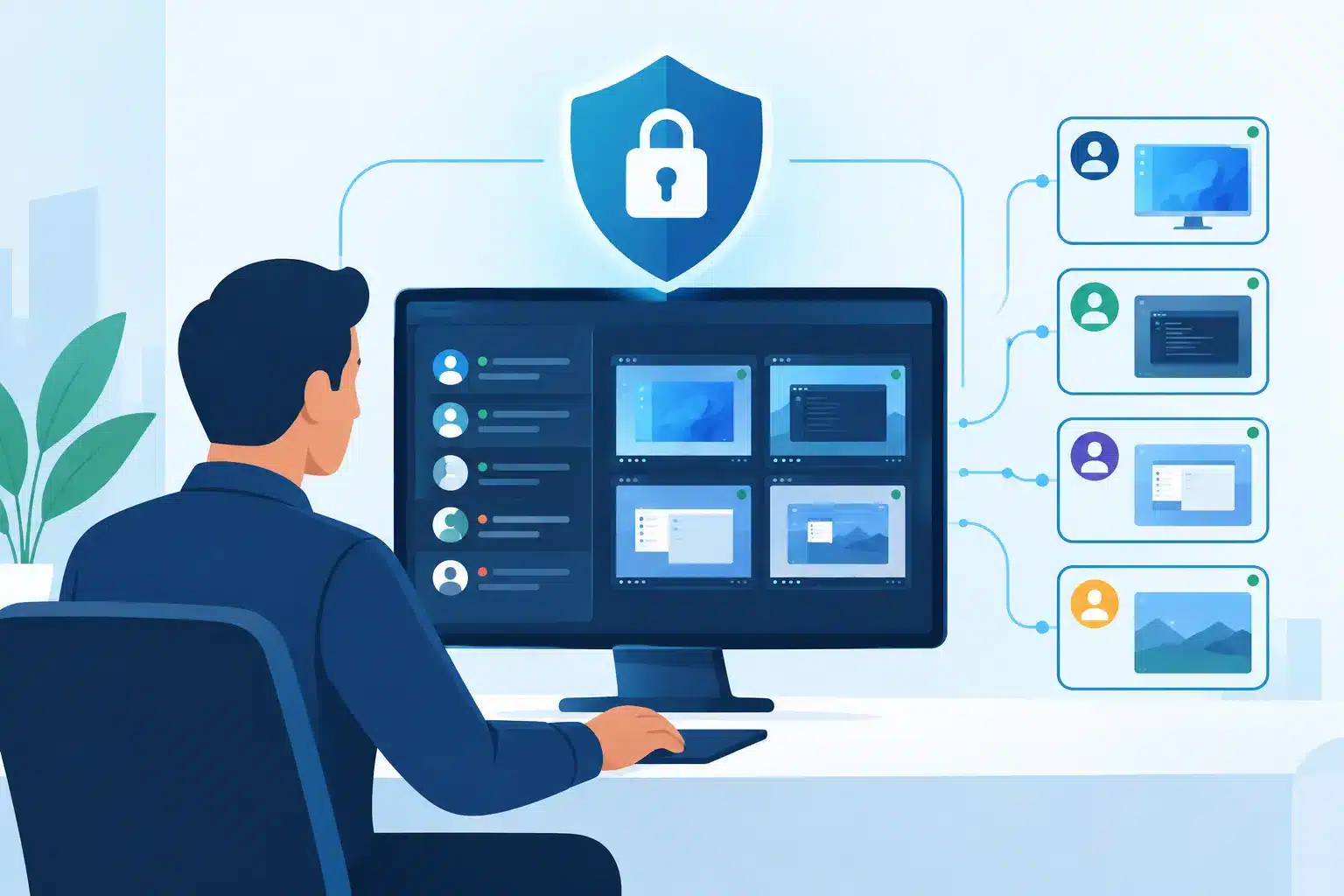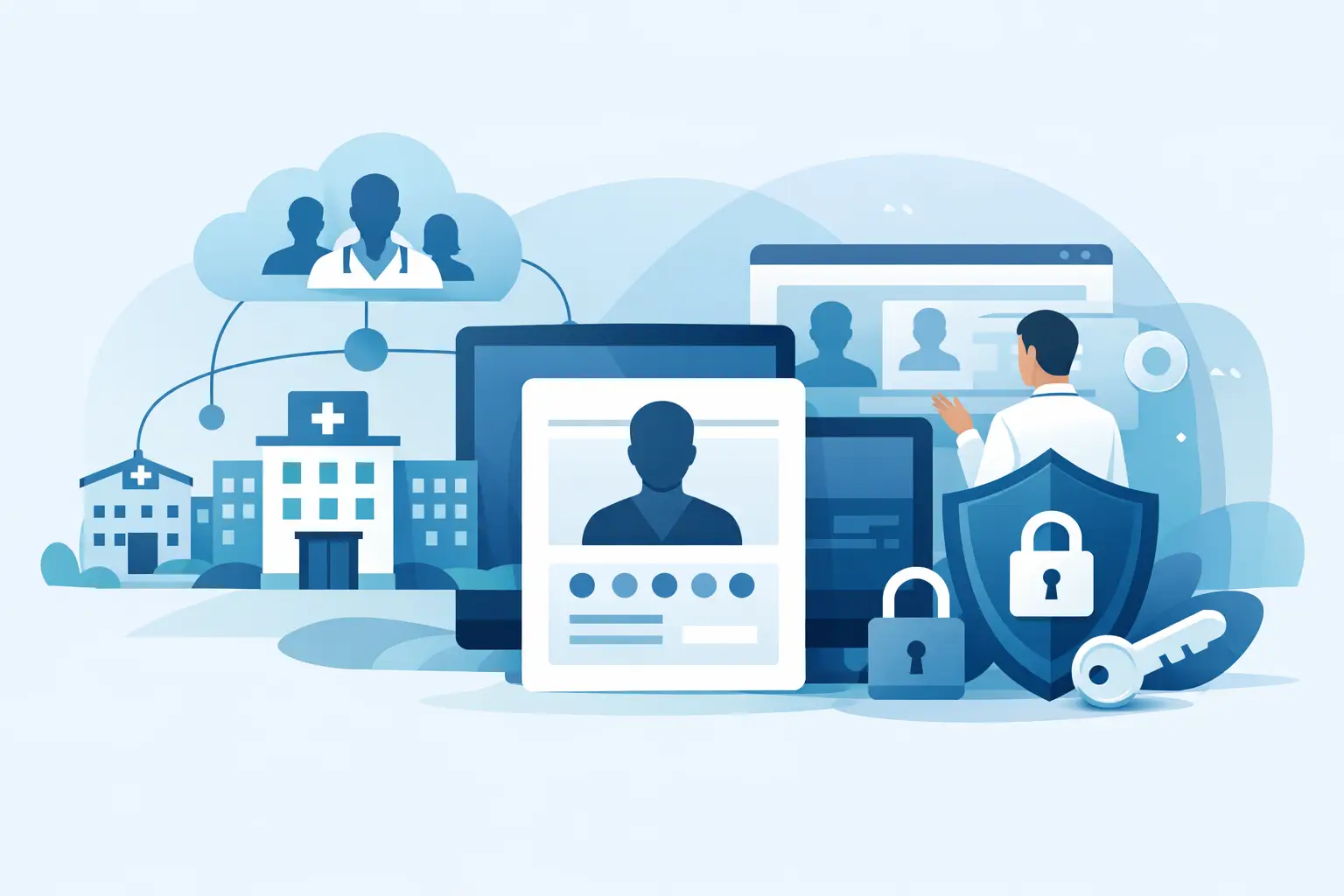
A hospital can deprovision a departed nurse in its primary directory and still leave active access behind in an EHR tenant, imaging system, pharmacy platform, VPN, shared workstation tool, or vendor portal. That is the operational problem hospital identity consolidation is meant to solve. It is not a directory cleanup project. It is a control program for every identity that can reach clinical, financial, operational, and patient data systems.
For healthcare organizations, fragmented identity is more than an administrative burden. It creates delayed care, excessive access, audit exposure, and an expanded path for ransomware. The challenge is especially acute after mergers, hospital acquisitions, EHR changes, and rapid expansion of cloud applications. Each event adds identities, authentication methods, local accounts, and inconsistent policies. Without a controlled consolidation strategy, the organization inherits risk faster than it can govern it.
Why Hospital Identity Environments Become Fragmented
Hospitals rarely choose complexity deliberately. It accumulates as the organization responds to clinical needs, regulatory changes, staffing shortages, and technology modernization. A physician may hold credentials across multiple affiliated facilities. A traveling nurse may need time-bound access to clinical applications, badge systems, and secure messaging. A biomedical device may authenticate to a network using a certificate that no team has clear ownership of.
The usual result is a mix of authoritative sources. HR may govern employees, while medical staff offices manage providers, staffing agencies manage contingent workers, and separate departments manage students, researchers, and volunteers. Patients, partners, suppliers, service accounts, APIs, devices, and AI agents add further identity populations. These identities do not share the same lifecycle, risk level, or access requirements.
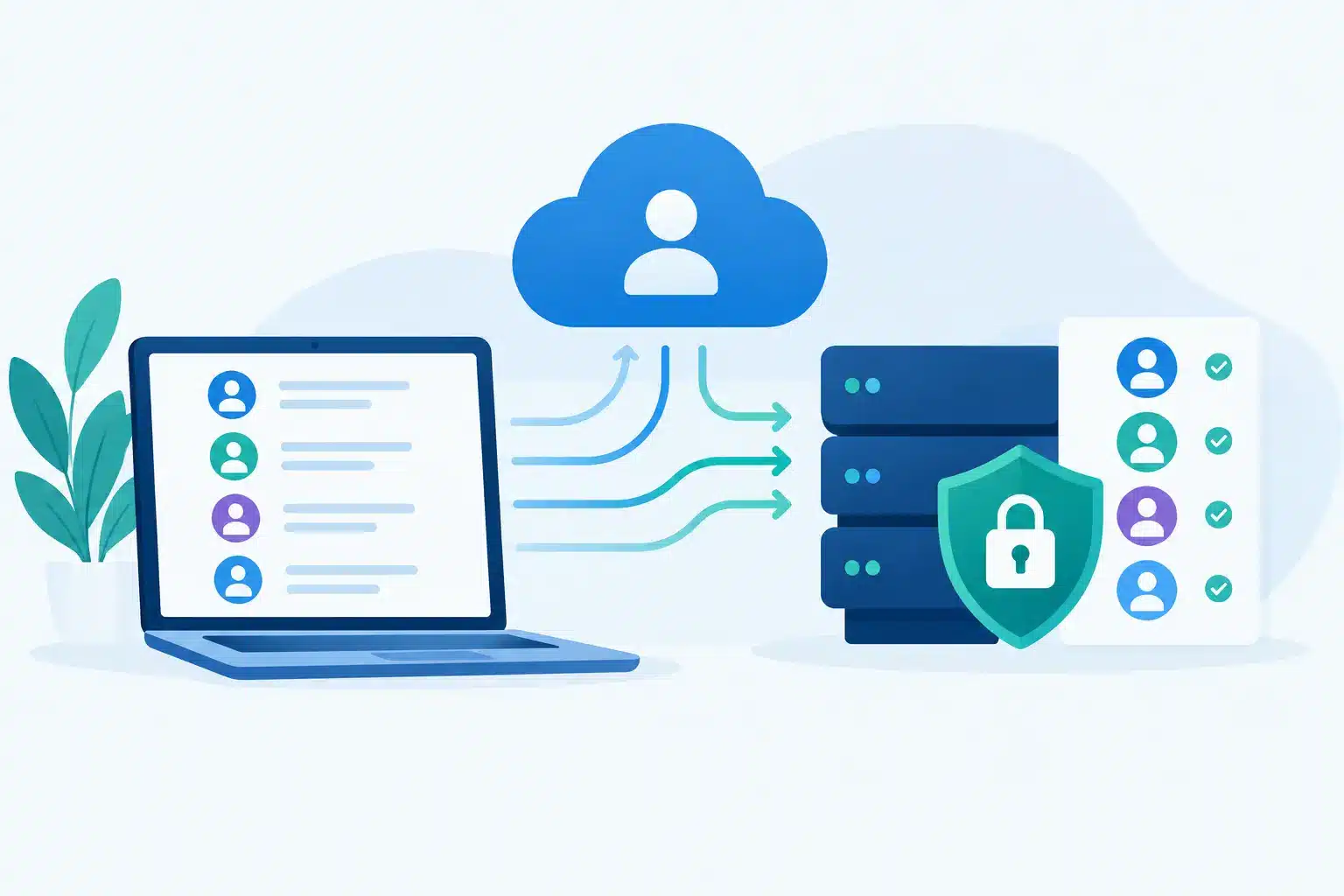
A consolidation effort fails when it treats all of them as identical records to move into one platform. The objective is not necessarily one directory, one vendor, or one authentication protocol. The objective is one accountable identity control model: clear sources of truth, consistent lifecycle rules, strong authentication, governed privilege, and measurable evidence that access remains appropriate.
What Hospital Identity Consolidation Should Deliver
A mature program connects identity architecture to hospital operations. It should make it possible to answer basic but critical questions quickly: Who has access to the EHR? Why do they have it? Who approved it? Is that access still required? Can it be removed immediately when employment, affiliation, or a care assignment ends?
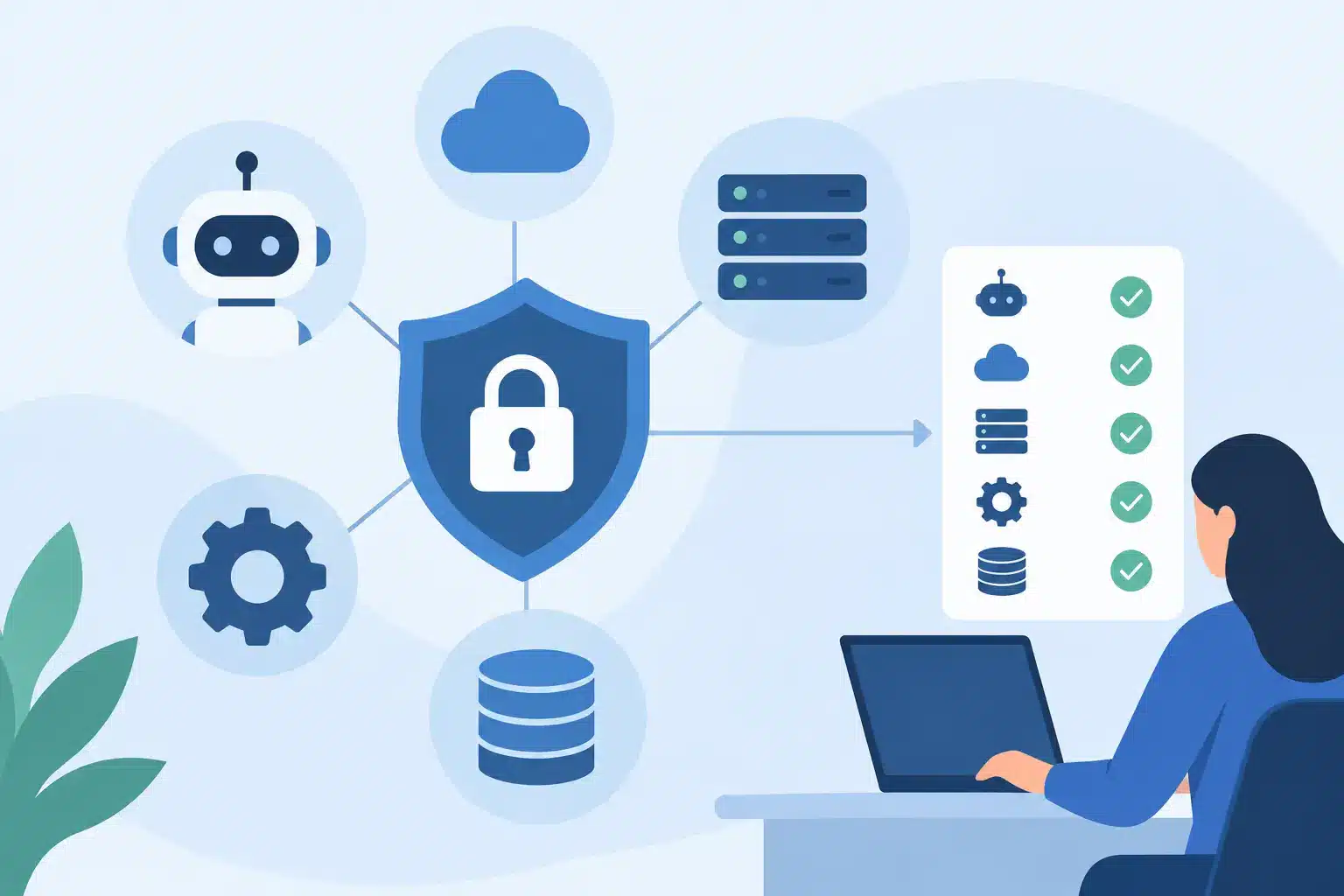
That requires several capabilities working together. Identity and Access Management establishes authentication, access provisioning, federation, and application integration. Identity Governance and Administration governs roles, access requests, approvals, certifications, and separation of duties. Privileged Access Management controls elevated administrator and vendor access. Certificate Lifecycle Management brings machine and device certificates into a managed lifecycle.
Consolidation also improves resilience. When access is centralized and policies are applied consistently, security teams can respond faster to compromised accounts, changes in workforce status, or a critical application outage. Clinical operations benefit when users receive the right access on time rather than relying on manual tickets, shared accounts, or informal workarounds.
The trade-off is that consolidation exposes unresolved ownership issues. A legacy application owner may not know which accounts are active. A department may resist standardized roles because its workflows are specialized. Those are not reasons to avoid the work. They are the conditions the program must govern explicitly.
Start With Identity Discovery, Not Platform Selection
Many healthcare organizations begin by selecting a new IAM platform. That can be appropriate, but technology selection should follow a clear understanding of the identity estate. Otherwise, the new platform becomes another layer over the same fragmented processes.
Discovery should identify authoritative sources, directories, application identity stores, privileged accounts, service accounts, certificates, federation connections, and current lifecycle workflows. It must also identify where manual intervention occurs. The most revealing findings are often mundane: an application that depends on a spreadsheet of authorized users, a provider account that remains active between assignments, or a shared administrator credential used during off-hours support.
Prioritize systems by clinical impact and access risk. The EHR, pharmacy, imaging, laboratory, revenue cycle, remote access, and core infrastructure usually deserve early attention. A hospital does not need to connect every application before it can reduce risk. It needs a phased plan that addresses the accounts and systems most likely to create patient safety, privacy, or operational consequences.
Establish a Source-of-Truth Model
Each identity population needs an accountable source. For employees, this is often the HR system. For affiliated physicians, it may be a credentialing or medical staff system. For nonemployees, a vendor management or contingent labor process may be required. The key is not the product name. It is whether the source provides reliable status, dates, organizational context, and a responsible owner.
A source system that cannot communicate a termination date, affiliation end date, or sponsor does not provide enough control for automated access decisions. In that case, the hospital may need to improve upstream data before enforcing downstream automation. Identity consolidation often becomes a catalyst for fixing foundational data governance.
Normalize Roles Without Blocking Care Delivery
Role design is where governance meets clinical reality. Overly broad roles create excessive access. Overly granular roles create administrative overhead and encourage exceptions. The right model balances standard access bundles with controlled, time-bound additions for specialized duties.
For example, a nurse role may grant baseline access based on facility, unit, and clinical function, while a temporary assignment grants additional access for a defined period. A provider may need access across several facilities, but that access should align with active credentialing and clinical affiliation. Emergency access remains necessary in certain situations, but it should be monitored, justified, and reviewed after use.
Control Privileged, Nonhuman, and Third-Party Identities
Workforce consolidation alone leaves major gaps. Hospital infrastructure depends on privileged administrators, application service accounts, device identities, vendor connections, and certificates. These identities can have broad access and often operate outside standard HR-driven workflows.
Privileged accounts should be individually attributable, protected by strong authentication, and governed through approved elevation workflows. Shared administrator credentials should be treated as a remediation priority, even if legacy systems make immediate replacement difficult. Where shared access cannot yet be eliminated, compensating controls such as credential vaulting, session recording, rotation, and stricter approvals reduce exposure.
Machine identities require the same discipline. An expired certificate can disrupt clinical services. An unmanaged certificate or service account can provide an attacker durable access without a human login. Assign owners, document purpose, automate renewal where possible, and monitor expiration and abnormal use. As hospitals adopt AI-enabled workflows, AI agents also need defined identities, scoped permissions, traceable actions, and revocation paths.
Third-party access deserves special attention. Vendors may support imaging devices, laboratory systems, building systems, or specialized clinical platforms. Their access should be approved by a business owner, limited to the required systems, protected with MFA, and removed automatically when the support agreement or work window ends. Persistent vendor VPN accounts are difficult to defend during an audit and dangerous during an incident.
Build the Program in Controlled Phases
A practical hospital identity consolidation roadmap starts with governance. Establish executive sponsorship across security, IT, clinical operations, HR, compliance, and medical staff leadership. Define decision rights before integration work begins. Someone must own identity policy, application onboarding standards, role approvals, and exception management.
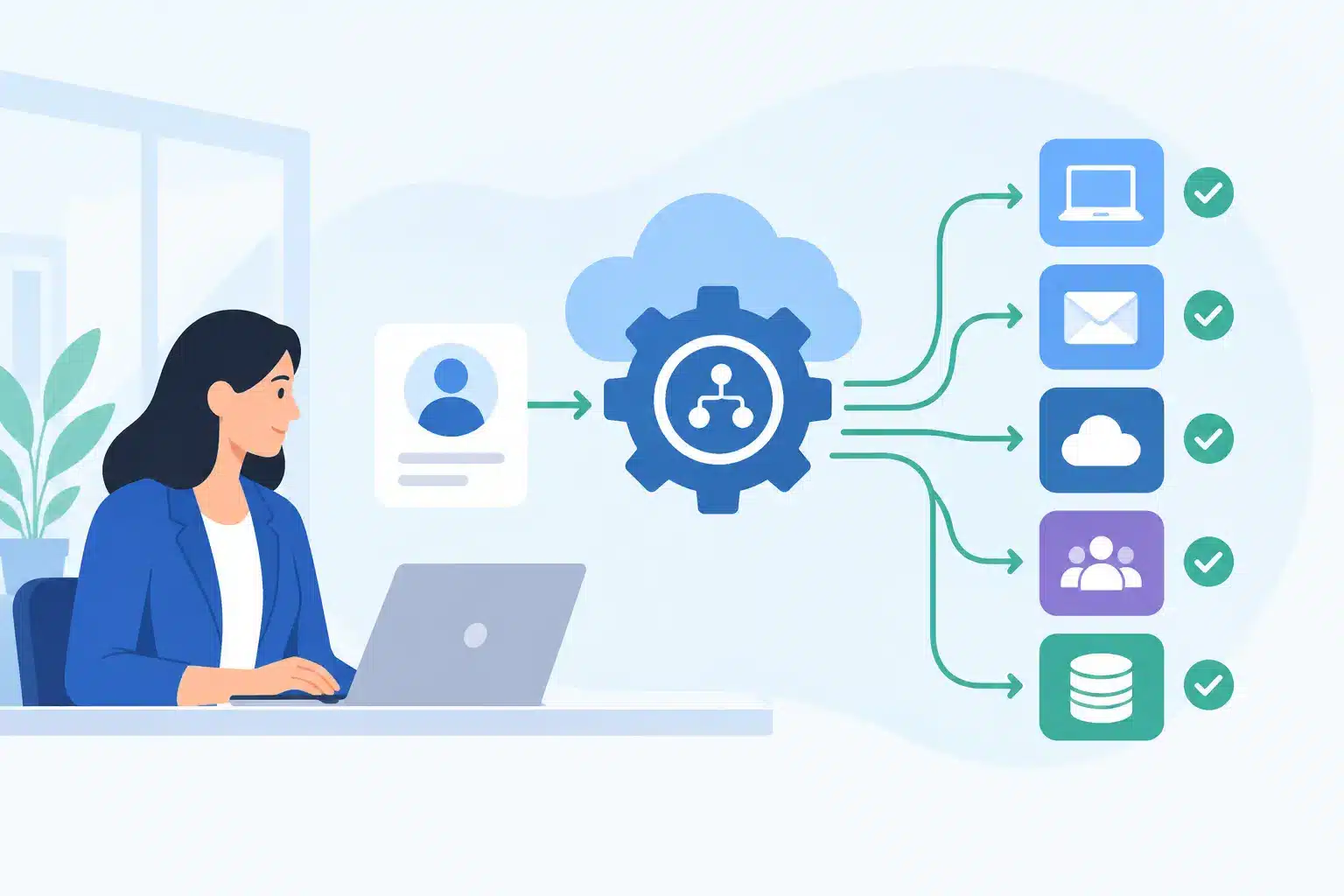
Next, secure high-risk access paths: remote access, privileged administration, EHR access, and the most sensitive cloud applications. Integrate authoritative sources and automate joiner, mover, and leaver events for the populations with the clearest data. Then expand application coverage, governance campaigns, role maturity, certificate management, and machine identity controls.
Measure outcomes throughout the program. Useful measures include time to provision access, time to remove access after separation, percentage of applications connected to centralized authentication, privileged accounts under vaulting, access review completion, orphaned account reduction, and certificate inventory coverage. Metrics turn identity security from a collection of tools into an operating capability with visible accountability.
The implementation approach must accommodate downtime constraints, clinical change windows, legacy applications, and local workflow differences. A technically elegant design that disrupts medication administration or emergency access will lose support quickly. Strong execution protects control objectives while testing changes carefully with the people who depend on the systems.
The Operating Model Matters After Go-Live
Identity consolidation is not complete when a platform is deployed or an acquisition directory is migrated. Hospitals change continuously. New staff arrive, affiliations shift, applications are replaced, vendors rotate, and clinical services expand. Controls drift unless ownership, monitoring, and operational support remain active.
This is where a specialist identity security partner can add value beyond implementation. IDENT1TY helps organizations align IAM, PAM, IGA, and certificate lifecycle controls into an operating model that can be measured, supported, and improved over time. The work is not about forcing every hospital into the same architecture. It is about establishing clear control where fragmented access currently creates uncertainty.
The next useful step is not another access review spreadsheet. It is a precise view of which identities can reach critical systems, who owns their lifecycle, and where the hospital cannot yet prove that access is controlled.