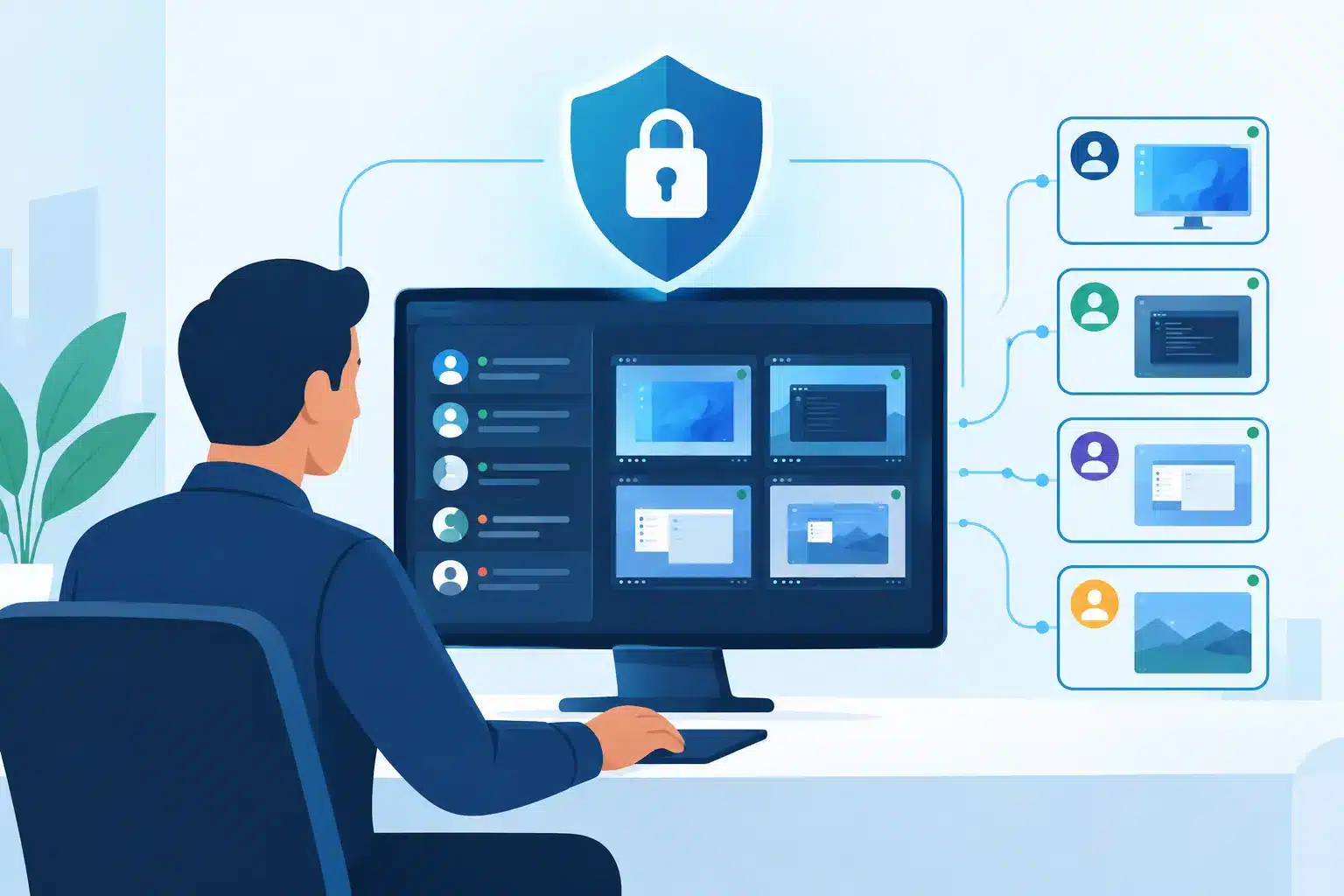
An AI agent that can read a service ticket, query customer data, reset an account, and trigger a payment workflow is not simply another application feature. It is an operating identity with the potential to make decisions and act across enterprise systems. The future of AI agent governance will be decided by whether organizations treat those agents as accountable identities before they become deeply embedded in critical business processes.
For security leaders, the issue is not whether agents will enter the environment. They already are, often through embedded copilots, workflow automation platforms, developer tools, and SaaS capabilities activated by business teams. The issue is whether each agent has a clear owner, tightly defined authority, controlled credentials, and an evidence trail that explains what it did and why.
AI Agents Create a New Access Governance Problem
Traditional identity governance was built around people, service accounts, and privileged administrators. Each category has established lifecycle events: hire, transfer, termination, deployment, rotation, or decommissioning. AI agents complicate that model because their actions can vary with the prompt, the data they receive, the tools available to them, and the policies that govern their execution.
An agent may have one technical identity but operate across many business contexts. A procurement agent may be allowed to retrieve contracts but not approve a supplier change. A customer support agent may summarize account history but should not disclose regulated information or alter a customer record without a human checkpoint. The access decision is no longer only about who the agent is. It is also about what task it is performing, what data it is processing, and which downstream action it is requesting.
This creates a governance gap when organizations use broad API permissions, shared service credentials, or default integrations to get an agent working quickly. The agent may perform as intended during testing, yet retain access that is far wider than its production role requires. That is an identity risk, not merely an AI risk.
The Future of AI Agent Governance Is Identity-Centered
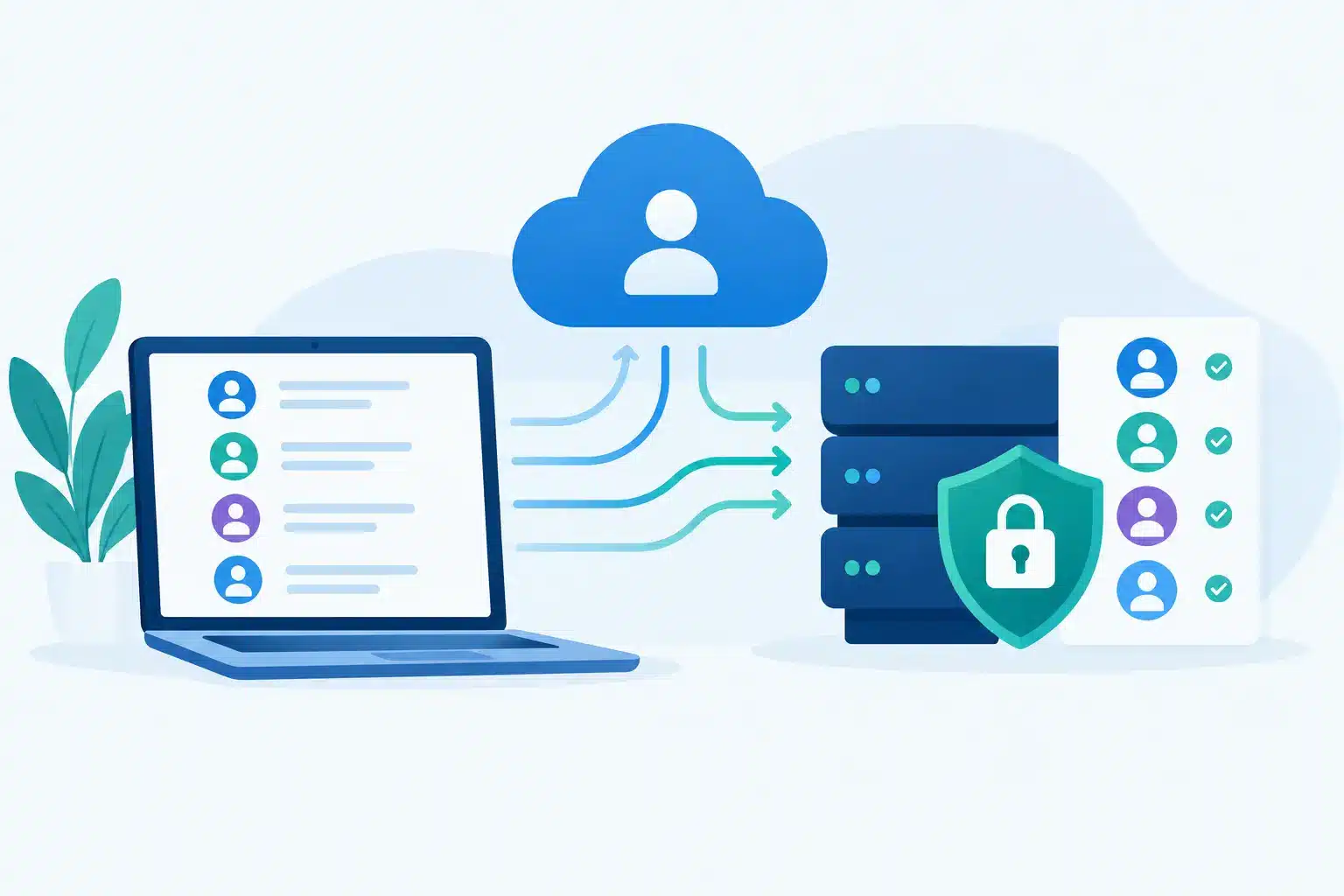
Effective governance begins with a simple control principle: every agent needs a distinct, managed identity. It should not borrow a developer’s access, operate through an unmanaged shared account, or rely on long-lived secrets placed in an integration script. A distinct identity creates the basis for authentication, authorization, monitoring, certification, and accountability.
From there, governance needs to recognize both the agent and its delegated authority. An agent acting on behalf of a finance analyst should not automatically inherit the analyst’s entire access profile. Delegation must be constrained by policy. The organization should be able to define the permitted systems, data classifications, transaction limits, operating hours, and approval requirements for that specific agentic task.
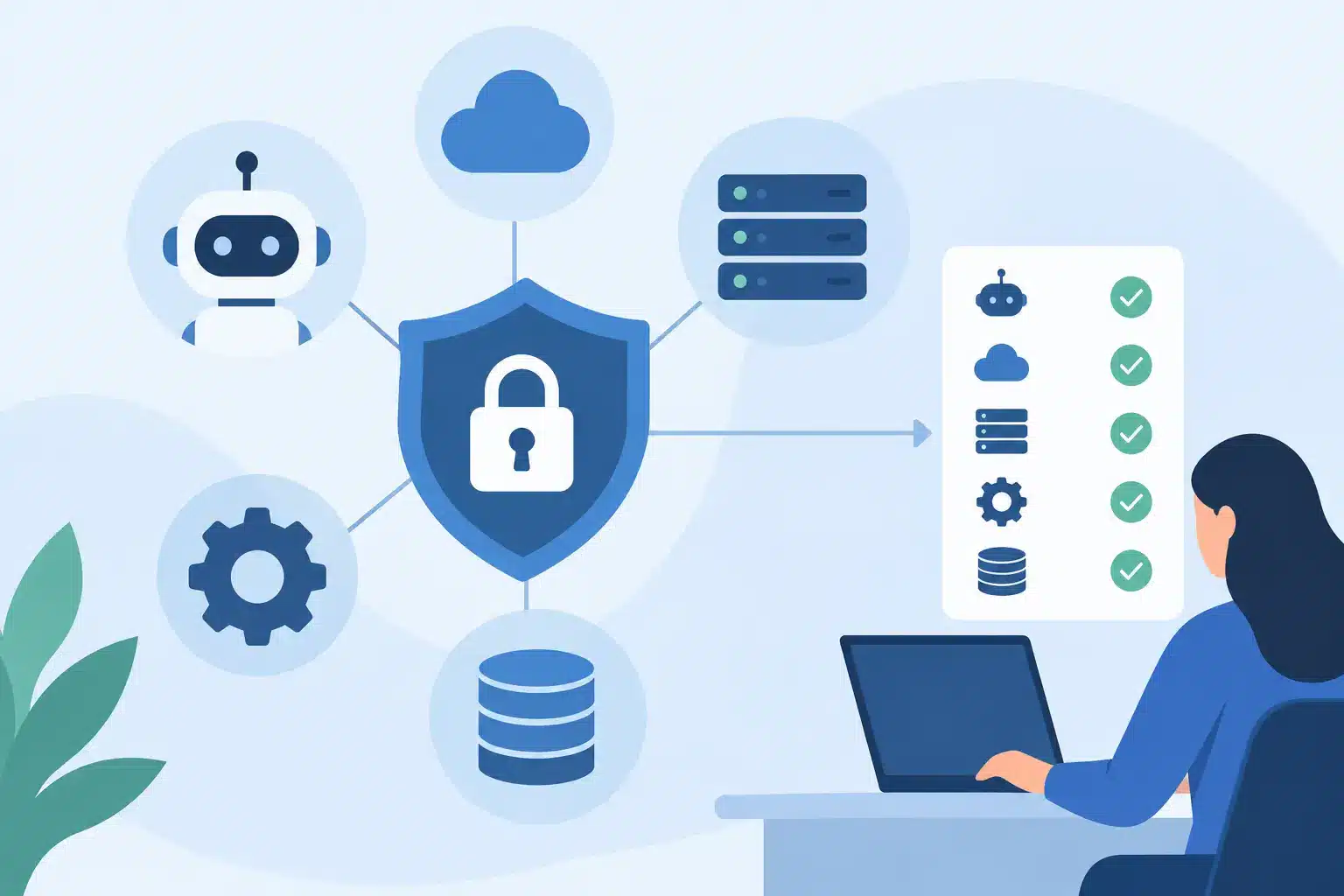
This is where established IAM, PAM, IGA, and machine identity practices converge. IAM verifies the agent and applies access policy. PAM controls high-impact actions and privileged sessions. IGA establishes ownership, access reviews, and lifecycle accountability. Machine identity security protects the certificates, tokens, keys, and workloads that allow agents to communicate with enterprise systems. Treating these as separate programs will leave control gaps at the points where agents actually operate.
Least Privilege Must Become Task-Specific
Least privilege for human users is usually role-based. Least privilege for agents must be more granular. An agent should receive only the permissions needed to complete a defined task, for a limited time, under known conditions.
That may mean issuing short-lived credentials for a single workflow, restricting an agent to approved APIs rather than broad database access, and requiring a human approval before a transaction crosses a financial, regulatory, or operational threshold. It may also mean denying access when the agent cannot establish sufficient context about the request.
There is a trade-off. Tighter controls can slow deployment and require more integration work. But unrestricted autonomy creates a different cost: difficult investigations, uncontrolled data exposure, and the possibility that a flawed prompt or compromised tool chain turns a useful agent into a privileged pathway through the environment. For high-risk processes, friction is often a control, not a failure.
Authorization Must Evaluate Context, Not Just Entitlement
Static permissions are insufficient when an agent can chain together actions across systems. A request that appears acceptable in isolation may become dangerous in sequence. For example, an agent might be authorized to read HR data and open an IT request, but it should not use that combination to trigger privileged account changes based on unverified information.
Policy enforcement therefore needs contextual signals. Relevant factors include the agent’s assigned purpose, the requesting user or system, data sensitivity, target application, requested action, confidence level, and prior steps in the workflow. Organizations do not need to solve every advanced policy scenario on day one. They do need to identify the workflows where context changes the risk decision and build controls there first.
Governance Requires Evidence, Not Assumptions
When an agent takes action, security and audit teams need more than an application log stating that a workflow completed. They need traceability across the full chain of delegation: who initiated the request, which agent handled it, what tools it used, what identity authenticated to each system, what data was accessed, what policy was evaluated, and whether a human approved an exception.
This evidence is essential for incident response. If an agent makes an unauthorized change, the investigation must determine whether the failure originated in the model behavior, prompt handling, tool permission, identity configuration, API integration, or approval process. Without correlated identity and activity records, teams will spend days reconstructing actions across disconnected platforms.
Auditability also supports business adoption. Process owners are more likely to trust agentic automation when they can see its authority boundaries, review its activity, and demonstrate compliance to internal auditors or regulators. In regulated sectors, that visibility is not optional. It is part of the operating model.
Build the Agent Lifecycle Into Existing Identity Operations
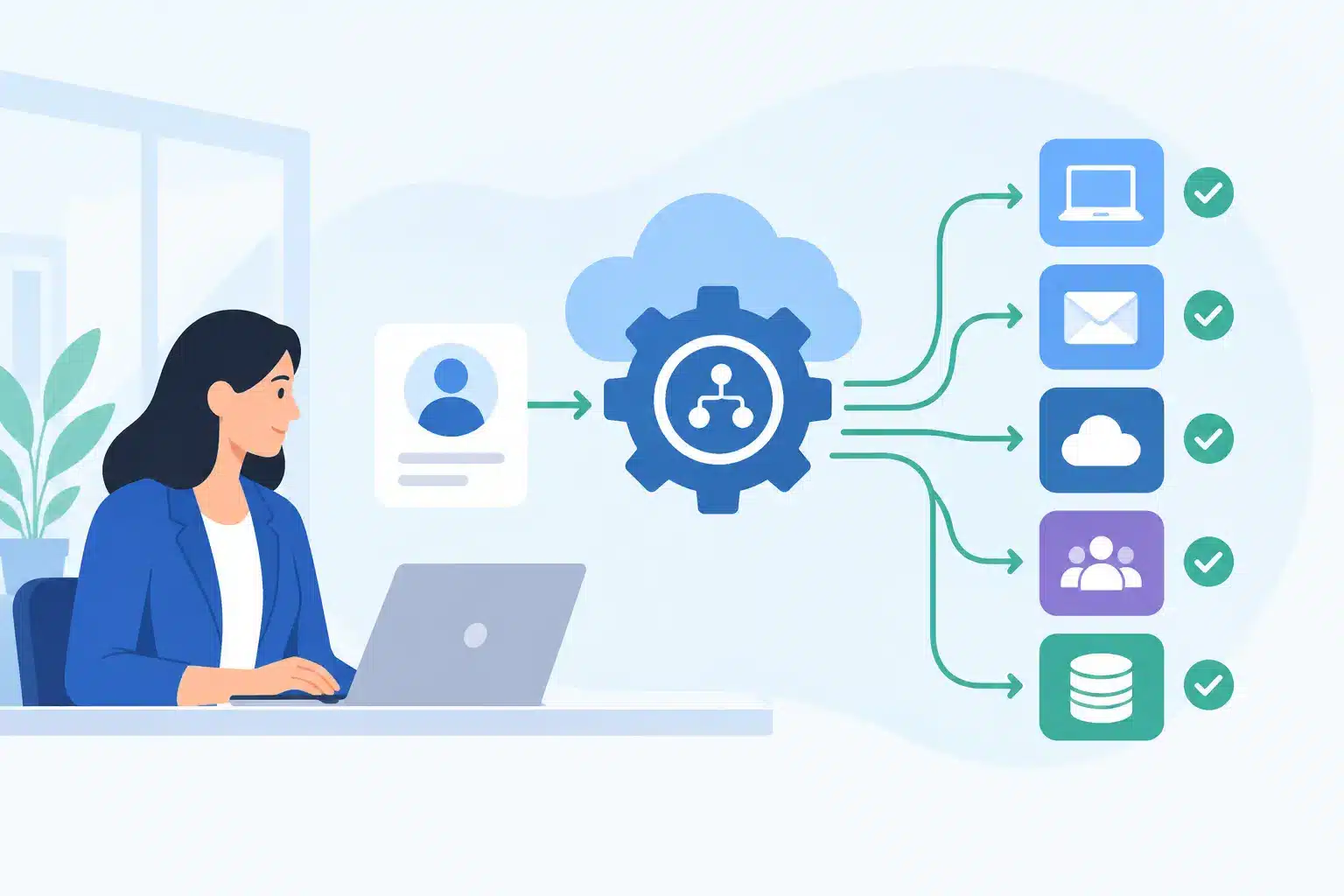
Agent governance should follow a lifecycle, not a one-time review at launch. Before deployment, each agent needs a business owner, technical owner, defined purpose, risk classification, approved tool inventory, and access model. During operation, its permissions, credentials, policy decisions, and anomalous activity require continuous monitoring. When the underlying process changes, the agent’s entitlements must be reassessed. When it is retired, every credential, integration, token, and delegated permission must be removed.
Access certifications are especially important. Business owners should periodically confirm that an agent still serves a valid purpose and that its permissions remain appropriate. Security teams should separately review privileged access, dormant identities, failed authentication patterns, excessive API activity, and policy exceptions. These reviews need to be practical. If the evidence is too fragmented for owners to understand, certification becomes a box-checking exercise.
Clear ownership also resolves a common failure mode: the agent is built by one team, deployed by another, and used by a third. No one is accountable for its access after production changes. The governance model should define who can approve the agent’s authority, who maintains its technical identity, who reviews its behavior, and who can suspend it during an incident.
Start With the Highest-Impact Agent Workflows
Many organizations will not have a complete inventory of AI agents. That should not delay action. Start with workflows that can access sensitive data, invoke privileged functions, change records of significance, interact with external parties, or initiate financial activity. These are the places where identity control produces immediate risk reduction.
A focused assessment should identify the agents in scope, the systems and tools they can reach, the credentials they use, the privileges they hold, the human approvals that exist, and the gaps in logging and ownership. The outcome should be an actionable control plan, not a theoretical policy document.
In practice, the first improvements are often familiar identity disciplines applied consistently: separate agent identities, eliminate shared credentials, use vault-backed and short-lived secrets, apply least privilege to APIs, enforce step-up approval for sensitive actions, and centralize activity records. The architecture can become more sophisticated as adoption expands, but the control baseline cannot wait.
Governance Must Support Safe Scale
The goal is not to prevent autonomous systems from delivering value. It is to make their authority measurable, reviewable, and revocable. Organizations that establish this discipline early will be able to deploy agents with greater confidence because they can demonstrate where access exists, how it is controlled, and how quickly it can be withdrawn.
For enterprises managing complex identity environments, AI agents should be brought into the same operating discipline as privileged users and machine identities. IDENT1TY can help organizations assess agent access paths, define practical governance controls, and integrate them into the identity services already responsible for securing critical access. The right next step is to choose one high-impact workflow and prove that its agent can act with clear boundaries, accountable ownership, and complete evidence.