A single sign-on event is no longer sufficient evidence that access is safe. A valid session can be hijacked, a privileged account can be over-entitled, and an AI agent can act at machine speed with permissions no human reviewer intended. The most consequential zero trust identity trends are changing how enterprises establish, evaluate, and govern trust throughout the access lifecycle.
For CISOs and IAM leaders, this is not a reason to add another identity platform. It is a reason to tighten the operating model around identity data, authentication context, authorization decisions, and continuous oversight. Zero trust succeeds when access control becomes measurable, enforceable, and sustainable in production.
Zero Trust Identity Trends Moving Into Operations
The first generation of zero trust programs concentrated on network segmentation, VPN replacement, and stronger authentication. Those controls remain necessary, but they do not address the full access problem. Most high-impact enterprise access decisions now occur through identities: employees, contractors, administrators, workloads, service accounts, certificates, APIs, and autonomous agents.
The direction is clear. Organizations are moving from broad, standing access toward access that is contextual, time-bound, and continuously reviewed. The challenge is execution. Mature identity environments often contain multiple directories, cloud tenants, legacy applications, disconnected HR sources, unmanaged service accounts, and overlapping administration models. A policy is only as trustworthy as the identity data and control points behind it.
Continuous authentication replaces one-time confidence
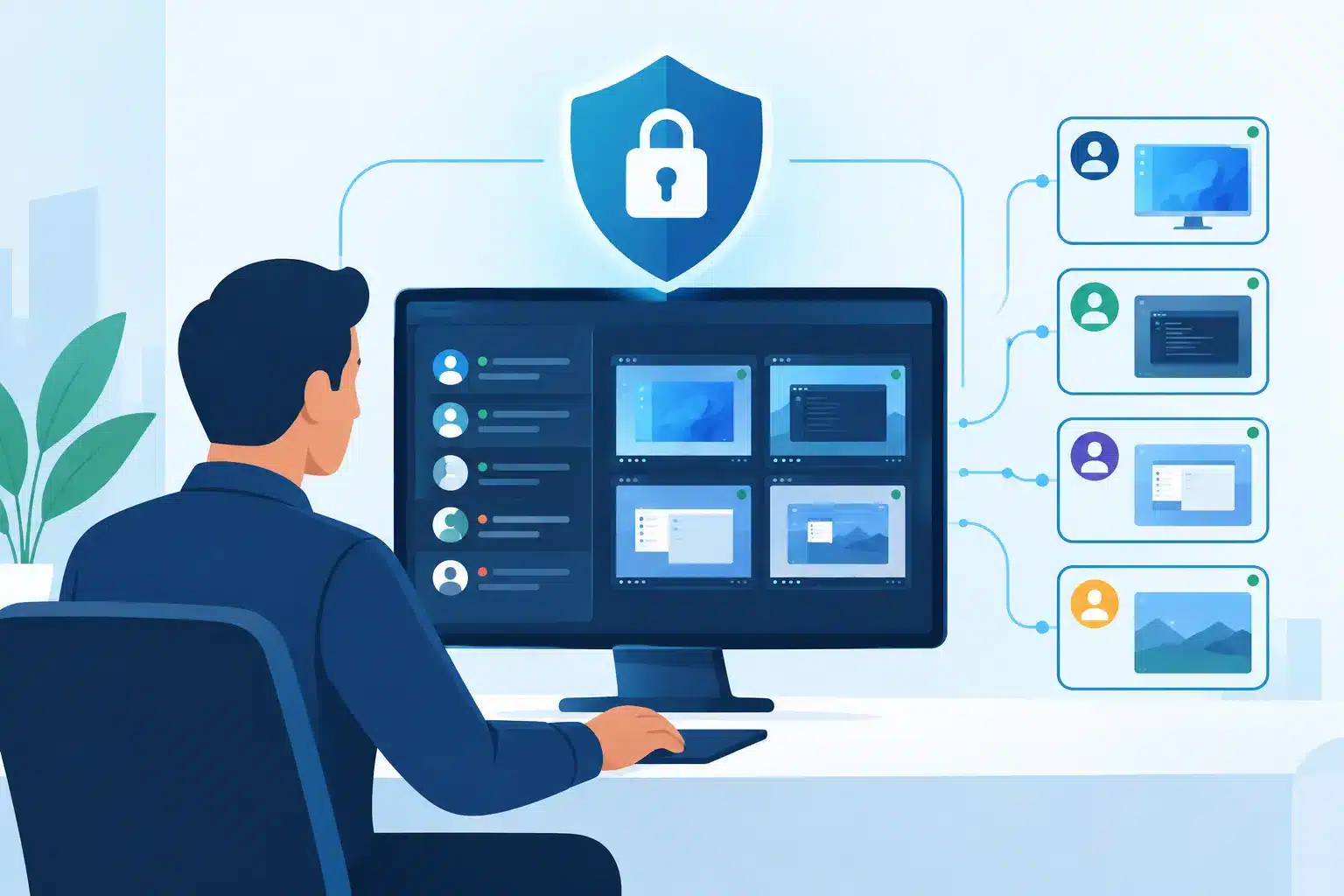
Multi-factor authentication remains a baseline, not an endpoint. The next step is evaluating confidence after the user signs in. Device posture, network location, session risk, behavior, application sensitivity, and authentication strength can all affect whether access should continue, be stepped up, or be terminated.
This does not mean every application requires the same friction. A low-risk internal knowledge portal and a production payment system should not apply identical controls. The operational task is to define access tiers, identify high-value actions, and connect policy decisions to reliable signals. If the device inventory is incomplete or risk telemetry is inconsistent, aggressive conditional access can disrupt legitimate work without meaningfully reducing risk.
Privileged access becomes just-in-time by default
Standing administrative privilege remains one of the most direct paths to material compromise. Zero trust programs are therefore pushing privileged access management beyond password vaulting. The priority is to reduce the duration, scope, and visibility gaps associated with elevated access.
Just-in-time elevation, approval workflows for sensitive roles, session recording, command-level controls, and credential rotation all contribute to a stronger control model. The most effective designs also cover the accounts teams forget: local administrators, cloud-native roles, emergency accounts, vendor access, automation credentials, and application-to-application privileges.
The trade-off is operational. Emergency response and infrastructure support cannot wait for a manual approval chain that fails at 2 a.m. Enterprises need defined break-glass procedures, controlled exception paths, and regular validation that emergency access is not becoming permanent access under a different name.
Identity governance shifts from certification theater to risk decisions
Annual or quarterly access reviews often generate large volumes of approvals with little meaningful scrutiny. Managers lack context, reviewers approve by default, and excessive access survives for another cycle. Zero trust requires governance to be closer to the events that create risk: a role change, a new application entitlement, a privileged assignment, a dormant account, or a policy exception.
Modern identity governance and administration programs are using role models, birthright access, segregation-of-duties controls, and risk-based review campaigns to make decisions more defensible. The objective is not to eliminate all human review. It is to reserve human attention for access that carries financial, operational, regulatory, or safety consequences.
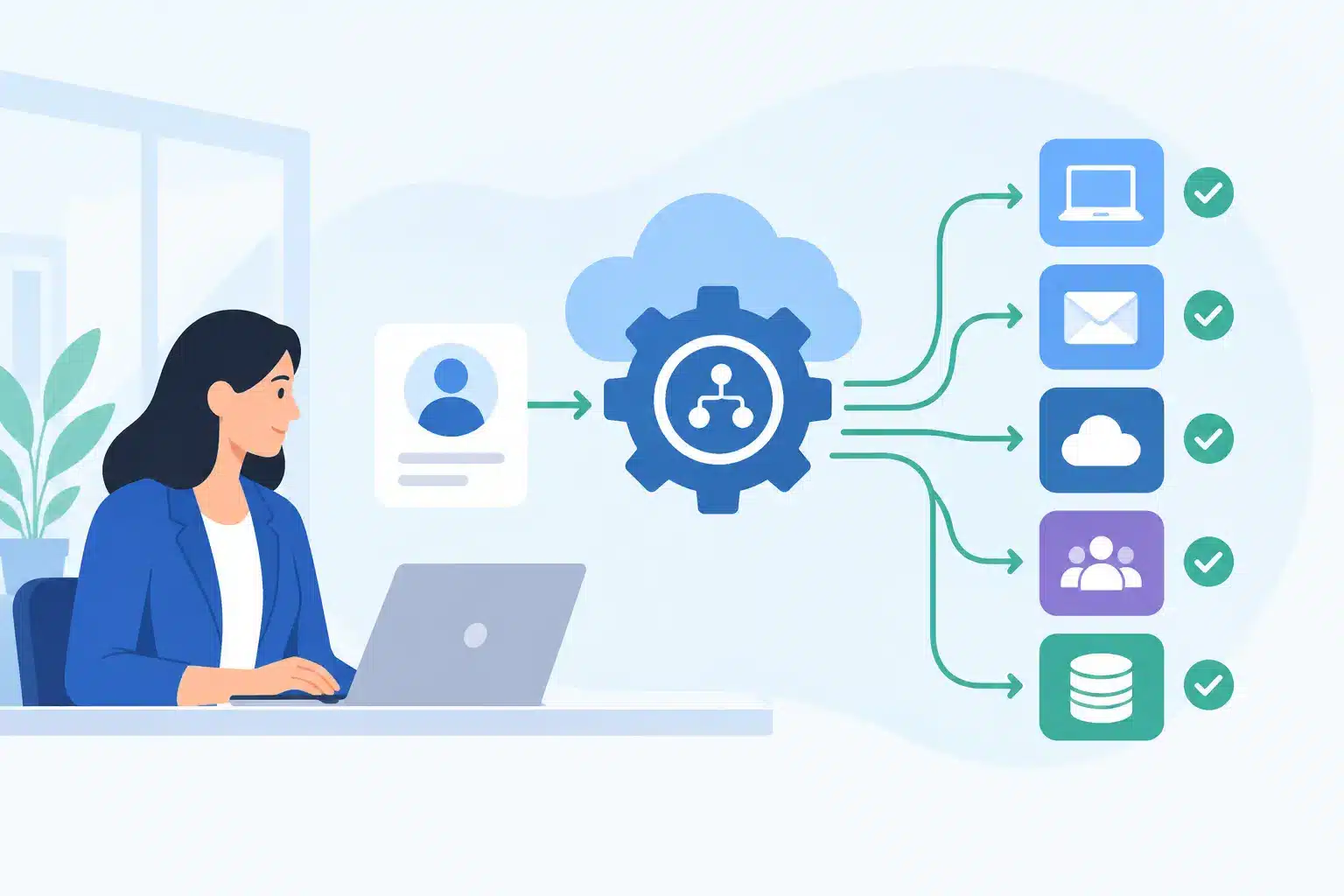
A strong governance model starts with authoritative identity sources. If HR, contractor management, and business ownership data are unreliable, lifecycle automation will scale errors quickly. Before expanding automation, validate joiner, mover, and leaver processes and establish accountable application owners.
AI Agents Create a New Identity Control Plane
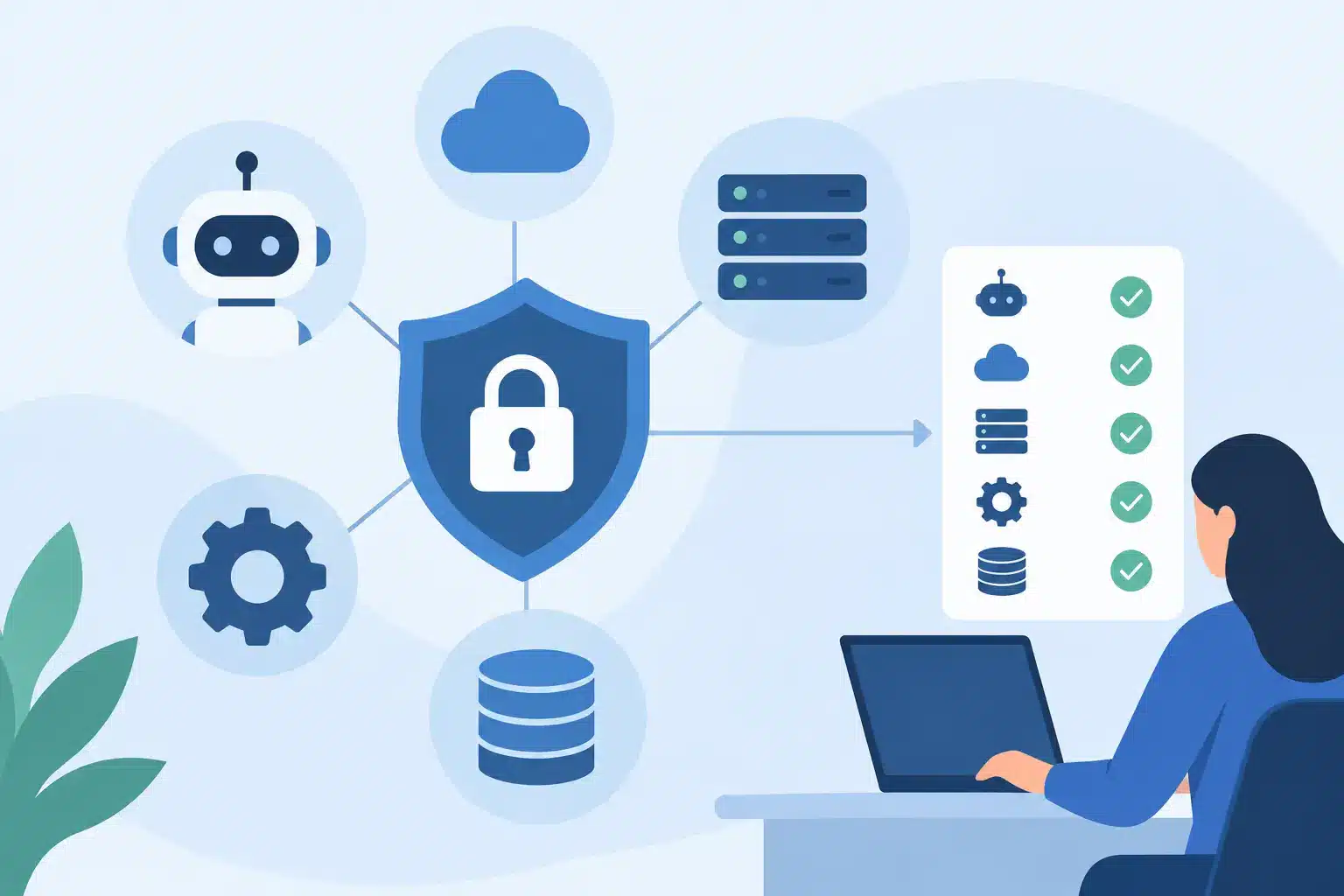
AI agents are changing the identity perimeter faster than many organizations expect. An agent that can query enterprise systems, trigger workflows, create records, or initiate transactions is not simply a software feature. It is a non-human identity with an execution path, permissions, secrets, and a need for accountability.
The central question is not whether an agent has authenticated. It is whether the agent should be authorized to perform a specific action, using specific data, under specific conditions, and with a traceable approval path. That is a zero trust decision.
Agent permissions need boundaries, ownership, and evidence
Organizations should resist granting agents broad access through a shared service account or a highly privileged API token. This pattern may accelerate a proof of concept, but it creates a concentrated and difficult-to-audit risk. Agents should have distinct identities, narrowly scoped permissions, explicit owners, and logs that connect actions to both the agent and the requesting user or workflow.
For higher-risk use cases, approval gates and transaction limits are practical controls. An agent may be allowed to summarize a customer record but not alter payment instructions. It may open an infrastructure ticket but not deploy a production change. The correct control depends on the action, the data involved, and the blast radius of an error or manipulated prompt.
AI identity security also depends on lifecycle discipline. Teams need an inventory of active agents, their tools, delegated permissions, authentication methods, data sources, owners, and last-use dates. Without that inventory, governance cannot distinguish approved automation from unmanaged access.
Machine Identities and Certificates Demand Equal Attention
Human identities are highly visible because people sign in, request access, and trigger help desk tickets. Machine identities often remain invisible until an expired certificate breaks a service or a compromised secret enables lateral movement. In cloud and hybrid environments, workloads, containers, APIs, service accounts, SSH keys, and certificates can outnumber human identities by a wide margin.
This makes machine identity management a core zero trust capability. Each workload needs a verifiable identity, least-privilege access, secure credential issuance, rotation, and revocation. Hard-coded secrets and long-lived tokens are not merely technical debt. They are persistent access paths that bypass the controls applied to users.
Certificate lifecycle management is becoming particularly urgent as enterprises manage more encrypted services, shorter certificate lifespans, and growing cryptographic inventory requirements. The goal is not only avoiding outages. It is maintaining visibility into where certificates are used, who owns them, when they expire, and whether their cryptographic posture meets policy.
Automation is essential, but it needs governance. Auto-renewal can prevent downtime while also perpetuating an unauthorized or poorly configured service if ownership and usage are not reviewed. Teams should combine automated lifecycle controls with clear accountability and exception management.
What a Practical Zero Trust Identity Roadmap Looks Like
A successful program does not begin by trying to enforce every zero trust principle across every system. It begins by identifying the access paths that create the greatest exposure: privileged administration, remote access, sensitive SaaS applications, critical business systems, machine-to-machine connections, and emerging AI agent use cases.
From there, establish a usable baseline. Inventory identities and access paths, identify authoritative sources, map high-risk entitlements, and measure dormant accounts, standing privilege, orphaned service accounts, failed deprovisioning, and unmanaged certificates. These measures turn a broad security objective into an operating plan.
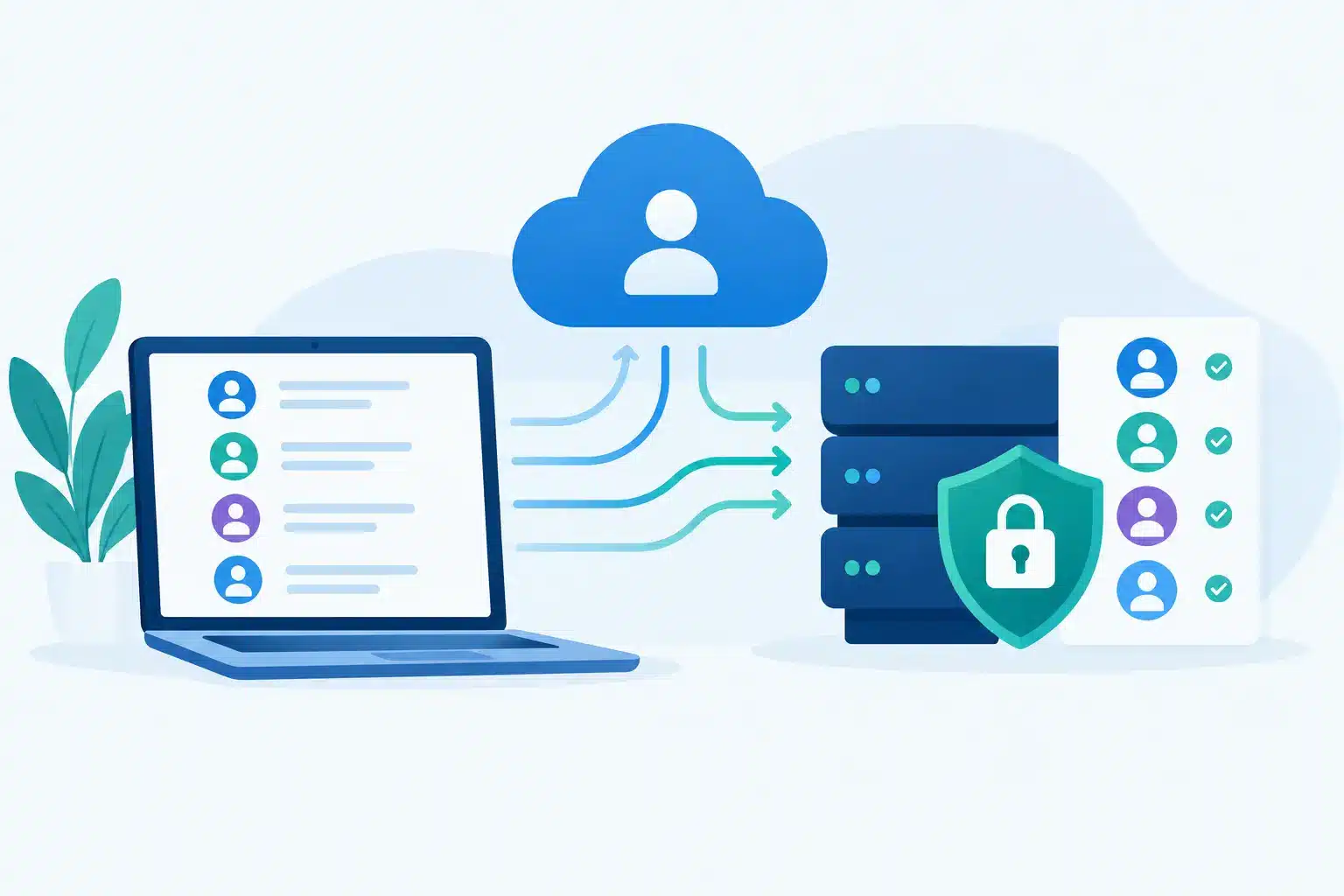
The next phase is control integration. IAM, PAM, IGA, endpoint posture, SIEM telemetry, cloud platforms, and certificate services should support consistent policy outcomes rather than operate as isolated products. Vendor selection matters, but architecture and operating ownership matter more. A platform that is powerful but unmanaged will not deliver continuous control.
Finally, measure progress in terms leadership can use. Reduced standing privilege, faster leaver deprovisioning, percentage of applications under lifecycle governance, machine identity coverage, certificate renewal success, and time to remediate risky access all show whether the program is reducing exposure. IDENT1TY approaches these outcomes as an ongoing identity security discipline, not a one-time deployment.
The next access decision is where zero trust becomes real. Start with the identities that can cause the most damage, prove that their access is controlled from request through revocation, and expand from a foundation your operations team can sustain.