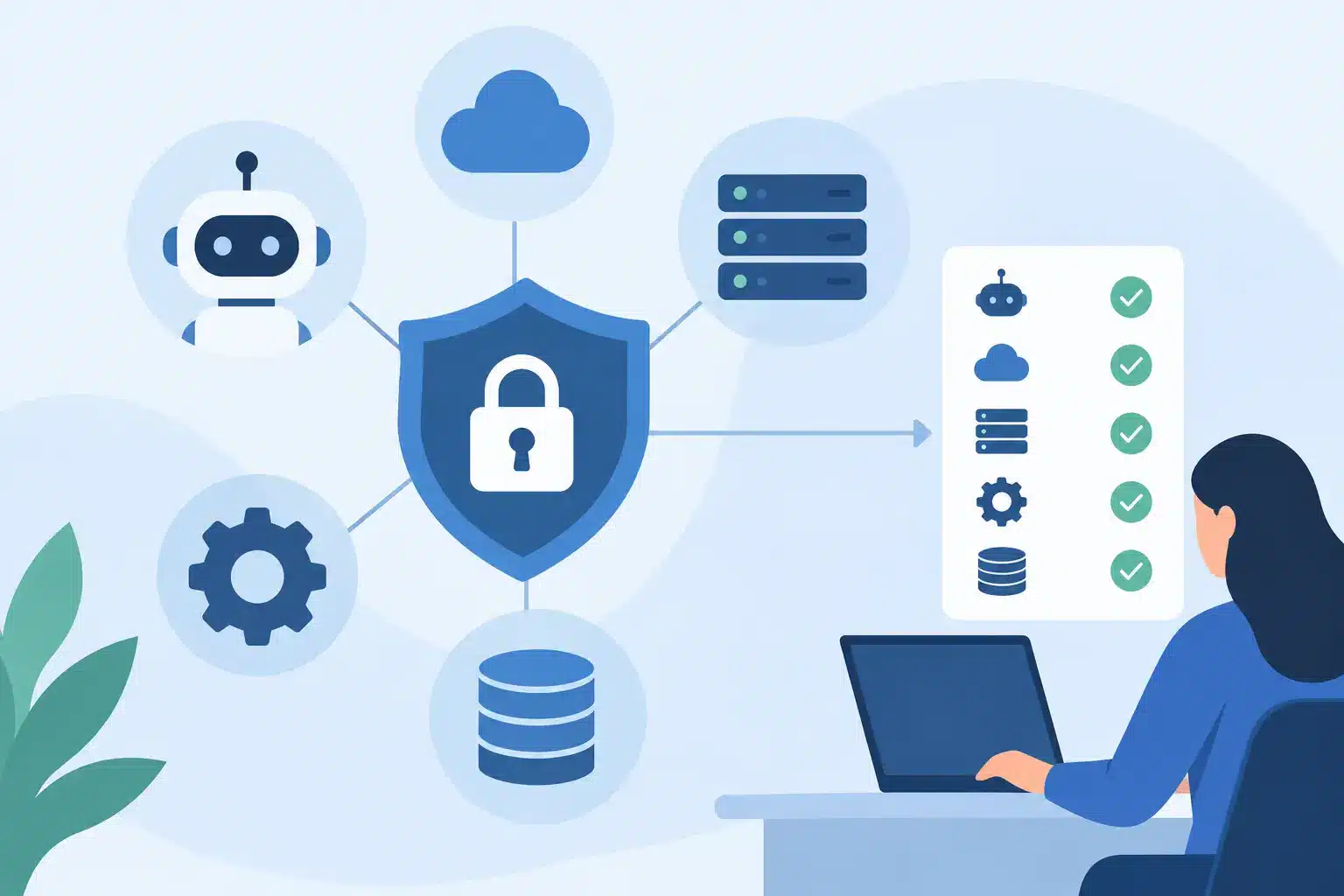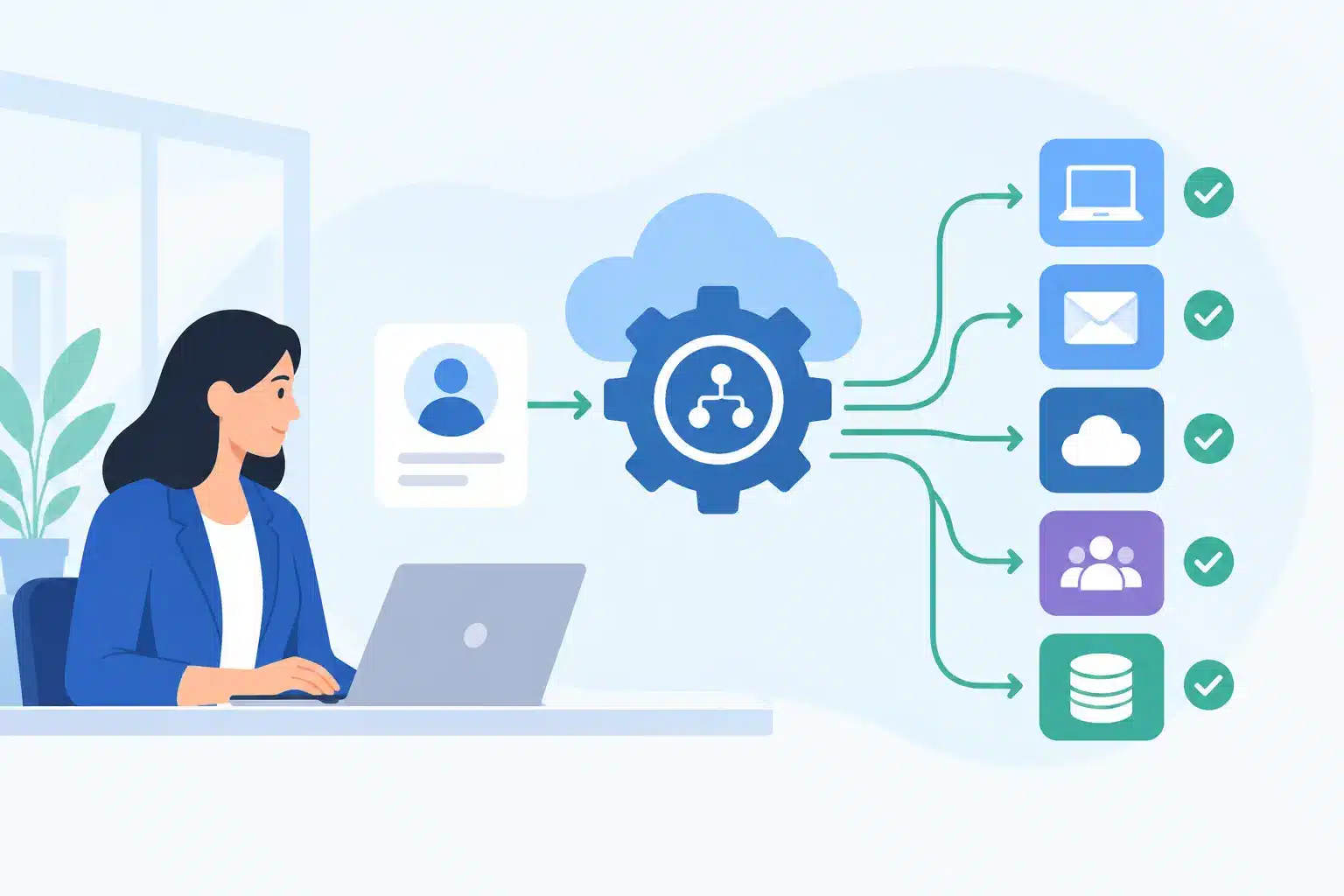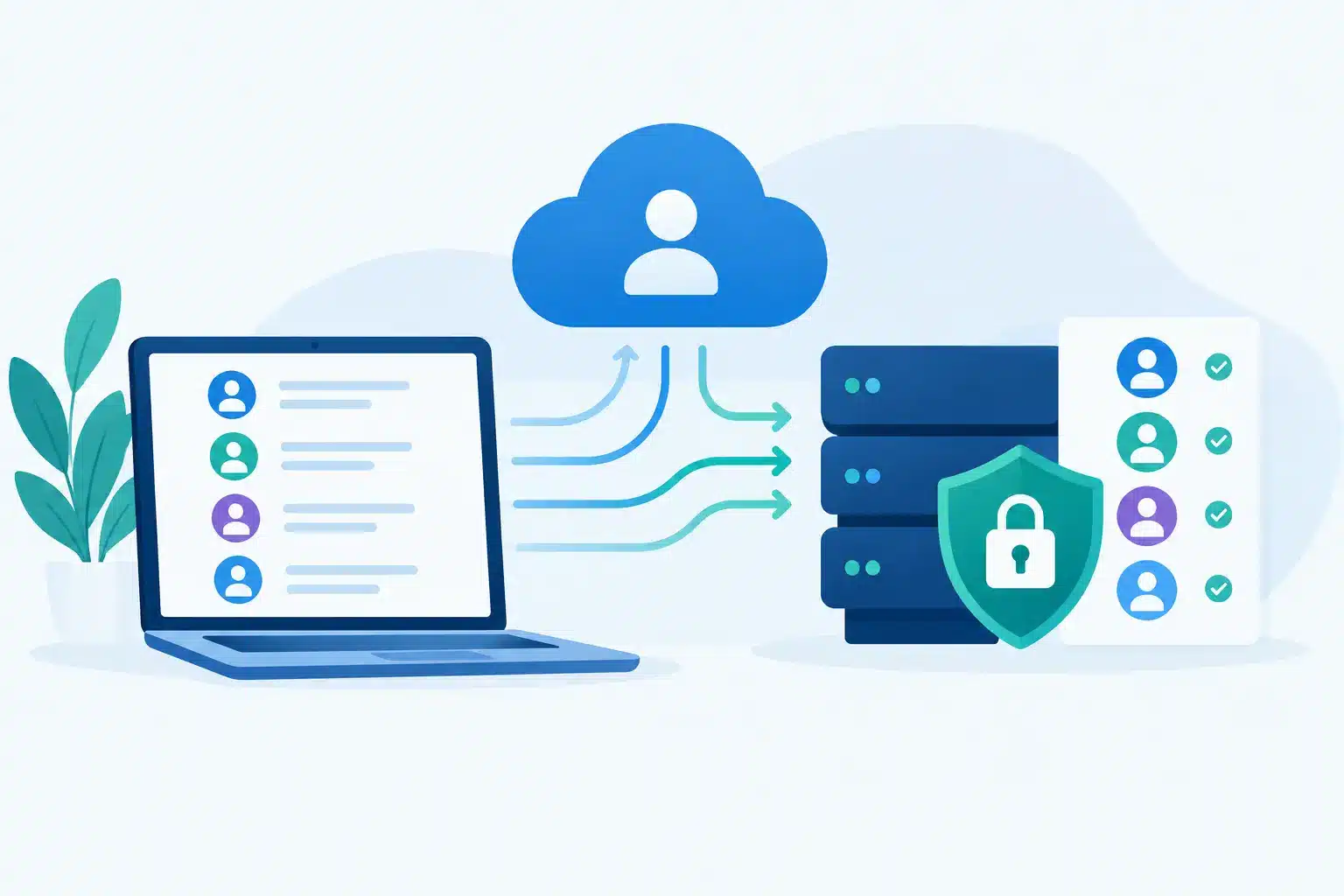
A Saviynt deployment services review should not begin with a feature checklist. It should begin with the access decisions your organization cannot afford to get wrong: who receives access, who approves it, how quickly it is removed, and how those decisions can be proven to auditors, security leaders, and application owners.
Saviynt can provide a strong foundation for identity governance, access requests, lifecycle automation, and privileged access governance. But the platform alone does not resolve fragmented identity data, undefined ownership, weak role design, or inconsistent application integration. Deployment services determine whether Saviynt becomes an enforceable control layer or another system that requires manual intervention to stay credible.
What Enterprise Teams Should Assess
A useful review of Saviynt deployment services evaluates delivery capability across the full operating model, not only configuration speed. Enterprise programs often span HR systems, multiple directories, cloud platforms, ERP applications, custom business systems, and privileged accounts. Each integration introduces questions about authoritative data, entitlement models, approval paths, error handling, and accountability.
The right services partner should be able to translate these questions into a controlled implementation plan. That includes defining the target architecture, sequencing integrations by risk and business value, establishing test criteria, and preparing internal teams for production ownership.
A deployment that starts by connecting every available application may create activity without reducing risk. A better approach prioritizes high-impact populations and systems: privileged access, regulated applications, high-turnover workforce groups, and applications where manual provisioning creates measurable exposure.
The Core Delivery Capabilities That Matter
Identity data and lifecycle design
Identity governance is only as reliable as the identity data it receives. A deployment partner must identify the authoritative source for each worker type, including employees, contractors, service personnel, vendors, and non-human identities where applicable. They should also define how conflicting records are handled and what happens when a source feed fails.
Lifecycle automation needs more than joiner, mover, and leaver workflows. It needs clear rules for rehires, leaves of absence, transfers, contingent workers, exceptions, and delayed HR updates. If these conditions remain unresolved, teams often compensate with manual processes that weaken the controls Saviynt was intended to enforce.
Application integration engineering
Application connectors are frequently the largest source of deployment risk. A prebuilt connector can accelerate implementation, but it does not eliminate design work. Entitlement structures may be inconsistent, APIs may be incomplete, and target systems may have local administrative processes that conflict with centralized governance.
A capable deployment team validates each integration against real operational scenarios. Can Saviynt reliably aggregate accounts and entitlements? Can it provision, modify, and deprovision access? What happens when an action fails? Who receives the error, who resolves it, and how is the exception recorded?
These questions matter more than a connector’s status on a project plan. An integration that works only under ideal conditions becomes a recurring operational burden.
Access model and role engineering
Role design is often oversimplified. Enterprises may expect business roles to immediately replace individual entitlements, even when access patterns are inconsistent across departments or applications. That can produce bloated roles, excessive exceptions, and certification campaigns that managers cannot meaningfully review.
Saviynt deployment services should support a practical access model. In some environments, direct entitlement governance is the right first step. In others, birthright access, requestable bundles, technical roles, and business roles can be introduced in stages. The right choice depends on data quality, application maturity, workforce complexity, and the organization’s ability to assign and maintain ownership.
A disciplined partner will challenge role assumptions rather than forcing a theoretical model into production. The goal is not to create the highest possible number of roles. The goal is to establish access controls that are understandable, supportable, and defensible.
Governance workflows and certifications
Approvals and access reviews are visible governance controls, but visibility is not the same as effectiveness. Approval workflows should reflect genuine accountability, not simply route requests through several managers. Review campaigns should give certifiers enough context to make an informed decision, including user purpose, access description, usage information where available, and ownership details.
The deployment team should also define escalation paths, delegation rules, separation-of-duties controls, and evidence retention. These details determine whether the program can stand up to audit scrutiny and continue operating during staffing changes or organizational restructuring.
Where Saviynt Deployments Commonly Lose Control
Most delivery issues arise at the boundary between platform configuration and business accountability. A technically functional implementation can still fail operationally if application owners are undefined, approvers lack authority, or exceptions have no expiration and review process.
Another common problem is treating go-live as the finish line. Identity environments change continuously. New applications are introduced, mergers alter workforce structures, cloud permissions evolve, and audit findings expose gaps that were not visible during design. Without an operating model for backlog management, connector monitoring, periodic tuning, and control reporting, initial deployment quality degrades.
Scope also requires discipline. Large programs need a roadmap, but they do not need every identity use case in the first release. A phased deployment should establish a stable control baseline, prove provisioning and governance processes in production, then expand with measurable lessons from each wave.
Saviynt Deployment Services Review: A Practical Scorecard
When comparing service providers, security and IAM leaders should ask for specific evidence across five areas:
- Architecture discipline: Can the team explain how Saviynt will fit with HR, directories, IT service management, PAM, SIEM, and target applications without duplicating controls or creating unclear ownership?
- Integration depth: Does the provider have a clear method for connector assessment, custom integration work, error handling, reconciliation, and support handoff?
- Governance design: Can they define practical roles, approvals, certification campaigns, segregation-of-duties policies, and exception controls based on your risk profile?
- Production readiness: Do they include test planning, data validation, cutover controls, runbooks, monitoring, administrator training, and measurable acceptance criteria?
- Long-term support: Can they provide managed services or a structured support model for enhancements, platform updates, failed jobs, connector issues, and governance optimization?
The strongest answers are concrete. Look for examples of delivery artifacts, operating procedures, test scenarios, and escalation models. Broad assurances about platform expertise are not enough when the implementation will govern access to financial systems, patient data, operational technology, or privileged infrastructure.
Measure Readiness Beyond the Project Plan
Project milestones track activity. Security outcomes track control. Before accepting a deployment, establish production measures that show whether the service is working as intended. These may include deprovisioning completion times, orphan account reduction, certification completion and remediation rates, access-request fulfillment performance, connector failure volume, and the percentage of applications with named owners.
The measures should be tied to risk decisions. For example, a low completion rate for privileged-access reviews is not merely a reporting issue. It indicates that the organization may not be able to attest to who retains elevated access. Similarly, a high volume of manual fulfillment may indicate that integrations or access models need redesign.
For organizations with limited internal IAM capacity, operational continuity should carry equal weight with implementation expertise. IDENT1TY approaches identity security as a continuing discipline, with the architecture, service processes, and governance controls needed to keep access management effective after deployment.
A sound Saviynt deployment services decision is not about selecting the partner that promises the fastest configuration. Select the team that can establish clear ownership, prove critical controls in production, and remain accountable as your identity environment changes.