A cloud administrator needs elevated permissions to repair a production outage at 2:00 a.m. A database team relies on a shared account to maintain a legacy platform. A third-party engineer needs temporary access to a critical network device. These are different access problems, and treating them as the same one leaves gaps.
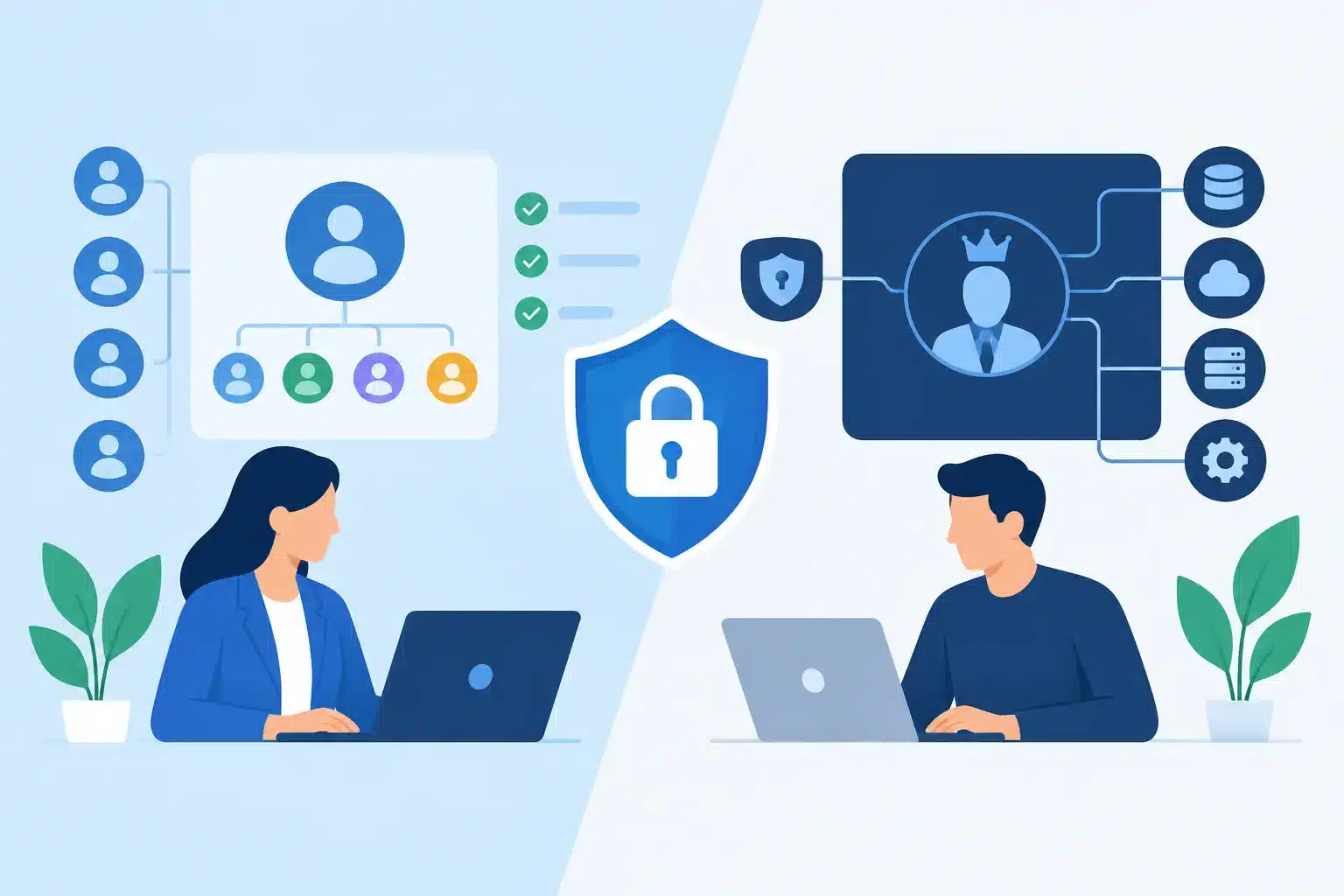
PIM versus PAM is not a choice between two interchangeable security tools. Privileged Identity Management (PIM) and Privileged Access Management (PAM) address related but distinct control requirements. Enterprise security leaders need to understand where each applies, where they overlap, and how both fit into an operating model that protects critical access without disrupting essential work.
PIM versus PAM: the core distinction
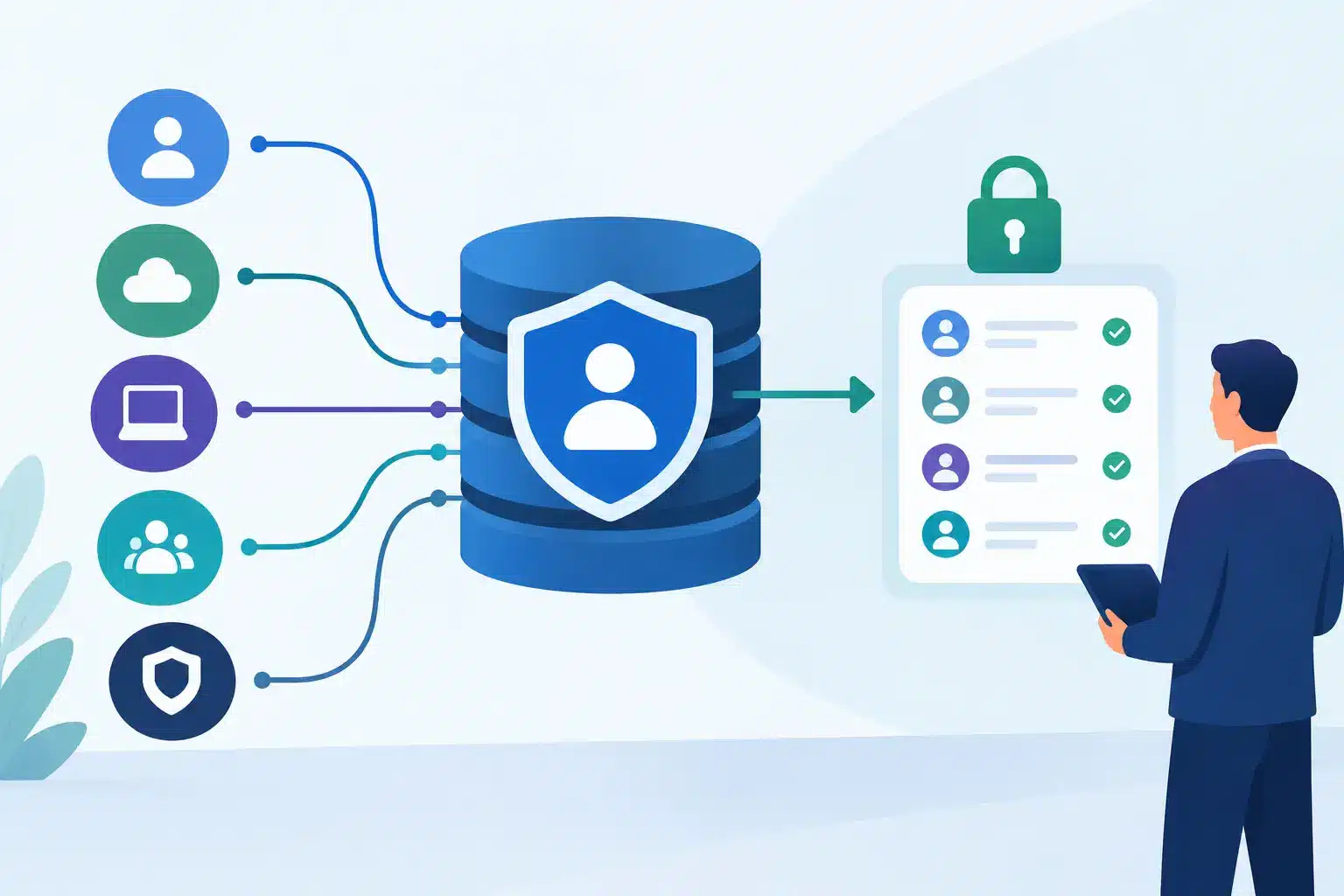
PIM governs when a named user can activate a privileged role. It is most closely associated with cloud identity platforms and role-based access control. A user may be eligible for an administrator role but hold no standing administrative access. When a legitimate task arises, they request or activate that role for a defined period, often with multifactor authentication, justification, approval, and audit logging.
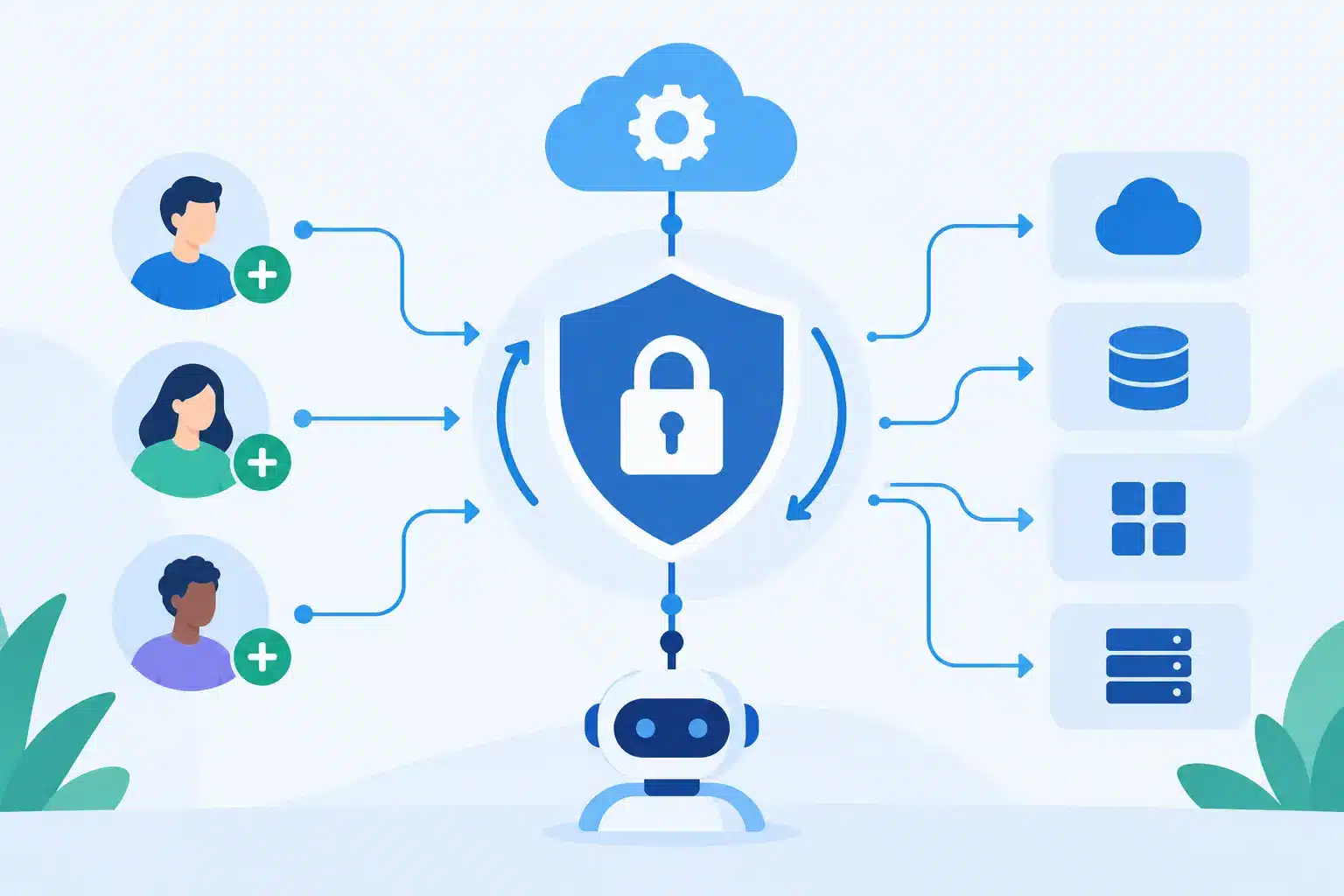
PAM protects and controls privileged access more broadly. It manages high-risk credentials, privileged sessions, shared accounts, service accounts, emergency access, and access to systems that may not use modern cloud roles. PAM commonly includes credential vaulting, password rotation, session recording, command controls, privileged account discovery, and policy enforcement across on-premises, cloud, and hybrid infrastructure.
The practical distinction is straightforward: PIM manages privileged role eligibility and activation for people. PAM manages privileged credentials and sessions across the wider technology estate. A mature identity security program often needs both.
What PIM controls well
PIM is highly effective when an organization has adopted a centralized identity provider and relies on defined cloud or application roles. Its primary value is reducing standing privilege. Instead of assigning permanent Global Administrator, Subscription Owner, or other high-impact roles, the organization makes users eligible and requires controlled, time-bound activation.
This changes the risk profile. An attacker who compromises a standard user account cannot automatically use privileged permissions that are not active. It also gives security teams clearer evidence of why elevated access was used, who approved it, and how long it remained active.
A well-configured PIM deployment typically enforces short activation windows, strong authentication, ticket or business justification, approval for sensitive roles, and alerts for unusual elevation patterns. It can also support access reviews to confirm that eligible role assignments remain necessary.
PIM is particularly valuable for cloud administration, identity administration, and role-based SaaS environments. It supports a zero standing privilege model for defined roles, but it does not automatically solve every privileged access problem.
For example, PIM does not vault a password for a shared Unix root account. It does not rotate embedded credentials used by an application. It does not necessarily record a vendor session into a legacy firewall. Those requirements sit within PAM scope.
PIM depends on role design and governance
PIM is only as effective as the roles it governs. If privileged roles are overly broad, assigned without clear ownership, or exempted for convenience, time-bound activation becomes a thin control layer over excessive access.
Security teams must define which roles are truly privileged, separate routine administration from high-impact actions, and establish accountable role owners. They also need to prevent eligibility from becoming permanent entitlement by another name. Regular reviews, inactive assignment cleanup, and clear approval criteria are operational requirements, not optional administration.
What PAM controls well
PAM addresses the privileged access that often sits outside clean, individual, role-based cloud models. This includes domain administrator accounts, local administrator accounts, database superuser accounts, network device credentials, break-glass accounts, application service accounts, and third-party access.
A PAM platform can discover these accounts, bring credentials under centralized control, rotate passwords or secrets, and provide access without exposing the credential to the user. For high-risk systems, it can proxy a session and record activity for investigation, compliance evidence, and incident response.
That visibility matters when privileged activity occurs outside a modern identity plane. If an administrator signs into a server using a shared account, the operating system may only show the shared account name. PAM can establish individual accountability before the session begins and preserve a record of what occurred during the session.
PAM also supports a disciplined response to credential risk. Privileged credentials are high-value targets because they can provide broad control, disable security tools, access sensitive data, or create persistent access. Vaulting and rotation reduce the damage caused by password reuse, unmanaged secrets, departing administrators, and vendor accounts that remain active long after a project ends.
PAM has its own operational demands
PAM is not simply a vault deployment. Organizations need accurate account inventories, defined ownership, credential rotation plans, emergency access procedures, and integration with operational workflows. If teams cannot obtain access quickly during an outage, they will seek workarounds. Those workarounds often become unmanaged privileged accounts.
The right PAM design balances security control with operational continuity. Emergency access should be available, tightly governed, tested, and reviewed after every use. Service account rotation must be coordinated with dependent applications. Session controls should focus first on systems where compromise would create material business impact.
When PIM is enough, and when PAM is required
PIM may be sufficient for a limited use case where privileged work occurs entirely through named cloud identities and role-based controls. A cloud-native team administering a defined SaaS environment can materially reduce risk by removing permanent role assignments and enforcing just-in-time elevation.
PAM is required when privileged access extends to shared accounts, operating systems, databases, network infrastructure, legacy platforms, unmanaged local administrators, or nonhuman credentials. Most mid-market and enterprise organizations have these conditions, especially in hybrid environments.
The stronger question is not, “Should we use PIM or PAM?” It is, “Which privileged access paths exist, and what control is required for each one?” A single administrator may activate a cloud role through PIM, then access a critical server through a PAM-controlled session. The controls are complementary.
PIM should not be used as a reason to ignore credential management. PAM should not be used as a reason to retain permanent administrator rights. Each tool must be applied to the access path it is designed to control.
Build a privileged access model around real risk
An effective program begins with discovery, not product selection. Security and infrastructure leaders need a reliable view of privileged roles, privileged accounts, service identities, access methods, account owners, and systems that carry the highest business impact.
From there, prioritize controls based on risk. Tier 0 identity systems, production infrastructure, sensitive data platforms, security tooling, and critical operational technology deserve the strongest protection first. That usually means removing unnecessary standing privileges, vaulting shared credentials, enforcing individual authentication, recording sensitive sessions, and establishing credible emergency access.
Four conditions usually indicate that a combined PIM and PAM approach is needed:
- Cloud administrators have permanent high-impact roles.
- Shared or local administrator accounts remain outside centralized control.
- Service account credentials are static, unknown, or embedded in applications.
- Third parties can access critical systems without time limits, session oversight, or individual accountability.
These are not isolated technical issues. They create a wider control problem across identity governance, incident response, audit readiness, and business resilience.
Measure the program in operational terms
Privileged access security should produce measurable improvement. Track the percentage of privileged roles converted from permanent to eligible access, the number of privileged accounts discovered and brought under management, the percentage of managed credentials rotated on policy, and the coverage of session monitoring for critical systems.
Also measure exceptions. How many emergency access events occurred? How long did privileged sessions remain active? Which accounts have no confirmed owner? Which teams still rely on unmanaged local administrators or static service credentials? Exception data reveals where the operating model is failing before an incident exposes it.
IDENT1TY approaches these programs as an operational discipline. Technology selection matters, but durable control comes from architecture, implementation quality, governance, support procedures, and continuous adjustment as environments change.
The next privileged access incident will not wait for a perfect transformation roadmap. Start by identifying the access paths that could materially affect your business, then apply PIM, PAM, or both with clear ownership and controls your teams can sustain.