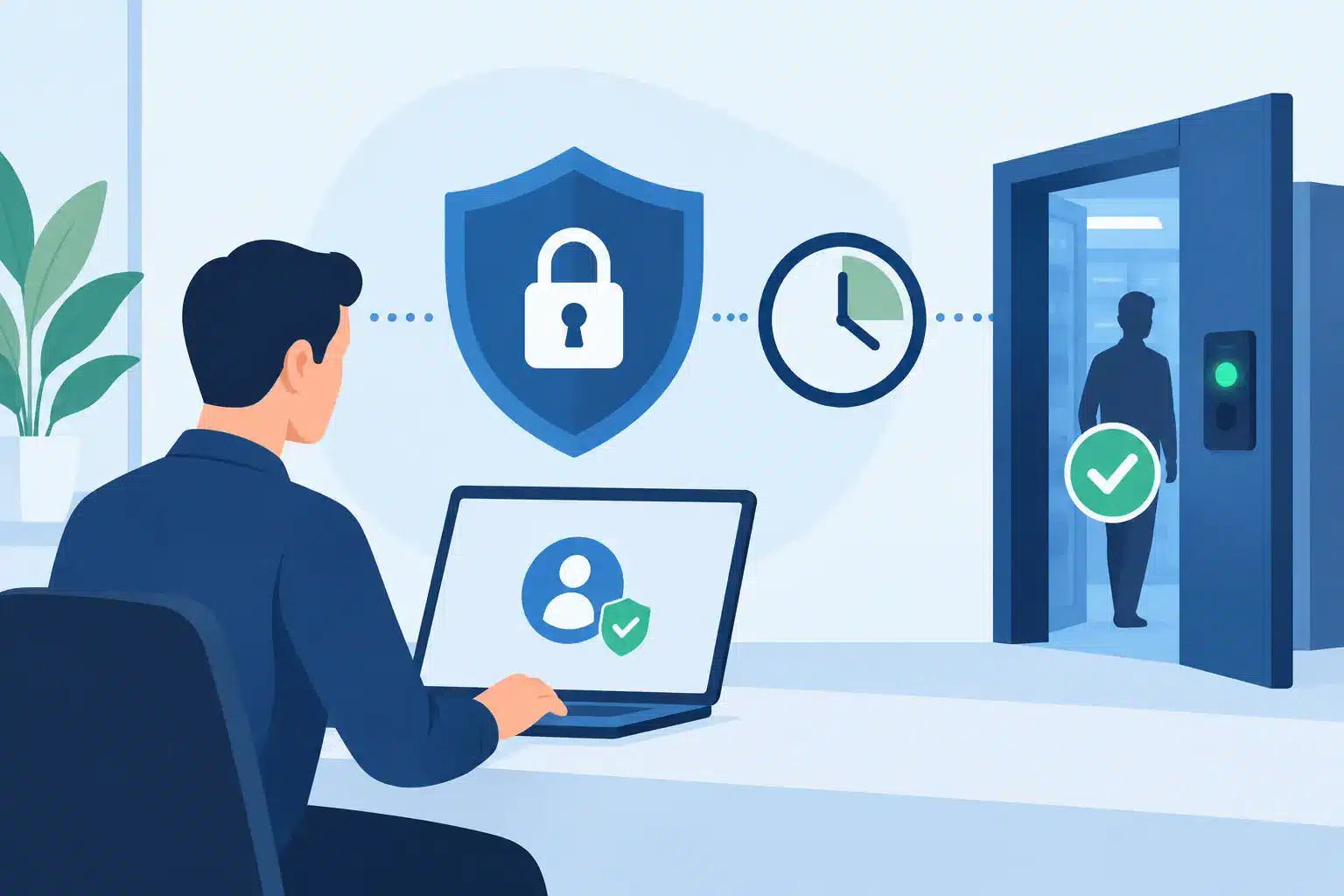
A production outage is not the time to discover that an administrator has permanent domain-level privileges, a shared emergency password, or no defined approval path. Yet these conditions remain common in enterprise environments where access accumulated faster than governance matured. When teams configure just in time access correctly, they replace standing privilege with a controlled, time-bound process that supports urgent work without leaving critical access exposed.
Just-in-time (JIT) access is not simply an expiration timer added to an administrator account. It is an operating model for granting elevated access only when a verified business need exists, limiting it to the required scope, and removing it automatically when the authorized window closes. The difference matters: weak implementations create another workflow layer; mature implementations materially reduce the attack surface.
Why standing privilege remains a high-risk condition
A privileged account that is available all day, every day creates opportunity for misuse, credential theft, lateral movement, and unauthorized changes. The risk applies to human administrators, third-party support teams, service operators, and increasingly to non-human identities that can perform sensitive actions across cloud platforms and automation pipelines.
Many organizations have already deployed multifactor authentication and privileged access management tools, but still retain broad, persistent role assignments. This often happens for practical reasons. Operations teams need to respond quickly. Legacy applications may not support modern entitlement models. Managers may approve broad access because the request process is slow or inconsistent.
JIT access addresses these realities by making elevation predictable rather than permanent. A database administrator may have standard user access every day, then receive a narrowly defined production role for two hours during an approved maintenance activity. An external engineer may obtain a session to a specific system without ever receiving a reusable credential. The objective is clear: secure critical access while preserving operational continuity.
Configure just in time access around real operating work
The most effective JIT design begins with work patterns, not with a tool configuration screen. Identify who requires elevated access, what systems they manage, the actions they perform, how often they perform them, and what evidence the organization must retain. A policy designed around actual operations will be adopted. One based solely on abstract least-privilege principles will be bypassed at the first urgent incident.
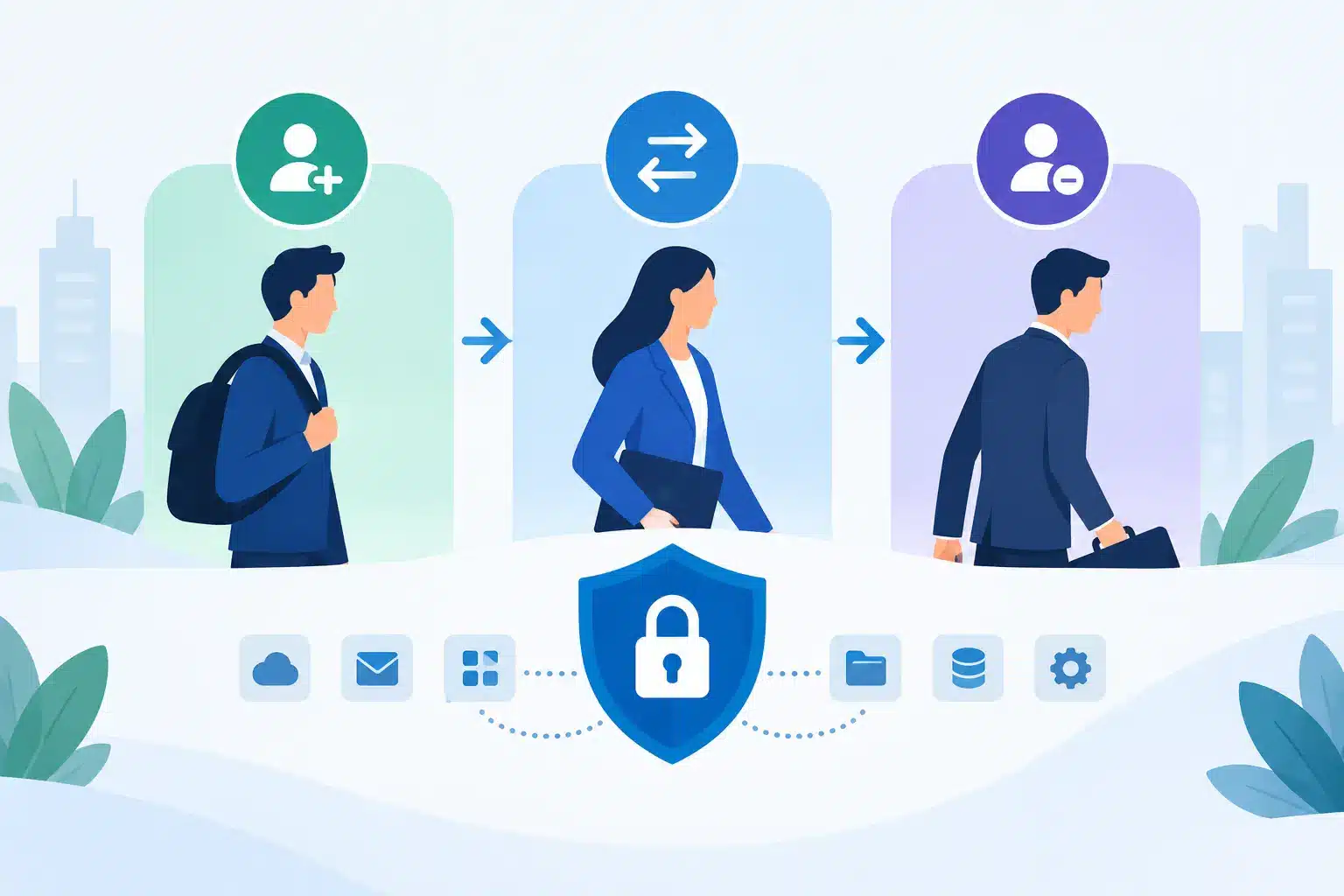
Start by separating access into three categories: routine operational access, planned elevated work, and emergency access. Routine tasks should use normal roles and standard authentication. Planned elevated work should follow a request, approval, and time-bound elevation process. Emergency access must remain available, but it needs stronger monitoring and prompt review after use.
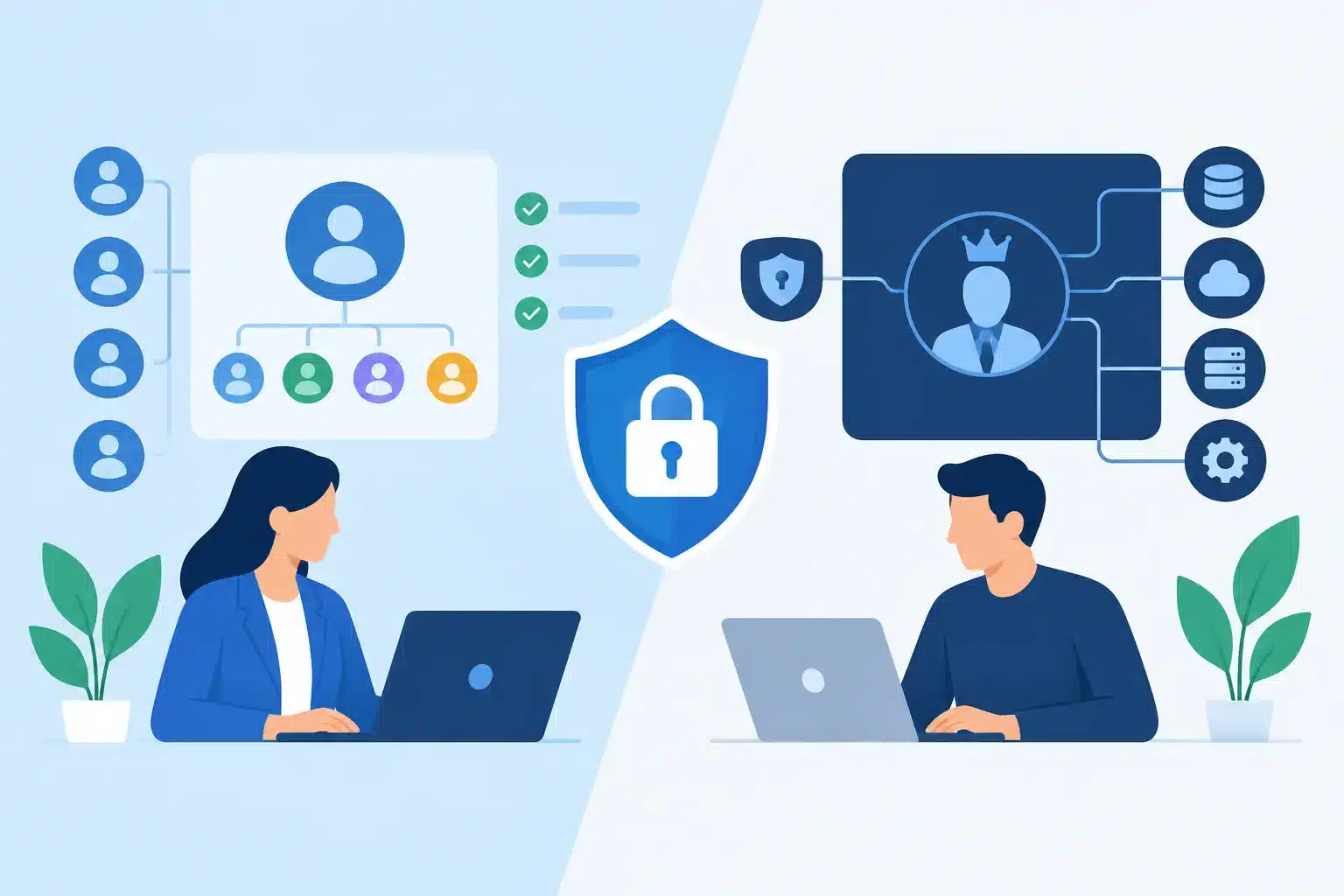
A sound JIT model also distinguishes between entitlement elevation and session access. Entitlement elevation temporarily adds a role or group membership, often through an identity governance or cloud identity platform. Session access creates a controlled connection to a target system through a PAM platform, frequently without exposing the underlying password or key. High-risk infrastructure commonly requires both: approval to elevate and a monitored session for the work itself.
Define scope before duration
Time limits are necessary, but duration alone does not make access safe. A six-hour domain administrator assignment is still excessive if the task only requires restarting a service on one server. Define the minimum scope first, then assign the shortest realistic duration.
For each privileged access package or elevation policy, specify the target resources, allowed role, maximum duration, eligible population, approval requirement, authentication strength, and logging requirement. Use preapproved access for repeatable low-risk operational tasks only when the role is tightly scoped and the business justification is well understood.
Avoid building a single “privileged access” policy for every team. Cloud administrators, network engineers, database operators, help desk staff, developers, and vendors work differently. Their access paths should reflect the sensitivity of their systems and the nature of their work.
Build policy controls that hold up under pressure
JIT access fails when the normal path is more difficult than the workaround. The request experience must be structured, fast, and auditable. Require users to state a business reason, select the target system or role, and request a defined duration. Where possible, tie requests to a change ticket, incident number, or approved operational activity.
Approval should be risk-based rather than uniform. Routine, narrowly scoped access may be automatically approved after policy checks. Sensitive elevation should require an accountable approver. Access to identity infrastructure, security tools, production financial systems, core healthcare platforms, or industrial control environments may require dual approval or a designated system owner.
The strongest policies usually include these controls:
- Step-up authentication before privileged elevation, with phishing-resistant methods for the most sensitive roles.
- Maximum activation periods and automatic removal, with reapproval required for extensions.
- Justification fields tied to change, incident, or service-management records.
- Session recording, command logging, or activity monitoring for high-impact systems.
- Alerts for unusual request patterns, repeated denials, after-hours elevation, or attempts to access systems outside the user’s normal responsibilities.
Do not assume that every privileged task needs a human approval. Automation can reduce operational delay when policy conditions are clear. For example, an on-call engineer might receive a 30-minute, preapproved role during an active incident if they authenticate strongly, belong to the assigned support group, and provide a valid incident reference. The exception is not the lack of human review. The exception is any elevation that cannot be explained, constrained, and examined later.
Integrate JIT with PAM, IAM, and governance
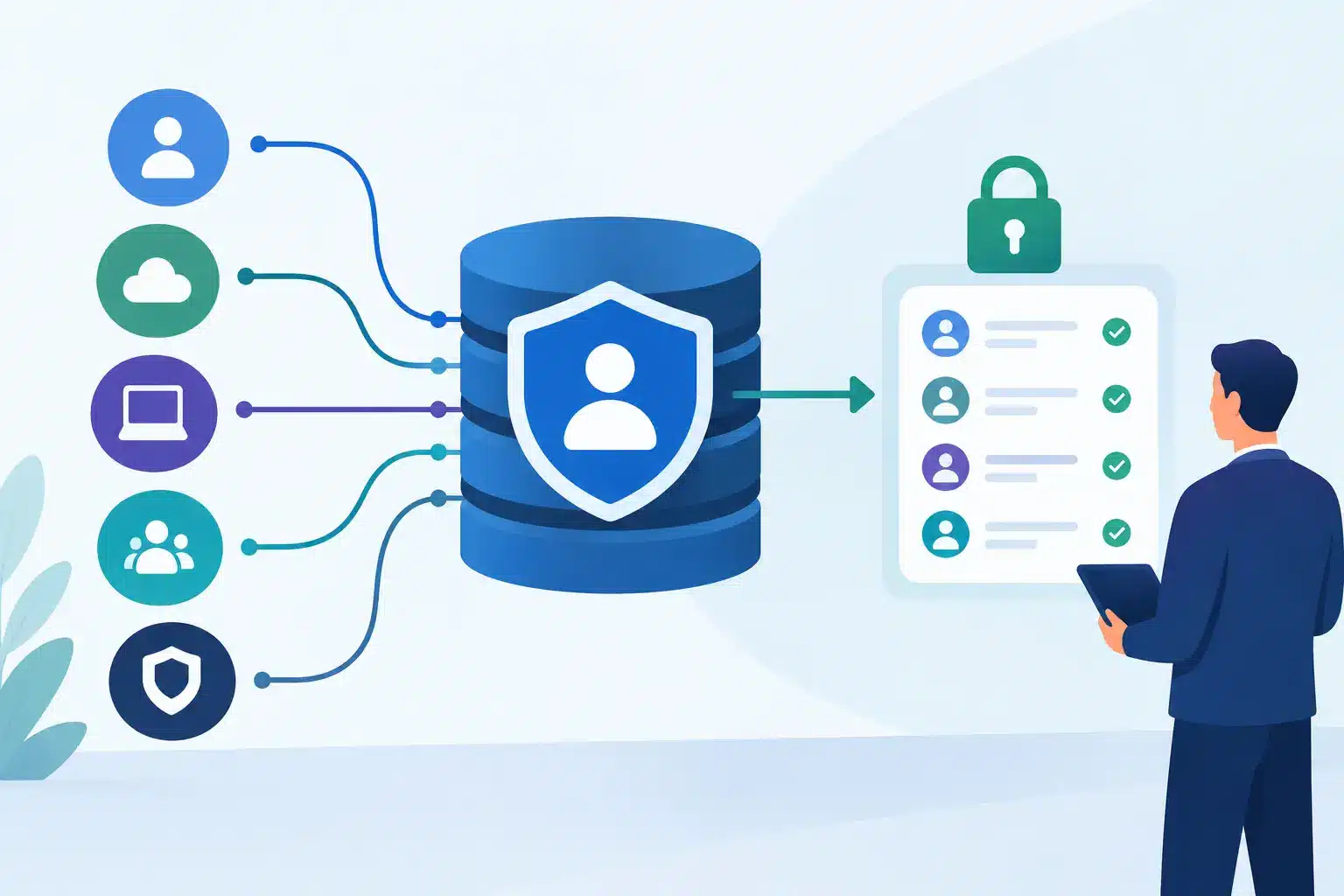
JIT access is most effective when it operates across the identity security stack. IAM establishes authoritative identities, authentication policies, and baseline roles. IGA governs who is eligible for access and supports access reviews. PAM controls privileged credentials, sessions, and high-risk account use. Security monitoring provides detection and investigation capability.
Fragmentation creates blind spots. An employee may receive temporary membership in a privileged cloud group while retaining a separate permanent local administrator account. A contractor’s directory account may expire while an unmanaged API key continues to grant access. These gaps are why JIT should be implemented as a coordinated control, not as an isolated PAM feature.
Establish a reliable source of truth for identity attributes such as department, employment status, manager, location, project assignment, and on-call status. These attributes can drive eligibility and remove access automatically when a person changes roles or leaves the organization. For third parties, use sponsor-based controls, fixed expiration dates, and separate access packages rather than adding them to internal administrative groups.
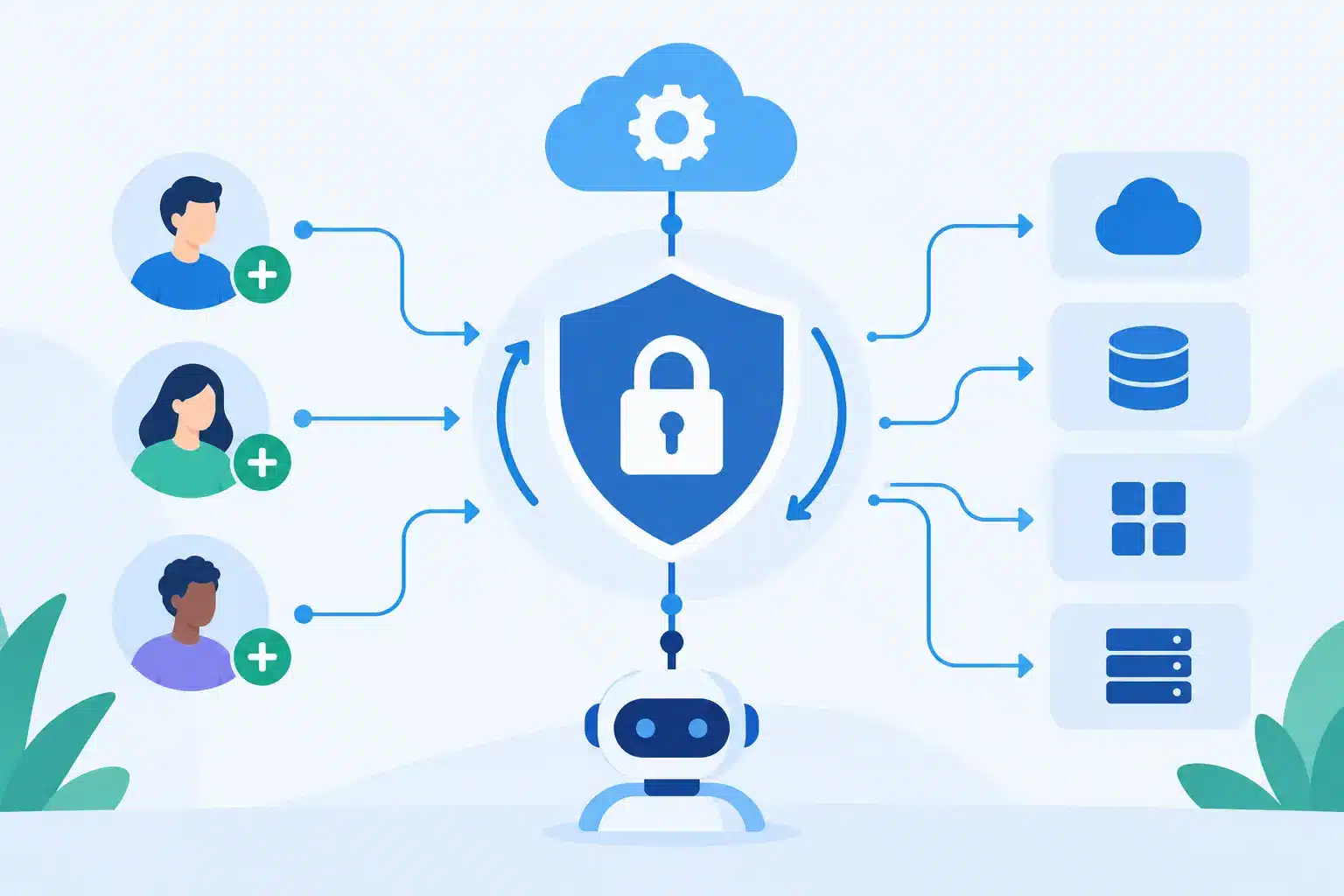
Machine identities require similar discipline. Where workloads need elevated capabilities, use short-lived credentials, narrowly scoped service roles, certificate-based authentication, and automated rotation. JIT principles are especially relevant for cloud automation and AI agents, where persistent tokens and overbroad permissions can scale a single mistake rapidly.
Test the emergency path before an incident
Break-glass access is necessary for scenarios where identity systems, network services, or approval workflows are unavailable. It should not become a hidden back door for convenience. Emergency accounts need strong credential protection, a limited number of authorized custodians, monitored use, and immediate review after activation.
Test the complete emergency process at least periodically. Confirm that designated responders can reach the required systems, that access works when normal dependencies fail, and that alerts reach security and operational leadership. If a break-glass account is used repeatedly for standard maintenance, treat that pattern as a design failure in the normal JIT workflow.
This is also where operational ownership matters. Security can define control requirements, but infrastructure and application teams must validate that the access model supports real recovery procedures. A policy that blocks recovery work is not secure in practice. It will be circumvented or disabled when pressure rises.
Measure whether the control is reducing risk
A JIT program should produce evidence that access exposure is shrinking. Track the number of standing privileged assignments, the percentage of privileged sessions initiated through approved workflows, the average elevation duration, approval turnaround time, emergency-account usage, and policy exceptions.
Review failed and abandoned requests as carefully as successful ones. A high rate of denials may indicate that employees are requesting access outside their defined duties. It may also reveal poorly designed roles, missing entitlements, or an approval process that does not match business operations. Metrics should drive role refinement and workflow improvement, not just compliance reporting.
Periodic access reviews remain necessary, even with automatic expiration. Reviewers should validate who is eligible to request elevated roles, whether approval owners remain appropriate, and whether temporary access packages have become overly broad. Automatic removal reduces exposure, but governance determines whether the underlying policy remains justified.
Common configuration failures to avoid
The most frequent mistake is treating JIT as a way to keep existing excessive roles while making them temporary. Temporary excess is still excess. Begin with role engineering and remove permissions that are not needed for the task.
Another failure is allowing users to choose arbitrary durations or repeatedly extend access without meaningful scrutiny. Set maximum durations by risk tier and require a renewed reason for extension. For high-impact roles, require the user to end the session or elevation when work is complete rather than relying only on the timer.
Organizations also underestimate the importance of clear ownership. Every JIT policy needs a business owner, a technical owner, an approver model, and a review cycle. Without these assignments, access packages quietly drift as applications, teams, and responsibilities change.
Finally, do not measure success by the number of policies configured. Measure it by fewer standing privileges, stronger visibility into privileged activity, faster legitimate access for authorized staff, and fewer ungoverned exceptions.
JIT access becomes valuable when it is treated as a disciplined access service, not a one-time deployment. Start with the systems where permanent privilege creates the greatest business exposure, validate the workflow with the people who operate them, and expand only after the control works under normal conditions and under pressure. That is how organizations take back control of their digital identities without slowing the business they are protecting.