Last updated: July 2026
If you have seen “IGA” in a security report, a compliance requirement, or a vendor pitch and were not entirely sure what it meant, this guide gives you the full answer: what the acronym stands for, what each part means, how it differs from related terms, and why it has become one of the most important disciplines in cybersecurity.
What does IGA stand for?
IGA stands for Identity Governance and Administration. It is the cybersecurity discipline that manages digital identities and their access rights across an organization, making sure the right people and machines have the right access to the right resources, for the right reasons, and only for as long as they need it.
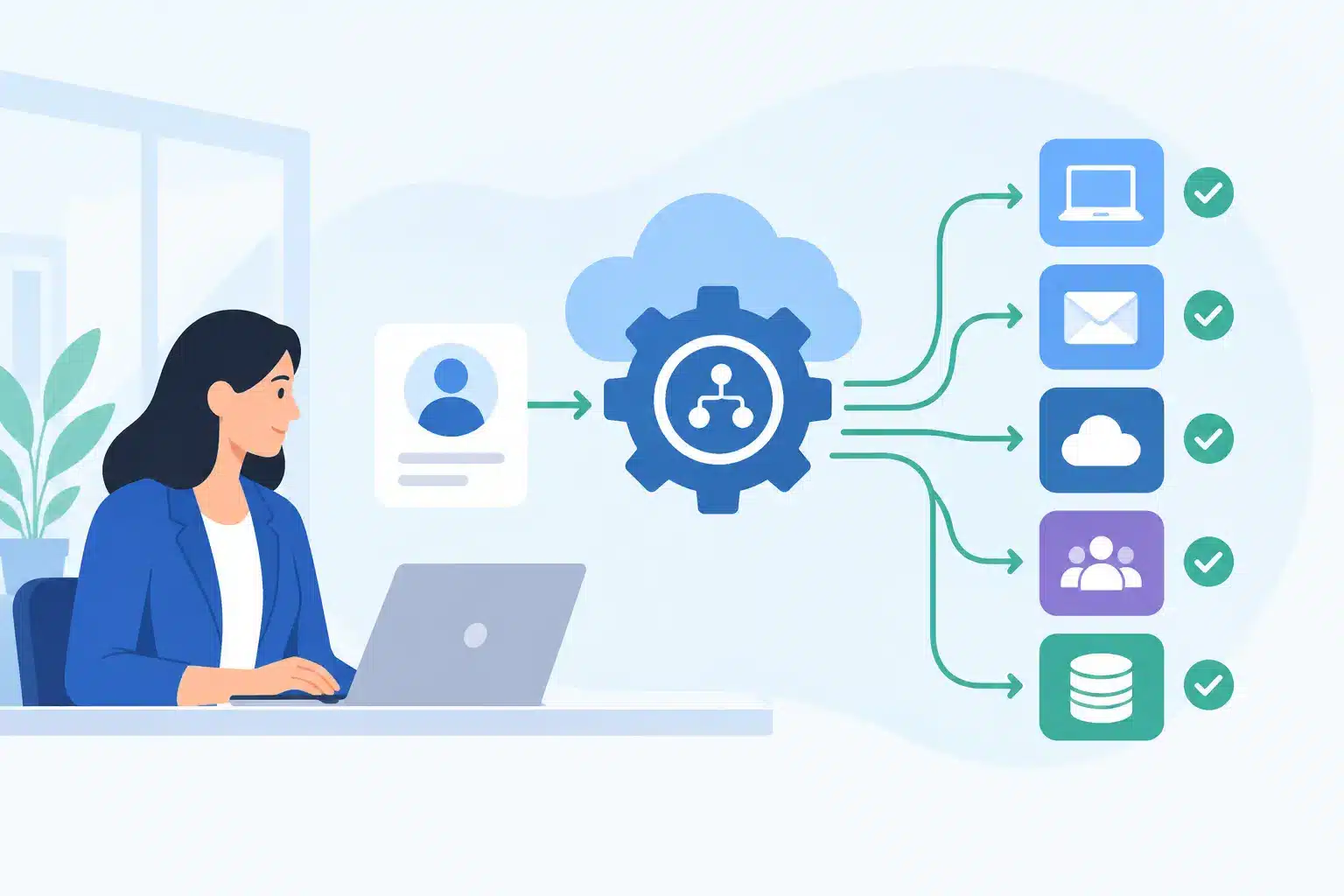
The term combines two functions that used to be handled separately. Identity Governance is the control side: visibility, access certification, segregation of duties, role management, analytics, and reporting. Identity Administration is the operational side: creating and managing accounts, handling credentials, and provisioning or deprovisioning access. Bringing the two together under one framework is what makes modern IGA powerful, governance sets the policy, and administration carries it out.
The term became standard industry terminology around 2010, when vendors and analysts needed a way to distinguish these comprehensive platforms from the simpler provisioning tools that came before them.
Breaking down the acronym
Each word in “Identity Governance and Administration” carries specific meaning.
Identity refers to any digital identity in the organization. This is not limited to employees. It includes contractors, partners, and customers, as well as the fast growing population of machine identities: service accounts, APIs, bots, IoT devices, and AI agents. Each identity is a potential gateway to systems and data, which is why all of them need governing.
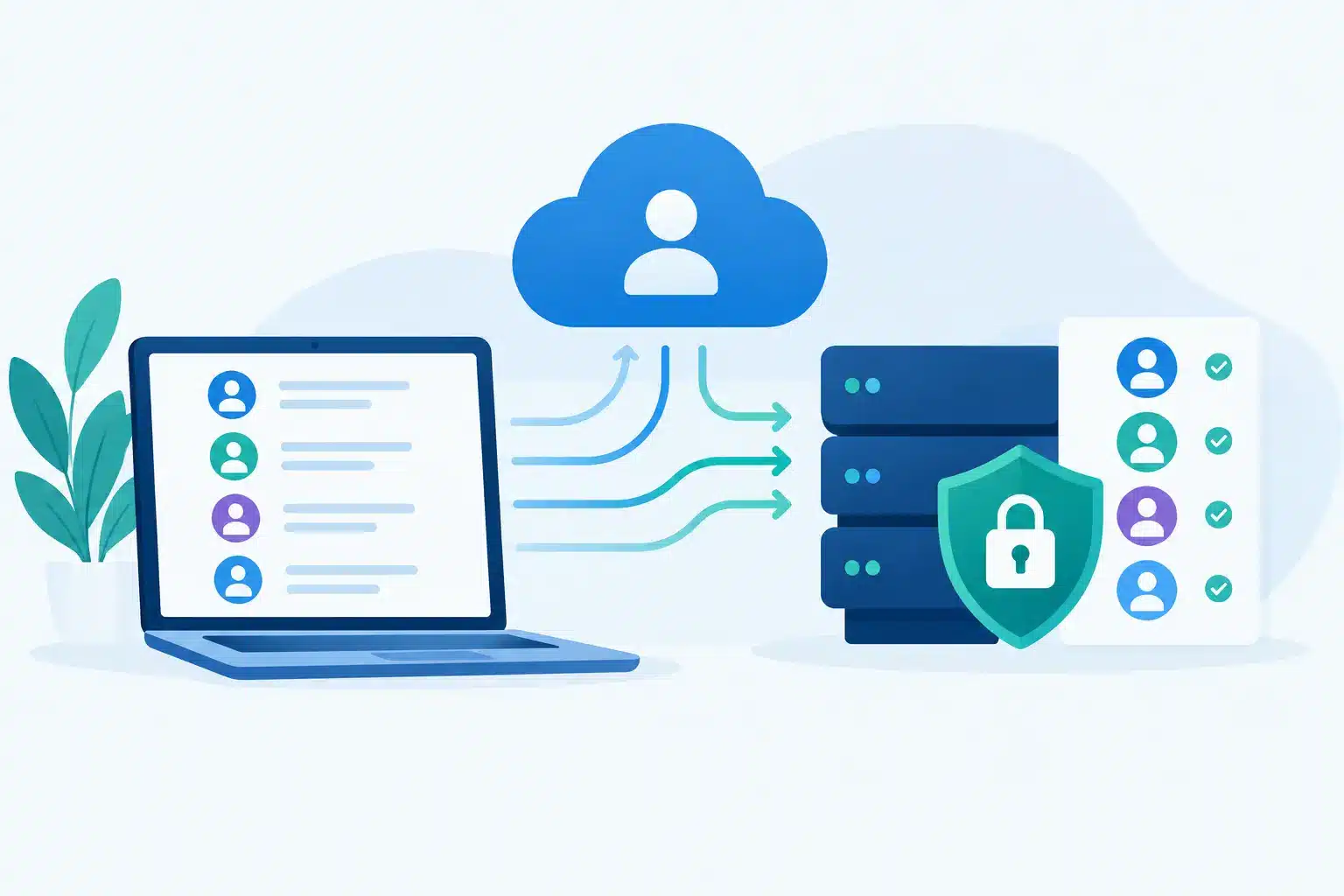
Governance is the oversight layer. It answers whether access is appropriate: who reviewed it, who attested to it, when it expires, and how it is removed. Governance is about visibility, policy enforcement, access reviews, segregation of duties, and the reporting that proves it all happened.
Administration is the execution layer. It handles the practical work of managing accounts and entitlements: provisioning new access, modifying it when roles change, and deprovisioning it when access is no longer needed. Administration is what turns a governance decision into an actual change in a system.
What does IGA actually do?
An IGA program delivers a recognizable set of capabilities, which Gartner treats as mandatory for any IGA suite. Together they cover the full life of an identity and its access.
- Identity lifecycle management. Automated joiner, mover, and leaver workflows that grant access on day one, adjust it when someone changes role, and revoke it immediately on departure.
- Access certification and review. Periodic campaigns where managers or application owners confirm or revoke the access each user holds, producing audit-ready evidence.
- Role-based access control (RBAC). Grouping permissions into roles so access can be granted and reviewed at the level of a job function rather than thousands of individual entitlements.
- Segregation of duties (SoD). Preventing a single identity from holding conflicting permissions that could enable fraud, such as both creating and paying a vendor.
- Access requests and provisioning. Self-service workflows that let users request access through structured, policy-checked approvals.
- Analytics and reporting. Detailed audit trails and dashboards that demonstrate compliance to internal and external auditors.
IGA vs IAM: what is the difference?
IGA is frequently confused with IAM (identity and access management), and the distinction matters. IAM handles the operational aspects of identity: authentication, authorization, password management, and day-to-day access at the moment someone signs in. IGA extends IAM by adding the governance layer on top: oversight, policy enforcement, access reviews, and compliance.
A useful way to frame it: IAM answers “how do users access resources, and what can they do?” while IGA answers “should they still have that access, and can we prove it is appropriate?” In fact, IGA is generally considered a sub-category of IAM, the part focused specifically on governance, risk, and compliance. IGA does not replace IAM; it extends its strategic value. IAM without IGA produces orphaned accounts and standing privilege, while IGA without IAM has no live access decisions to govern.
Why does IGA matter?
IGA has moved from a back-office IT function to a core security and compliance control, for several concrete reasons.
Identity is the primary attack vector. According to the IBM Cost of a Data Breach Report, stolen or compromised credentials are the most common initial breach vector, responsible for a significant share of data breaches. Governing who holds access, and removing what is no longer needed, directly shrinks that attack surface.
Compliance demands proof. Regulations and frameworks such as SOX, GDPR, HIPAA, PCI DSS, and ISO 27001 require organizations to demonstrate who has access to what, why, and for how long. Without IGA, gathering that evidence means manually surveying systems and piecing together reports, a process that can take weeks and produce questionable accuracy.
Machine identities are exploding. The number of non-human identities, bots, workloads, IoT devices, and AI agents, now far exceeds human users, and each expands the attack surface. IGA is increasingly the discipline that brings these under the same governance as human accounts.
It delivers operational value. Beyond security, IGA cuts friction. Automated provisioning lets new employees gain the access they need in minutes instead of days, reduces help desk load, and frees IT teams from manual, quarterly spreadsheet reviews.
IGA, IAM, and PAM: how they fit together
IGA is one of three related disciplines that together form modern identity security. IAM (identity and access management) is the broad framework governing all access. PAM (privileged access management) secures the most sensitive accounts, administrators and service accounts, with vaulting and session controls. IGA sits between them as the governance layer, ensuring that access, privileged or not, stays appropriate over time. A mature identity security program deploys all three as one connected architecture rather than in isolation.
Getting started with IGA
Implementing IGA well is less about the software and more about the operating model around it. The path that works starts with discovery, building a complete inventory of identities and entitlements, since governance built on partial visibility is governance in name only. From there, organizations define ownership and policy, automate lifecycle and certification, enforce segregation of duties, and put audit-ready reporting in place.
The organizations that succeed pair the right platform with people who can make it work in their actual environment: integrating legacy systems, building workflows that fit how the business operates, and setting policies that balance security with operational reality. A dedicated identity governance and administration solution combined with expert integration is what turns IGA from a compliance checkbox into a control that genuinely reduces risk.
Frequently asked questions
What does IGA stand for in cybersecurity?
IGA stands for Identity Governance and Administration. It is the discipline that manages digital identities and their access rights, ensuring the right identities have appropriate access, and that access is reviewed, certified, and removed across its lifecycle.
What is the difference between IGA and IAM?
IAM (identity and access management) handles authentication and day-to-day access. IGA (identity governance and administration) adds the governance layer on top: access reviews, certification, policy enforcement, and compliance. IGA is generally considered a sub-category of IAM.
What does the “administration” part of IGA mean?
Administration is the operational side of IGA: creating and managing accounts, handling credentials, and provisioning or deprovisioning access. It executes the changes that governance policy decides.
Is IGA the same as identity security?
IGA is a core part of identity security but not the whole of it. Identity security also includes IAM and PAM. IGA specifically provides the governance, risk, and compliance layer across all identities.
What are the main capabilities of IGA?
The core IGA capabilities are identity lifecycle management, access certification and review, role-based access control, segregation of duties enforcement, access request workflows, and compliance reporting.
Key takeaways
- IGA stands for Identity Governance and Administration, combining the control side (governance) with the operational side (administration) of managing identities and access.
- It differs from IAM: IAM handles how users access resources, while IGA governs whether that access is still appropriate and provable. IGA is a sub-category of IAM.
- IGA matters because compromised credentials are the top breach vector, compliance requires provable access control, and machine identities are multiplying fast.