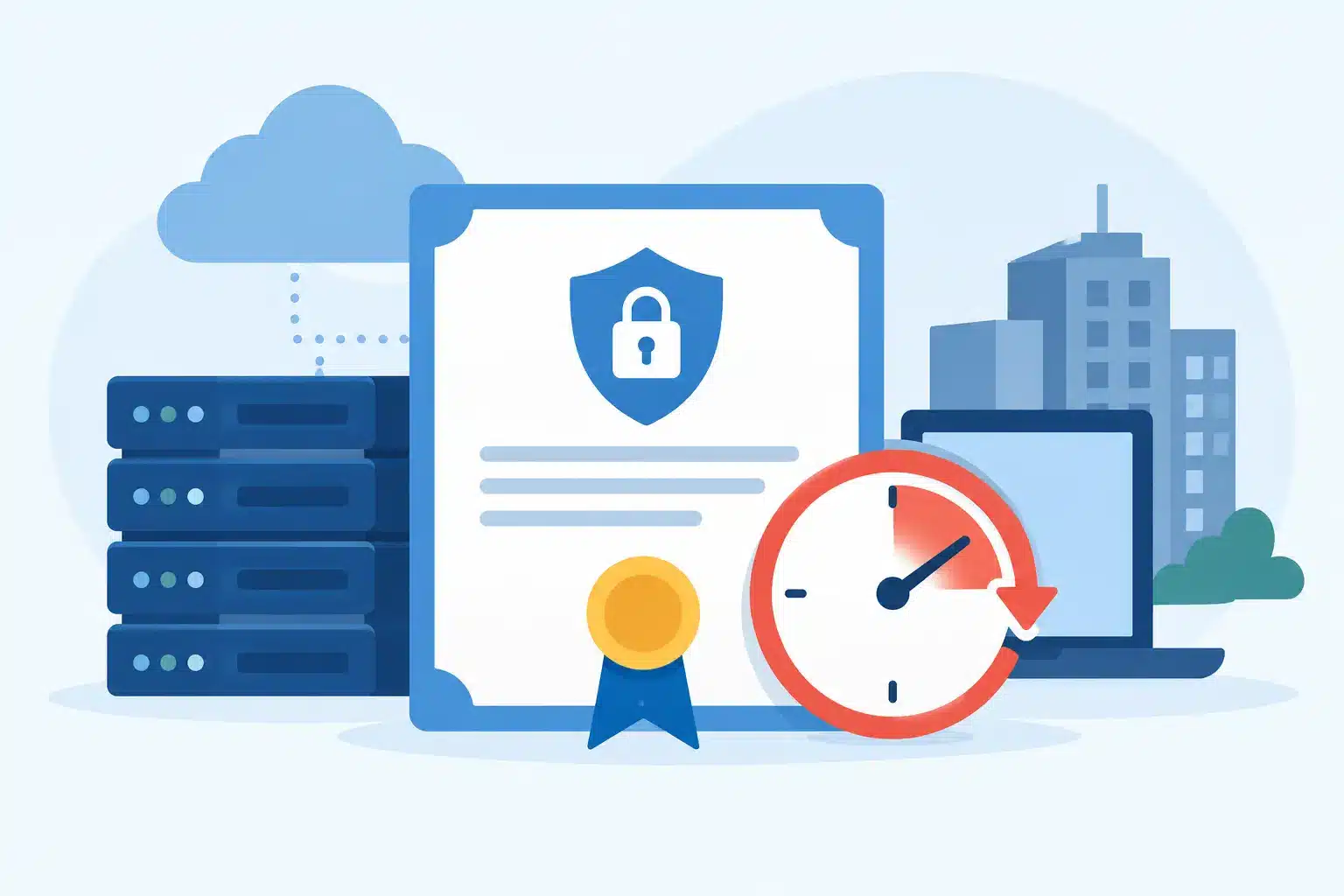
A production outage caused by an expired certificate, an unmanaged service account with domain-level access, or an AI agent acting beyond its intended scope can create the same result: critical business operations stop, data is exposed, and incident teams lose time establishing who did what. Identity security trends 2026 are defined by this operational reality. The security boundary is no longer limited to employees signing in to business applications. It now includes workloads, APIs, secrets, certificates, privileged sessions, external partners, and autonomous software agents.
For enterprise leaders, the question is not whether identity has become a primary attack surface. It has. The question is whether identity controls are designed to operate at the speed and scale of the business.
Identity Security Trends 2026: Control Must Extend Beyond Users
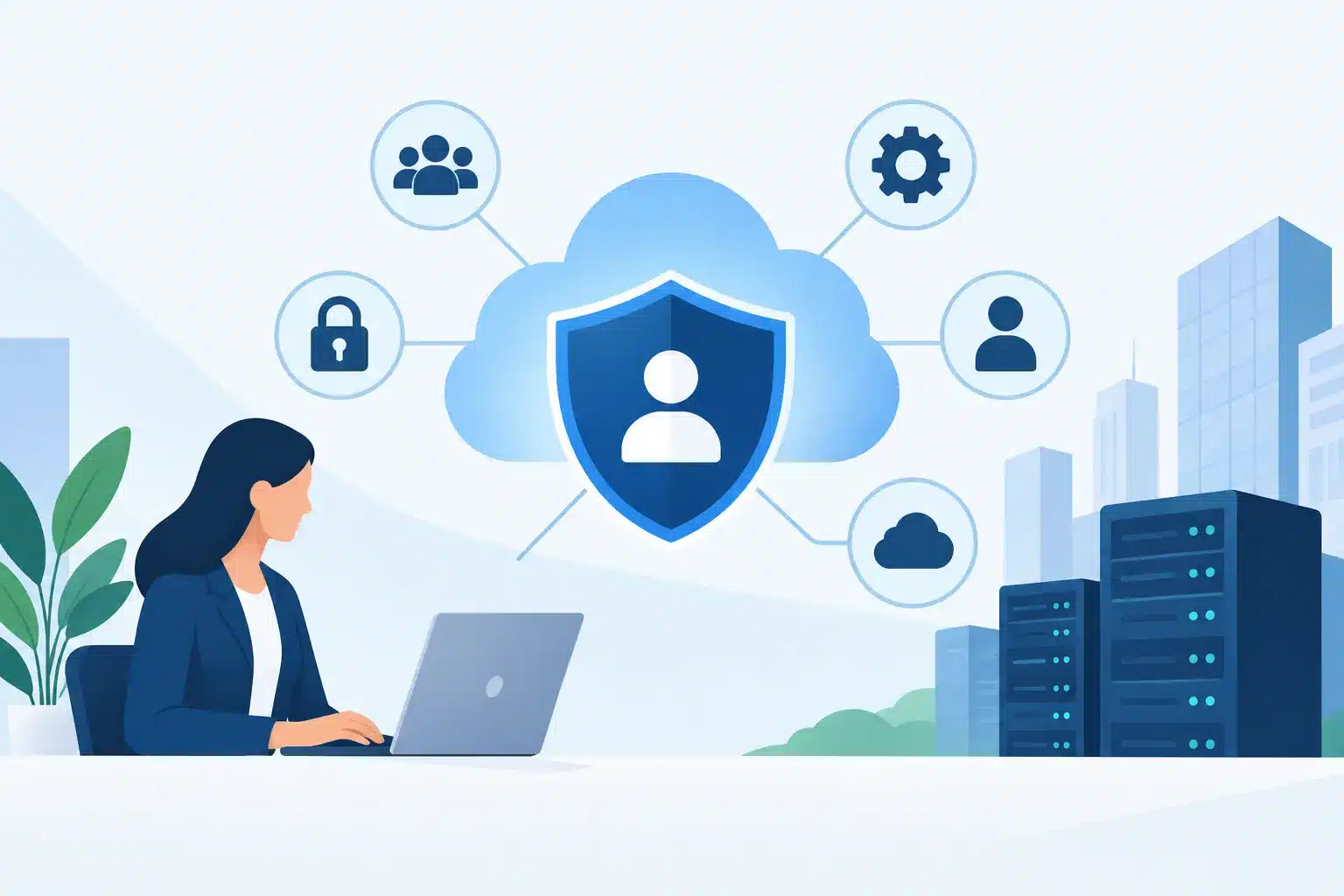
Identity programs were often built around workforce access: directory services, single sign-on, multi-factor authentication, and role-based access. Those controls remain essential, but they do not provide a complete picture of access risk. Non-human identities now commonly outnumber human identities across enterprise environments, and each may hold permissions that are difficult to discover, validate, or remove.
In 2026, mature programs are moving from user-centric IAM to identity-centric security. This means applying ownership, authentication standards, least privilege, lifecycle controls, and monitoring to every identity type. A service account is not simply an infrastructure detail. A certificate is not merely a PKI task. An AI agent is not just an application feature. Each is an entity that can authenticate, receive authorization, and affect critical systems.
This shift requires clear accountability. Every identity should have a known owner, a defined purpose, an approved access path, and a lifecycle process. Where those elements are absent, organizations are carrying access risk they cannot accurately measure.
AI Agents Become Governed Identities
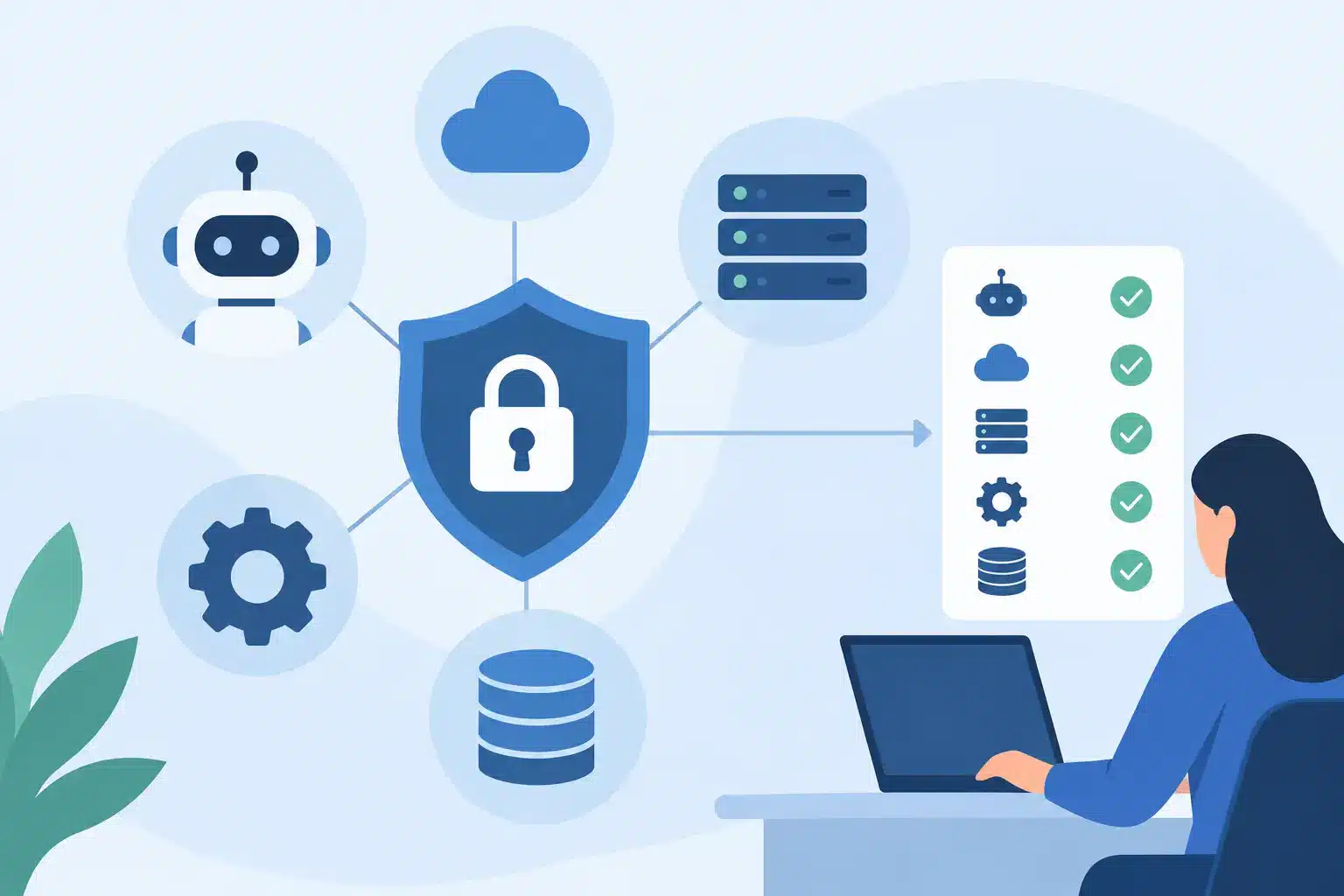
AI adoption is introducing a new class of operational identity. AI agents can retrieve enterprise data, call APIs, execute workflows, create tickets, modify records, and initiate transactions. Their value depends on access. Their risk comes from access that is too broad, persistent, or poorly monitored.
Treating an agent as a normal application account is insufficient. Agents operate through chains of permissions: the identity of the agent, the user or system that invoked it, the model or platform hosting it, the tools it can call, and the credentials used to reach downstream services. A failure at any point can produce unintended action with limited audit clarity.
Agent permissions need boundaries, not assumptions
The practical control model for AI agents starts with dedicated identities. Each agent should authenticate independently and receive narrowly defined permissions based on its operational role. Shared service credentials make attribution difficult and create unnecessary blast radius.
Authorization should also be contextual. An agent that can summarize customer records may not need the authority to update them. An agent allowed to open a support case may not need the ability to reset a privileged account. High-impact actions should require step-up approval, constrained workflows, or human confirmation depending on business criticality.
Logging must capture more than successful sign-ins. Security teams need to see which agent invoked which tool, under what request context, using which permissions, and with what result. That evidence supports incident response, control testing, and compliance review.
The trade-off is speed. Strict approval gates can reduce the usefulness of automation. The answer is not to remove control, but to classify actions by risk and apply stronger checks where irreversible, regulated, or privileged activity is involved.
Machine Identity Sprawl Moves to the Boardroom
Machine identity management is becoming an enterprise resilience issue. Certificates, keys, workload identities, API tokens, and service accounts support the systems that process payments, deliver care, run industrial operations, and connect cloud services. Yet many organizations still lack a complete inventory of these assets.
Certificate failures are a visible symptom. An expired certificate can interrupt customer-facing services or internal applications with little warning. More serious is the exposure created by unmanaged private keys, long-lived secrets, or machine accounts that retain elevated access after the original system has changed or been retired.
In response, certificate lifecycle management and workload identity controls are moving closer to core security operations. The objective is continuous visibility: know where machine identities exist, who owns them, what they can access, when their credentials expire, and whether their use matches approved patterns.
Automation matters, but only when it is connected to policy. Automated certificate renewal without accurate ownership or inventory can perpetuate unmanaged risk. Automated secret rotation can break applications if dependencies are unknown. Organizations need discovery, classification, lifecycle orchestration, and operational runbooks working together.
Privileged Access Becomes More Dynamic
Privileged access management is also changing. Static administrative accounts, standing privileges, and shared credentials are increasingly difficult to defend in hybrid environments. Cloud consoles, SaaS administration, DevOps platforms, identity infrastructure, and operational technology systems have expanded the number of privileged paths that require control.
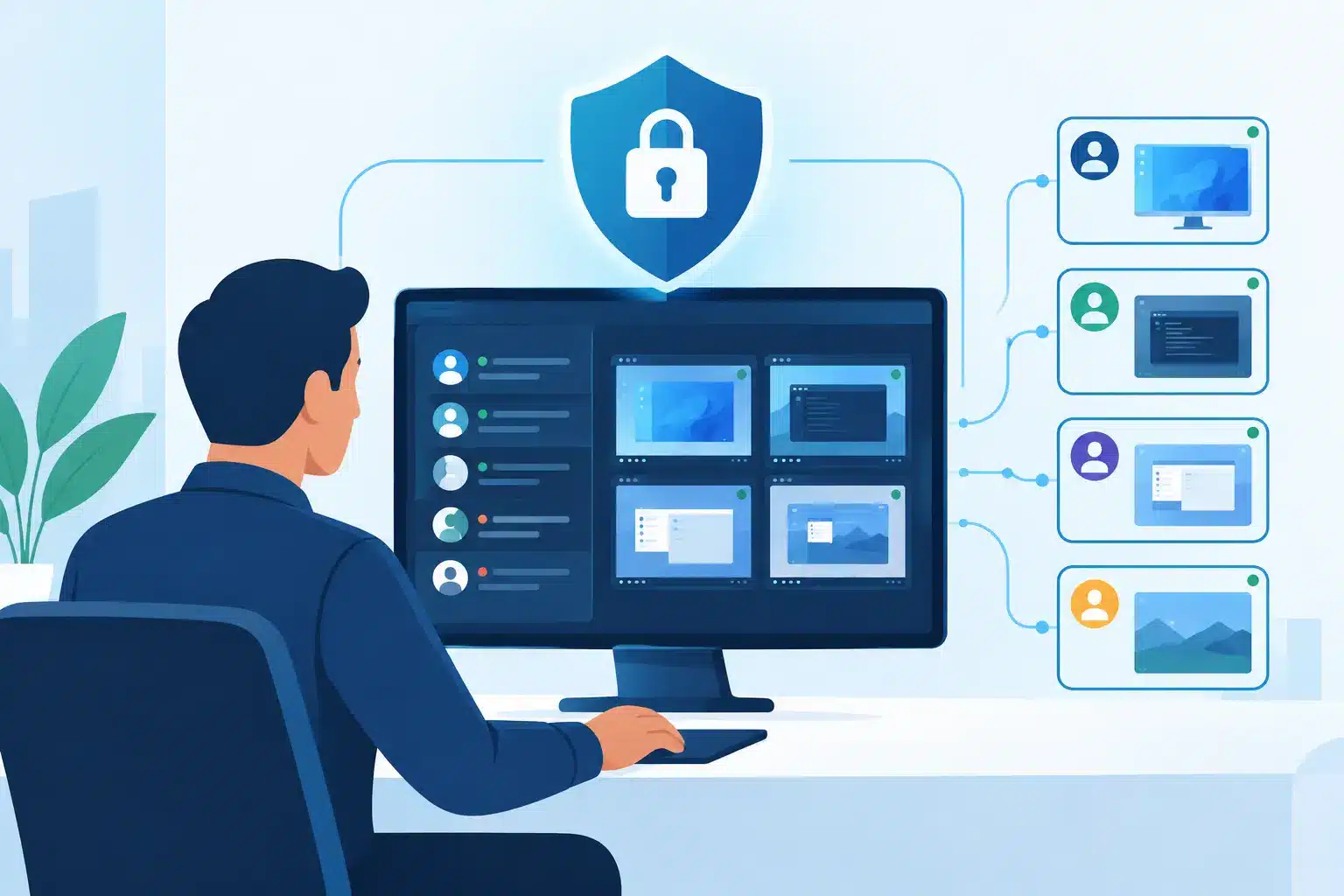
The direction is toward just-in-time elevation, session oversight, credential rotation, and policy-based access decisions. Rather than granting broad administrative rights permanently, organizations can provide limited elevation for a defined task and timeframe. This reduces exposure without preventing administrators from completing urgent work.
However, privileged access programs fail when security controls are separated from operational realities. Emergency access must work during an outage. Contractors need predictable onboarding and offboarding. Administrators need supported workflows rather than manual exceptions that become permanent. PAM must be integrated into service management, identity lifecycle processes, and incident response procedures.
A mature program also extends beyond traditional administrators. Developers with production access, cloud platform engineers, third-party support personnel, and high-risk business users may all hold privileges that warrant stronger oversight.
Identity Governance Shifts From Review to Evidence
Annual access reviews are not enough when roles, projects, systems, and external relationships change continuously. Identity governance in 2026 is moving toward event-driven decisions and evidence-based control.
That means access should be reassessed when an employee changes jobs, when a contractor’s engagement is extended, when an application is classified as more sensitive, or when an account displays unusual behavior. Governance platforms can support this through birthright access policies, role models, access request workflows, segregation-of-duties checks, and automated deprovisioning.
The difficult work is not deploying a certification campaign. It is improving the quality of the underlying data. If application owners are unknown, entitlement names are unclear, and roles contain years of accumulated exceptions, reviewers cannot make credible decisions. Good governance starts with cleanup and accountability before it becomes automation.
For regulated organizations, this produces a more defensible control posture. They can demonstrate not only that reviews occurred, but also why access was granted, who approved it, and what happened when risk conditions changed.
Identity Architecture Must Reduce Fragmentation
Many enterprises have accumulated identity tools through acquisitions, cloud adoption, regulatory requirements, and individual business-unit decisions. The result is often fragmented authentication, duplicate identity stores, inconsistent privileged controls, and disconnected audit data.
Consolidation does not always mean replacing every platform. It means defining a target architecture that clarifies authoritative identity sources, authentication standards, access governance responsibilities, privileged access pathways, and machine identity ownership. The right approach depends on the existing environment, regulatory obligations, and business tolerance for transformation risk.
A phased program is often more effective than a broad replacement initiative. Start with the identities and access paths that create the greatest business exposure: privileged accounts, critical applications, unmanaged service identities, and high-risk external access. Establish measurable control improvements, then extend the model across the environment.
The Operating Model Is the Security Control
Technology alone does not sustain identity security. Access models degrade when ownership is unclear, exceptions are not reviewed, integrations are not maintained, and platform changes occur without identity impact assessment. This is why identity security must be treated as an operating discipline.
Security, infrastructure, HR, application owners, compliance teams, and service providers need defined responsibilities. Metrics should track more than deployment progress. Useful measures include orphaned accounts, privileged standing access, certification completion quality, credential rotation coverage, certificate expiration risk, access request fulfillment time, and remediation aging.
The strongest identity programs also test failure conditions. Can critical access be restored safely during an outage? Can a compromised administrator account be contained quickly? Can the organization identify every certificate supporting a critical service? Can an AI agent be disabled without disrupting unrelated business processes?
These questions expose whether controls exist only on architecture diagrams or function under pressure. The practical next step is to identify the access paths your business cannot afford to lose control of, assign accountable owners, and build the operational capability to govern them every day.