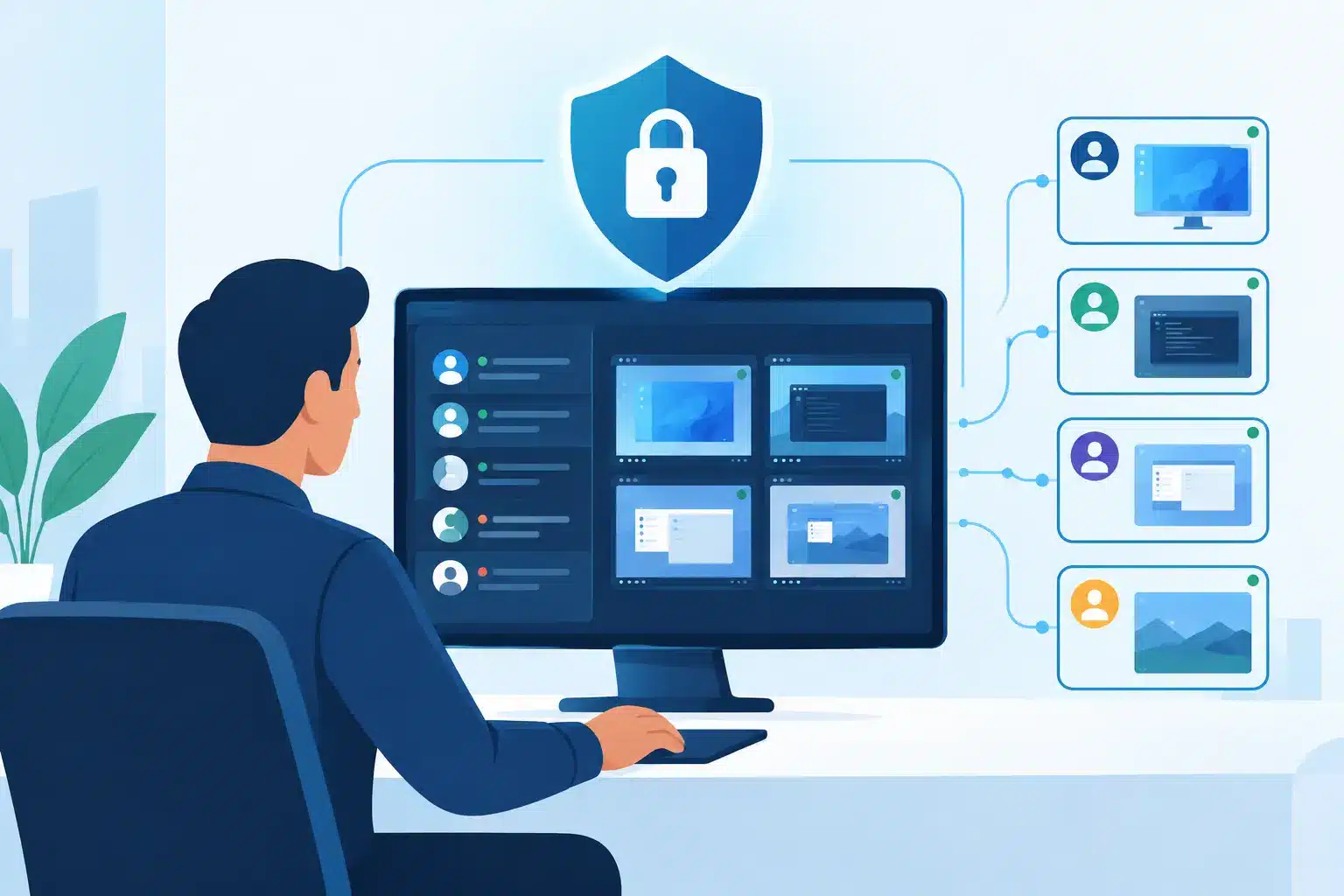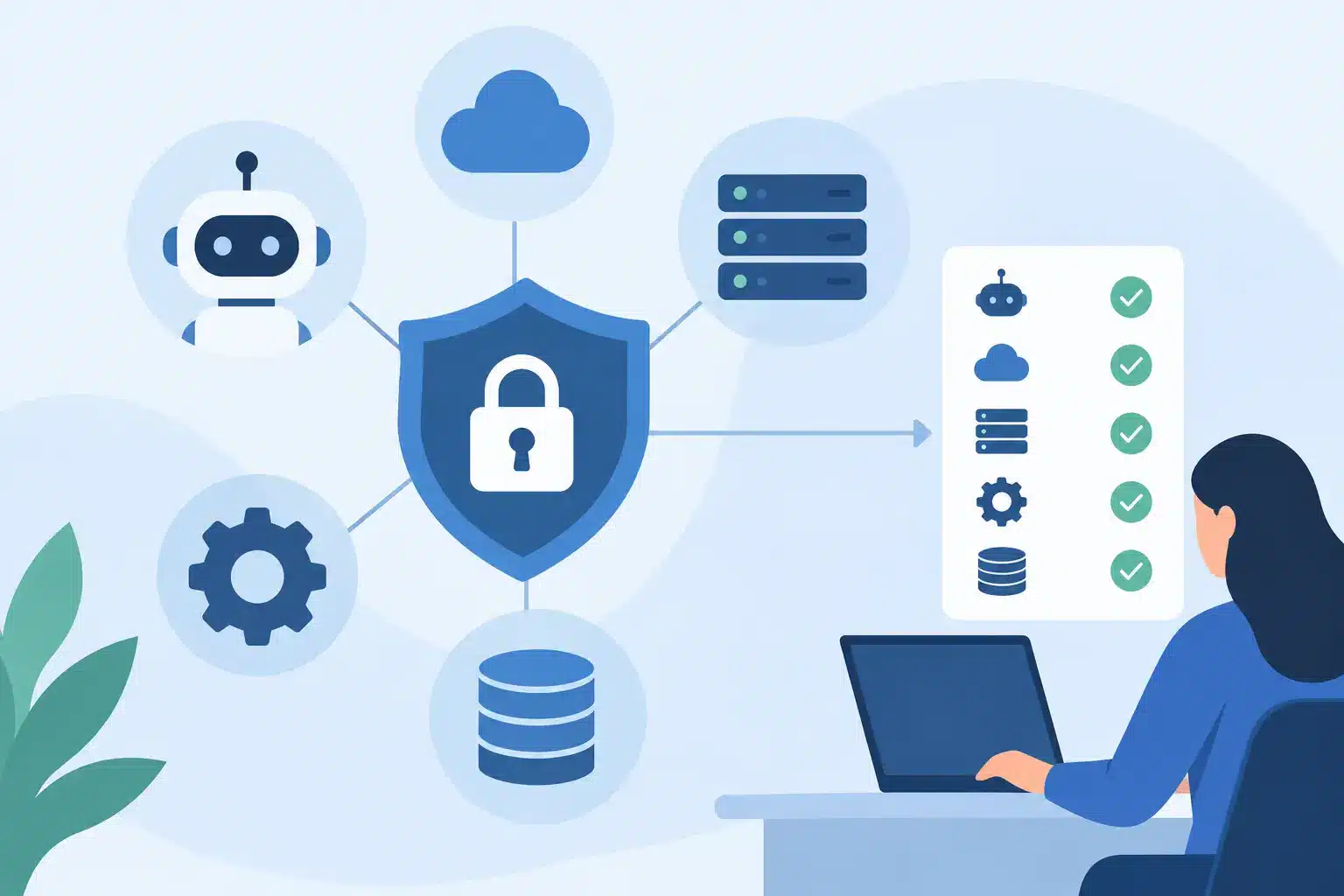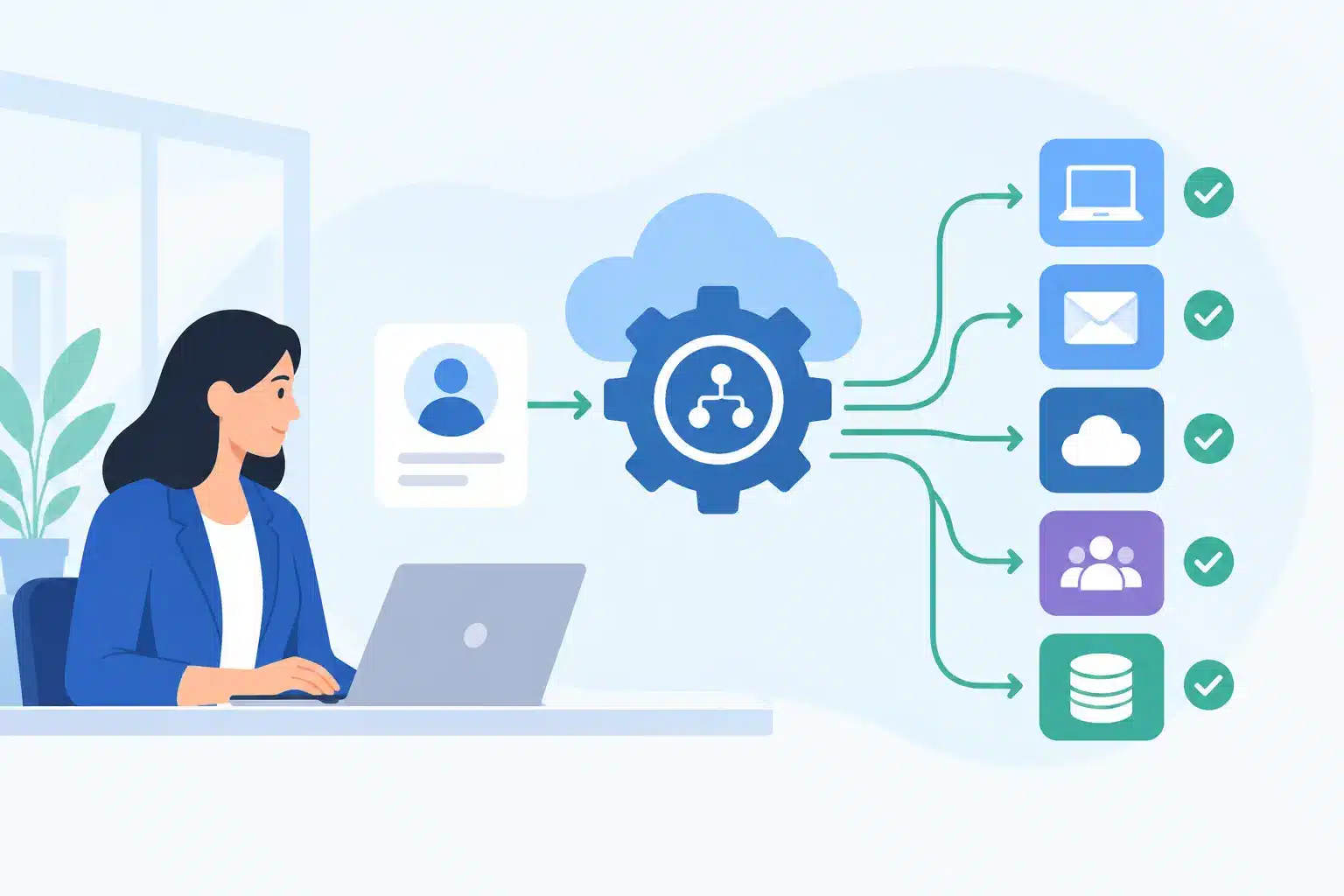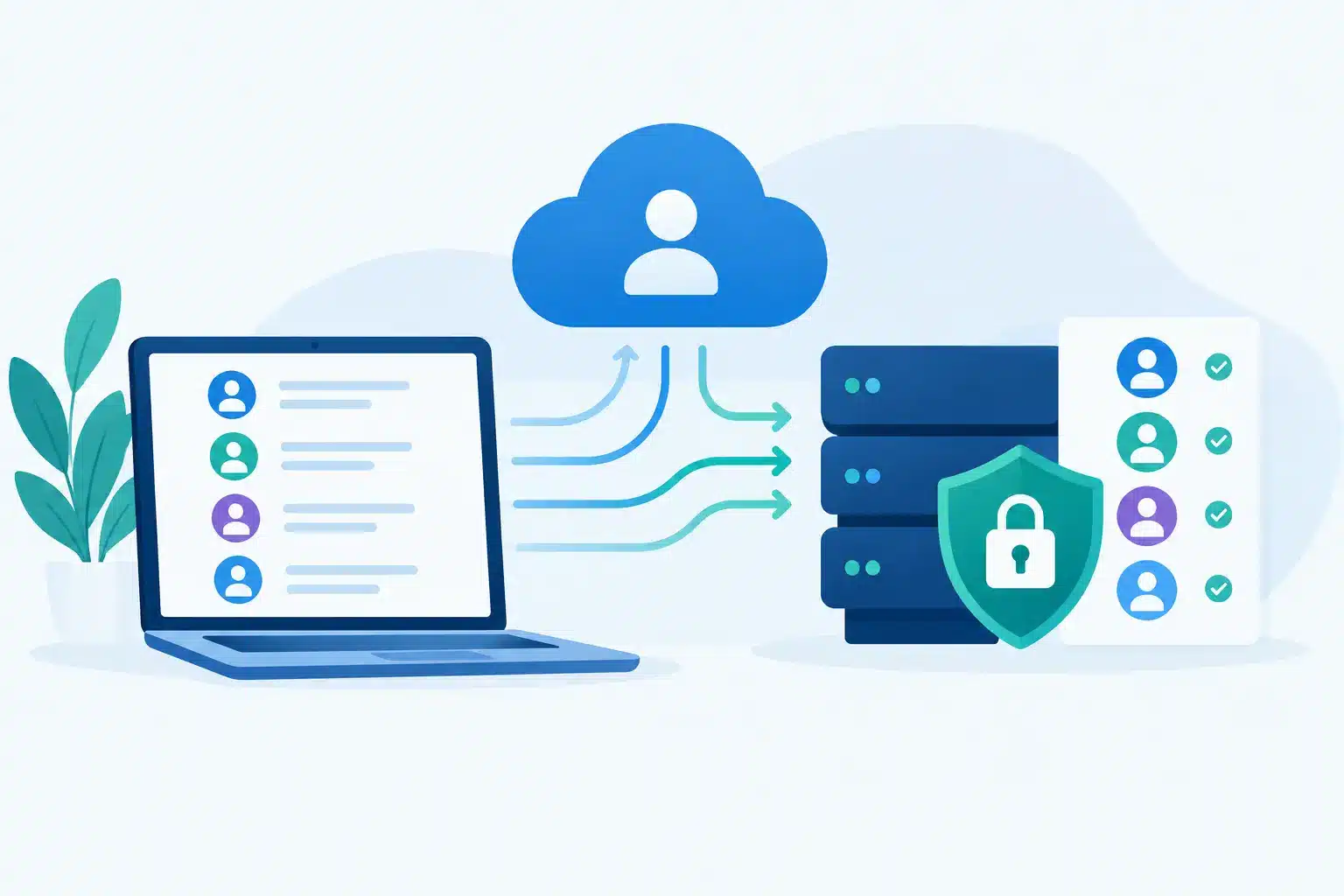
Persistent privileged access is a standing invitation for attackers. When an administrator account, service identity, or cloud role retains powerful permissions around the clock, a stolen credential can become a high-impact incident without requiring another control failure. Zero standing privileges changes that risk equation by removing privileged access until a justified task requires it.
This is not a policy slogan or a simple setting in a PAM platform. It is an operating model for controlling critical access across people, applications, infrastructure, cloud platforms, machine identities, and increasingly, AI agents. Done well, it reduces attack surface without forcing administrators into unsafe workarounds or slowing the business during an incident.
What Zero Standing Privileges Means
Zero standing privileges, often abbreviated as ZSP, means users and identities do not retain privileged entitlements by default. Access is granted only when needed, for a defined scope, and for a limited duration. Once the approved task ends or the time window expires, the privilege is removed automatically.
The model applies beyond traditional domain administrators. It includes cloud subscription owners, production database administrators, SaaS super admins, emergency access accounts, CI/CD service accounts, API credentials, certificate management operators, and non-human identities that can change systems or access sensitive data.
A strong ZSP model has three characteristics. Privilege is time-bound, task-bound, and traceable. The request should identify why access is needed, the granted role should provide only the required authority, and the session or activity should create an auditable record.
That does not mean every engineer must wait for a manual approval to restart a service at 2 a.m. The control design must reflect operational reality. Low-risk, repeatable access may be automatically approved based on policy, device posture, identity assurance, ticket context, and behavioral signals. Higher-risk actions should require additional approval, step-up authentication, or live session monitoring.
Why Persistent Privilege Creates Enterprise Risk
Many enterprises have reduced privileged account sprawl without eliminating persistent privilege. Administrators may use named accounts instead of shared credentials, but still hold broad roles permanently. Cloud teams may use federated SSO, while role assignments remain active for months. Service accounts may be vaulted, but retain permissions that exceed their actual function.
These controls improve accountability, but they do not remove the exposure created by always-available privilege.
Attackers understand this. They target identity providers, endpoint sessions, browser tokens, secrets repositories, CI/CD pipelines, and third-party support channels because privileged access compresses the path from initial compromise to business impact. A compromised identity with permanent elevation can disable security tools, access customer data, alter infrastructure, or create additional backdoor accounts before detection teams can respond.
For regulated organizations, the problem is also governance. Auditors and control owners need evidence that privileged access is appropriate, periodically reviewed, and revoked when no longer necessary. A large population of continuously assigned privileged roles makes that evidence expensive to produce and difficult to trust.
ZSP addresses both issues. It limits the period in which an identity can exercise high-impact authority and creates clearer evidence of who received access, why, when, and what occurred.
Zero Standing Privileges Requires More Than PAM
Privileged Access Management is a core enforcement layer, but zero standing privileges is not a PAM-only project. It depends on coordinated identity architecture and operating processes.
Establish a reliable identity foundation
The enterprise must first know which identities exist, who owns them, what they can access, and whether they are still needed. This includes workforce identities, external users, contractors, break-glass accounts, service accounts, cloud roles, certificates, workload identities, and AI agents.
Identity Governance and Administration provides the ownership, lifecycle controls, access reviews, and entitlement visibility required to make decisions at scale. Without reliable identity data, just-in-time elevation can simply automate the assignment of excessive permissions.
The most common early discovery is that privileged access is spread across disconnected systems. Active Directory groups, cloud IAM roles, SaaS admin consoles, local accounts, secrets managers, and application-specific authorization models often follow different approval and review processes. ZSP should bring these paths into a controlled framework, not pretend they are already unified.
Define privileged access by risk and use case
Not every elevated permission requires the same control. A database engineer performing a planned production change has a different risk profile than a security analyst responding to ransomware. A developer accessing a non-production environment differs from a vendor supporting a critical payment system.
Classify privileged activities by business impact, sensitivity, frequency, and urgency. Then define the appropriate access path. Some requests can receive policy-based automatic approval. Others need manager approval, system-owner approval, or a dual-control workflow. Highly sensitive sessions may require credential checkout through a vault, session recording, command controls, or real-time oversight.
This is where programs can fail if they pursue uniformity over usability. A rigid approval process for every elevation drives users toward shared accounts, unmanaged secrets, or emergency exceptions. The goal is controlled access that works under real production conditions.
Enforce least privilege at the entitlement level
Just-in-time access does not compensate for overly broad roles. If a user receives a powerful administrator role for 30 minutes but needs only a single action, the organization has reduced duration but not scope.
Review the roles being assigned. Separate read-only investigation from configuration changes. Separate routine operations from destructive actions. Use narrowly defined cloud roles, application entitlements, and privileged groups where possible. For environments that cannot support fine-grained roles, compensate with shorter access windows, stronger session controls, and regular entitlement redesign.
Automate revocation and preserve evidence
The most valuable control in a ZSP program is often the simplest: automatic removal. Access should expire without requiring a user, manager, or administrator to remember to revoke it. Expiration must be enforced in the target system, not merely displayed as expired in a request portal.
Every elevation should leave evidence that supports security operations and audit. Capture the requester, target system, role, approval path, start and end time, ticket or business justification, authentication method, and relevant session activity. Centralized logs should feed detection and response workflows so that unusual elevation patterns are visible quickly.
A Practical Path to Implementation
A successful rollout starts with a narrow but meaningful use case. Select a high-value system where privileged access is frequent enough to expose operational issues, but bounded enough to control the deployment. Cloud administration, production infrastructure support, and privileged third-party access are often suitable starting points.
First, establish a baseline. Identify persistent roles, privileged identities, shared accounts, dormant accounts, direct assignments, and emergency access paths. Measure how many users have administrative access today, how often they actually use it, and which permissions they use during normal work.
Next, design elevation workflows with the teams that will use them. Security architecture cannot define workable access windows without input from infrastructure, application, cloud, and service desk teams. Build normal access paths, emergency paths, and exception paths before removing standing privileges. A documented break-glass process is essential, but it must be protected, monitored, time-limited, and reviewed after every use.
Then deploy enforcement in stages. Convert eligible users from permanent privileged roles to just-in-time membership. Integrate approval context from IT service management where it improves accountability. Apply multi-factor authentication and device trust checks before elevation. Record or monitor sensitive sessions when the platform and risk level justify it.
Finally, use operational data to improve the model. Repeated requests for the same role may indicate a legitimate automation opportunity or a role design problem. Frequent denials may reveal incomplete access packages. Emergency account use may expose gaps in normal workflows. ZSP is a control discipline that improves through measured adjustment.
Measuring Whether the Control Is Working
Leadership needs more than a count of users migrated to a PAM platform. Meaningful measures show whether exposure and friction are both decreasing.
Track the percentage of privileged entitlements that are time-bound, the number of permanent admin assignments remaining, the average duration of elevated sessions, and the volume of emergency access usage. Monitor approval times, failed elevation attempts, policy exceptions, and help desk tickets associated with privileged access. For high-risk systems, measure whether session logs, command controls, and revocation events are complete and available for investigation.
A healthy program does not necessarily drive every metric to zero. Some legacy platforms may require constrained exceptions. Some operational teams may need pre-approved elevation for defined on-call duties. The standard is not theoretical purity. It is a documented, monitored decision that leaves the organization with less unmanaged privilege than before.
Extending the Model to Non-Human and AI Identities
Human administrators are only part of the problem. Service accounts, workloads, automation pipelines, and AI agents can hold substantial authority and often operate continuously. Their privileges are frequently harder to inventory, review, and rotate than human access.
For non-human identities, ZSP may look different. A workload cannot submit a request through an approval portal before every transaction. Instead, apply short-lived credentials, workload identity federation, narrowly scoped tokens, just-in-time secret retrieval, certificate lifecycle controls, and explicit identity ownership. The objective remains the same: remove long-lived, broadly usable authority wherever the architecture permits.
AI agents require particular care. An agent that can create users, modify cloud resources, access business records, or execute code should have constrained permissions, clear transaction boundaries, strong authentication, and complete logging. Treat an AI agent as a high-speed non-human identity, not as a trusted extension of a human user.
IDENT1TY helps organizations translate these principles into deployable identity controls across PAM, IAM, IGA, cloud access, and machine identity environments. The work is not simply to install a platform. It is to establish access patterns that remain secure, supportable, and measurable after deployment.
The next privileged account review should not begin with a question about who needs administrator access forever. Start with a harder and more useful question: what specific task requires elevated access, for how long, and what control proves it ended when the task was done?