Last updated: July 2026
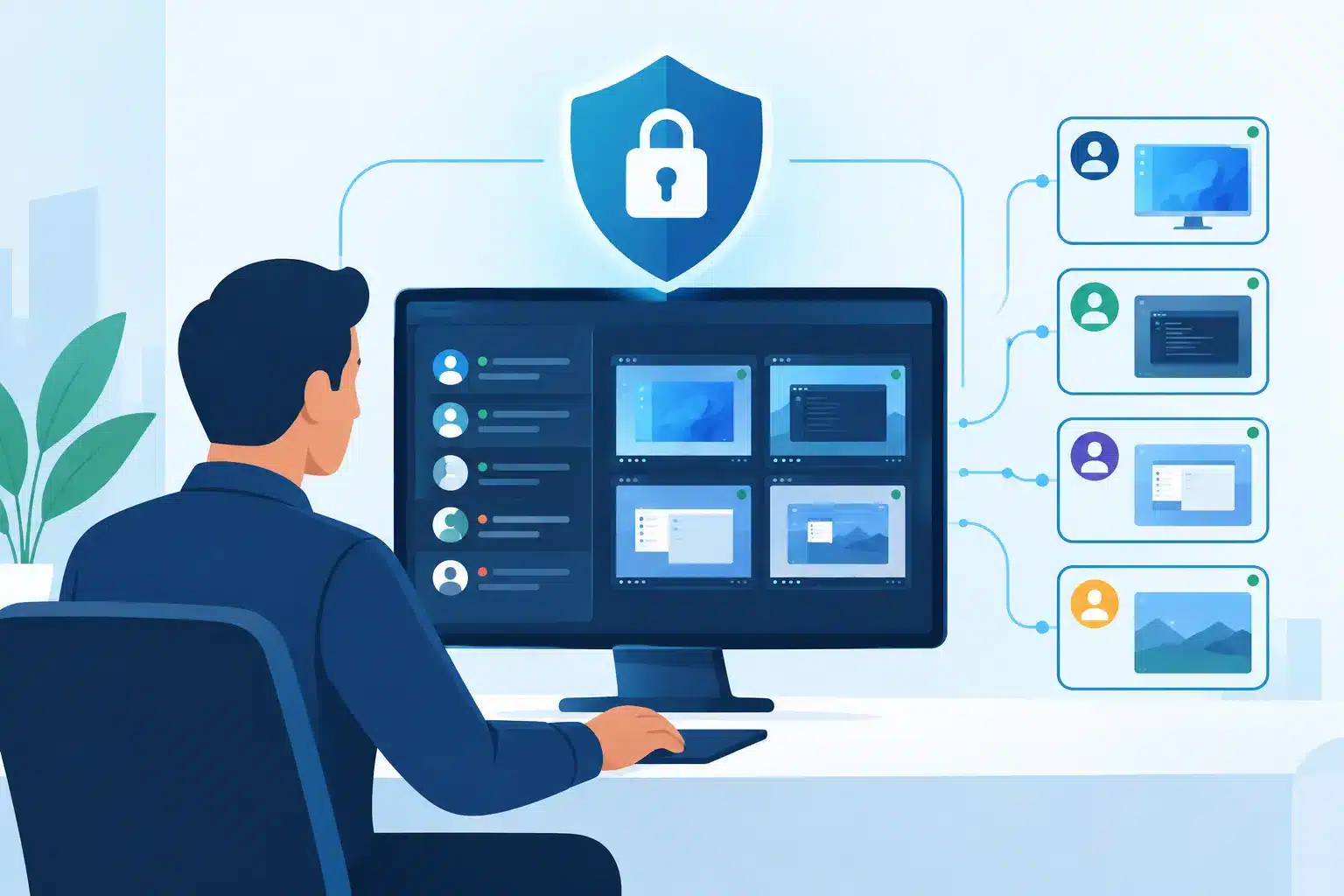
Knowing what machine identities are is one thing. Managing thousands of them, across clouds, pipelines, and AI agents, without a human able to track them manually, is another. That is the job of machine identity management. This guide explains what machine identity management is, the lifecycle it governs, the phases of a working program, and why it has become a defining security discipline in 2026.
What is machine identity management?
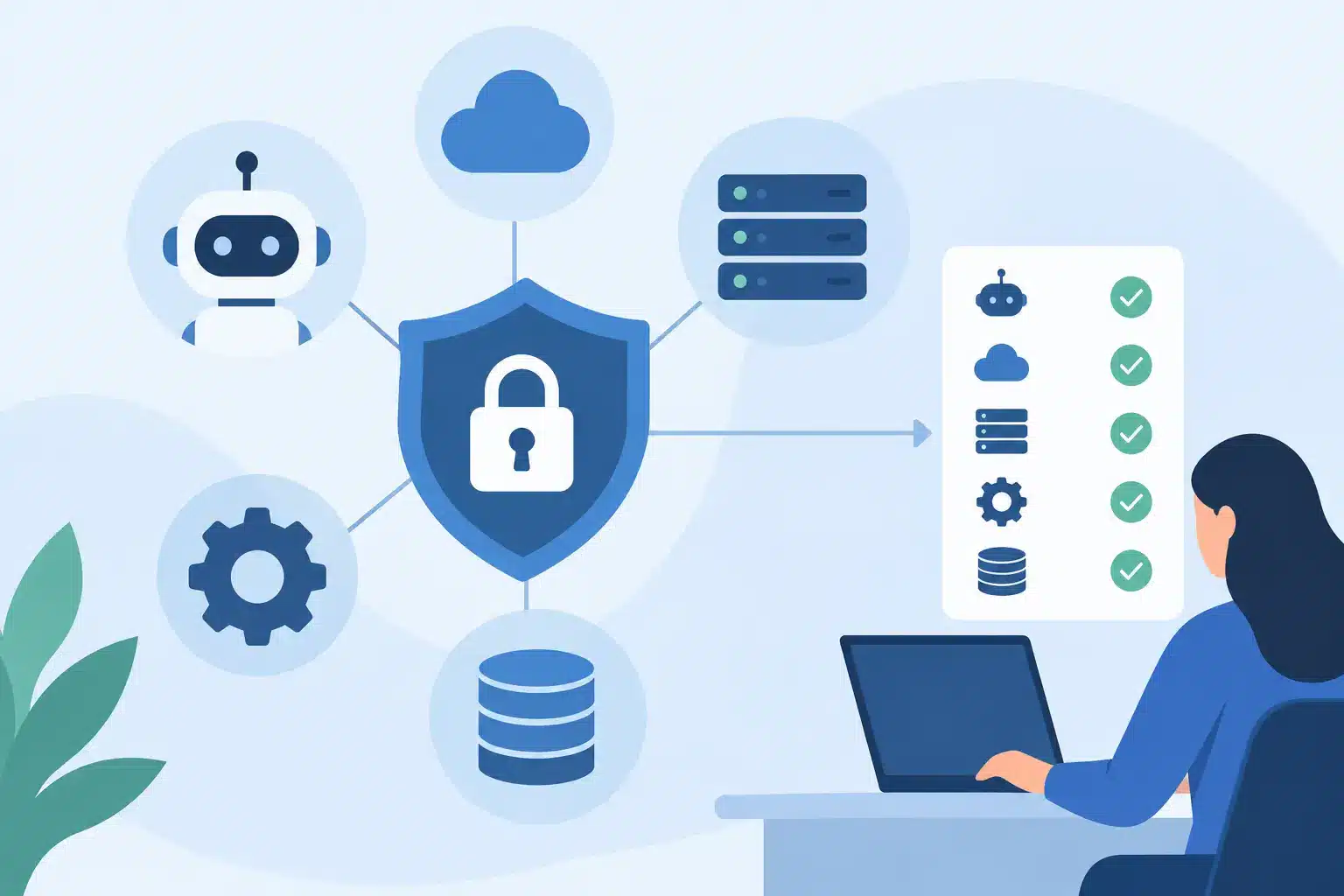
Machine identity management (MIM) is the discipline of discovering, governing, securing, and retiring the digital identities that belong to machines rather than people, service accounts, API keys, tokens, certificates, workloads, and AI agents, across their entire lifecycle. It applies the same governance principles used for human users (ownership, least privilege, lifecycle control, and audit) to the far larger population of non-human identities.
The need for a dedicated discipline comes down to scale and mismatch. Machine identities now outnumber human ones by 100:1 or more in many enterprises, and traditional identity and access management was never built for them: it assumes identities belong to people with managers who respond to access reviews and eventually leave. Machine identities have no manager, never respond to certification campaigns, and do not quit. Machine identity management fills that gap. It is a core part of securing machine identities and AI agents at enterprise scale.
Why traditional IAM cannot manage machine identities
Standard IAM tools were designed around human lifecycle events, onboarding, role changes, and offboarding, all driven by an HR system. Machine identities break every one of those assumptions, which is why they need a distinct management approach.
A machine identity is created not by HR but by a developer, a vendor, or another machine, so it never enters the HR-driven lifecycle. It has no manager to certify its access during a review. It authenticates with keys and tokens, not passwords plus MFA, so human-oriented controls do not apply. And crucially, it has no offboarding trigger: when a project is cancelled or a vendor integration is deprecated, the service accounts behind it are almost never deleted. They become zombie identities that persist indefinitely, and improper offboarding ranks as the number one risk in the OWASP Non-Human Identities Top 10. Machine identity management exists to impose lifecycle discipline where IAM leaves a gap.
The machine identity lifecycle
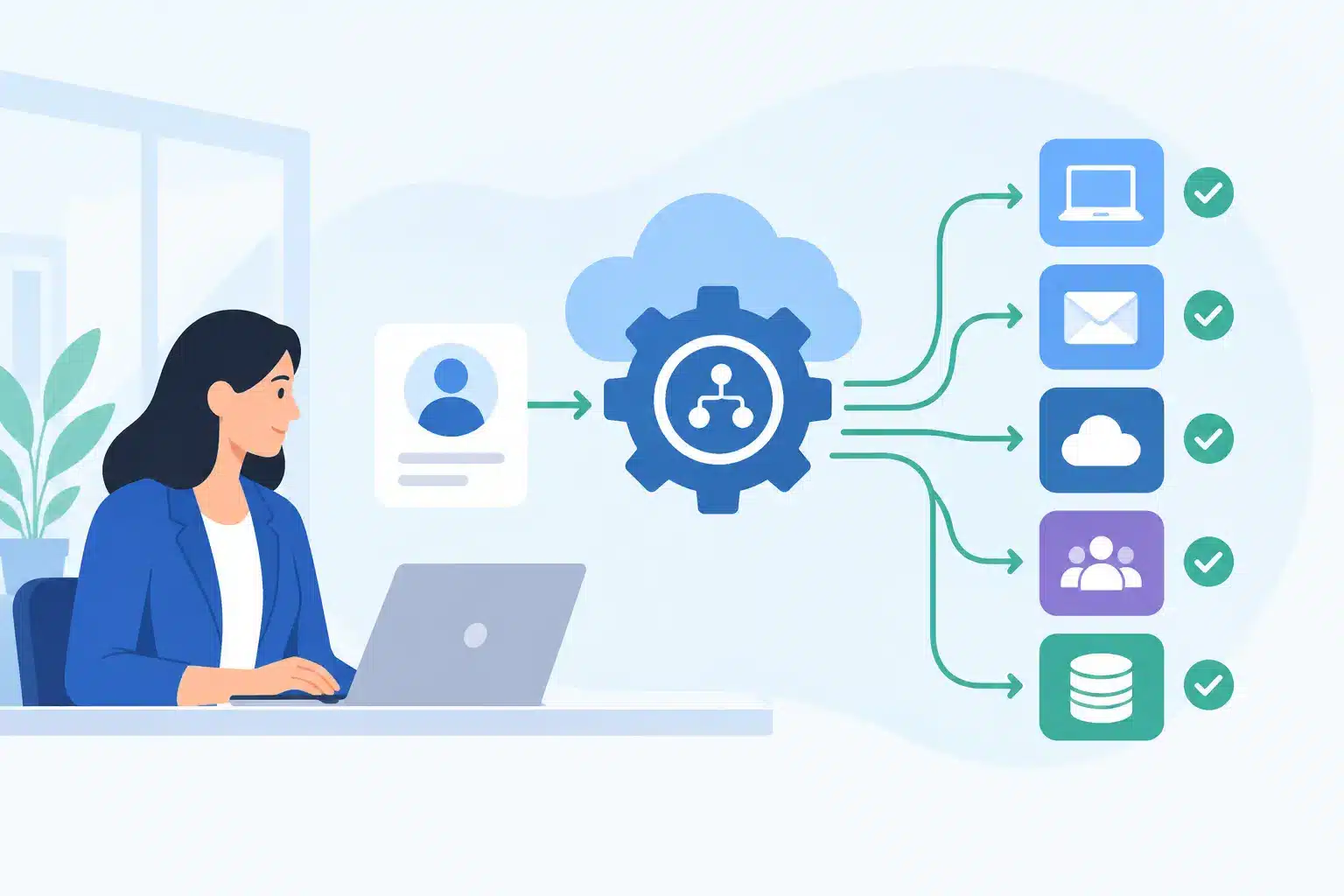
Machine identity management governs each identity across a full lifecycle, mirroring the joiner-mover-leaver model used for humans but adapted for machines.
- Discovery and creation. Finding every machine identity that exists and controlling how new ones are created, so nothing is provisioned outside governance.
- Ownership assignment. Tying every identity to a human custodian who can confirm whether it is still active and necessary.
- Credential management. Vaulting secrets, replacing long-lived static keys with short-lived credentials, and rotating them automatically.
- Access governance. Enforcing least privilege so each identity has only the permissions it needs, and reviewing that scope over time.
- Monitoring. Watching for anomalous use, since a compromised machine identity often behaves subtly differently from its normal pattern.
- Retirement. Decommissioning identities when their purpose ends, closing the offboarding gap that creates zombie accounts.
The phases of a machine identity management program
In practice, mature programs roll out in stages, each building on the last.
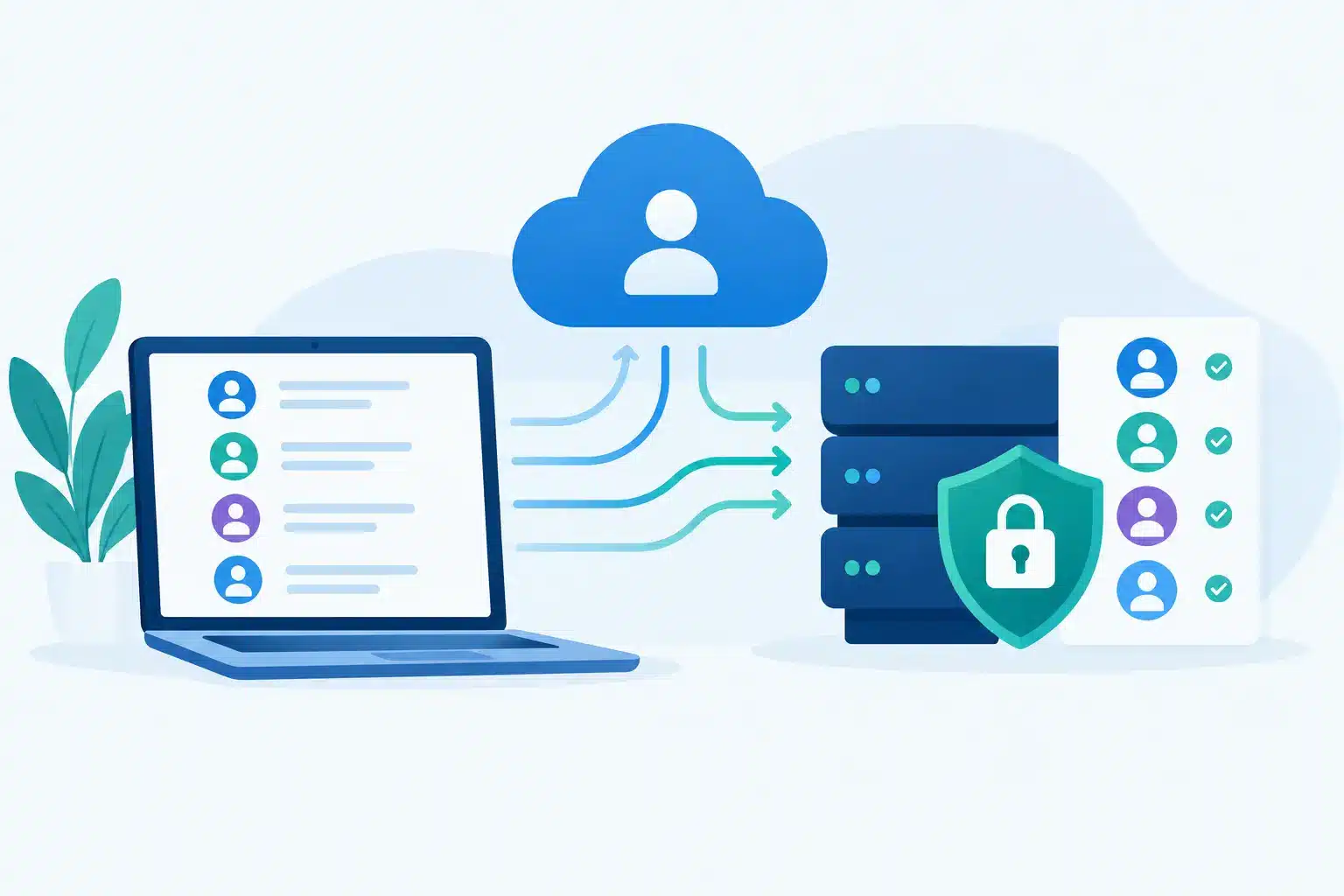
Phase 1: Inventory and ownership. The essential first step is discovery with ownership: finding every machine identity and mapping it to a human custodian. If a service account has no owner, it should be isolated immediately. This cannot be a manual annual audit, because identities are created faster than humans can count them, so discovery must be automated and continuous.
Phase 2: Secret vaulting and rotation. Eliminate hard-coded keys. Move credentials into a centralized vault and enforce strict, automated rotation, weekly, daily, or even hourly for sensitive systems. This directly addresses the root cause of most machine identity breaches: long-lived secrets that are rarely or never rotated.
Phase 3: Just-in-time (JIT) access. The gold standard. Instead of a service holding permanent access to a database, it requests a short-lived token only when needed, valid for minutes. If an attacker steals it, it expires before it can be used. The guiding principle is to remove the human from authentication but keep them firmly in the loop for authorization of sensitive actions.
Machine identity management and PAM
The market’s historical response to machine identity risk was credential vaulting, the domain of privileged access management (PAM). Vaulting secrets, restricting access, and recording sessions is a necessary starting point, but it addresses only the “secure the credential at rest” problem. It does not answer the governance questions that define machine identity management: which machine identities exist across the environment, who owns them, whether their access is still appropriate, and when they should be retired.
Mature machine identity management therefore extends beyond PAM. It combines vaulting with continuous discovery, ownership accountability, automated lifecycle, and audit, bringing human and non-human identities into the same policy and governance framework rather than treating machines as an afterthought. This is also where it connects to broader identity governance and privileged access disciplines as one program.
Why machine identity management matters in 2026
Two forces have made machine identity management urgent. The first is volume: the sheer number of machine-to-machine interactions has created an attack surface no team of humans could monitor manually, rendering old manual processes obsolete. The security industry is converging on a clear prediction that machine identities will become the primary breach vector in cloud environments, because compromising a service account is often easier and quieter than targeting a human.
The second is AI agents. Agentic AI has introduced an “agent multiplier”: unlike traditional applications that follow a hard-coded path, AI agents decide autonomously which tools to call and which APIs to trigger. Granting a static, long-lived credential to an autonomous agent is a serious risk, which makes short-lived, governed machine identities essential. Compliance is catching up too, with auditors increasingly asking specific questions about machine identity governance that “we use a vault” no longer answers.
Getting machine identity management right
A successful program shifts the cost from manual labor to automation infrastructure, because no organization can hire enough analysts to manage a hundred times its human headcount in machine identities. The budget moves away from headcount-based monitoring toward platforms that automate discovery, vaulting, rotation, and retirement, freeing the team to focus on policy rather than manual credential management.
Building that automated, governed program across a real hybrid environment is demanding, and it is where expertise pays off. A dedicated approach to machine identity and AI agent security combined with expert integration turns a sprawling, invisible population of machine identities into a governed, auditable, and defensible part of your security posture.
Frequently asked questions
What is machine identity management?
Machine identity management is the discipline of discovering, governing, securing, and retiring machine identities, service accounts, API keys, tokens, certificates, and AI agents, across their full lifecycle, applying the same governance principles used for human users to non-human ones.
Why can’t traditional IAM manage machine identities?
Traditional IAM assumes identities belong to people with managers, HR-driven lifecycles, and MFA. Machine identities have no manager, no HR events, authenticate with keys not passwords, and no offboarding trigger, so they need a dedicated management discipline.
What are the phases of a machine identity management program?
Typically three: inventory and ownership (discover every identity and assign a human owner), secret vaulting and rotation (eliminate hard-coded keys, rotate automatically), and just-in-time access (grant short-lived tokens only when needed).
What is the difference between machine identity management and PAM?
PAM vaults and secures credentials at rest, which is a necessary starting point. Machine identity management extends further into governance: continuous discovery, ownership, lifecycle, and audit across all machine identities, not just privileged credential storage.
How does machine identity management handle AI agents?
By replacing static, long-lived credentials with short-lived, governed identities and enforcing just-in-time access, since AI agents can dynamically escalate their scope. The principle is to remove humans from authentication but keep them in the loop for authorization.
Key takeaways
- Machine identity management is the discipline of governing machine identities across their full lifecycle, filling the gap that traditional, human-centric IAM leaves.
- A working program rolls out in three phases: inventory with ownership, secret vaulting and rotation, and just-in-time access.
- It extends beyond PAM’s credential vaulting into continuous discovery, ownership, and audit, and it is now urgent because machine identities, especially AI agents, are set to become the primary cloud breach vector.