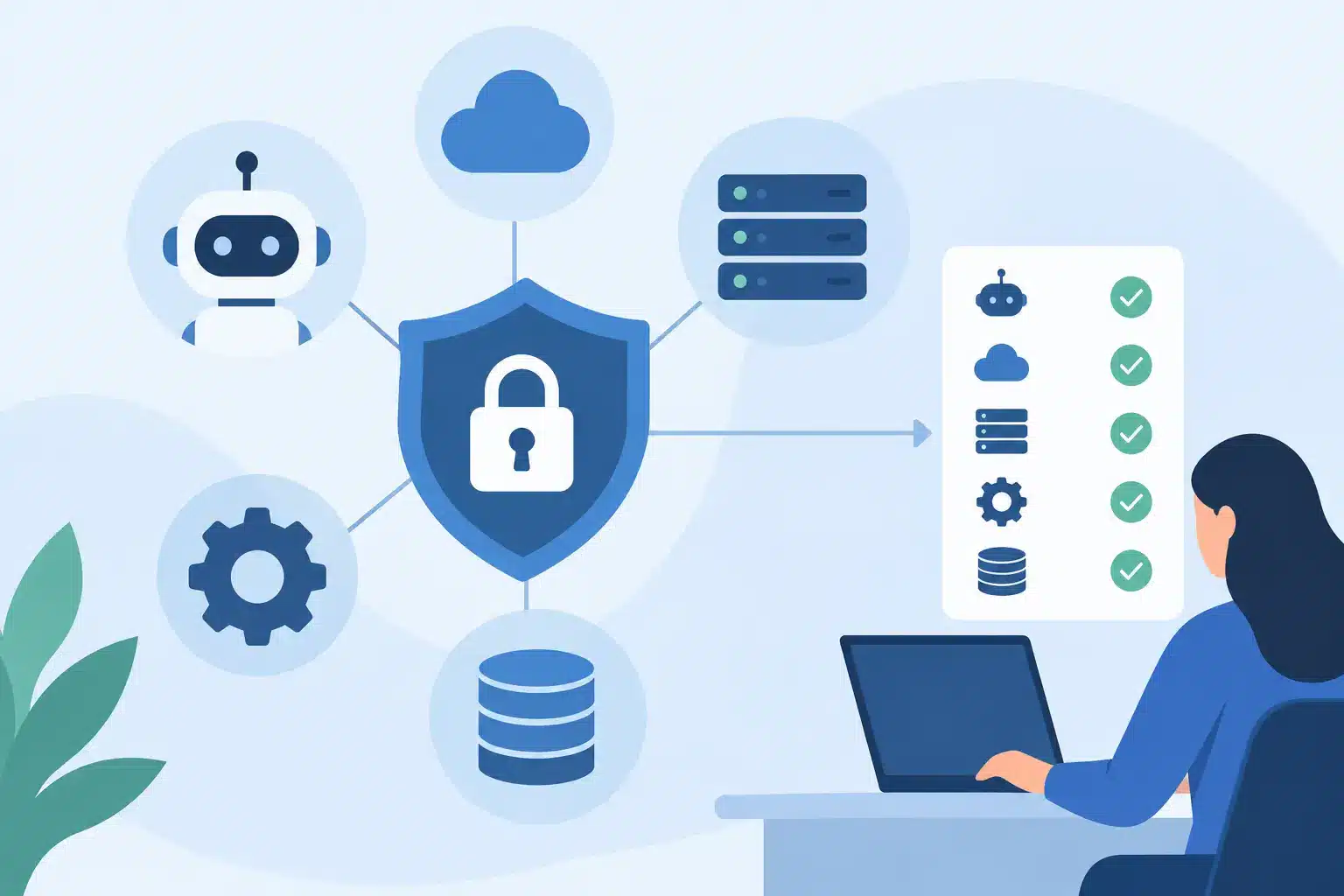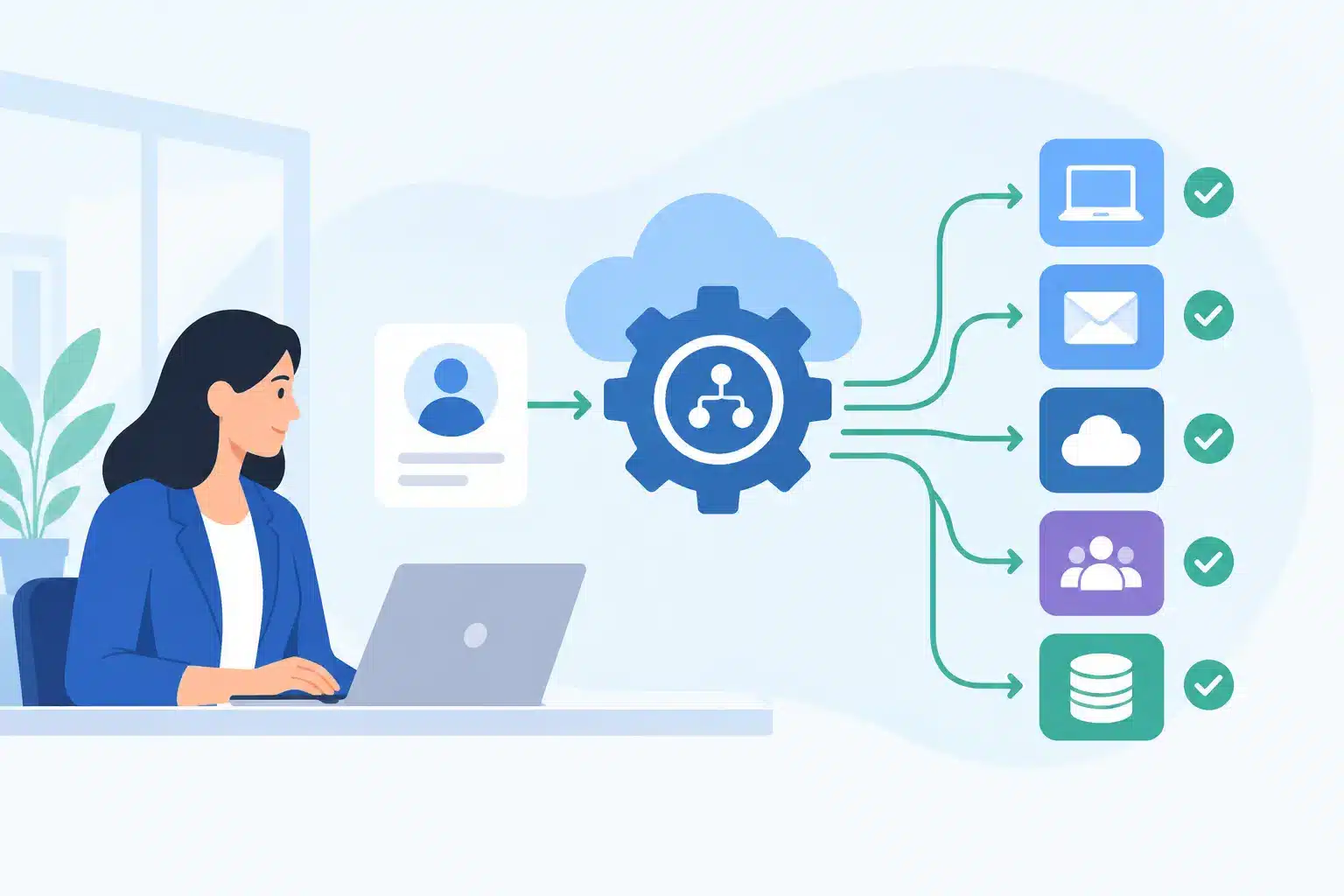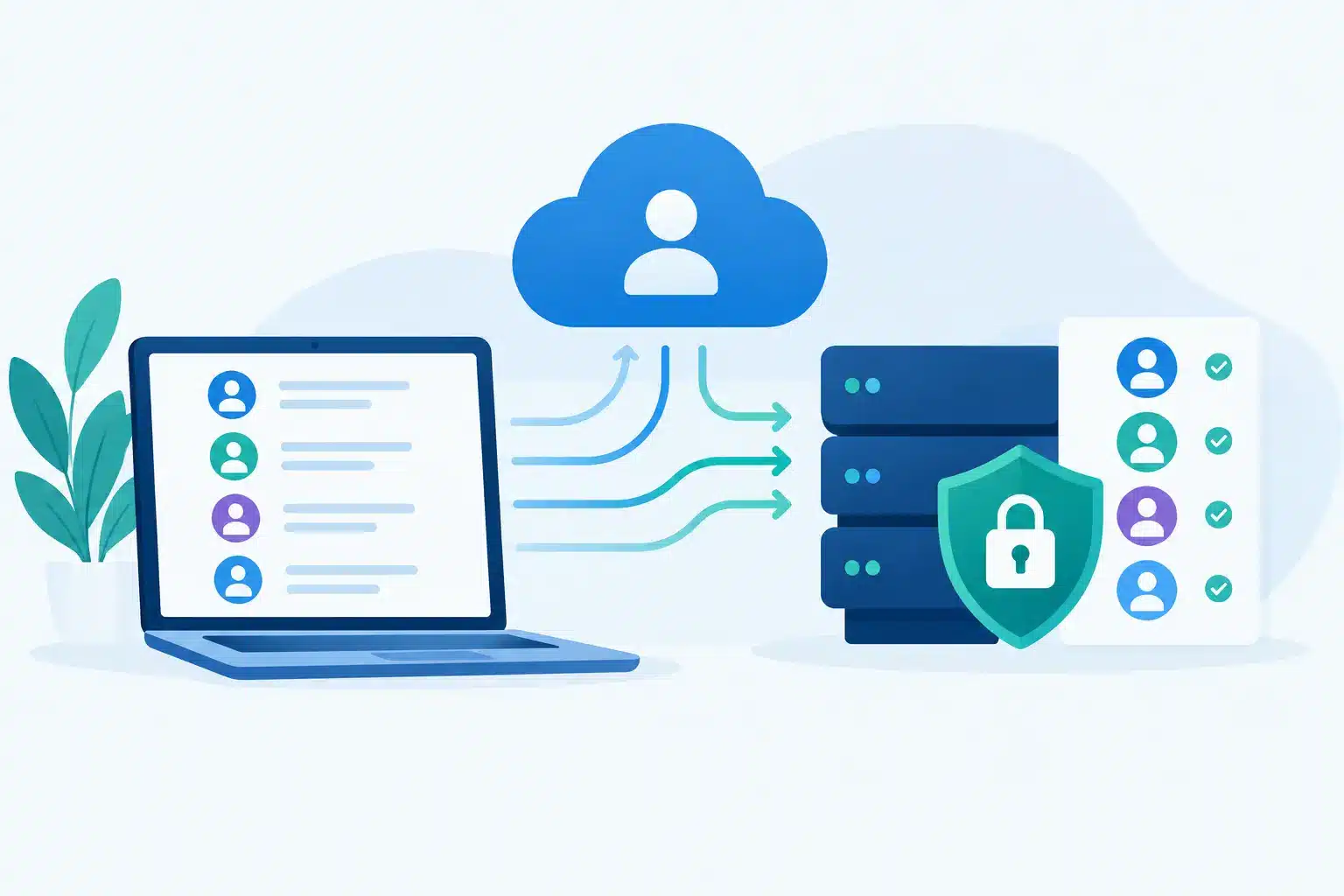
Most identity programs do not fail because the organization lacks tools. They fail because access control grew in pieces – one platform for workforce SSO, another for privileged access, a separate process for joiner-mover-leaver events, and little control over service accounts, certificates, or non-human identities. An enterprise identity security framework fixes that fragmentation by turning identity into an operating model with defined controls, ownership, and measurable outcomes.
For CISOs, IAM leaders, and security architects, that distinction matters. Buying IAM, PAM, or IGA products is not the same as establishing control. A framework sets the rules for how identities are created, authenticated, authorized, reviewed, escalated, monitored, and retired across the business. It also defines how those controls hold up under pressure – during audits, mergers, cloud expansion, third-party onboarding, and incident response.
What an enterprise identity security framework actually does
At a practical level, an enterprise identity security framework aligns policy, architecture, process, and operations around one core objective: secure critical access. That means controlling who or what gets access, under which conditions, for how long, with what level of approval, and with what evidence retained for review.
In mature environments, the framework covers more than employees logging into business apps. It extends to administrators with elevated rights, contractors, vendors, service accounts, API identities, certificates, cloud workloads, and increasingly AI agents acting on behalf of users or systems. If those identity types are managed in silos, risk accumulates quickly. A user account may be governed while a machine identity with excessive privileges remains invisible. An admin session may be vaulted while standing access through a cloud console goes unreviewed.
The framework creates consistency across those scenarios. It gives security and IT teams a common control model instead of disconnected exceptions.
The core layers of the enterprise identity security framework
A workable framework usually starts with identity inventory. If you cannot account for human and non-human identities across directories, cloud platforms, SaaS applications, infrastructure, and partner environments, every downstream control is weaker than it appears. Visibility is the first control, not a reporting exercise.
The next layer is identity lifecycle governance. Access should follow business role, employment status, and approved need. That sounds straightforward, but in many enterprises lifecycle processes break down at edge cases: acquisitions, temporary workers, shared admin accounts, emergency access, and application owners who approve everything to avoid delays. A framework imposes structure here through authoritative sources, role design, policy-based provisioning, and disciplined recertification.
Authentication and access policy form another layer. MFA is necessary, but by itself it is not a framework. Enterprises need contextual access decisions based on device posture, network conditions, user risk, application sensitivity, and session behavior. Strong authentication should scale by risk, not force every use case into the same pattern.
Privileged access controls sit at the center of high-impact risk reduction. That includes vaulting, session control, just-in-time elevation, approval workflows, command restrictions, and accountability for shared or break-glass access. In regulated sectors, this is often the difference between nominal compliance and actual control.
Then there is governance over non-human identity. Service accounts, keys, tokens, and certificates often outnumber workforce identities, yet many programs treat them as technical debris rather than managed assets. That is no longer workable. Expired certificates cause outages. Overprivileged machine identities create lateral movement paths. AI-connected workflows introduce new forms of delegated action that need policy, traceability, and revocation.
Finally, an enterprise identity security framework needs monitoring and operational response. Access risk changes daily. New apps are introduced, admin rights drift, privileged sessions spike, certificates approach expiration, and stale accounts persist after business changes. Controls must be observable and enforceable in production, not only documented for auditors.
Why tool-first identity programs stall
Many organizations start with the right intent and still end up with a patchwork of partial controls. One team deploys SSO to improve user experience. Another implements PAM after an audit finding. Governance is deferred because application onboarding is behind schedule. Certificate management remains with infrastructure. Cloud entitlements are handled separately by platform teams. Each decision is defensible on its own. Together, they create an identity estate that is difficult to govern and even harder to prove secure.
This is where a framework changes the conversation. Instead of asking which product to deploy next, the organization asks which control gaps matter most, which identity types are in scope, who owns each process, and how control effectiveness will be measured. That shift reduces waste. It also exposes trade-offs early.
For example, aggressive least-privilege policies can improve risk posture while increasing administrative overhead if role design is immature. Fast application onboarding can support business growth while weakening governance if access models are inconsistent. Centralizing identity operations can improve standardization while creating bottlenecks unless workflows are engineered for scale. The right answer depends on risk tolerance, operating model, and technical debt.
How to design a framework that holds up in production
A strong framework is not built from policy statements alone. It has to reflect how access is actually requested, approved, provisioned, used, monitored, and removed across the environment.
Start with business-critical access paths. Focus first on the identities and systems that would cause the greatest operational, financial, or regulatory impact if misused. That usually includes workforce identity for core platforms, privileged access for infrastructure and cloud administration, third-party access, and high-value non-human identities tied to automation or production systems.
From there, define control objectives in operational terms. Not “improve governance,” but “remove standing admin rights where possible,” “ensure terminated users lose access within defined time windows,” or “establish ownership and renewal controls for all production certificates.” Clear objectives make implementation and reporting possible.
Then map those objectives to service capabilities. IAM supports authentication, federation, and policy enforcement. IGA supports lifecycle, approvals, and certification. PAM controls elevated access and privileged sessions. CLM governs certificate issuance, discovery, renewal, and revocation. Emerging AI identity controls address how machine-driven actors authenticate, inherit permissions, and are monitored. The point is not to force every challenge into one platform. It is to make each capability serve a defined control model.
Architecture matters just as much as policy. If your identity sources are inconsistent, your governance outcomes will be inconsistent. If application integration patterns vary widely, attestation quality will be poor. If privileged access still relies on direct local accounts, centralized control will remain incomplete. A framework should expose these dependencies before they become program delays.
Governance without operations is just paperwork
One of the most common gaps in identity programs is the assumption that governance ends at design. It does not. Controls degrade unless someone owns exceptions, service levels, reporting, and remediation.
That is why identity security should be treated as an operational discipline. Access reviews must be meaningful, not routine approval campaigns. Privileged access policies must be enforced and tuned. Certificate inventories must stay current. New applications, cloud services, and automation workflows must enter the control model without months of manual effort.
This is also where many enterprises need outside support. Complex identity environments rarely stabilize through software licensing alone. They require architecture decisions, integration expertise, phased rollout planning, and managed execution after go-live. IDENT1TY approaches that problem by treating identity as a continuous control function rather than a one-time deployment. For organizations under audit pressure or active transformation, that operational model is often the missing piece.
What good looks like
A mature enterprise identity security framework is visible in day-to-day outcomes. Access requests follow defined paths. Elevated rights are limited and traceable. Orphaned accounts are reduced. Certificates do not expire unnoticed. Auditors receive evidence without weeks of manual collection. Security teams can explain who has access to what, why they have it, and how that access is controlled.
Just as important, the business can keep moving. The framework should reduce friction where it is unnecessary and add control where risk justifies it. That balance is what separates effective identity security from administrative drag.
If your identity environment feels fragmented, that is usually not a tooling problem alone. It is a sign that control logic, operational ownership, and architecture have not yet been brought into one model. The right framework does exactly that – and once it is in place, every other identity investment starts delivering the control it was supposed to provide.