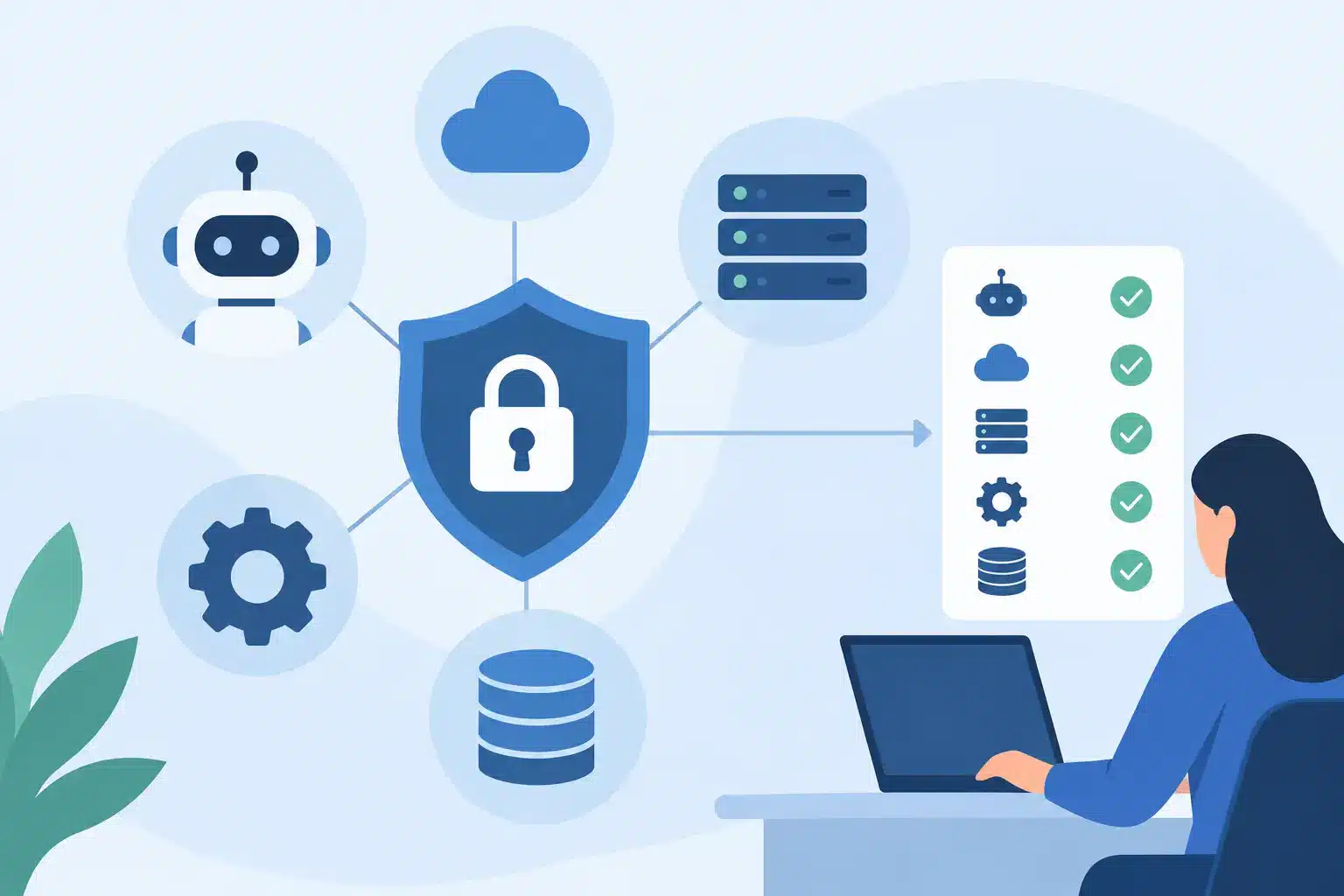
A production outage, a cloud breach, or an unauthorized database change often begins with the same overlooked condition: a machine identity has more access than its function requires. To secure nonhuman identity permissions, organizations must govern service accounts, workload identities, API keys, certificates, bots, and AI agents as active security principals – not as background infrastructure.
The challenge is scale. Human identities generally have a manager, a defined role, and an expected employment lifecycle. Nonhuman identities are created by applications, automation teams, cloud platforms, vendors, and developers. They multiply quickly, operate continuously, and frequently retain access long after the system or integration that created them has changed.
Why nonhuman permissions create disproportionate risk
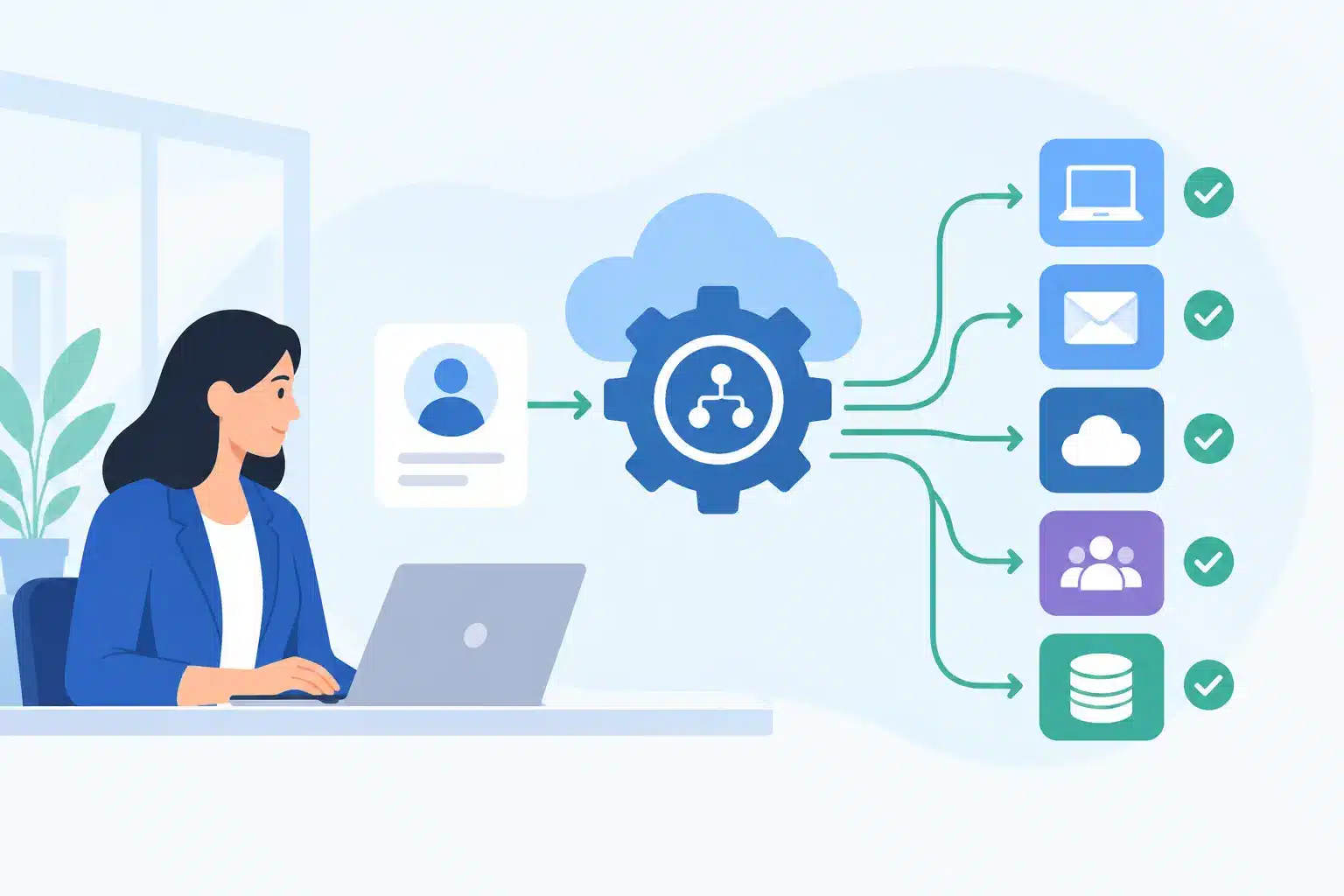
Nonhuman identities often sit directly in critical workflows. A service account may synchronize HR data into an identity platform. A cloud workload may retrieve secrets, administer storage, or write to a production database. An AI agent may query internal systems and act on the results. Each identity exists to perform a useful task, but the permissions assigned to it can become a high-value path for an attacker.
Unlike an employee account, a machine identity may not trigger obvious concern when it authenticates at 2 a.m., accesses multiple systems, or executes hundreds of requests per minute. That behavior may be normal. This makes permission design and continuous visibility more significant than simple login monitoring.
The most common exposure is not a single catastrophic configuration error. It is permission accumulation: broad roles assigned for convenience, temporary access that is never removed, shared credentials reused across environments, and exceptions that become permanent operating practice. Once compromised, a nonhuman identity can allow lateral movement at machine speed.
Start with an inventory that connects identity to purpose
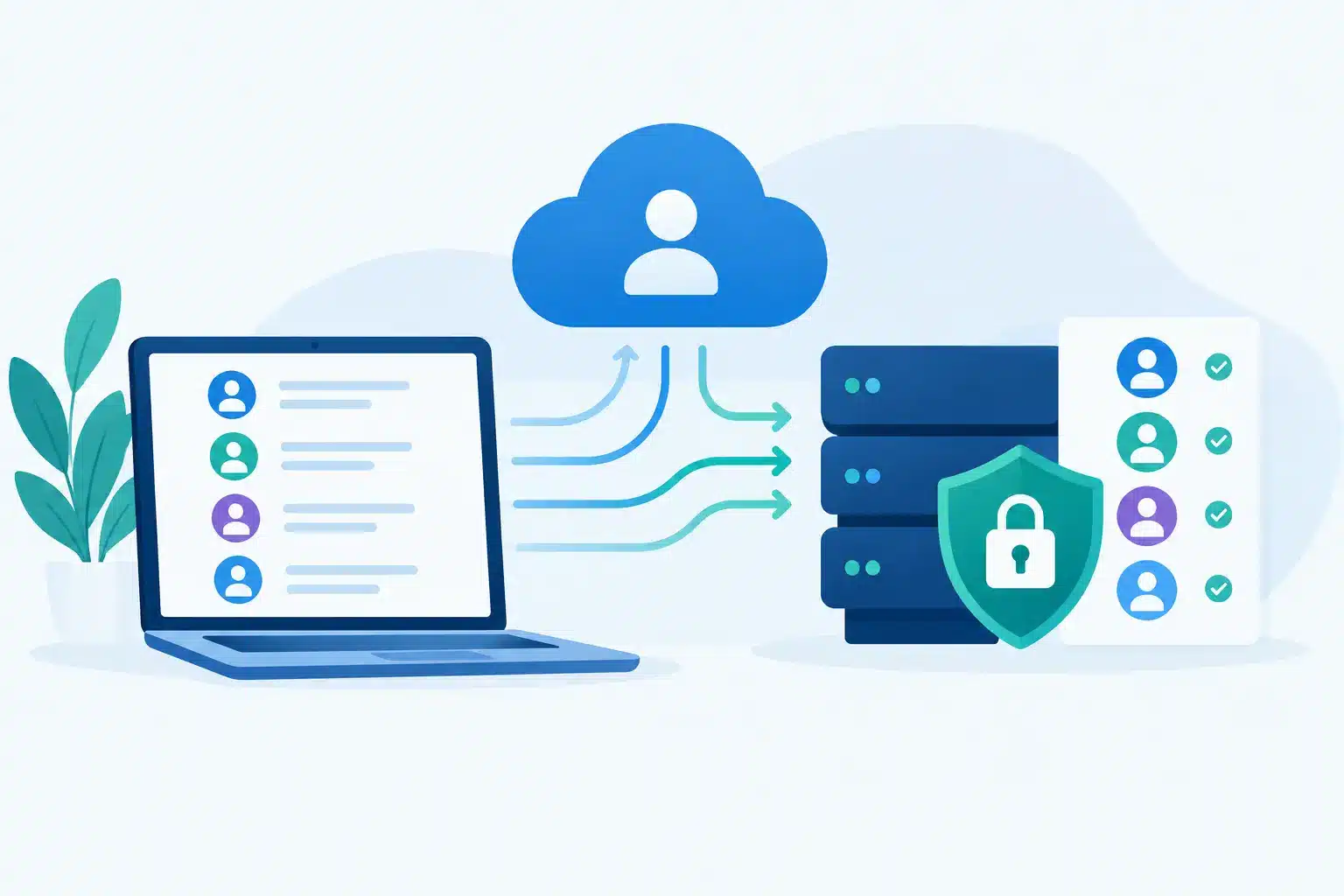
A list of service accounts is not an identity inventory. A usable inventory establishes ownership, business purpose, technical scope, authentication method, permissions, environment, credential location, and lifecycle status for every nonhuman identity.
This work usually exposes a difficult reality: many organizations know where their privileged human accounts are, but cannot confidently answer who owns a service principal, whether an API key is still used, or which application depends on an expiring certificate. Without that context, teams cannot make reliable access decisions.
Prioritize identities connected to production systems, privileged platforms, sensitive data stores, CI/CD pipelines, cloud control planes, and customer-facing applications. These identities create the greatest operational and security impact if they fail or are misused.
Four conditions should trigger immediate review:
- No accountable business or technical owner
- Credentials shared across applications, teams, or environments
- Broad administrative roles where narrow permissions are available
- No defined rotation, expiration, or decommissioning process
Inventory is not a one-time cleanup. Cloud services, SaaS integrations, containers, and AI-enabled workflows create identities continuously. Discovery must become an operational control that detects new identities and changes in access posture.
Apply least privilege to the actual workload
Least privilege is often stated as a policy and implemented as a broad role assignment. The difference matters. A workload should receive only the actions, resources, and conditions required to complete a defined function.
For example, an application that reads specific records from a production database should not receive database administration rights. A deployment pipeline that publishes an approved build should not retain standing access to modify identity policies or create cloud administrators. An AI agent that summarizes support cases should not be able to alter customer account data unless a controlled workflow requires that action.
Permission design must account for context. Scope can be constrained by environment, account, subscription, project, resource type, network location, time window, or workload attribute. Where a platform supports it, use short-lived tokens and workload federation instead of long-lived static secrets. These approaches reduce credential exposure, but they do not eliminate the need for governance. Federated identities still require ownership, policy review, and monitoring.
There is a practical trade-off. Overly granular policies can become hard to operate and may delay legitimate application changes. The answer is not to return to broad access. It is to standardize access patterns for common workloads, automate policy deployment, and maintain an exception process with clear approval and expiration.
Separate permissions across environments and functions
Production should not be an extension of development. Yet service accounts and automation credentials are often copied from lower environments into production because it is fast and familiar. This practice turns a compromised development workflow into a route to critical systems.
Create distinct identities for development, test, staging, and production. Separate runtime identities from deployment identities, and separate read operations from write or administrative operations when the platform permits it. This limits blast radius and produces clearer audit evidence when an action must be investigated.
The same principle applies to shared integrations. A single enterprise account used by multiple applications may simplify initial setup, but it destroys accountability. When access must be revoked, rotated, or investigated, teams cannot isolate impact without risking downtime for unrelated services.
Govern the full lifecycle, not just credential creation
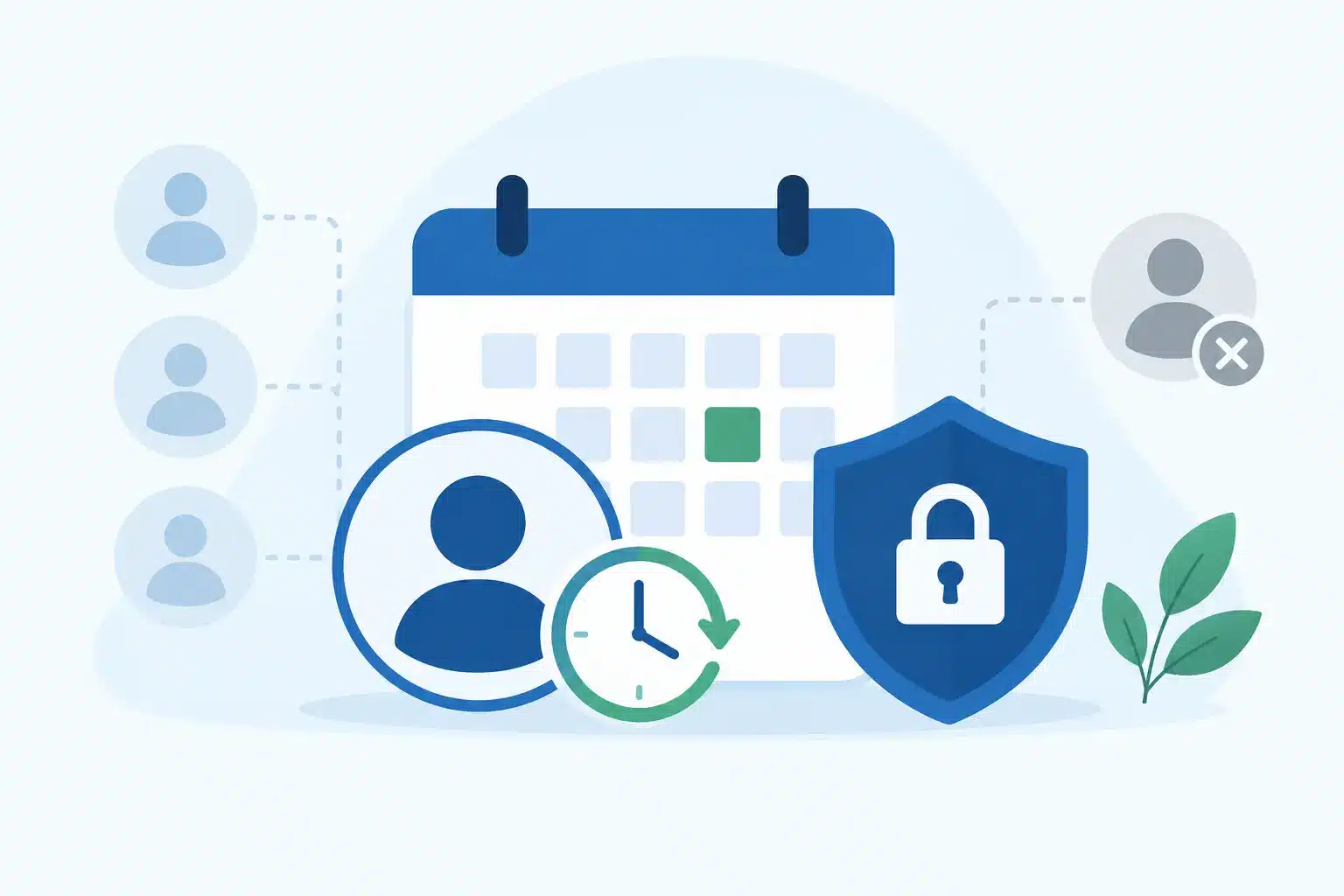
Every nonhuman identity needs a lifecycle control model. Creation should require a named owner, documented purpose, approved access scope, and a defined authentication method. Changes should be traceable to a ticket, deployment, or approved request. Periodic reviews should confirm that access remains necessary. Retirement should remove permissions, revoke secrets, and validate that dependent services have been safely transitioned.
Ownership needs particular discipline. The owner is not simply the person who created an account years ago. It should be the accountable application or service owner with authority to validate business need and coordinate change. For high-risk identities, assign both a business owner and a technical custodian.
Time-bound access is especially effective for temporary integrations, migration tools, incident response automation, and vendor-operated services. If access has no planned end date, teams should document why and subject it to higher review.
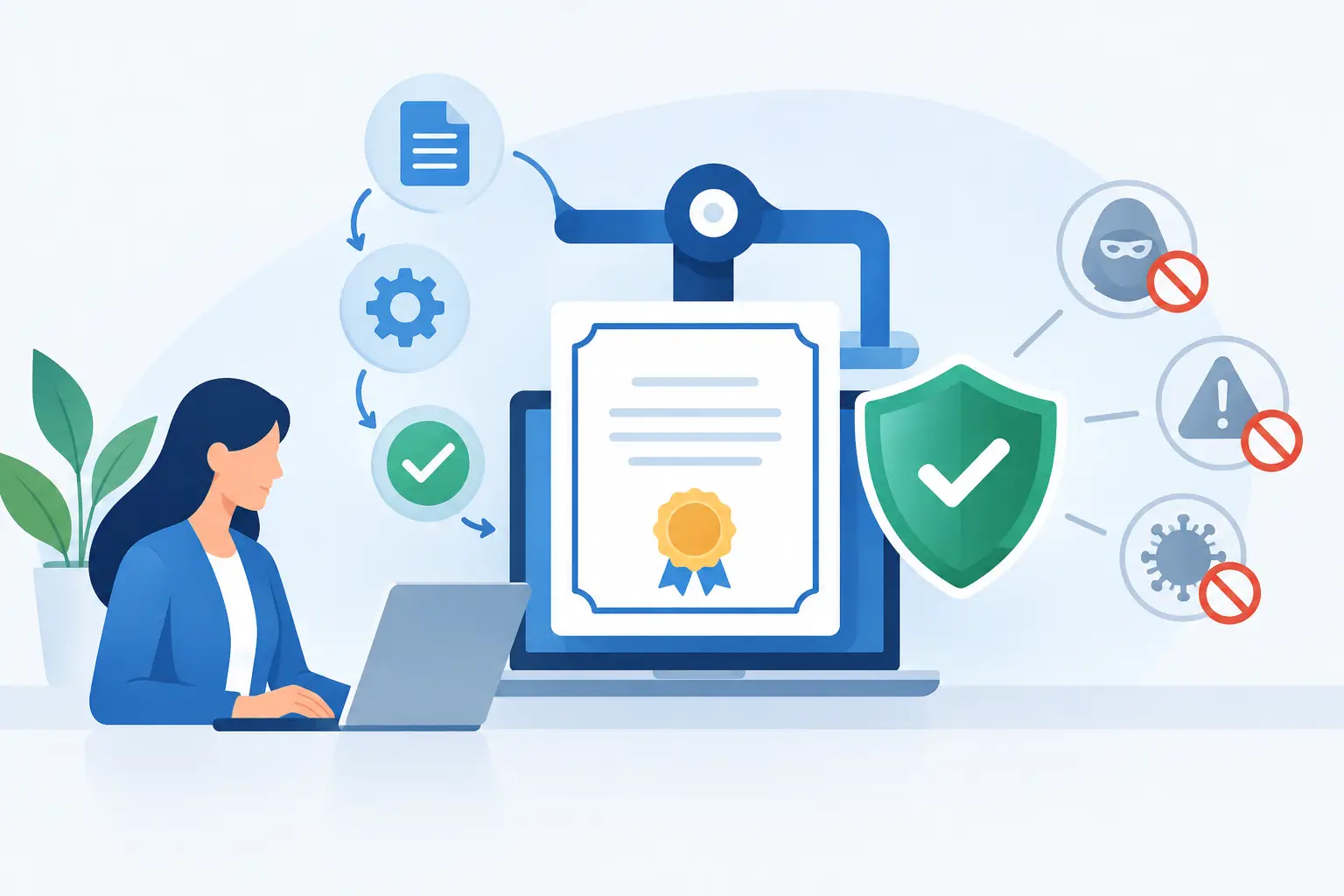
Certificate lifecycle management also belongs in this discipline. Certificates are machine identities with expiration and trust dependencies. Poor visibility into certificate ownership and renewal can cause outages; weak issuance controls can create unauthorized trust. Security and availability must be managed together.
Monitor behavior and permission drift continuously
A permission review performed twice a year will not keep pace with cloud and application change. Teams need continuous evidence that nonhuman identities are operating within expected boundaries.
Monitor authentication events, token issuance, privileged actions, secret retrieval, policy changes, and access to sensitive resources. Baselines help distinguish expected automation from abnormal behavior. An identity that normally reads one storage location but begins enumerating subscriptions, changing roles, or retrieving many secrets deserves immediate attention.
Permission drift deserves equal focus. Drift occurs when a role changes, a new resource is included in a wildcard policy, a temporary exception remains active, or an inherited group grants access beyond the original design. Automated controls should identify these changes and route them to the accountable owner for review.
For critical identities, connect identity telemetry to security operations workflows. Detection without a responsible response path only creates more alerts. Teams need defined actions for credential compromise, unauthorized privilege escalation, expired certificates, failed rotations, and orphaned accounts.
Bring AI agents into the same control framework
AI agents are accelerating the need for disciplined nonhuman identity governance. An agent may access knowledge bases, ticketing systems, code repositories, financial data, or enterprise applications. Its effective permissions can expand through tools, connectors, delegated authority, and downstream automation.
Treat each agent as a distinct identity with a defined purpose and tightly scoped tool access. Do not rely on a shared integration credential that masks which agent performed an action. Record the identity used, the action requested, the system affected, and the authorization decision. For sensitive actions, require approval gates or constrained execution paths rather than granting standing write access.
The risk is not limited to external compromise. Prompt injection, flawed orchestration, and incorrect agent logic can cause an authorized agent to take an unsafe action. Least privilege, transaction limits, logging, and human approval for consequential changes reduce that risk.
Build a program that can operate under pressure
Secure nonhuman identity permissions require coordination across IAM, PAM, cloud security, application engineering, platform teams, and security operations. Tooling matters, but operating discipline matters more. A technology deployment without ownership models, review cadences, incident procedures, and measurable control objectives will degrade over time.
Start with the identities that can affect production, privilege, sensitive data, and trust services. Establish accountable ownership, remove excessive standing access, replace unmanaged secrets where feasible, and make lifecycle controls part of application delivery. Then expand coverage using repeatable standards rather than isolated remediation projects.
IDENT1TY helps organizations turn this work into an operational identity security capability – one that protects critical automation without creating unnecessary friction for the teams responsible for delivering it. The practical test is simple: when a nonhuman identity changes, fails, or is compromised, your organization should know what it can access, who owns it, and how to contain it.