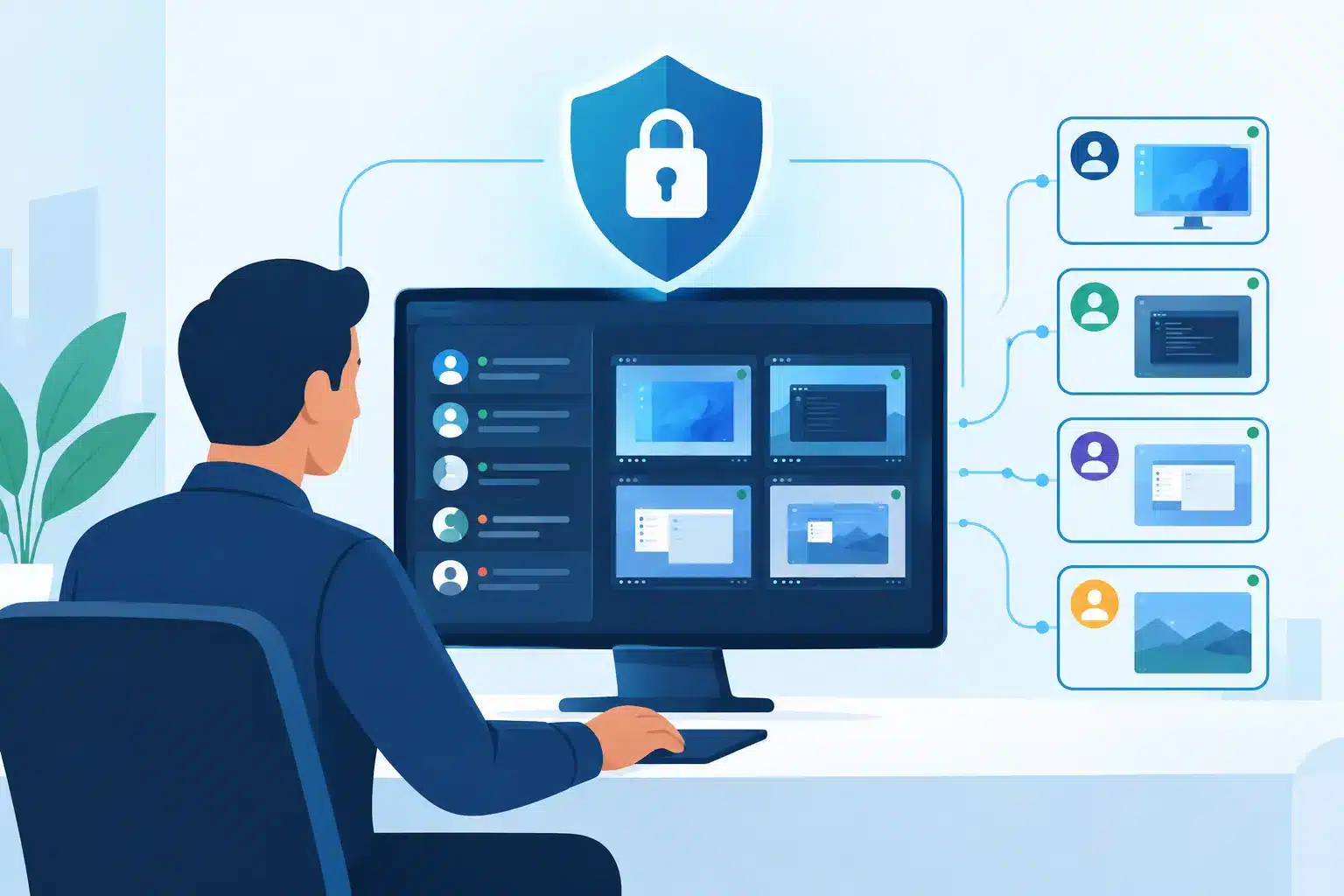
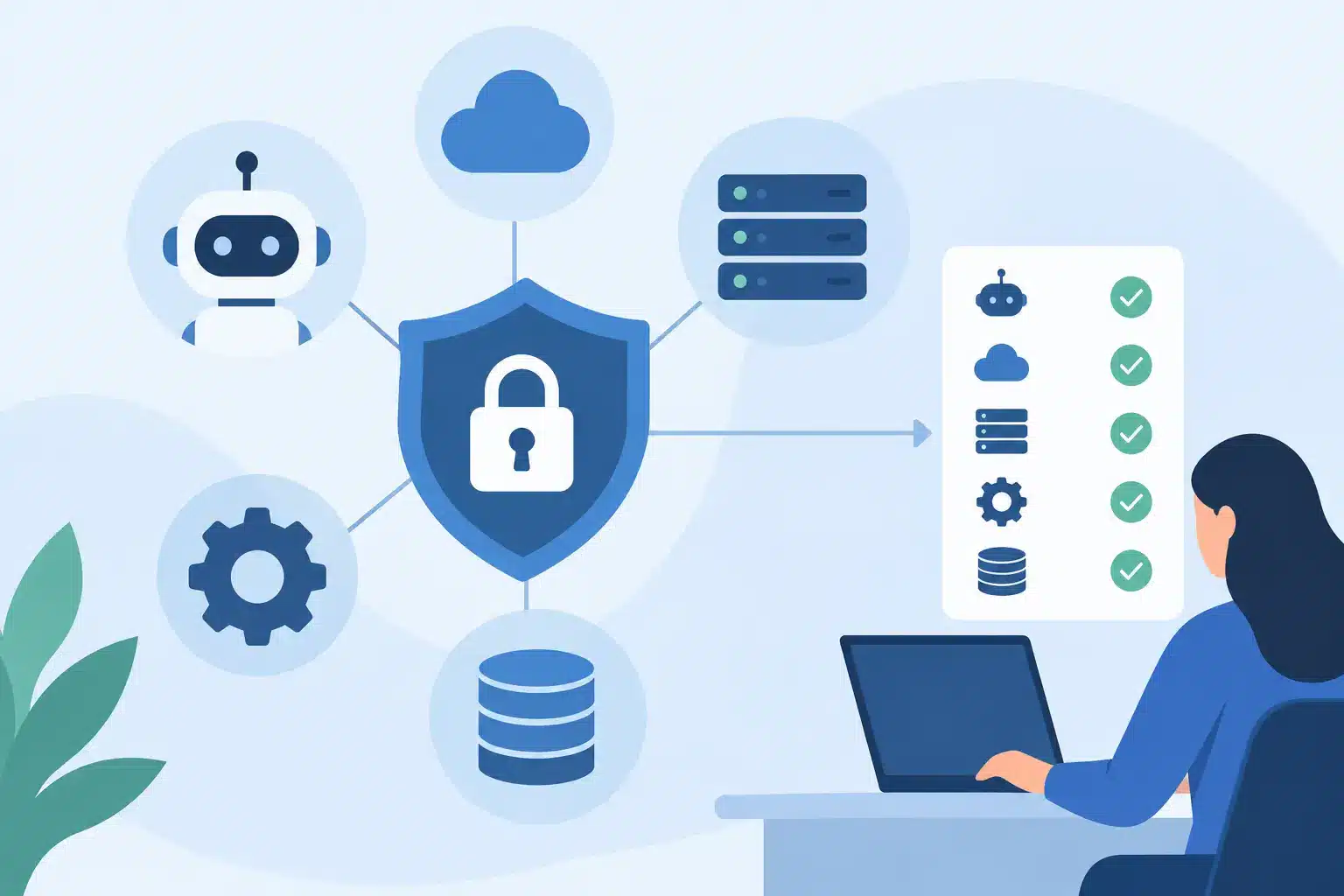
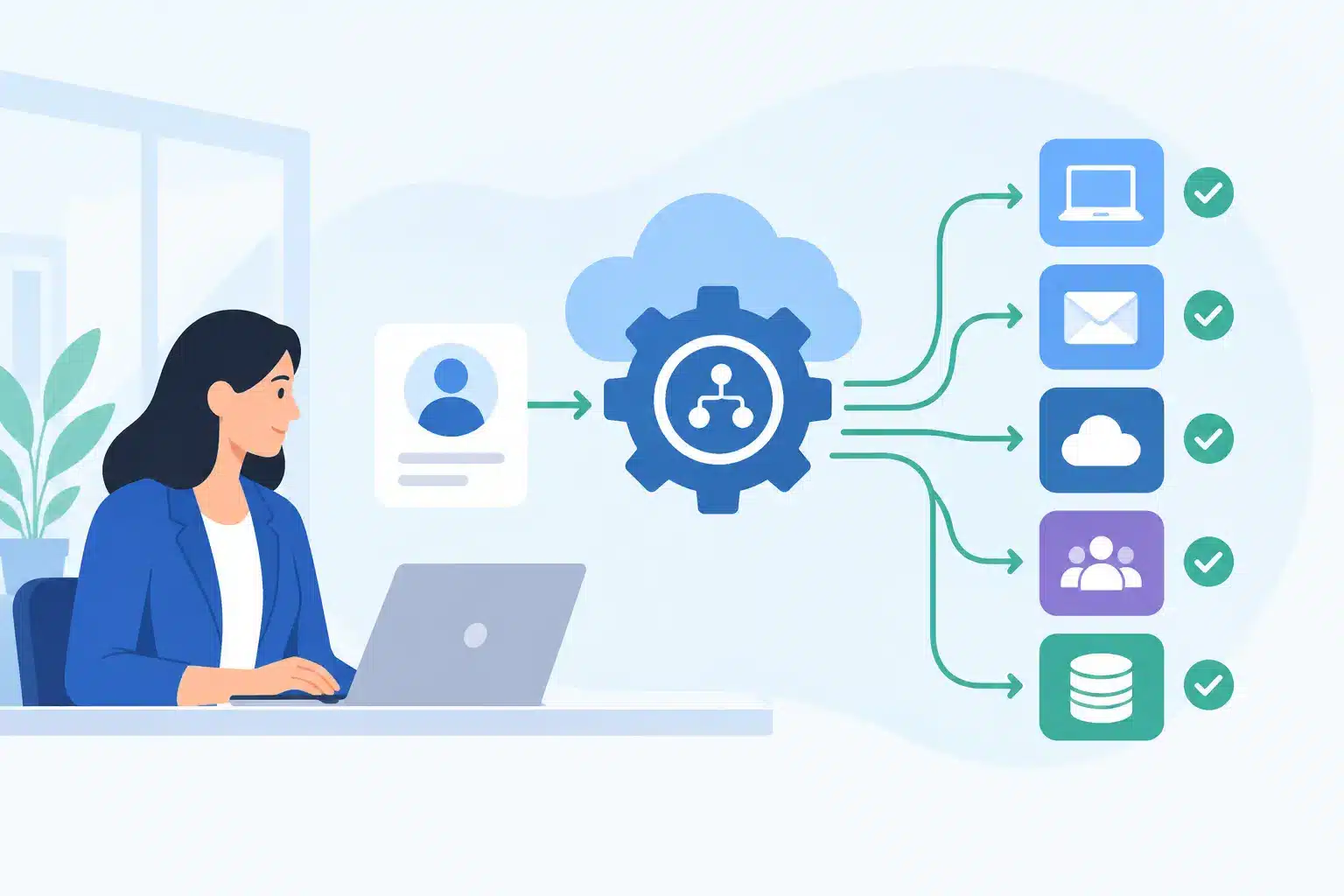
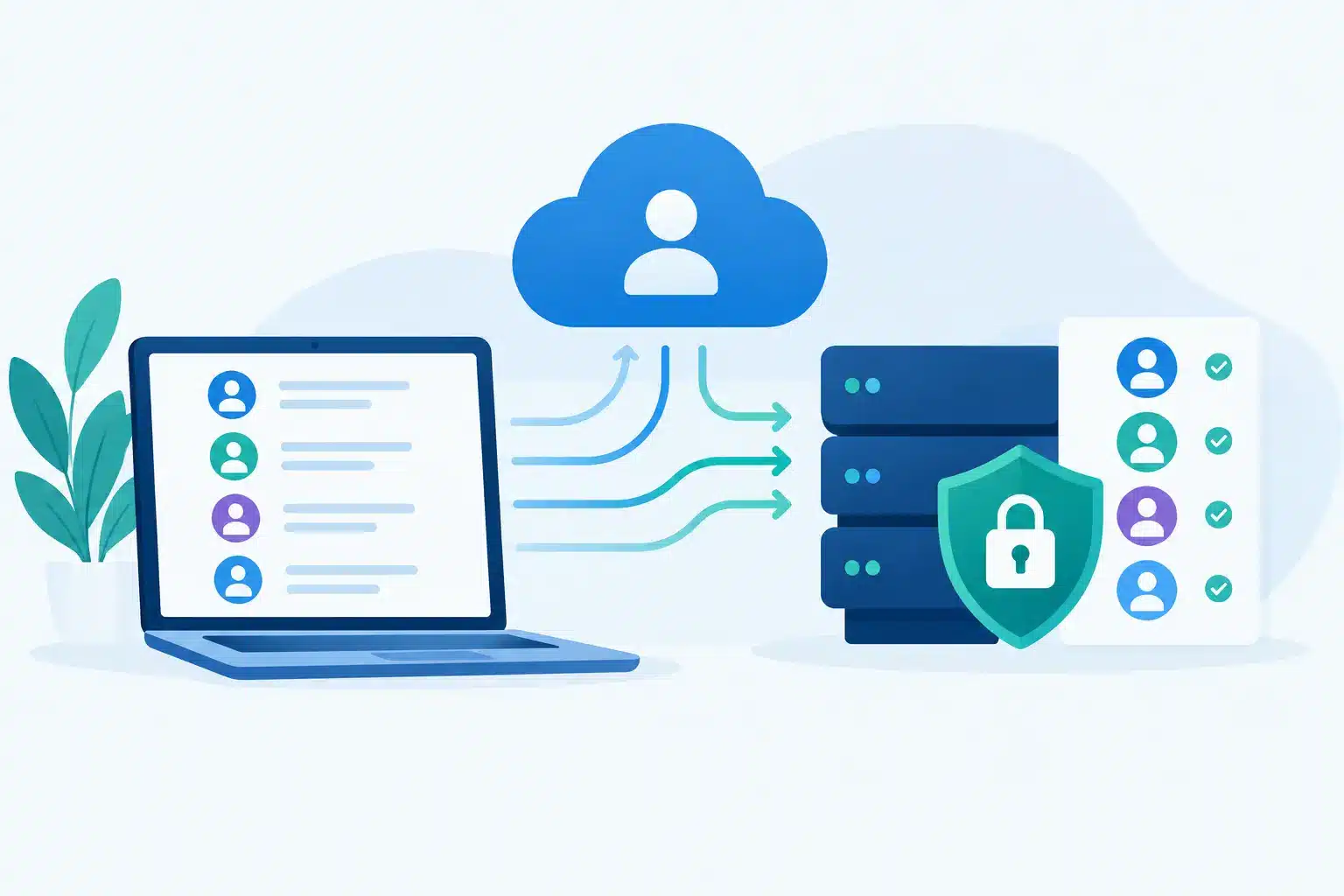
An IAM platform can be fully deployed and still leave critical access exposed. The usual failure point is not the technology. It is the operating model behind it: who monitors integrations, resolves provisioning failures, reviews privileged access, manages policy changes, and keeps controls aligned with the business. That is the real decision in managed IAM vs in house IAM.
For enterprises with hybrid infrastructure, multiple identity providers, cloud applications, contractors, privileged accounts, and growing machine identity volumes, IAM is not a project that reaches a finish line. It is a production security function. The right model must provide accountable ownership, measurable control, and the capacity to respond when access risk changes.
Managed IAM vs In House: The Core Difference
In-house IAM means your organization owns daily operations through internal identity engineers, administrators, security operations teams, and program leadership. The team may use external consultants for implementation or specialized support, but it retains responsibility for running the platform and its controls.
Managed IAM assigns defined operational responsibilities to a specialist provider. Depending on the service scope, that can include platform administration, monitoring, incident response support, lifecycle workflow maintenance, connector management, access reviews, reporting, release management, and continuous improvement. The enterprise still owns its risk decisions, policies, and business accountability. It does not surrender control of identity strategy.
This distinction matters. Managed services are not simply a help desk for IAM tickets, and in-house operations are not automatically more secure because they are internal. Security depends on whether the operating model produces reliable execution: timely provisioning and deprovisioning, controlled privilege, auditable approvals, monitored failures, and documented response procedures.
Why IAM Operations Become a Security Problem
Identity environments change constantly. A merger introduces another directory. A cloud migration creates new entitlement models. A new HR system changes authoritative identity data. A critical application owner requests an exception. A certificate approaches expiration. An AI agent receives access to sensitive systems.
Each change can create a gap between intended policy and actual access. Internal teams often absorb this work alongside infrastructure demands, security incidents, audits, and transformation programs. The result is predictable: unresolved tickets, delayed access reviews, manual workarounds, stale accounts, and connectors that are known to be fragile but never receive focused remediation.
The comparison, then, is not internal staff versus external staff. It is whether your organization has a sustainable way to operate identity controls at the speed and scale required by its environment.
When In-House IAM Is the Right Choice
An in-house model can be effective when IAM is supported by a mature, properly staffed identity function. This usually means more than one experienced administrator. It requires engineering depth, clear service ownership, documented processes, security architecture oversight, and coverage for vacations, turnover, and incidents.
Organizations may also keep operations internal when identity workflows are deeply tied to proprietary business processes that change frequently. A large enterprise with a stable identity engineering team and highly specialized applications may reasonably decide that direct operational ownership provides the fastest path from business request to implementation.
The advantage is proximity. Internal teams understand organizational politics, application history, business exceptions, and the practical impact of a change. They can work directly with application owners and governance leaders without relying on contractual handoffs.
The risk is concentration. If a small number of engineers understand the provisioning logic, privileged access integrations, or governance rules, the program can become dependent on individuals. Hiring delays, burnout, or attrition then become access-control risks. In-house IAM also requires leaders to protect identity capacity from being redirected to every urgent IT initiative.
Where Managed IAM Creates Operational Leverage
Managed IAM is most valuable when the challenge is persistent operational complexity, not a temporary staffing gap. A specialist team can bring defined runbooks, escalation paths, platform expertise, and service-level discipline to an environment that needs continuous attention.
For example, a managed team can monitor connector health, investigate failed lifecycle events, maintain role and workflow configurations, coordinate platform patches, and produce evidence for audits. It can also identify recurring operational failures that should be fixed at the architecture or process level rather than repeatedly handled as tickets.
This model is particularly relevant for organizations operating more than one identity control plane. An enterprise may use an identity provider for workforce access, PAM for elevated accounts, IGA for governance, and separate processes for certificates and non-human identities. Each platform has its own administrative workload, integration dependencies, and control requirements. Treating them as disconnected tools creates blind spots.
A well-scoped managed service provides continuity across those controls. It creates a repeatable operating cadence for incidents, changes, reporting, and improvement. That gives internal security leaders more time to make risk decisions, govern policy, and plan identity architecture rather than chase daily exceptions.
Cost: Compare Total Operating Cost, Not License Cost
The managed IAM versus in-house decision is often reduced to a staffing comparison. That is too narrow. Salary costs matter, but so do recruitment, training, on-call coverage, platform certifications, turnover, incident recovery, audit remediation, and the lost productivity caused by delayed access.
An internal team can appear less expensive when IAM work is distributed across several roles. But distributed ownership can hide the true cost of manual interventions and unresolved technical debt. If application onboarding takes months, access recertifications are late, or administrators spend hours repairing failed workflows, the program is already carrying operational cost and security exposure.
Managed IAM introduces a visible service cost, which can be useful for planning. It should not be judged only on ticket volume or administrative hours. Assess the service against outcomes: reduction in orphaned accounts, faster remediation of failed provisioning, completed access reviews, improved privileged account coverage, and stronger audit evidence.
The best commercial model also distinguishes between steady-state operations and transformation work. Routine monitoring and administration belong in managed operations. Major application onboarding, redesign, custom development, or migration work may require a separate project scope. Clear boundaries prevent both service gaps and unrealistic expectations.
Control Does Not Mean Doing Every Task Internally
Some security leaders resist managed IAM because identity is too critical to outsource. The concern is valid if the provider operates without transparency, poorly defined authority, or meaningful oversight. It is not a reason to reject a managed model altogether.
Control comes from governance. Your organization should define identity policy, approval authority, risk acceptance, break-glass requirements, data handling rules, and escalation thresholds. The service provider should execute approved operational processes, document actions, maintain evidence, and escalate exceptions quickly.
Before selecting a managed model, establish who can change production configurations, approve entitlement changes, access administrative credentials, and respond to a suspected compromise. Require named service responsibilities, reporting frequency, incident communications, and an exit plan that protects documentation and operational knowledge.
For regulated organizations, this level of clarity is essential. A provider should strengthen auditability, not create a black box around access controls.
A Hybrid Model Is Often the Strongest Design
The choice does not need to be absolute. Many enterprises retain strategy, architecture, business relationship management, and high-risk approvals internally while using a managed partner for platform operations and specialized engineering.
This hybrid model works well when internal identity leaders need to preserve authority but cannot justify a full 24/7 operational team across every platform. It also allows the organization to scale support during migration, acquisition activity, audit cycles, or cloud expansion without rebuilding the team each time.
The division of responsibility must be explicit. Internal teams should not assume the provider owns a control that was never placed in scope. Managed teams should not make policy decisions that belong to business owners or security leadership. A responsibility matrix, operational runbooks, and recurring service reviews are basic requirements, not administrative extras.
Questions to Ask Before You Decide
Start with the workload that already exists, not the org chart you wish you had. How many identity-related incidents, failed jobs, manual provisioning requests, privileged access exceptions, and audit findings occurred in the last year? Which controls depend on a single employee? Where are teams accepting risk because they lack time to remediate it?
Then assess the required coverage. If a critical provisioning failure occurs outside business hours, who detects it, who investigates, and who can safely correct it? If an administrator leaves, can the team explain every high-risk workflow and integration? If the answer is unclear, the operating model needs attention.
Finally, separate operational ownership from strategic accountability. Your organization should remain accountable for identity risk. The question is whether internal resources are the most reliable way to execute every operational task required to control that risk.
IDENT1TY approaches IAM as an ongoing security discipline, combining identity strategy, implementation expertise, and managed operations where they create measurable control. The goal is not to move responsibility away from the enterprise. It is to make critical access easier to govern, monitor, and sustain.
Choose the model that gives your security team the clearest visibility into access, the fastest response to failures, and the least dependence on individual heroics. That is the operating model that will hold up when the next audit, outage, acquisition, or access incident arrives.