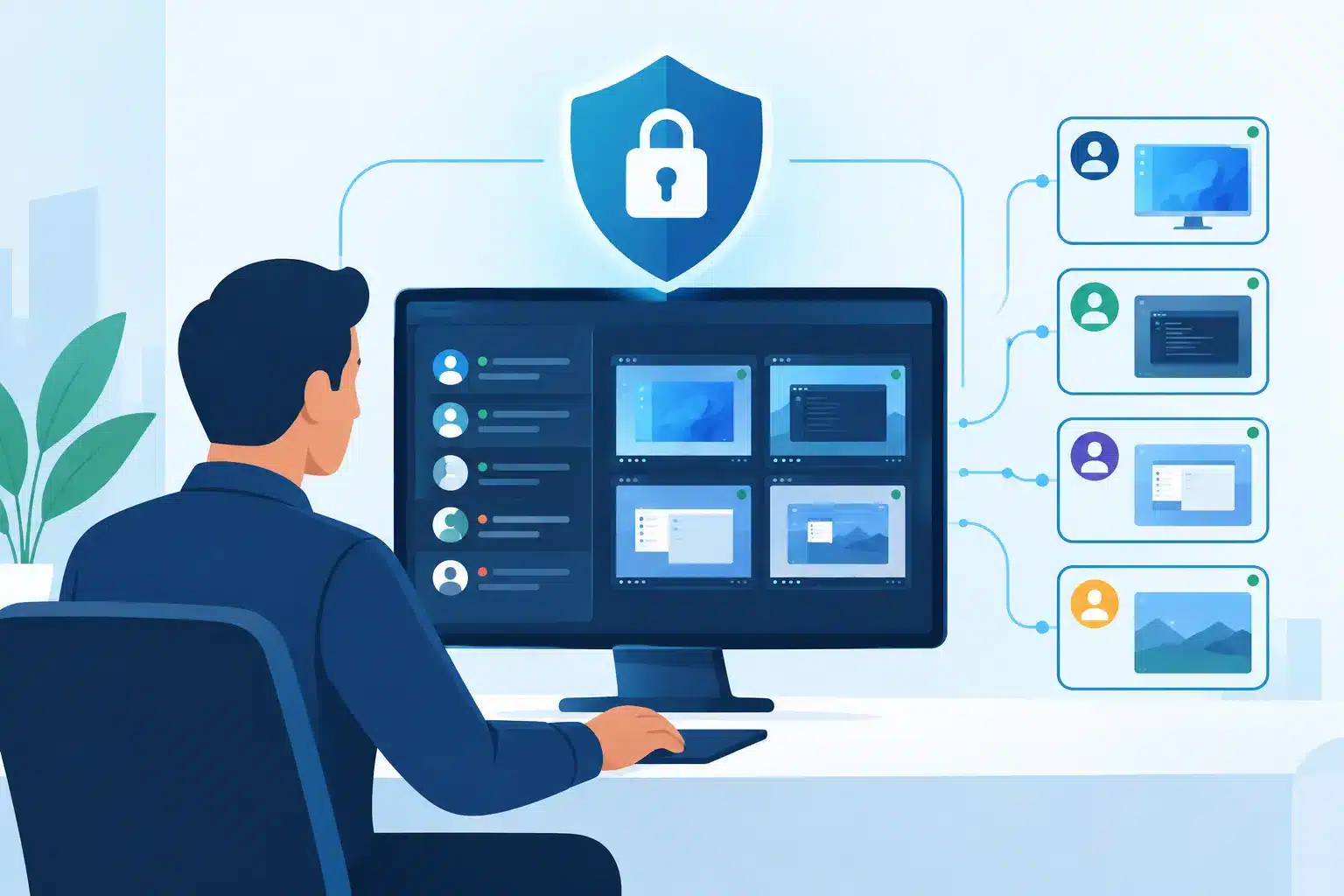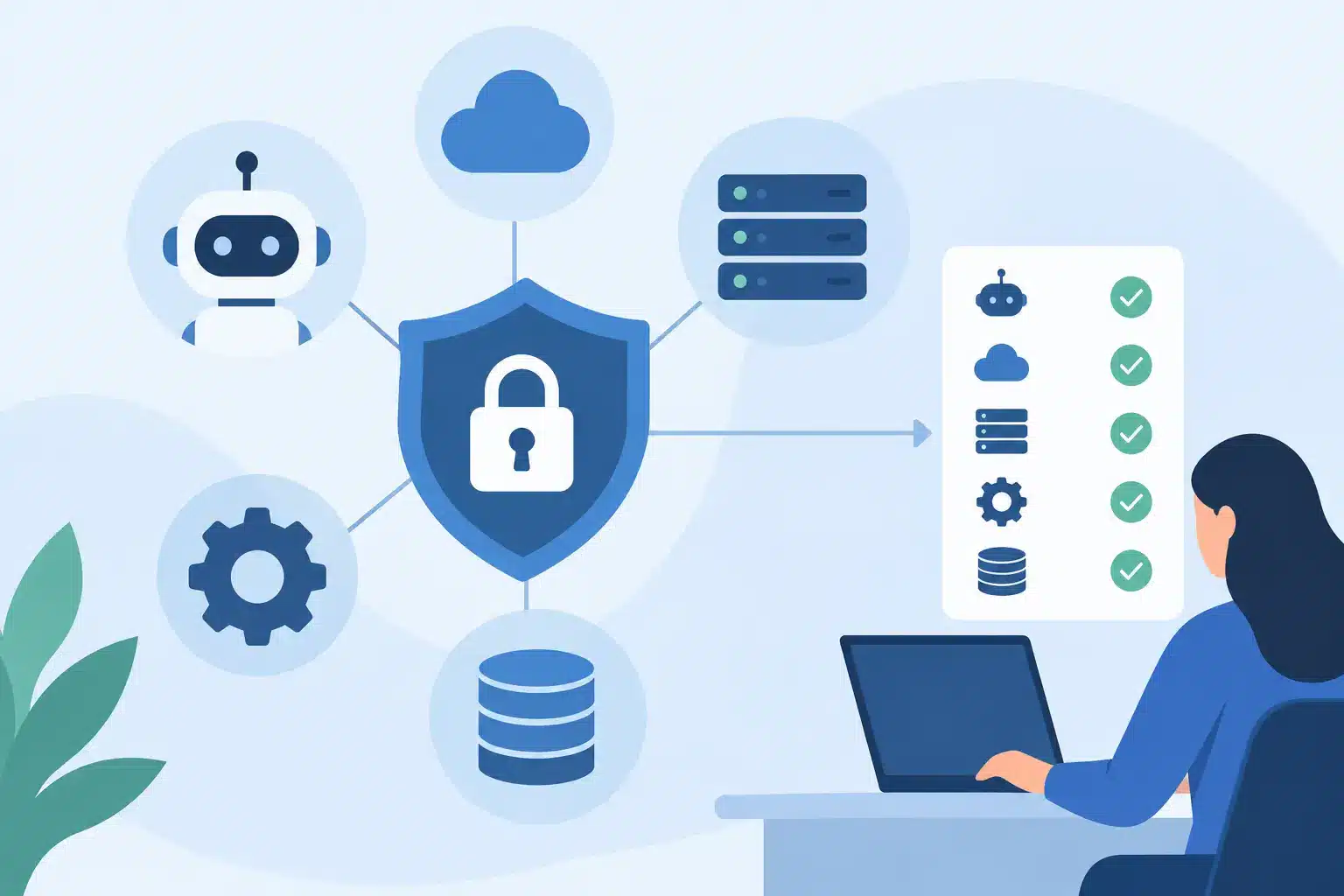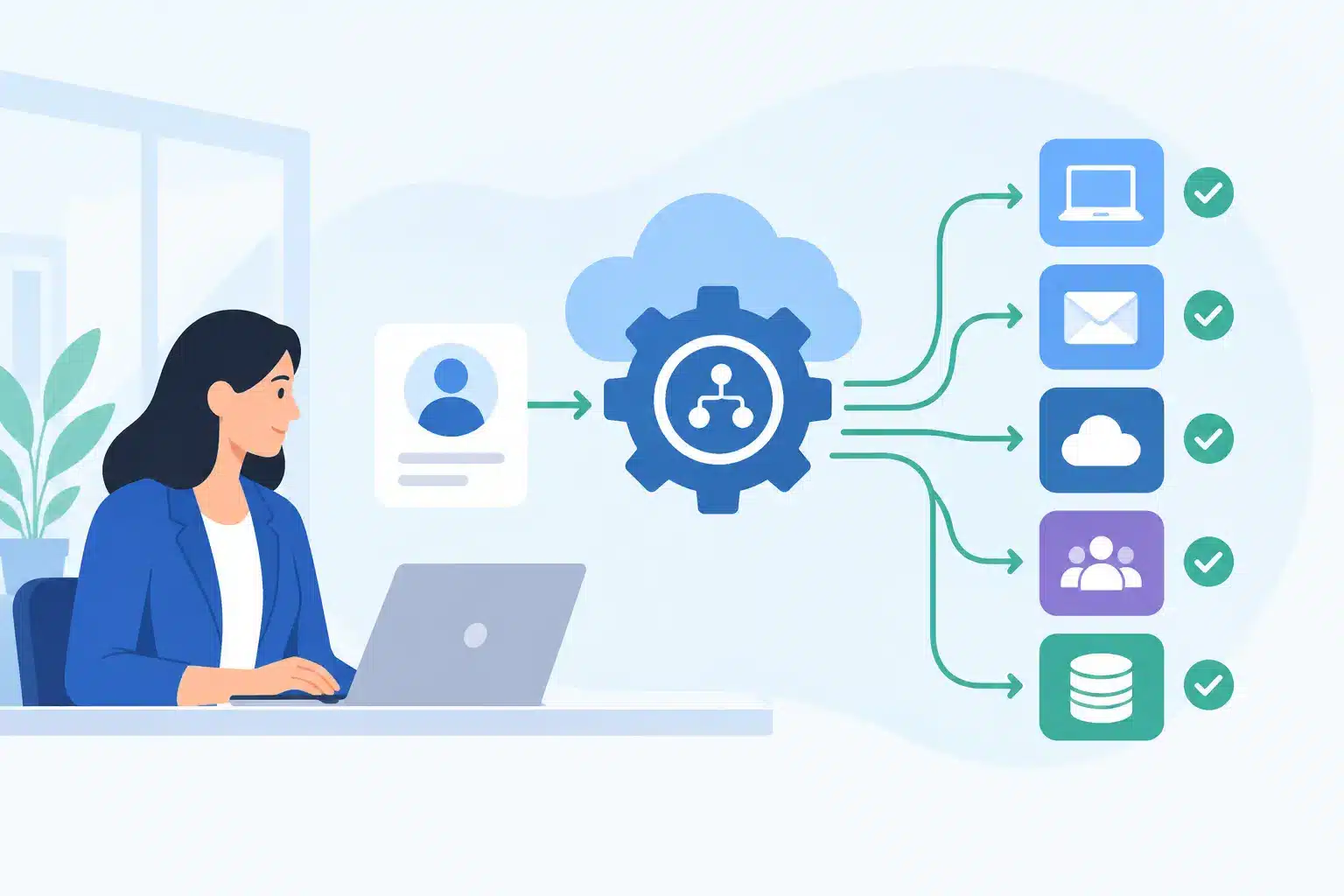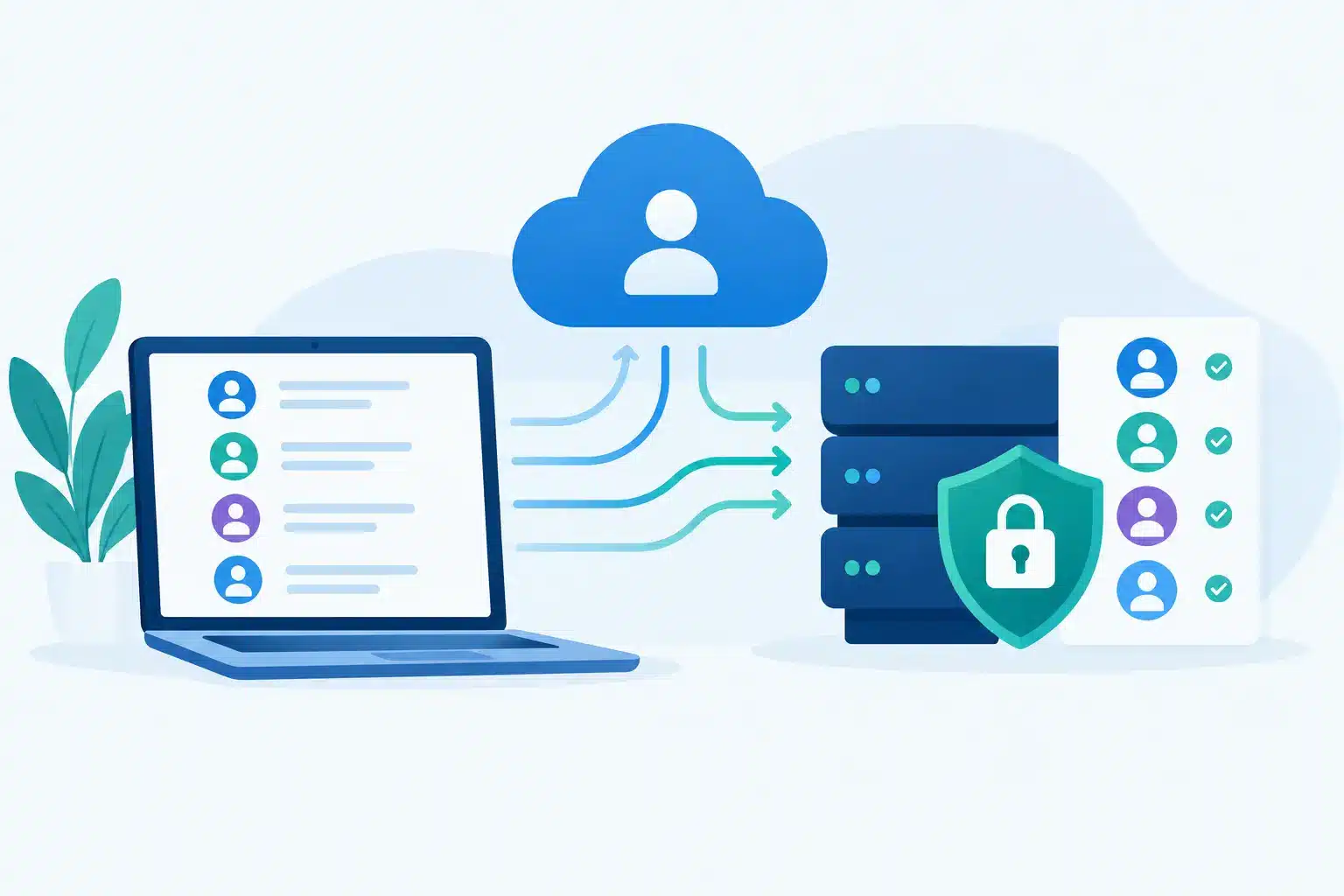
A domain administrator account with no named owner is not an administrative convenience. It is an unmeasured risk with authority to change infrastructure, disable controls, and expose sensitive data. Knowing how to govern privileged accounts means treating that authority as a controlled operational process, not a collection of passwords stored in a vault.
For enterprise teams, the challenge is rarely a lack of security tools. It is inconsistent ownership across legacy platforms, cloud tenants, SaaS administration consoles, service accounts, emergency access paths, and third parties. Effective governance establishes who can receive privileged access, why they need it, how long they can use it, and what evidence proves the control worked.
Start with a complete privileged account inventory
Governance fails when the scope is incomplete. Many organizations can report on directory administrators but cannot confidently identify privileged accounts in network devices, cloud subscriptions, databases, DevOps pipelines, industrial systems, or SaaS applications. That gap matters because attackers do not limit themselves to the systems your access review covers.
Build an inventory that includes named administrator accounts, shared accounts, local accounts, service accounts, application identities, API keys, cloud roles, emergency accounts, and privileged access assigned to external providers. Record the system, privilege level, authentication method, account owner, business purpose, and whether the account is interactive or non-interactive.
Discovery should not be a one-time project. New privileged identities appear whenever teams deploy applications, acquire companies, migrate workloads, or grant temporary production access to solve an incident. Connect discovery to onboarding, change management, cloud account provisioning, and application release processes. This turns the inventory into an operating record rather than a spreadsheet that becomes outdated within weeks.
Define privilege based on impact, not job titles
A title such as system administrator or developer does not adequately describe risk. A developer may need elevated rights in a test environment but have no reason to administer production. A finance employee may not be an IT administrator, yet their ability to approve payment changes can carry significant business impact.
Classify privileged access according to what it can do. Consider whether access can alter security settings, create identities, change financial data, export regulated information, deploy code, modify production configurations, or disable logging. The most sensitive roles deserve stronger controls, shorter access windows, more frequent reviews, and session oversight.
This classification also prevents a common failure: treating all elevated access the same. Requiring identical approval and monitoring for every administrative action creates friction where it is unnecessary, while potentially underprotecting the paths that can create the greatest damage. Control strength should be proportional to business and operational impact.
Assign accountable owners for every account and role
Every privileged account needs a named business owner and a technical owner. The business owner confirms that the access remains necessary. The technical owner understands the platform, validates the required permissions, and acts when remediation is needed. For an individual administrator, those responsibilities may be straightforward. For a service account or cloud role, they are often missing.
Avoid assigning ownership to a department, a distribution list, or an employee who left years ago. If a named owner cannot be identified, the account should enter a remediation queue with a defined deadline. In high-risk cases, disable it until a valid owner and purpose are established.
Ownership must extend to privileged roles, not only accounts. A role that grants broad tenant administration, database control, or infrastructure deployment rights should have an owner responsible for its design, membership criteria, approval route, and review schedule. Otherwise, role sprawl becomes a permanent source of excessive access.
Enforce least privilege through time-bound access
Standing privilege is easy to grant and difficult to remove. It accumulates through urgent requests, project exceptions, staff changes, and inherited group memberships. The result is a larger attack surface and less clarity during an investigation.
A stronger model grants privileged access only when it is required, for a defined task and duration. Just-in-time access can require a request, approval, policy check, or ticket reference before elevation occurs. When the work is complete, access expires automatically. For recurring duties, approved access windows may be more practical than continuous entitlement.
Not every environment can move immediately to just-in-time administration. Older applications may require static credentials, and operational teams may need rapid access during outages. Where standing access remains necessary, compensate with credential rotation, multifactor authentication, session recording, restricted source networks, and more frequent certification. The objective is not theoretical purity. It is reducing persistent authority without delaying critical operations.
Separate privileged work from everyday work
Administrators should use distinct privileged identities for administrative tasks. Email, web browsing, collaboration tools, and routine business activity should occur under a standard user identity. This limits the chance that phishing, browser compromise, or token theft becomes direct administrative access.
For highly sensitive environments, use privileged access workstations or controlled administrative sessions. These controls add operational discipline, but they need to be designed around real workflows. A security control that prevents an infrastructure team from responding to a production outage will be bypassed. Test procedures with the teams expected to use them.
Control credentials, sessions, and emergency access
Privileged Access Management should centralize the storage, checkout, rotation, and use of privileged credentials where possible. Vaulting a password alone is not sufficient governance. The organization needs a record of who requested access, who approved it, when the credential was used, and what activity occurred during the session.
Session monitoring and recording are particularly valuable for shared accounts, third-party access, and high-impact systems. They provide accountability and investigation evidence, but coverage should be risk-based. Recording every low-risk administrative action can create cost, privacy, and retention burdens without meaningful security value. Prioritize systems where misuse could materially affect operations, data, or compliance obligations.
Emergency or break-glass accounts require special treatment. They must be available when core identity services fail, but their existence should not create an unmonitored bypass around standard controls. Store credentials securely, restrict access to authorized incident personnel, alert on use, rotate credentials after use, and conduct a post-event review. Test the process under controlled conditions. An emergency account that cannot be accessed during an outage is not a control.
Govern nonhuman and third-party privileged identities
Service accounts, automation identities, and application credentials often hold broader and longer-lived access than human administrators. They also frequently escape review because no employee logs in interactively. Each nonhuman identity needs an owner, documented purpose, defined permissions, a rotation method, and a lifecycle tied to the application or automation it supports.
Where platforms support it, prefer workload identities, managed identities, short-lived tokens, or certificate-based authentication over embedded static passwords. Certificate Lifecycle Management becomes part of privileged identity governance when certificates authorize administrative automation or machine-to-machine access. Expired certificates can cause outages; unmanaged certificates can create quiet, persistent access paths.
Third-party support access needs equivalent discipline. Define the authorized systems, permitted hours, approval requirements, expiration date, and monitoring expectations in both technical policy and contractual terms. Vendor accounts should not remain enabled indefinitely because someone may need support later.
AI agents add another category to govern. An agent that can query systems, trigger workflows, modify tickets, or invoke cloud APIs has an identity and an authority boundary. Give it only the permissions required for its specific task, separate its credentials from human accounts, log its actions, and review changes to its connected tools and privileges. Treating an agent as a generic service account leaves too much ambiguity around accountability.
Make access reviews evidence-driven and actionable
Periodic access reviews are necessary, but they are often reduced to managers clicking approve on long lists of unfamiliar permissions. That produces audit artifacts without meaningful governance.
Give reviewers useful context: the account owner, last use date, system criticality, privilege description, request history, approver, and any conflicting access. Route reviews to people who understand both the business purpose and technical impact. High-impact privileges should be reviewed more frequently than low-risk roles, and dormant privileged accounts should trigger remediation rather than wait for the next campaign.
Measure what happens after a review. Track overdue certifications, accounts without owners, standing privileged access, orphaned service accounts, stale vendor accounts, failed credential rotations, and the time required to revoke unnecessary access. These measures show whether the program is reducing exposure or simply generating approvals.
Build governance into daily operations
The strongest privileged account program is integrated with the way technology is delivered and supported. Joiner, mover, and leaver events should update privileged eligibility. Change requests should trigger review when they introduce a new administrative role. Cloud provisioning should apply approved roles by policy. Incident procedures should define how emergency access is requested, recorded, and closed.
This requires coordination across IAM, PAM, infrastructure, cloud, security operations, application teams, and compliance. Tooling can enforce policy, but accountable operating processes keep exceptions from becoming permanent access. IDENT1TY approaches identity security as that operational discipline: a controlled capability that remains effective after deployment.
The useful test is simple. When an investigator asks who had the ability to change a critical system last Tuesday, your team should be able to answer quickly, show why that access existed, and prove what happened next. Build privileged account governance to meet that moment before it becomes an incident.