Last updated: July 2026
Hybrid cloud multiplies machine identities faster than any other environment. Every workload spanning on-premises and cloud, every pipeline, every integration creates new service accounts, keys, and tokens, often duplicated across platforms. Securing them is now one of the hardest problems in enterprise security. This guide is a practical, step-by-step approach to securing machine identities across hybrid and multi-cloud environments.
Why hybrid cloud makes machine identities harder to secure
Hybrid environments combine on-premises systems with one or more public clouds, and each platform brings its own identity framework, credential formats, and access model. That fragmentation is the core problem. Machine identities proliferate across every layer, and cloud migrations alone can multiply them tenfold, as each service needs new identities, auto-scaling creates dynamic credentials, and hybrid setups maintain duplicate identities across platforms.
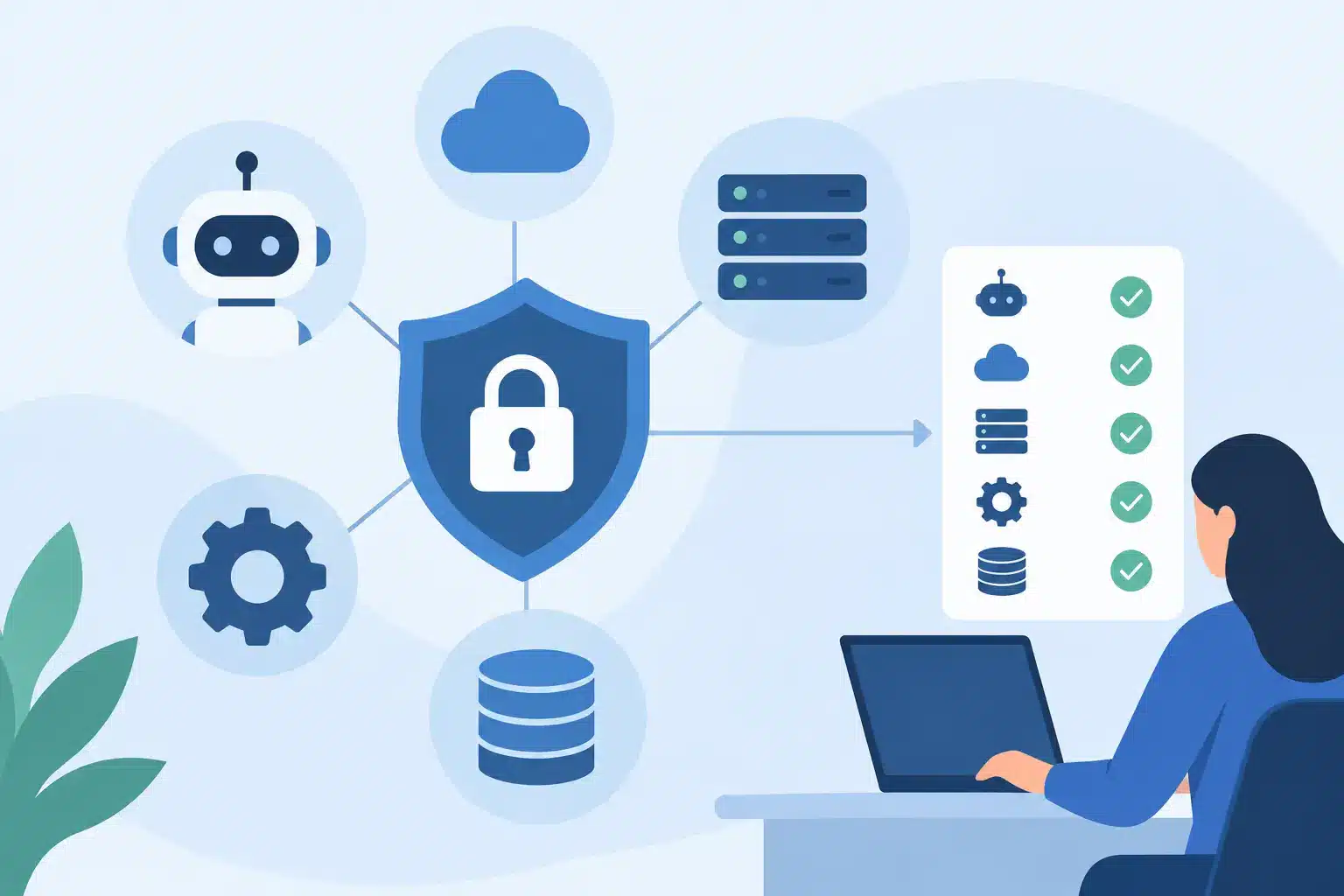
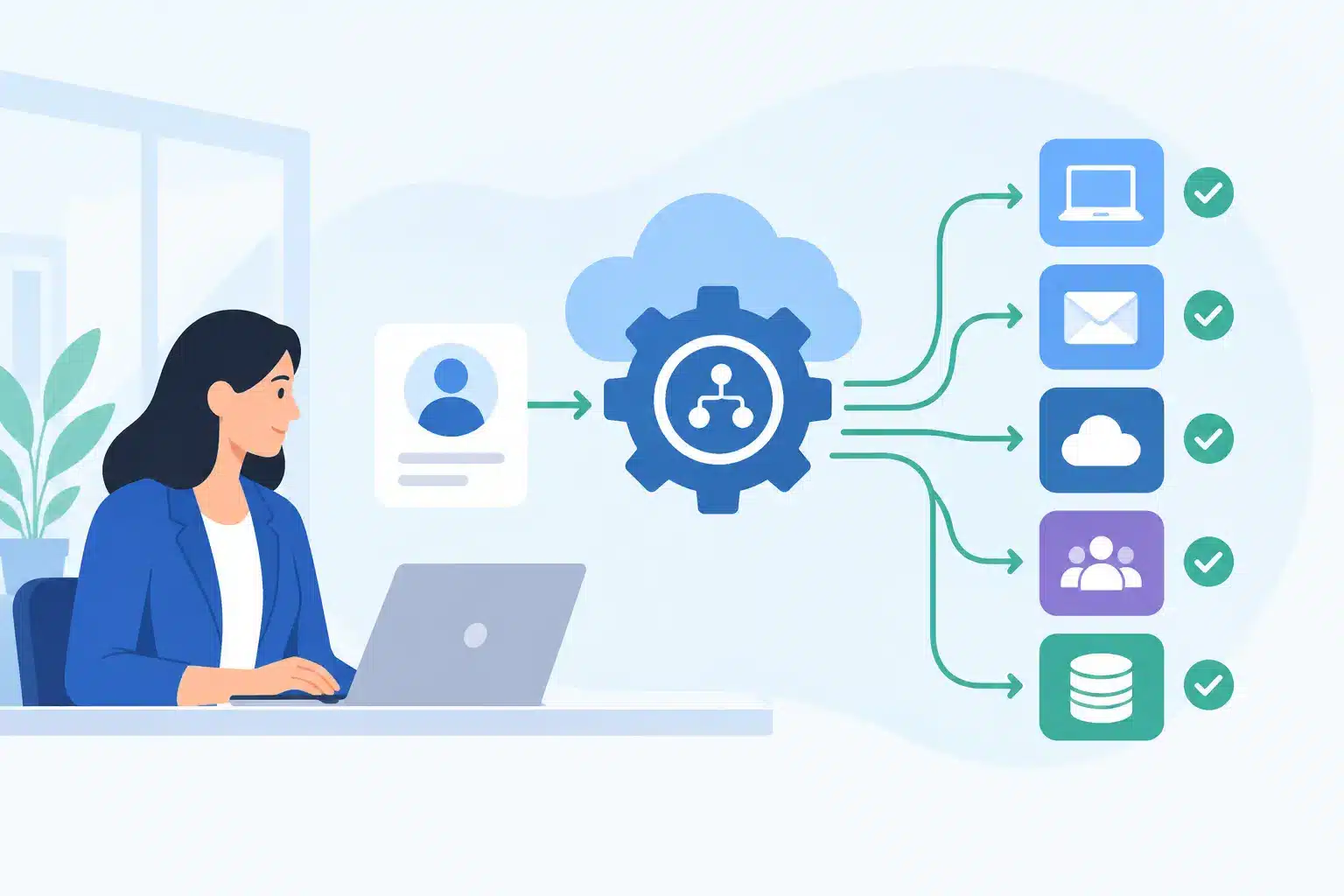
The result is an identity population that no single tool sees in full. A service account in Active Directory, an IAM role in AWS, a managed identity in Azure, and an API key in a CI/CD pipeline may all belong to the same workload, yet be governed by different systems with no unified view. Attackers exploit exactly these seams. Securing machine identities in hybrid cloud is therefore less about any one platform’s controls and more about imposing consistent governance across all of them, a central goal of machine identity and AI agent security.
Step 1: Build a continuous, unified inventory
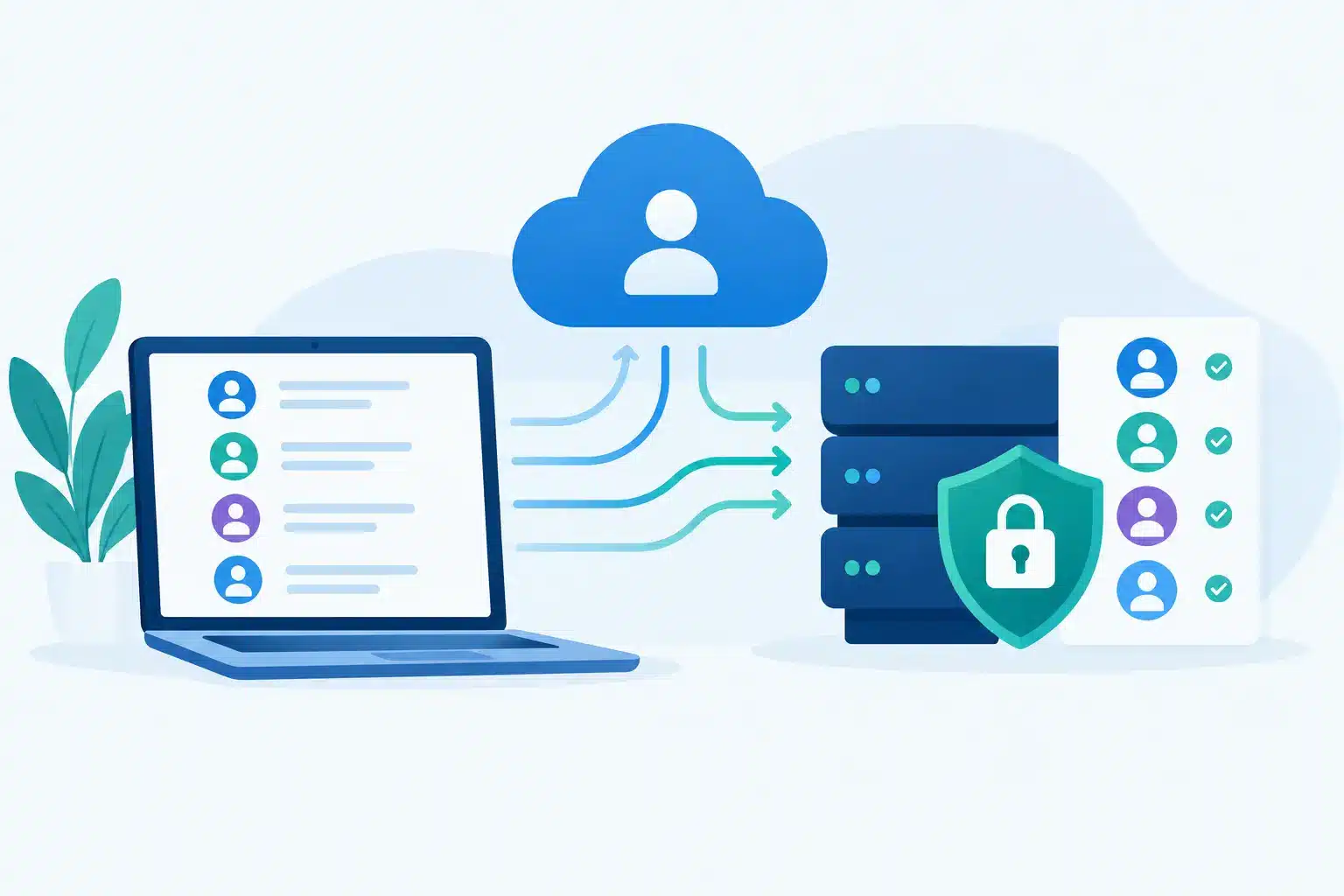
You cannot protect what you cannot see, and in hybrid cloud most organizations underestimate their machine identity footprint by three to five times. The first step is discovery across every environment at once: service accounts in Active Directory, IAM roles and access keys in AWS, service principals and managed identities in Azure, workload identities in Google Cloud, secrets in vaults, keys in config files, and every third-party integration.
Crucially, this inventory must be continuous, not an annual audit. Identities are created faster than humans can count them, especially in dynamic cloud environments, so discovery has to be automated and always running. A point-in-time snapshot is out of date the moment it is taken.
Step 2: Assign ownership to every identity
An inventory is only useful if someone is accountable for each entry. Every machine identity needs a human custodian who can confirm whether it is still active and necessary. This is the step that closes the biggest hybrid-cloud gap: identities with shared or no ownership, where a service account created by a developer who left months ago keeps its full access because nobody is responsible for retiring it.
The rule is simple: if a machine identity has no owner, isolate it immediately. Research shows a meaningful share of enterprise machine identities have no owner in HR systems at all, the creator left, but the account and its access remain. Ownership is what makes lifecycle governance possible.
Step 3: Eliminate long-lived secrets
Long-lived static secrets are the root cause of most machine identity breaches, and hybrid environments are full of them: hard-coded API keys, service-account passwords that are rarely rotated, and credentials copied between on-premises and cloud systems. Research indicates 71% of non-human identities are not rotated within recommended timeframes, and many secrets exposed years ago remain valid because they were never revoked.
The fix is to move away from permanent credentials entirely. Vault all secrets in a centralized system rather than leaving them in code or config files. Replace static keys with short-lived, automatically rotated credentials. Where possible, adopt cryptographic workload identities based on open standards like SPIFFE, which issue short-lived, verifiable tokens instead of static credentials, an approach that travels well across hybrid and multi-cloud boundaries.
Step 4: Enforce least privilege everywhere
Machine identities are frequently over-permissioned, often holding broader access than any human account, which makes a single compromised credential catastrophic. In hybrid cloud, scope every identity to the minimum access required for its specific function, and apply this consistently across on-premises and every cloud, not just where it is easy.
This matters most for the seams between platforms. An identity that is tightly scoped in AWS but broadly permissioned in Azure creates a lateral-movement path an attacker can ride. Consistent least-privilege enforcement across the whole hybrid estate removes those gaps.
Step 5: Adopt just-in-time access
The strongest control is to eliminate standing access. Instead of a workload holding permanent access to a database, it requests a short-lived token only when needed, valid for minutes, and revoked automatically afterward. If an attacker steals a just-in-time token, it expires before they can use it, which shrinks the attack window dramatically.
The guiding principle for hybrid environments is to remove the human from authentication (machines authenticate themselves cryptographically) but keep humans firmly in the loop for authorization of sensitive actions. Just-in-time access is the practical expression of zero standing privilege for machine identities.
Step 6: Monitor and govern continuously
Finally, secure the identities over time. Monitor for anomalous machine-identity behavior across all platforms, correlating signals that any single cloud’s native tooling would miss on its own. Feed machine identities into the same governance framework as human ones, with regular review, so access stays appropriate and retired identities are actually decommissioned rather than left as zombie accounts.
This unified governance is the antidote to hybrid fragmentation. Rather than managing machine identities separately in each platform, mature programs bring human and non-human identities into one policy and audit framework spanning the whole environment.
The AI agent factor in hybrid cloud
AI agents make all of this more urgent. In hybrid environments they operate across on-premises and cloud systems at once, acquiring permissions at runtime and chaining actions across platforms in ways no static policy anticipated. Their blast radius is wider precisely because hybrid gives them more systems to reach. Securing them means applying every step above, inventory, ownership, short-lived credentials, least privilege, just-in-time access, and continuous monitoring, with particular discipline, treating each agent as a first-class identity with a defined owner, scope, and lifecycle.
Bringing it together
Securing machine identities in hybrid cloud is not a single tool purchase, it is a governance program applied consistently across fragmented platforms: discover continuously, assign ownership, eliminate long-lived secrets, enforce least privilege, adopt just-in-time access, and monitor continuously. The difficulty is not knowing the steps but executing them uniformly across on-premises, multiple clouds, and a fast-growing population of AI agents.
That consistency is where expertise makes the difference. A dedicated approach to machine identity and AI agent security combined with expert integration unifies governance across your hybrid estate, closing the platform seams where unmanaged machine identities become an attacker’s easiest path in.
Frequently asked questions
How do you secure machine identities in hybrid cloud?
Through a consistent governance program across all platforms: build a continuous unified inventory, assign an owner to every identity, eliminate long-lived secrets with short-lived rotated credentials, enforce least privilege, adopt just-in-time access, and monitor continuously.
Why is hybrid cloud harder for machine identity security?
Because each platform (on-premises, AWS, Azure, Google Cloud) has its own identity framework and credential formats, creating fragmentation and duplicate identities that no single tool sees in full. Attackers exploit the seams between platforms.
What is the most important first step?
Continuous discovery. You cannot protect what you cannot see, and organizations typically underestimate their machine identity footprint by three to five times. Discovery must be automated and ongoing, not an annual audit, because identities are created constantly.
How do short-lived credentials help?
They remove the long-lived static secrets that cause most breaches. A short-lived, automatically rotated credential or just-in-time token expires quickly, so even if an attacker steals it, it is useless before they can exploit it. This is especially valuable across hybrid boundaries.
How do AI agents change hybrid cloud security?
AI agents operate across on-premises and cloud at once, acquiring permissions at runtime and chaining actions, which widens their blast radius. Each should be treated as a first-class identity with a defined owner, scope, short-lived credentials, and continuous monitoring.
Key takeaways
- Hybrid cloud multiplies machine identities and fragments them across platforms, so security means imposing consistent governance across on-premises and every cloud, not relying on any one platform’s controls.
- The six steps are: continuous unified inventory, ownership for every identity, elimination of long-lived secrets, least privilege everywhere, just-in-time access, and continuous monitoring and governance.
- AI agents make this urgent: operating across hybrid systems at runtime, they need the same disciplines applied with particular rigor, each treated as a first-class identity.