Last updated: July 2026
Privileged access management is easy to define and harder to picture in action. What actually happens when an administrator needs to log into a production server? How does a credential get used without the user ever seeing it? This guide focuses on how privileged access management works: the architecture, the layers, the workflow of a single privileged session, and the shift reshaping it in 2026.
What is privileged access management, and how does it work?
Privileged access management (PAM) is the cybersecurity framework and set of technologies that secure, monitor, and control privileged access, the elevated permissions that let an identity change system settings, reach sensitive data, or administer critical infrastructure. In practice, PAM works as a centralized gateway that manages the entire lifecycle of a privileged session, replacing insecure habits like storing passwords in spreadsheets with a programmatic, fully audited workflow.
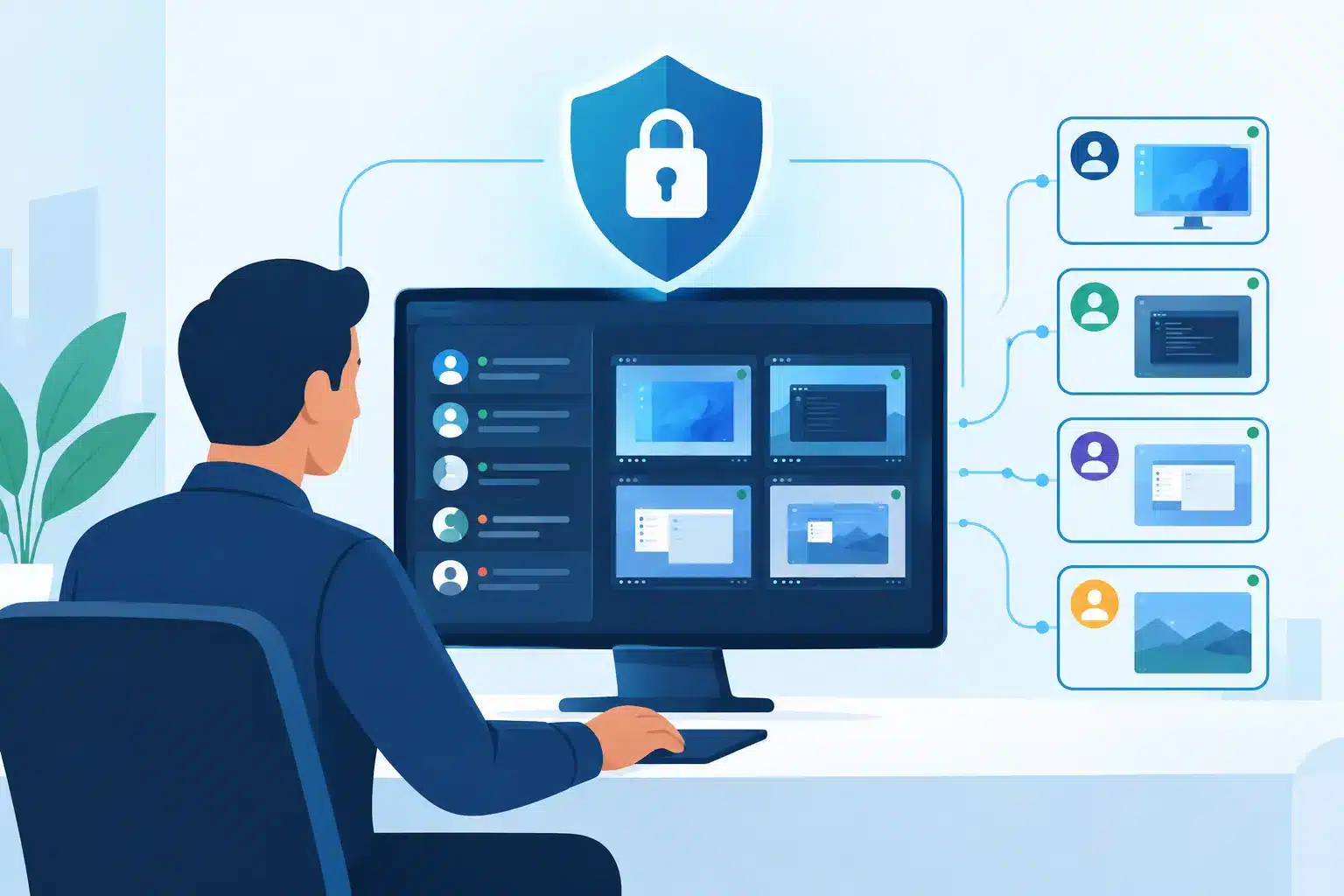
The core principle is that the user never holds the credential. Instead of connecting directly to a target system with a password they know, the administrator connects through the PAM platform, which authenticates them, retrieves the credential from a secure vault, injects it into the session, and records everything that happens. The password itself stays unknown to the human, which means it cannot be phished, reused, or leaked.
PAM is a specialized subset of identity and access management (IAM), focused on the small population of high-risk accounts. It is the operational core of a privileged access management strategy, and understanding its architecture is the key to deploying it well.
The three functional layers of PAM
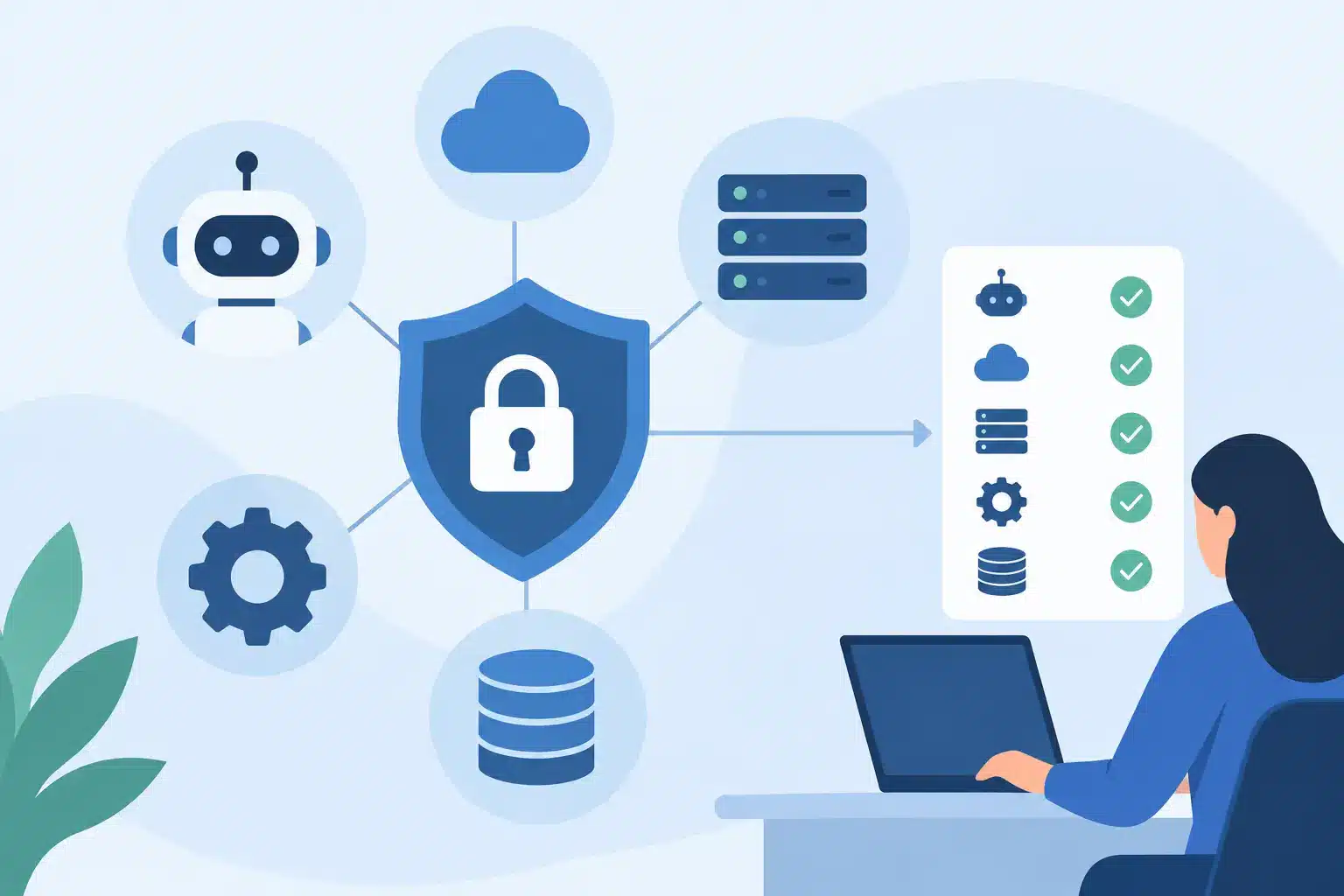
A PAM solution is typically built from three connected layers, each handling a distinct job in securing privileged access.
1. The credential vault
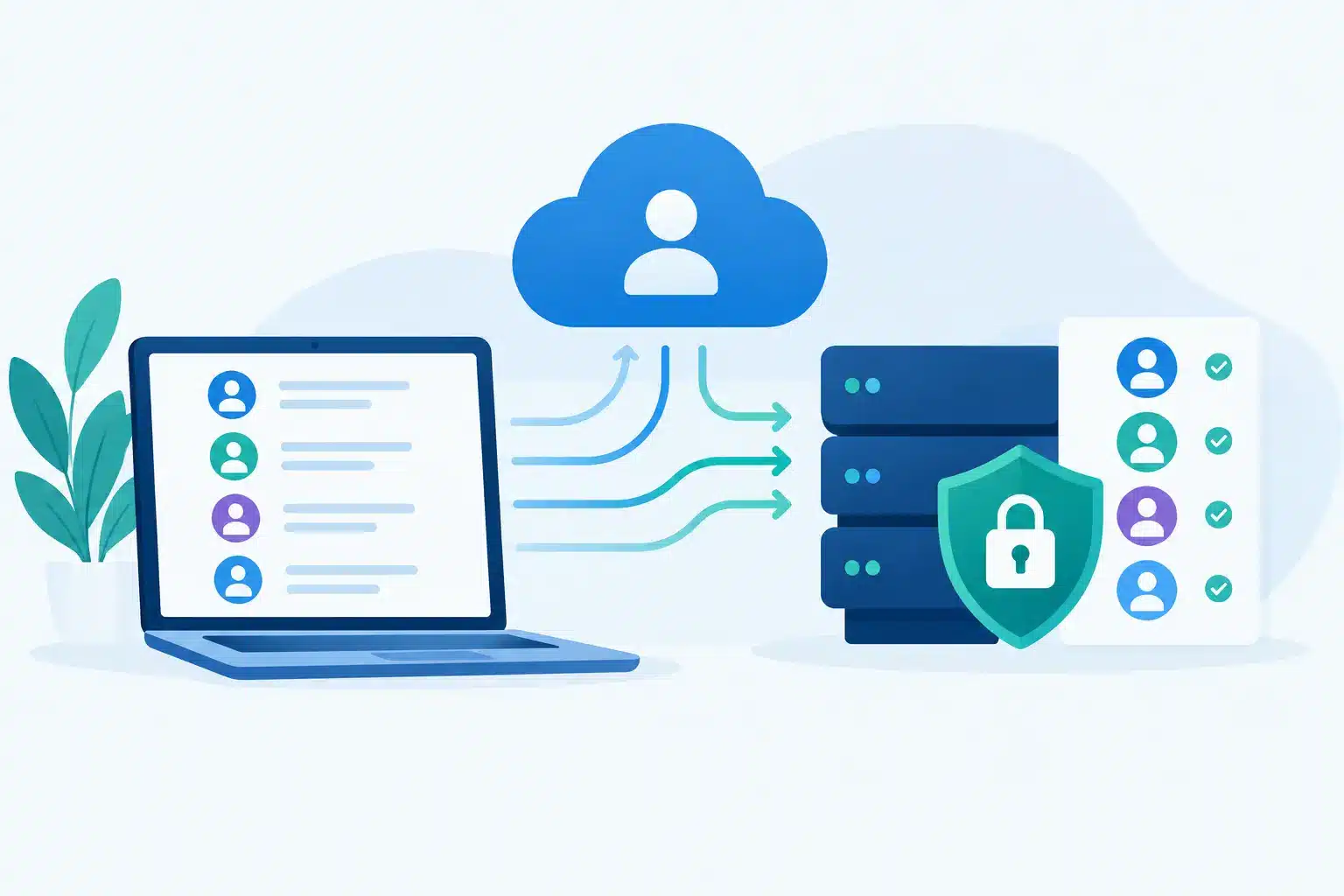
This is the foundational layer. All privileged passwords, SSH keys, API keys, and secrets are stored in an encrypted, central repository. Beyond storage, the vault discovers existing privileged accounts and automatically rotates their passwords to complex, random strings on a schedule, so credentials stay unknown to human administrators and a stolen password quickly expires.
2. The session broker
When an administrator needs privileged access, they do not use the real password. They request access through the PAM solution, which proxies the connection to the target system and injects the credential without exposing it. This brokering layer is what stands between the user and the system, enforcing policy on which users can access which targets, when, and for what purpose.
3. Monitoring and recording
Every privileged session is recorded, video, keystrokes, commands, and file transfers, and monitored in real time. Suspicious activity can trigger alerts or automatic session termination. Recordings are stored in the vault and made available to auditors, providing a defensible trail that ties every administrative action to a specific individual, even when a shared account is used.
The workflow of a privileged session
Putting the layers together, a single privileged session follows a clear sequence. First, the user authenticates to the PAM platform, typically with MFA. The system identifies them and evaluates their request against policy: are they entitled to this target, at this time, for this purpose? If approved, access is granted, often temporarily and scoped to a specific task. The credential is retrieved from the vault and injected into the session, so the user connects without ever touching the password. Throughout, every action is tracked and recorded. When the session ends or the time limit expires, access is revoked automatically, and in modern setups the credential is rotated so it can never be reused.
This workflow is why PAM is so effective against attackers. Palo Alto Networks Unit 42 researchers have observed that threat actors can move from initial access to full domain administrator status in under 40 minutes, and that 66% of social engineering attacks specifically target privileged accounts. By ensuring credentials are never held by users and every session is brokered and recorded, PAM removes the direct path attackers rely on.
From vaulting to zero standing privilege
The biggest architectural shift in PAM is the move away from static vaulting toward zero standing privilege. Legacy PAM relied on vaulting long-lived passwords: the credential still existed permanently, it was just stored securely. Modern PAM goes further by eliminating standing privilege entirely.
Instead of storing a permanent password, modern PAM provisions short-lived, just-in-time credentials that expire automatically after a task. An engineer might request temporary access to restart a production server, receive credentials valid only for that session, complete the task, and lose access automatically. Nothing persists for an attacker to steal later. This shrinks the attacker’s window of opportunity from months to minutes, and it is the defining direction of PAM architecture in 2026.
How cloud changed PAM architecture
Traditional PAM was built for a data center full of servers that administrators logged into over SSH or RDP. Cloud infrastructure broke that model. Cloud environments are ephemeral, spanning AWS, Azure, GCP, and Kubernetes, with resources created and destroyed constantly, which makes manually configured, IP-based access policies unworkable at scale.
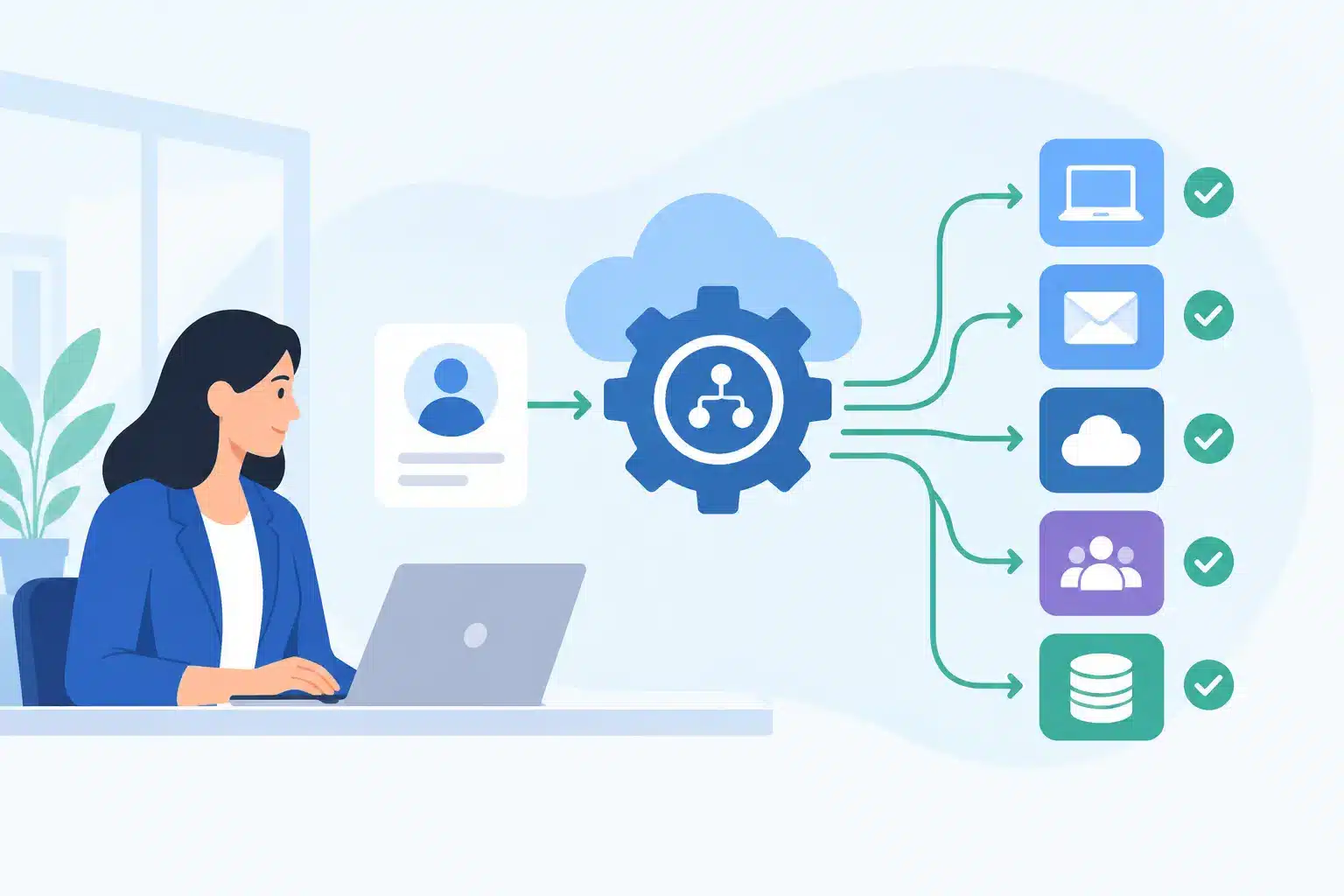
Cloud-native PAM responds by integrating directly with cloud provider identity systems rather than bolting a vault onto them. It can provision temporary cloud credentials, enforce session time limits, and revoke access automatically, brokering access to cloud consoles and CLIs with just-in-time entitlements that replace static, long-lived IAM roles. The result is PAM that scales with dynamic infrastructure instead of fighting it.
How PAM fits with IAM and IGA
PAM works best when it is not isolated. It sits within a layered identity security architecture: IAM is the foundation, handling authentication and baseline authorization for all users; IGA adds governance through access reviews and certifications; and PAM is the specialized runtime layer for elevated permissions.
The division of labor between IGA and PAM is precise. IGA operates at provisioning time and decides what privileged access a user should have, derived from HR data and certified periodically. PAM operates at runtime and enforces what controls apply when they actually use it, vaulting, brokering, JIT elevation, and recording. IGA produces the standing state; PAM enforces the runtime behavior. Treating one as a feature of the other causes both to underperform, which is why explicit integration between them is the architecture that works.
Deploying PAM the right way
A sound PAM deployment follows the architecture in order. Discover and vault every privileged credential, including infrastructure, network devices, databases, and cloud service accounts. Route all privileged access through the PAM solution so no direct connections bypass it. Implement least privilege and just-in-time access by revoking permanent admin rights and granting elevation on demand. Monitor and record every session. And critically, harden the PAM system itself, because it is now your most sensitive security asset.
Getting this architecture right across a real, hybrid environment is where expertise matters most. The organizations that succeed pair the right platform with integration that covers every target and every privileged population. A dedicated privileged access management solution combined with expert integration turns a complex architecture into a working control that attackers cannot easily bypass.
Frequently asked questions
How does privileged access management work?
PAM works as a centralized gateway: the user authenticates to the platform, which retrieves the credential from a vault and injects it into a brokered session without exposing the password, records the entire session, and revokes access automatically when the task is done.
What are the main components of a PAM solution?
The three functional layers are the credential vault (secure storage and rotation), the session broker (proxying and injecting credentials without exposing them), and monitoring and recording (full session capture and real-time alerting).
What does it mean that the user never sees the password?
The PAM platform stores the real credential in its vault and injects it into the session automatically. The administrator connects to the target system without ever knowing or typing the password, so it cannot be phished, shared, or reused.
How does cloud-native PAM differ from traditional PAM?
Traditional PAM vaults static passwords for data-center servers. Cloud-native PAM integrates with cloud identity systems to provision short-lived, just-in-time credentials for ephemeral resources across AWS, Azure, GCP, and Kubernetes, replacing static IAM roles.
What is a privileged session broker?
A session broker is the PAM component that sits between the user and the target system. It proxies the connection, injects the vaulted credential without exposing it, enforces access policy, and enables the session to be monitored and recorded.
Key takeaways
- PAM works as a centralized gateway built from three layers: a credential vault, a session broker, and session monitoring and recording.
- The core principle is that the user never holds the credential, so it cannot be phished or reused, and every privileged session is recorded and auditable.
- Modern PAM architecture is shifting from static vaulting to zero standing privilege and cloud-native, just-in-time access, shrinking the attacker’s window from months to minutes.