A dormant service account with broad cloud permissions can sit unnoticed for months. An expired certificate can stop production traffic in minutes. An overprivileged AI agent can interact with systems faster than any human can respond. This is why non human identity security has moved from a niche IAM concern to a core control area for enterprise security teams.
Most organizations already manage human identities with some level of structure. They have onboarding workflows, MFA policies, access reviews, and privileged access controls for employees and contractors. Non-human identities are different. They are created by applications, scripts, containers, APIs, bots, service accounts, certificates, and now autonomous AI agents. They scale faster, change more often, and often fall outside the governance model built for people.
What non human identity security actually covers
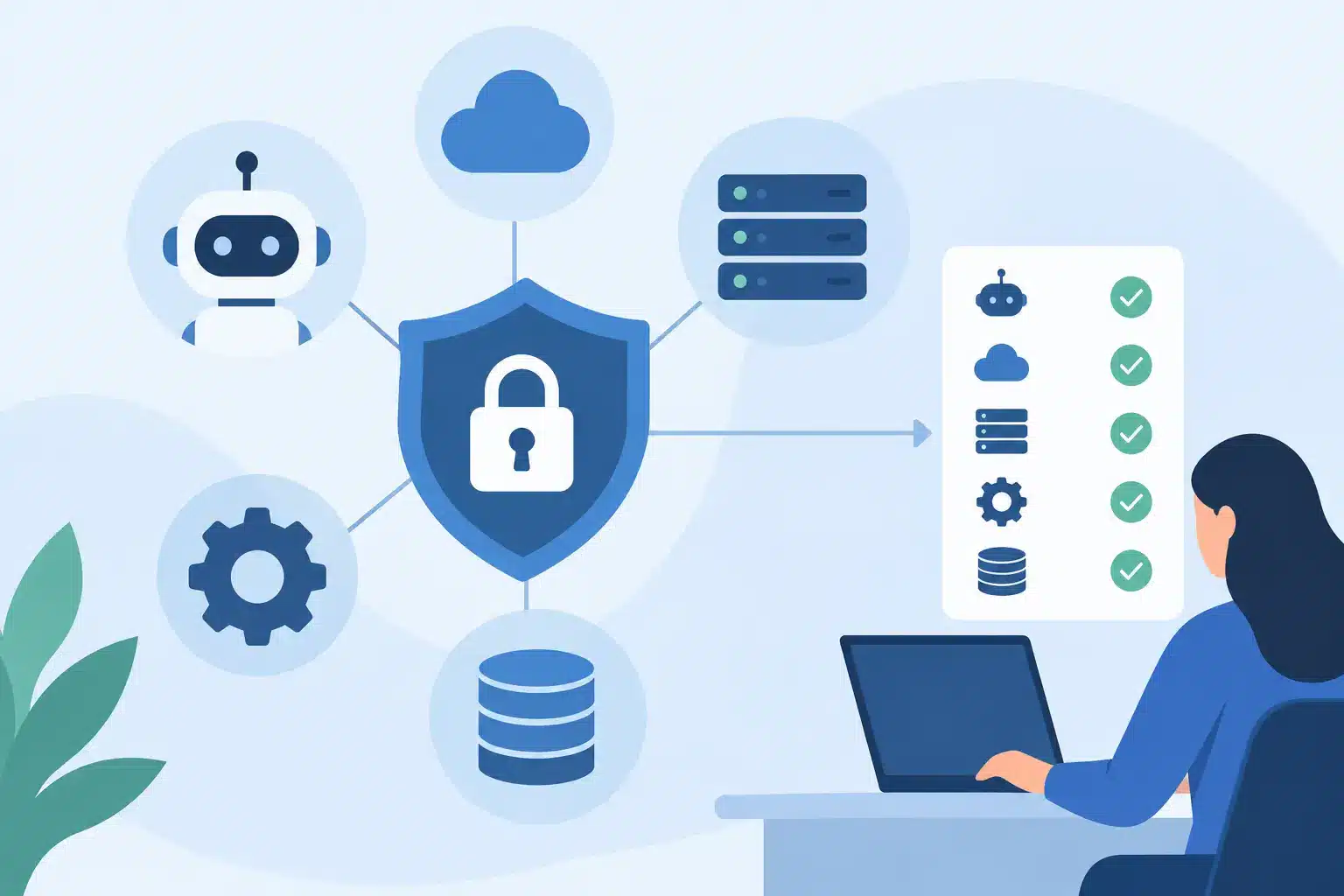
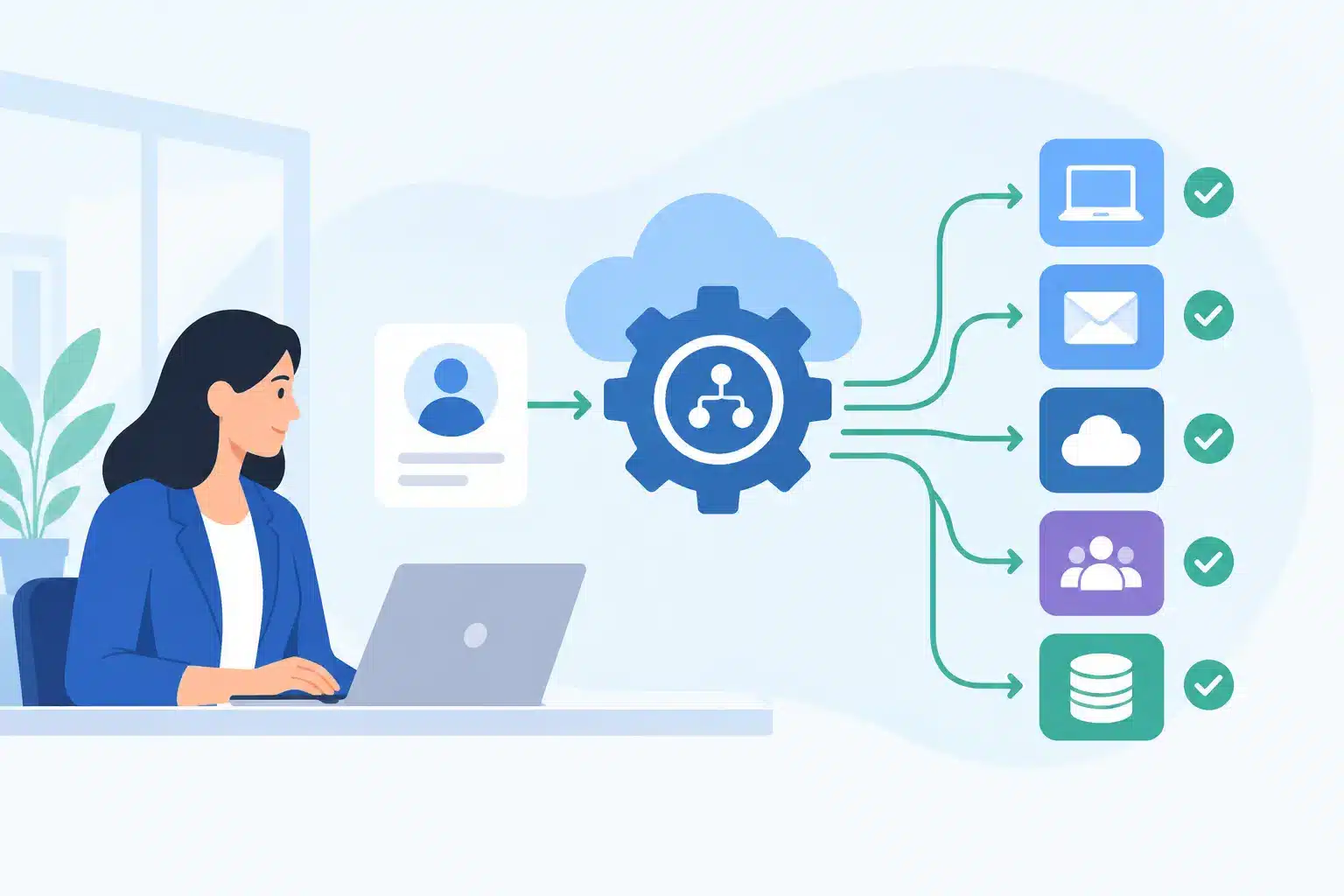
Non human identity security is the discipline of identifying, governing, authenticating, monitoring, and controlling digital identities that are not tied to a person. In practice, that includes service accounts in Active Directory, cloud service principals, workload identities in Kubernetes, API keys, SSH keys, certificates, secrets, robotic process automation bots, and machine-to-machine access paths across hybrid environments.
The common thread is access. These identities authenticate to systems, retrieve secrets, call APIs, move data, and execute tasks with assigned privileges. If those privileges are excessive, unmanaged, or invisible, they create the same type of risk as a compromised admin account, sometimes with less oversight and fewer compensating controls.
That is where many security programs start to drift. Human access is usually owned by IAM or HR-driven processes. Machine access often grows inside DevOps, infrastructure, application teams, and cloud engineering. The result is fragmented ownership, inconsistent standards, and limited accountability for lifecycle control.
Why the risk is growing faster than most programs
The problem is not just volume, although volume is part of it. Every cloud migration, CI/CD pipeline, SaaS integration, and automation initiative creates more non-human identities. AI adoption increases that pressure because agents need credentials, delegated permissions, and access to internal tools and data stores in order to act.
What makes these identities dangerous is that they are often trusted by default. A service account may never be challenged with MFA. A certificate may grant silent machine authentication across critical systems. A hardcoded secret in a script may provide persistent access long after the original application owner has moved on. Because these identities are built for uptime and automation, they are frequently exempted from the friction that protects human access.
Attackers understand this. They look for exposed keys, overprivileged cloud roles, stale service accounts, and unmanaged secrets because those paths are reliable and often lightly monitored. The trade-off is straightforward. The more automation an enterprise adopts, the more disciplined it must become about non-human identity governance.
Where non human identity security breaks down
Most failures are operational, not theoretical. Security teams rarely lack awareness that machine identities exist. They lack a consistent operating model to control them.
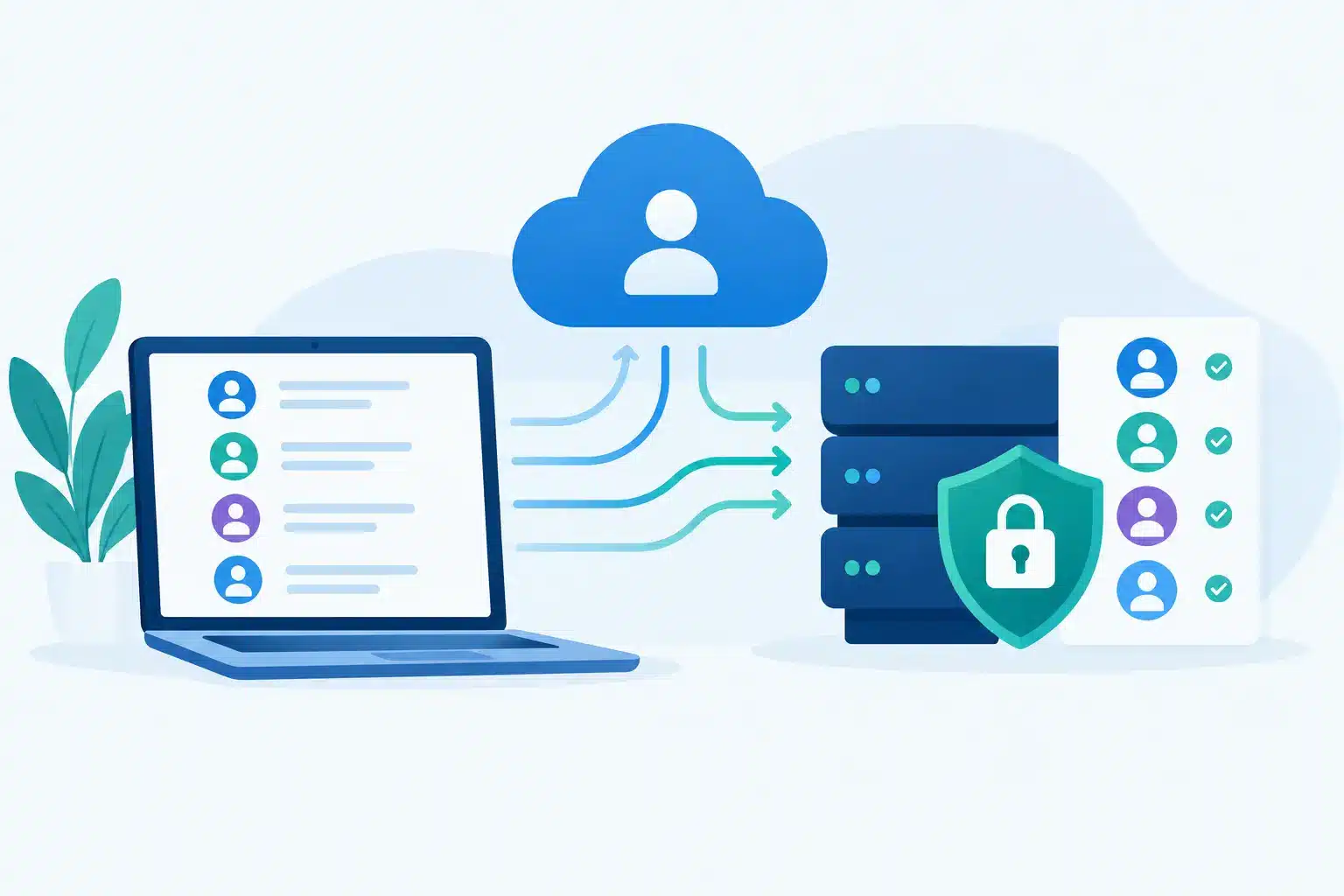
The first failure point is inventory. Many organizations cannot answer basic questions with confidence: how many non-human identities exist, who owns them, what do they access, how are they authenticated, and when were they last used? Without that baseline, every downstream control becomes weaker.
The second failure point is lifecycle management. Human identities typically follow a joiner-mover-leaver pattern. Non-human identities do not. They are created during projects, inherited through acquisitions, deployed by infrastructure-as-code, or issued automatically by platforms. If there is no process for approval, expiration, rotation, attestation, and decommissioning, access accumulates quietly.
The third failure point is privilege. Service accounts and workload identities are commonly granted broad rights because narrow scoping takes more effort at deployment time. That shortcut creates persistent exposure. A single overprivileged identity can become a lateral movement path across environments, subscriptions, or applications.
Then there is credential sprawl. Secrets stored in code repositories, local config files, CI/CD variables, or unmanaged vaults are still common in mature enterprises. Certificates add another layer of complexity because they often support critical trust relationships but remain operationally invisible until renewal fails or compromise is suspected.
The controls that matter most
Effective non human identity security starts with visibility, but it cannot stop there. An inventory without governance only documents risk.
A stronger model begins with ownership. Every non-human identity should have a defined business owner and technical owner, even if creation is automated. Ownership is what makes review, remediation, and exception handling possible.
Authentication methods need equal discipline. Long-lived static credentials should be reduced wherever possible in favor of short-lived tokens, managed identities, certificate-based trust, or vault-issued secrets with rotation controls. The right method depends on the environment, but the principle is consistent: reduce persistent credentials and limit reuse.
Privilege control is the next layer. Non-human identities should be scoped to the minimum access needed for a defined task, not granted blanket permissions for convenience. This often requires closer alignment between IAM architects, cloud teams, application owners, and PAM capabilities. It is more work up front, but it reduces blast radius when compromise occurs.
Monitoring also needs to improve. Machine identities do not behave like people, so standard user analytics are not enough. Security teams need telemetry that shows where these identities authenticate, what resources they access, whether their behavior has changed, and whether dormant or anomalous activity suggests misuse.
For certificates, lifecycle control is non-negotiable. Discovery, issuance, renewal, revocation, and policy enforcement need to be managed as a security and availability function, not just an infrastructure task. The same principle applies to SSH keys and API credentials. If the enterprise cannot see them, it cannot trust them.
Why AI agents raise the stakes
AI agents are forcing a sharper conversation because they combine autonomy with access. An agent that can retrieve data, execute workflows, trigger tickets, or call internal APIs is not just another application account. It is an active decision-making entity operating through non-human identity controls.
That does not mean every AI deployment is high risk. It depends on the permissions granted, the systems connected, and the level of autonomy allowed. But the governance gap is real. If an AI agent can act across business systems, then approval models, policy boundaries, credential handling, and auditability have to be designed before scale, not after an incident.
This is one reason identity programs need to be operational disciplines. Deploying a tool is not enough. The environment changes too quickly. New workloads appear, old service accounts persist, cloud roles shift, certificates expire, and AI use cases expand. Control has to be continuous.
How to build a program that holds up in production
For most enterprises, the practical starting point is not a wholesale redesign. It is a targeted assessment of the highest-risk identity classes across on-prem, cloud, and SaaS environments. Service accounts with elevated access, unmanaged secrets, privileged cloud workloads, and critical certificates usually provide the fastest risk reduction.
From there, governance needs to be standardized. Define identity classes, ownership rules, credential policies, approval requirements, expiration standards, and review intervals. Align those controls with existing IAM, PAM, IGA, and CLM capabilities instead of treating non-human identities as a separate island.
Technology matters, but integration matters more. Discovery without enforcement creates noise. Rotation without ownership creates outages. Governance without operational support creates exceptions that never close. The program works when architecture, implementation, and ongoing service operations are tied together.
That is especially true in complex enterprises where multiple identity platforms, cloud providers, and legacy systems coexist. A controlled framework reduces friction because teams know how machine access is requested, approved, monitored, and retired. It also gives security leaders a clearer way to measure coverage, exceptions, and residual risk.
IDENT1TY approaches this area the same way mature organizations need to run it: as a governed, measurable, and continuously supported identity function rather than a one-time project. That mindset is what turns scattered controls into operational resilience.
Non human identity security is no longer a side topic inside IAM. It is part of how enterprises protect automation, sustain uptime, and control access at machine speed. The organizations that get ahead of it will not do so by chasing every new identity type individually. They will do it by building a disciplined operating model that keeps control as the environment keeps changing.