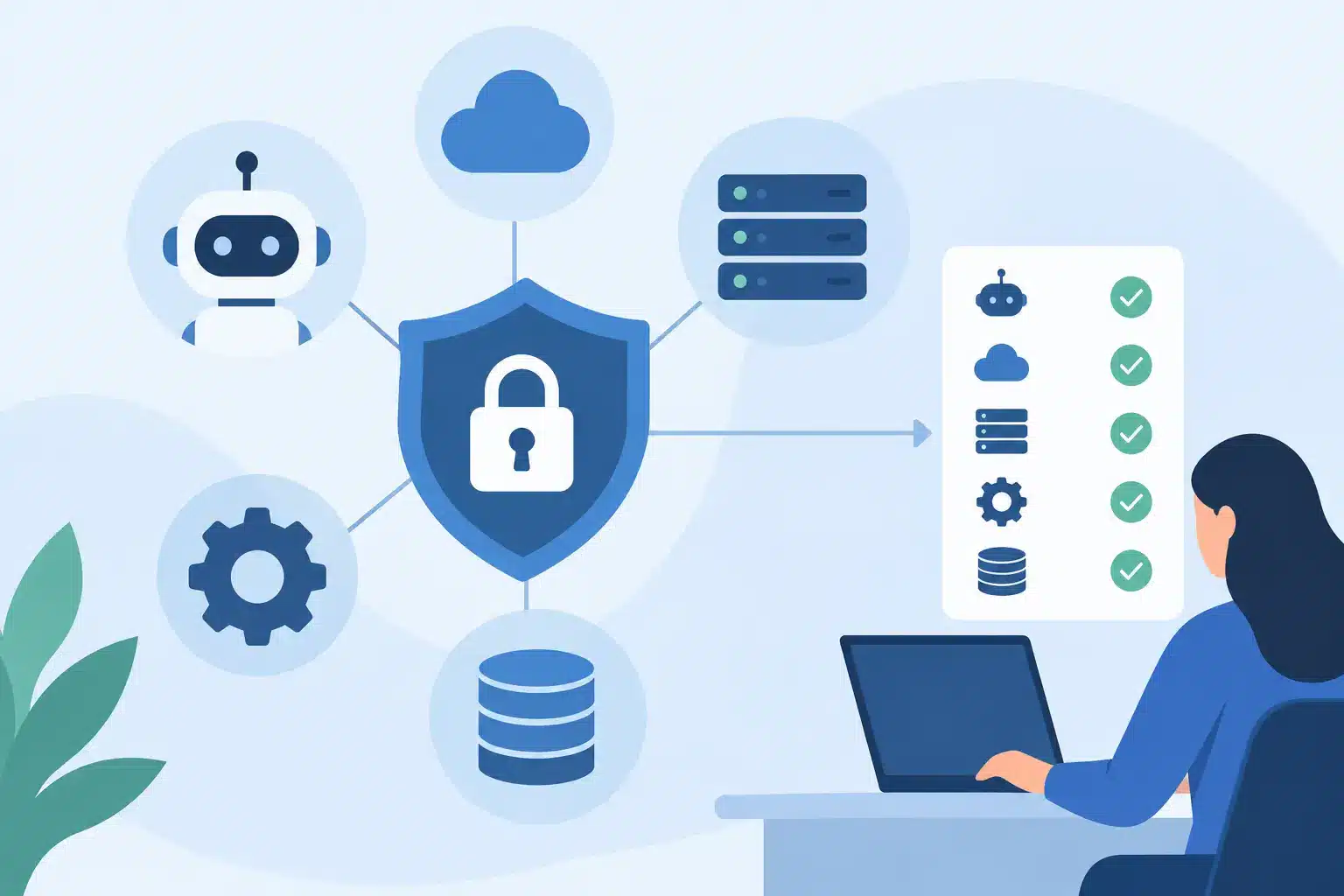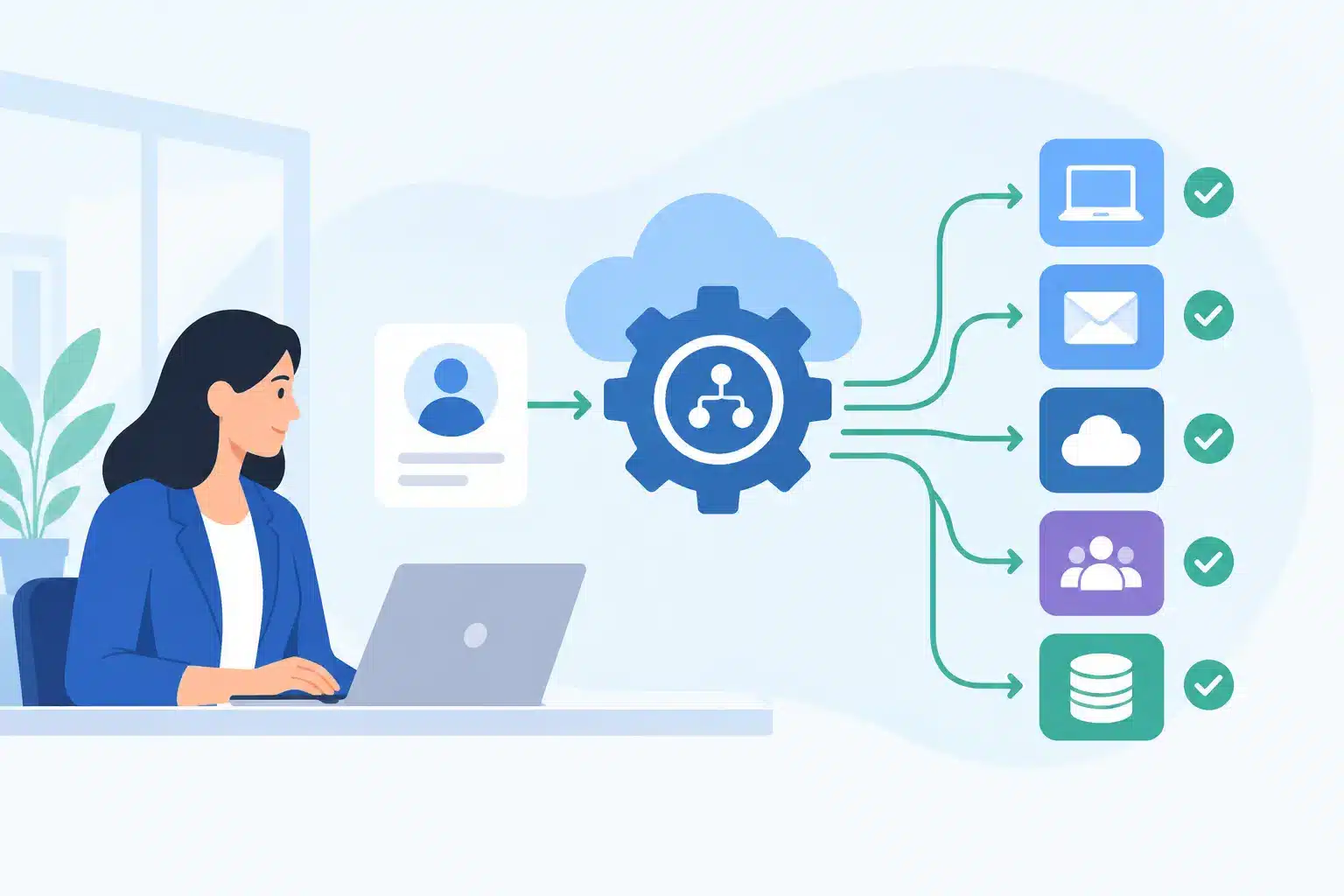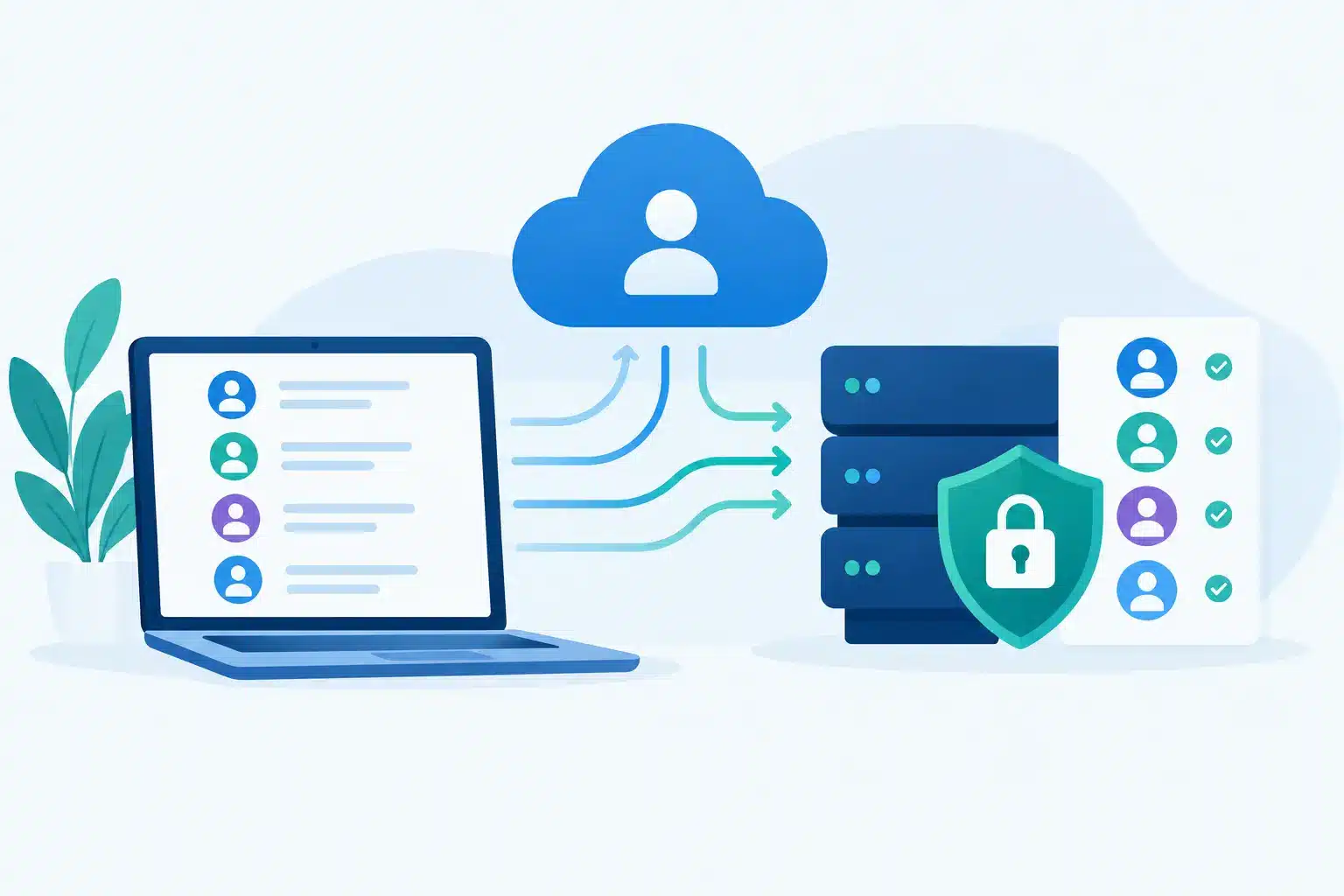
An AI agent that reads email, queries systems, approves transactions, or triggers infrastructure changes is not just a feature. It is an actor in your environment. That is why the question, can ai agents have identities, is no longer theoretical. For enterprise security teams, the real issue is whether those identities are explicit, governed, and controlled – or hidden inside service accounts, API keys, and application logic.
This matters because AI agents are starting to operate with initiative. They are not only responding to a direct command from a user. They can interpret goals, call tools, chain actions, and make decisions based on context. Once that happens, identity stops being a back-end technical detail and becomes a control point.
Can AI agents have identities in an enterprise?
Yes, but not in the human sense.
An AI agent does not have legal personhood, employment status, or accountability in the way an employee does. But it can and should have an enterprise identity when it performs actions in business systems. In practical terms, that means the agent needs a unique, attributable, governed digital identity tied to defined permissions, authentication methods, ownership, and policy.
This is the same logic security teams already apply to workforce identities, privileged accounts, service principals, and machine identities. If an entity can access data, invoke workflows, or change system state, it needs identity controls. AI agents fit that model.
The mistake is assuming an AI agent is just another application process. In some environments, that is partially true. But many agents are closer to autonomous operators than static software components. They may act across multiple systems, use delegated permissions, and behave differently based on prompt context, retrieved data, or orchestration logic. That creates a broader risk surface than a traditional non-human identity.
Why identity is the right control layer
Most organizations first look at AI agent security through the lens of model risk, data leakage, or prompt injection. Those are valid concerns, but they are not enough. If an agent can take action, identity is what determines what it is allowed to do, how it proves what it is, and how its behavior is tracked.
Without an identity layer, security teams lose basic control. They cannot easily answer who initiated an action, what authority the agent used, whether access was excessive, or whether credentials were reused across functions. Those gaps create operational and compliance problems fast, especially in regulated environments.
A defined identity also makes AI activity governable. You can attach lifecycle controls, approvals, logging, segregation of duties, credential rotation, and access reviews. You can map the agent to a business owner and technical custodian. You can restrict where it can operate and under what conditions. None of that works well when the agent is hidden behind a shared token or embedded into a generic app identity.
What an AI agent identity should include
An AI agent identity needs more than a name in a directory. It should be treated as a managed non-human identity with clear operational context.
At minimum, the identity should be unique and attributable. It should represent one agent, one function, or one tightly scoped automation domain. If a single identity is reused across multiple agents or workflows, accountability breaks down.
It also needs authenticated trust. That might involve workload identity, certificate-based authentication, federated tokens, or secrets managed through a secure vault. Hardcoded API keys and long-lived shared credentials are the wrong foundation for agentic systems.
Ownership is just as important. Every agent identity should have a named business owner and a technical owner. If an agent can approve finance actions, modify infrastructure, or access health records, there must be a clear chain of responsibility for its permissions and behavior.
Finally, it needs policy. The agent should have least-privilege access, constrained execution paths, conditional access where possible, and continuous logging. In higher-risk use cases, it should also have step-up controls or human approval gates before sensitive actions are completed.
Where organizations get this wrong
The most common failure is treating the AI agent as a feature inside another platform and inheriting whatever access that platform already has. That is convenient for deployment, but dangerous for governance. If the agent uses broad application privileges, every action it takes is effectively masked behind a larger identity boundary.
The second failure is over-permissioning in the name of usability. Teams want the agent to be effective, so they grant wide access early. That often includes inboxes, file stores, ticketing systems, knowledge bases, cloud resources, and internal APIs. The result is an identity with excessive reach and limited oversight.
Third, many organizations do not separate agent identity from user delegation. If an employee asks an agent to perform a task, the environment needs to distinguish between the user request, the agent identity, and the permissions used to execute the action. Otherwise, audit trails become murky. You may know that something happened, but not whether it was the user, the agent, or an orchestration layer acting under shared authority.
A final issue is lifecycle neglect. AI agents are often piloted quickly, then left running. Security teams later discover stale credentials, abandoned integrations, or production agents with no active owner. That is familiar territory in non-human identity sprawl, but agentic systems can multiply the problem because they are often connected to many services at once.
Can AI agents have identities that are privileged?
Absolutely, and that is where risk rises sharply.
If an AI agent can reset credentials, modify cloud configurations, access sensitive records, or execute administrative workflows, it is operating as a privileged identity. At that point, traditional PAM principles apply. The agent should not hold standing privileged access without strict justification. Access should be time-bound where possible, brokered through controlled mechanisms, and monitored with full session and action visibility.
This is also where many enterprises need to slow down. An AI agent may appear efficient in a support desk, cloud operations, or security response workflow. But giving it broad administrative capability before identity controls are mature is an avoidable mistake. Autonomy without privilege discipline is not innovation. It is exposure.
Governance decisions that need to happen early
The right model depends on the use case. A read-only research assistant does not need the same identity architecture as an agent that can approve payments or provision infrastructure. But some decisions should be made before production rollout.
First, decide whether the agent gets its own standalone identity or acts through tightly scoped delegated access. Second, define the approval model for creating and changing agent permissions. Third, determine how secrets, certificates, and tokens will be issued, rotated, and revoked. Fourth, establish audit requirements that can separate user intent from agent execution.
This is where identity governance and administration becomes more than an administrative layer. It becomes the structure that prevents agent sprawl, entitlement drift, and ownership confusion.
The operational model matters more than the label
Some debate around this topic gets stuck on semantics. Is the AI agent really an identity, or is it just software using credentials? In enterprise security, that distinction is less useful than it sounds.
If the agent can access systems and affect outcomes, it requires identity treatment. The label is secondary. What matters is whether the organization can inventory it, authenticate it, authorize it, monitor it, review it, and decommission it cleanly.
That is why the strongest approach is operational, not philosophical. Define AI agents as managed digital actors. Apply the same rigor you would apply to any other high-impact identity, then adjust controls based on autonomy, privilege, and business risk.
For many enterprises, this will require identity architecture changes. Existing IAM models were not always designed for software entities that reason, chain tasks, and operate across systems with partial autonomy. That does not mean the controls are obsolete. It means they need to be extended with better non-human identity management, stronger credential hygiene, more granular authorization, and tighter governance over delegated actions.
IDENT1TY sees this as the next identity control challenge, not a separate discipline. AI agents should be brought into the same measurable framework used to secure workforce access, privileged accounts, machine identities, and service relationships.
The useful question is no longer whether AI agents deserve identities. If they act in your environment, they already function like identities. The job now is to make that identity explicit, controlled, and accountable before convenience turns into unmanaged access.