A single overprovisioned account can quietly bypass millions in security spend. One contractor with lingering access, one admin credential shared across teams, or one service account with no owner is often all it takes to turn a routine gap into a serious incident. That is why identity access management is important: it determines who gets access, when they get it, how that access is controlled, and whether it should exist at all.
For mid-market and enterprise organizations, IAM is not just an IT function. It is a control system for business operations. It sits between users and critical systems, between privileged access and abuse, and between compliance goals and audit failure. When identity is poorly managed, security becomes fragmented. When identity is governed properly, access becomes measurable, enforceable, and aligned to real business need.
Why identity access management is important for security
Most attacks do not begin with a dramatic breach of perimeter controls. They begin with identity misuse. A compromised password, an exposed token, a stale privileged account, or a machine identity left unmonitored can give attackers a direct path into core systems.
IAM matters because it reduces that path. It enforces authentication, limits authorization, and creates structure around access decisions that are often left to manual processes. Instead of relying on scattered approvals and inconsistent administrator judgment, IAM applies policy. That is a significant shift. Security improves when access is based on role, risk, and business context rather than convenience.
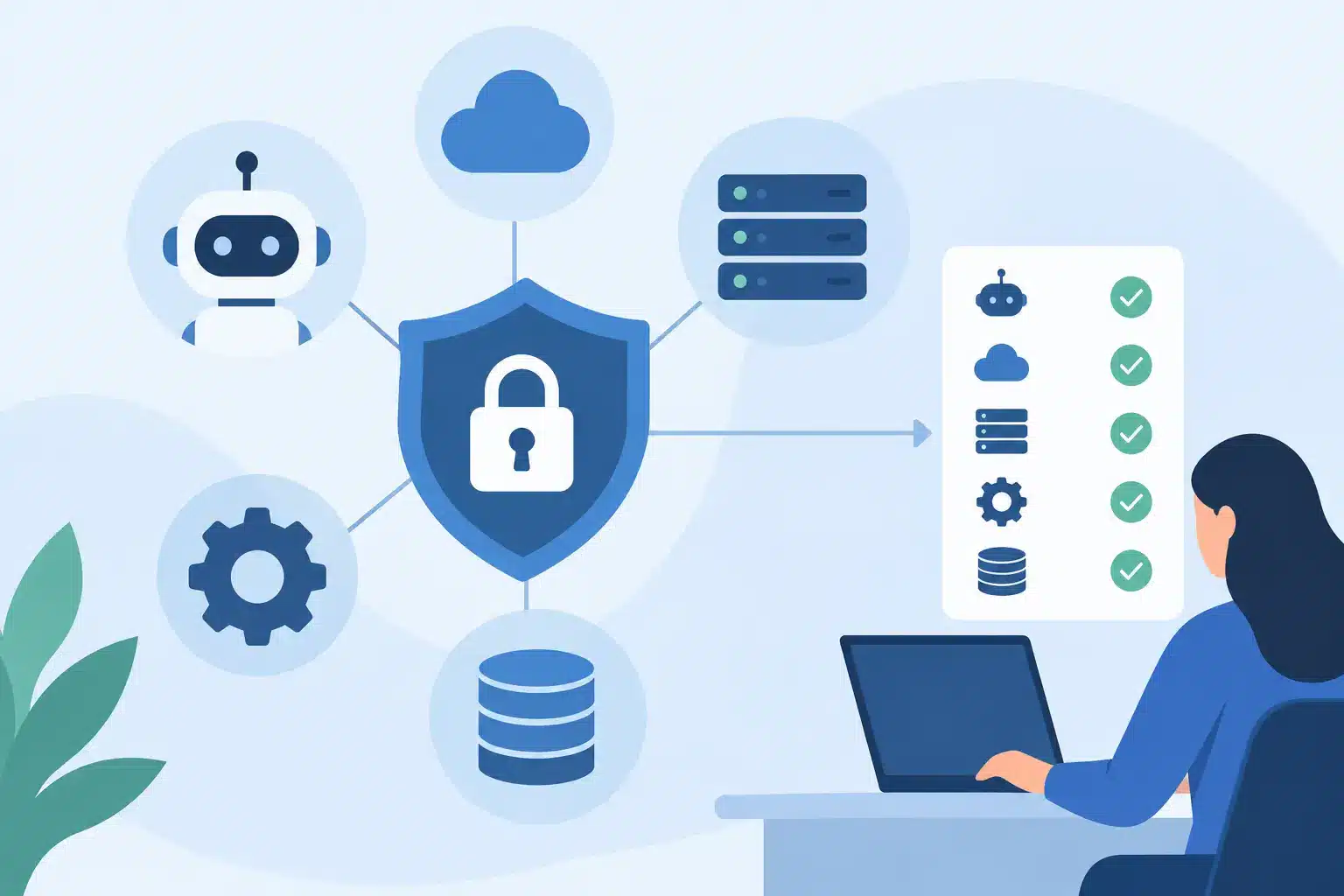
This becomes even more critical in hybrid environments. Enterprises now manage employees, contractors, partners, bots, APIs, cloud workloads, certificates, and AI agents across multiple platforms. Every one of those identities can become an attack surface if access is not controlled centrally or at least governed consistently. IAM gives organizations a way to reduce exposure without losing operational continuity.
It also helps contain damage when something goes wrong. If credentials are compromised but privileges are tightly scoped, session controls are enforced, and access can be revoked quickly, the blast radius is smaller. That is not a theoretical benefit. It is one of the clearest practical reasons IAM belongs at the center of security architecture.
Access control is really risk control
Organizations often frame IAM as a user productivity tool because it supports onboarding, single sign-on, and fewer password-related issues. Those outcomes matter, but they are secondary. The primary value is risk control.
Every access decision carries risk. Grant too much access and you create unnecessary exposure. Grant too little and business processes break. Grant access with no expiration, no approval record, and no review cycle, and you create long-term security debt.
IAM provides the mechanisms to manage that balance. Role-based access, attribute-based controls, conditional access, joiner-mover-leaver workflows, privileged session management, and access certification all help answer a simple operational question: does this identity need this level of access right now?
The answer is not always straightforward. A developer may need elevated access during a deployment window. A third-party support team may require temporary system access during an incident. A finance user may need broader permissions during a close cycle. Good IAM programs account for these realities. They do not block the business. They create controlled exceptions, track them properly, and remove them when the need ends.
Why identity access management is important for compliance and audit readiness
In regulated sectors, IAM is not optional. Financial institutions, healthcare providers, energy operators, manufacturers, and public sector organizations all face scrutiny over who can access sensitive data and critical systems. Auditors and regulators increasingly expect evidence, not policy statements.
That evidence depends on identity controls. Can you prove who approved access? Can you show that privileged accounts are monitored? Can you demonstrate that terminated users lose access promptly? Can you certify that access rights are reviewed regularly and tied to job function?
Without IAM, these questions become expensive manual exercises. Teams pull spreadsheets, compare disconnected system records, and scramble before audits. That approach is slow and unreliable. It also tends to expose larger governance issues, such as orphaned accounts, duplicate entitlements, and access rights that no one can justify.
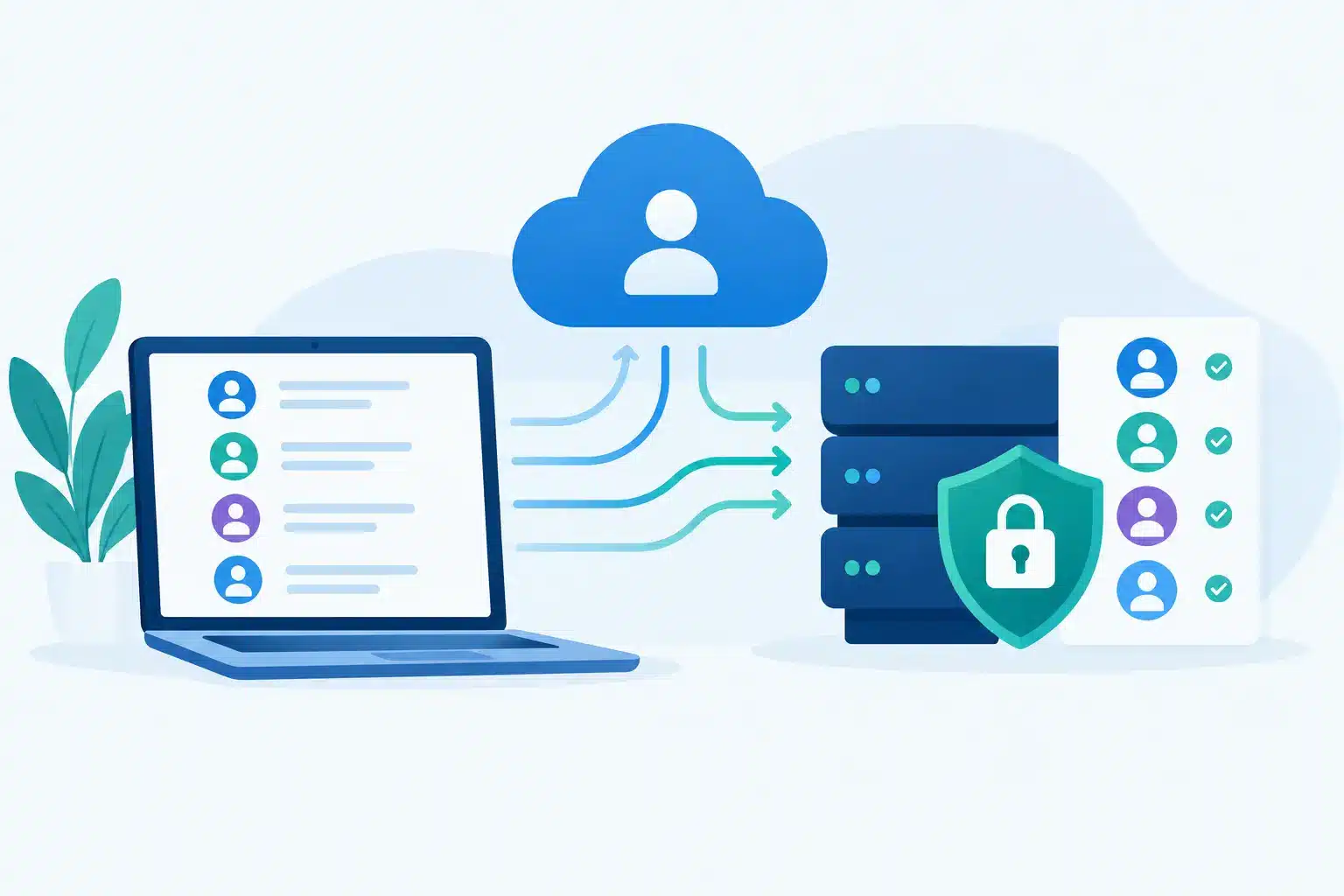
With mature IAM, organizations move from reactive audit support to continuous control. Access reviews are structured. Approval trails are retained. Segregation of duties policies can be enforced. Sensitive entitlements are identified and monitored. The result is not just smoother audits. It is better operational discipline across the identity estate.
IAM improves visibility across a fragmented environment
One of the biggest access problems in enterprise environments is not lack of tools. It is lack of visibility. Different teams manage identity in different ways across cloud platforms, legacy applications, infrastructure, SaaS, and privileged systems. Ownership is split. Processes vary. Exceptions accumulate.
That fragmentation creates blind spots. Security teams may not know how many privileged accounts exist. Infrastructure teams may not know which service accounts are still active. Application owners may approve access without understanding downstream risk. When visibility is poor, control is weak.
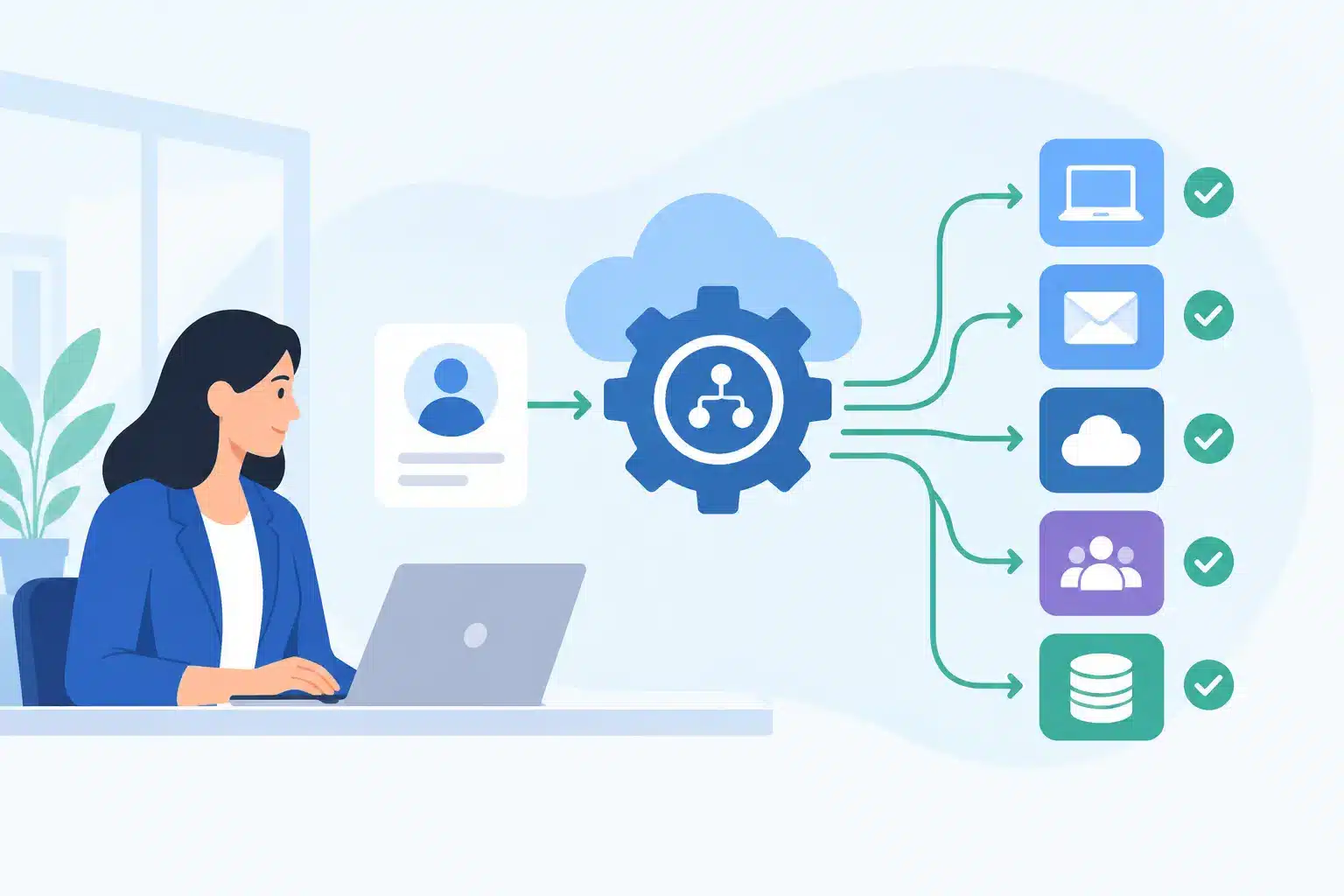
IAM creates a clearer operating picture. It helps organizations inventory identities, map entitlements, establish ownership, and apply common governance standards across systems that were never designed to work together. That does not happen instantly, and it rarely comes from software alone. It requires architecture, integration, process design, and ongoing operational support.
This is where many IAM programs either mature or stall. Buying a platform is one step. Building a functioning identity operating model is another. Enterprises that treat IAM as a one-time implementation often end up with partial coverage and inconsistent enforcement. The stronger approach is to manage identity as an operational discipline with defined controls, service ownership, and continuous improvement.
Business resilience depends on identity
IAM is often discussed in the context of prevention, but it also plays a direct role in resilience. During mergers, cloud migrations, workforce changes, and incident response, identity becomes one of the first operational pressure points.
If onboarding is inconsistent, new teams cannot work efficiently. If offboarding is delayed, former users retain access longer than they should. If privileged access is not centrally controlled, emergency changes introduce new risk. If certificates and machine identities are unmanaged, applications can fail unexpectedly.
These are not edge cases. They are routine operational events that expose weaknesses in identity processes. A mature IAM capability helps organizations absorb change without losing control. Access can be provisioned faster, reviewed more reliably, and revoked with less uncertainty. That matters just as much for uptime and business continuity as it does for pure security.
There is also a strategic angle. As organizations adopt automation and AI-driven workflows, the identity perimeter expands beyond human users. Non-human identities now carry privileges, interact with sensitive systems, and often operate at scale. If governance is weak, these identities become difficult to track and even harder to secure. IAM provides the structure needed to extend control into this next layer of access complexity.
The trade-off: strong control without unnecessary friction
Security leaders know the challenge. The tighter the access model, the greater the risk of user friction if implementation is poor. Overly rigid controls can slow delivery teams, frustrate administrators, and drive workarounds. Overly loose controls create exposure that compounds over time.
That is why IAM design matters as much as IAM intent. Effective programs are based on business roles, real application usage, privileged risk tiers, and approval logic that reflects how the organization actually operates. They also account for legacy systems, emergency access, and edge cases that do not fit a clean model.
There is no universal blueprint. A healthcare provider protecting patient systems has different priorities than a manufacturer securing operational technology or a bank managing privileged access under strict regulatory oversight. The controls may differ, but the principle is constant: access should be justified, governed, and observable.
For organizations trying to reduce identity-related risk, the first step is often not broader tooling. It is a clearer understanding of where access is uncontrolled, where governance is inconsistent, and where privileged or non-human identities sit outside policy. From there, IAM can be built as a practical control framework, not just a technology stack.
IDENT1TY approaches this problem the right way: by turning identity complexity into an operational model that can be deployed, governed, and sustained over time.
The organizations that handle identity well are rarely the ones with the most products. They are the ones that know who has access, why they have it, and what controls are in place when conditions change. That level of control does more than reduce risk. It gives the business room to move without losing sight of what matters most.