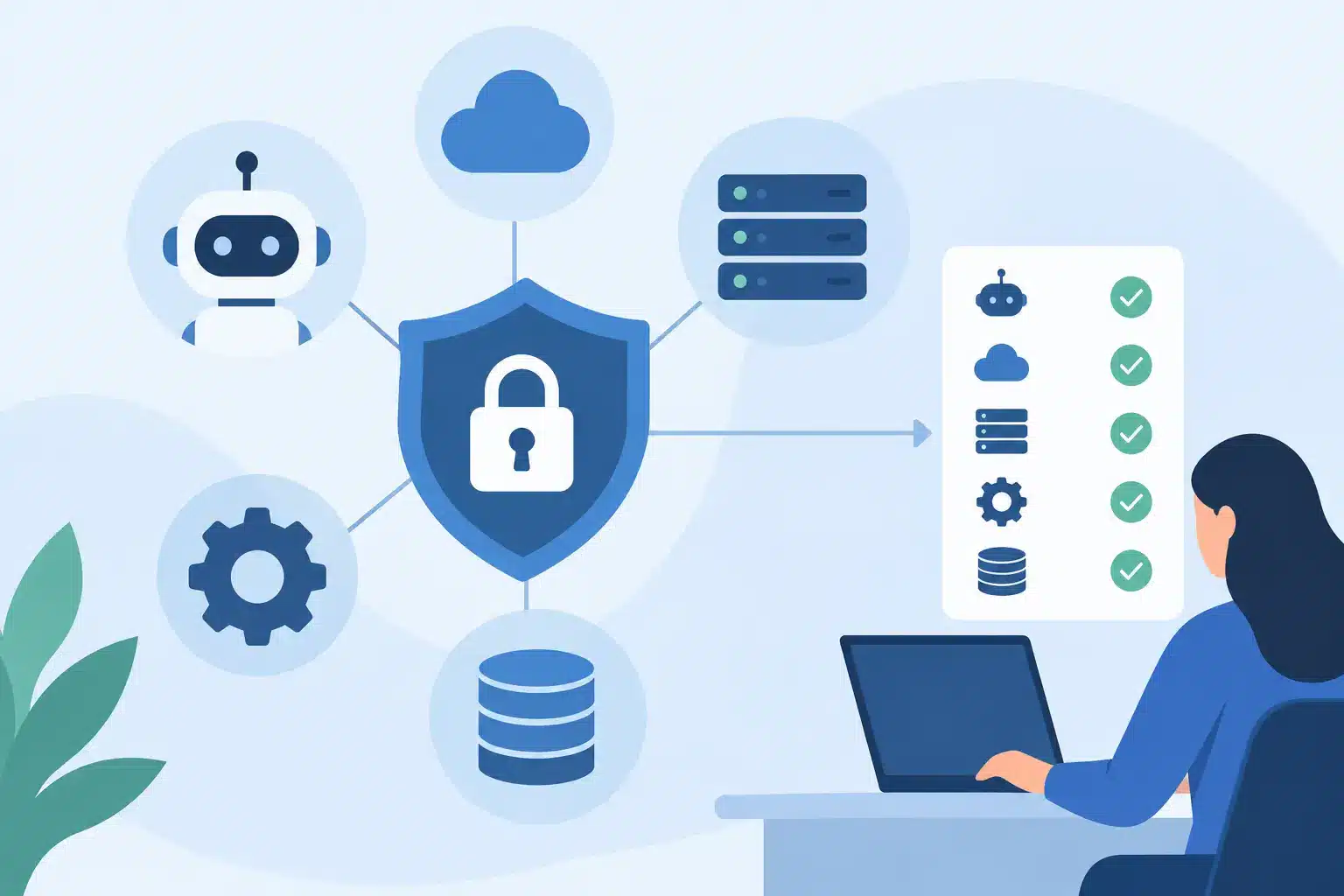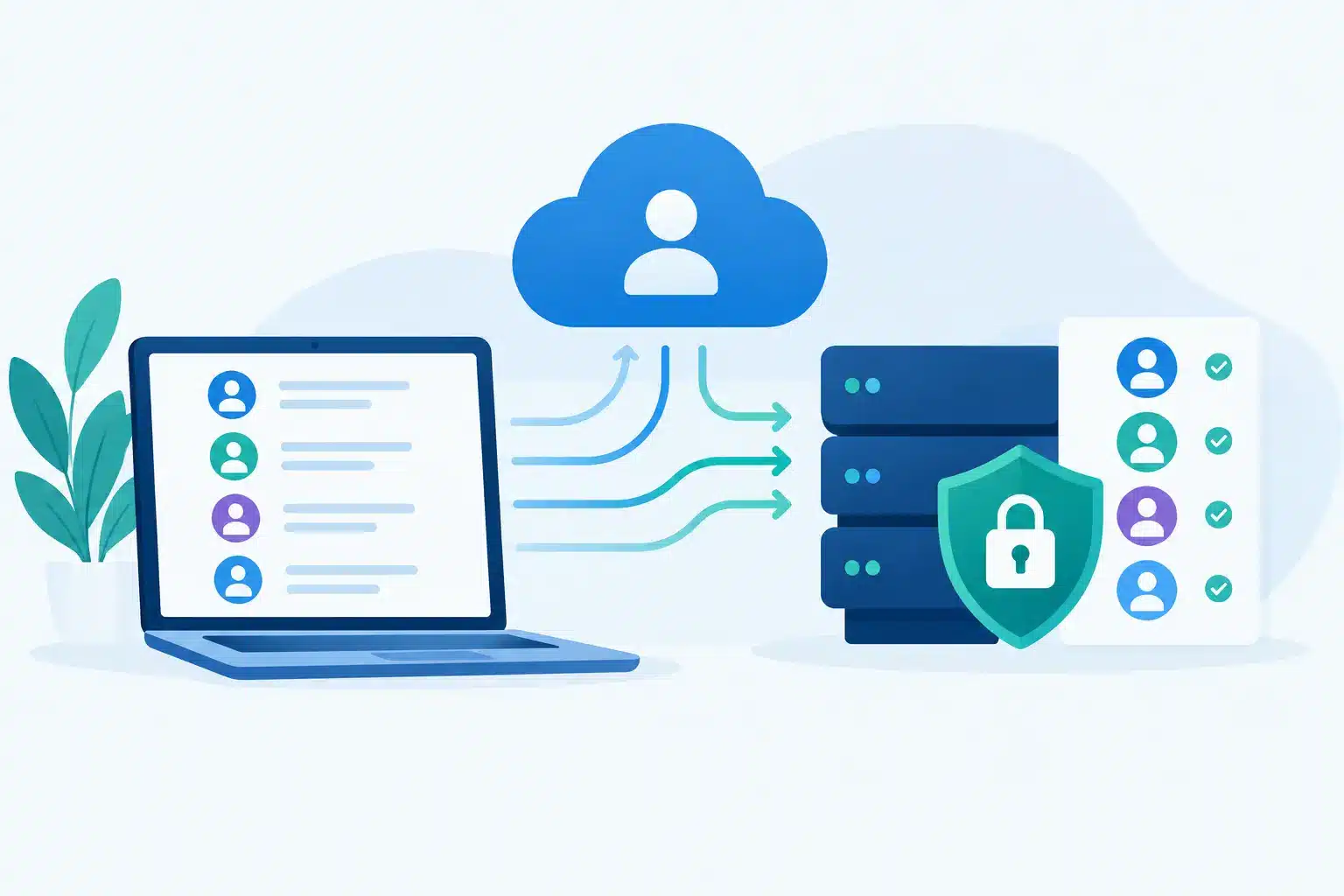
A certificate expiration is rarely just an infrastructure issue. It can interrupt customer transactions, break API trust, disable internal applications, and trigger an avoidable audit finding. The best certificate management software gives security and infrastructure teams control over that risk by making machine identity inventory, policy enforcement, renewal, and accountability operational capabilities rather than manual tasks.
For enterprise environments, choosing a platform is not primarily a feature comparison. It is an architecture and operating-model decision. The right solution must work across fragmented public key infrastructure (PKI), cloud services, legacy systems, DevOps pipelines, and regulated business processes without creating another unmanaged security silo.
Why certificate management has become a security control
Organizations now depend on certificates far beyond public-facing websites. Certificates secure workload-to-workload traffic, APIs, VPNs, code signing, Wi-Fi, email, devices, containers, and internal services. Each certificate represents a machine identity with a defined issuer, owner, purpose, key, expiration date, and trust relationship.
The challenge is scale and change. Shorter certificate lifetimes, cloud adoption, automated deployment pipelines, and distributed application ownership have made spreadsheet-based tracking unreliable. A team may know where its public TLS certificates are located while lacking visibility into private certificates issued by internal CAs, certificates embedded in appliances, or keys managed by separate cloud platforms.
That visibility gap creates two forms of exposure. The first is availability risk: a certificate expires and a critical service fails. The second is security risk: a weak, unauthorized, or improperly issued certificate remains trusted long after it should have been replaced. Effective certificate lifecycle management addresses both.
What the best certificate management software must do
A credible certificate management platform starts with discovery. It should identify certificates across networks, cloud environments, endpoints, load balancers, application servers, Kubernetes clusters, and known certificate authorities. Discovery should not end with a scan result. Teams need normalized records that show the certificate, its location, issuer, cryptographic properties, expiration, ownership, and business context.
The next requirement is lifecycle automation. Notifications alone reduce surprises, but they do not solve the underlying operational problem. The platform should support policy-driven enrollment, issuance, renewal, installation, revocation, and replacement. Automation matters most when it reaches the systems that consume certificates. If a certificate can be renewed but still requires a manual change on every application node, the organization has moved the bottleneck rather than removed it.
Integration depth is equally decisive. Enterprise certificate operations often span public CAs, Microsoft AD CS, private PKI, cloud certificate services, secrets platforms, IT service management tools, and CI/CD workflows. A solution that integrates only with one CA or a narrow set of web servers may be sufficient for a limited use case, but it will not provide enterprise-wide control.
Finally, the platform must support governance. Security leaders need to answer direct questions: Which certificates expire in the next 30 days? Which are noncompliant with approved cryptographic standards? Who owns the certificates supporting a regulated application? Which issuing authorities are allowed for a given business service? A dashboard is useful, but the value comes from policies, assigned accountability, exception workflows, and evidence that controls are being enforced.
Evaluate the platform against your certificate estate
The same product is not the best choice for every organization. A cloud-native company with a small number of approved certificate authorities may prioritize API-first automation and Kubernetes integrations. A bank, manufacturer, or healthcare organization may require broader discovery, private PKI support, formal approval paths, and detailed audit evidence.
Start by defining the scope of the estate, not by requesting vendor demonstrations. Inventory the certificate types that matter: public TLS, internal TLS, client authentication, device identity, document signing, code signing, S/MIME, and certificates used by network and security appliances. Identify where these certificates are issued, where they are deployed, and who currently manages them.
Then separate high-value use cases from long-tail visibility. Public-facing TLS certificates are often the fastest place to show value because outages are highly visible. However, internal certificates may carry greater security significance because they establish trust between sensitive workloads and systems. A selection process that focuses only on website certificates can leave the more difficult machine identity problem untouched.
Discovery quality and asset context
Ask how the platform discovers certificates in practice. Does it rely solely on network scanning, or can it collect information through agents, APIs, cloud connectors, and integrations with certificate authorities? Can it identify certificates that are not currently exposed on a network port? Can it distinguish a certificate on a decommissioned server from one protecting a production payment service?
Asset context is where many deployments lose momentum. A list of 100,000 certificates is not actionable without ownership and criticality. The platform should support tagging and data enrichment from CMDB, asset-management, cloud, and service-management systems. Where integrations cannot provide a clear owner, the operating model needs a process to assign one.
Automation that works in production
Evaluate automation at the deployment point. The key question is not whether the software can request a new certificate. It is whether it can renew and install that certificate safely across the infrastructure that uses it, then validate that the service is presenting the intended certificate.
Look for supported automation across web servers, application delivery controllers, cloud services, container platforms, and common enterprise applications. Also assess how the platform handles exceptions. Some legacy systems will require manual procedures or custom development. A realistic implementation identifies those cases early, documents the compensating controls, and prevents them from becoming permanent blind spots.
PKI and cryptographic policy control
Certificate lifecycle management cannot be isolated from PKI governance. The software should enforce approved certificate templates, key types, key lengths, validity periods, subject naming conventions, and issuance approvals. It should also provide reporting for deprecated algorithms, unapproved issuers, and certificates that violate policy.
Consider who controls the certificate authorities and private keys. In some environments, security teams operate centralized PKI. In others, infrastructure teams or business units maintain separate authorities. The platform should provide centralized visibility and policy control without forcing an unrealistic overnight redesign of every existing PKI service.
Measure operational readiness, not just product features
A platform can appear capable in a proof of concept and still fail during enterprise rollout if ownership, integrations, and support are unclear. Before selecting software, establish the operating model that will sustain it.
Define who owns the service, who approves policy changes, who manages CA integrations, and who responds when automation fails. Determine how certificate owners are notified, how exceptions are recorded, and how expired or orphaned certificates are handled. These decisions turn lifecycle management into a controlled service rather than a tool managed by a small group of administrators.
Also test vendor and implementation capability against the environments that create the most risk. Ask for a demonstration using a meaningful use case, such as automated renewal for a clustered application, policy enforcement for internal certificates, or inventory correlation across cloud and on-premises infrastructure. Generic dashboards do not prove that a product can support your production dependencies.
For regulated organizations, confirm reporting requirements early. Audit teams may need evidence of certificate ownership, issuance approval, renewal history, revocation actions, and policy exceptions. Building those reports after deployment is slower and more expensive than designing the data model and workflows from the start.
Common selection mistakes to avoid
The first mistake is treating expiration alerts as certificate management. Alerts are necessary, but they place the burden on people to find the certificate, request a replacement, deploy it, and verify the service. At enterprise scale, that approach does not provide reliable control.
The second is buying for a single urgent problem with no path to broader machine identity governance. Solving a public TLS outage may justify an immediate project, but the selected platform should also be able to support internal certificates, private PKI, and future automation needs.
The third is underestimating implementation effort. Discovery results must be validated. Connectors need to be configured. Ownership data must be improved. Renewal procedures require testing. These are not reasons to delay the program. They are reasons to plan it as an operational security initiative with clear phases and measurable outcomes.
The final mistake is assuming the software alone creates accountability. Technology can identify an expiring certificate and route a task, but business and technical owners must accept responsibility for the applications and services that depend on it.
Build the selection around measurable outcomes
The strongest business case is based on control and resilience. Set baseline metrics before deployment: certificates discovered, certificates with assigned owners, upcoming expirations, manual renewal effort, policy violations, and renewal-related incidents. Then define the outcomes the program must deliver, such as complete visibility over defined environments, automated renewal for priority certificate classes, reduced emergency changes, and auditable policy compliance.
IDENT1TY approaches certificate lifecycle management as part of the broader identity security discipline. Certificates are machine identities, and their lifecycle should be governed with the same rigor applied to privileged access, user access, and high-risk digital relationships.
Choose software that can establish control where certificates are created, deployed, and trusted. The right platform will not eliminate every exception, but it will make exceptions visible, owned, and defensible before they become outages or security incidents.